5 Teaching Dog to Heel Tips for Beginners: Quick Wins
These bite-sized tips cut through the chaos of a wiggly pup on a leash. You’ll get smooth, confident heel behavior without turning walks into full-on wrestling matches. Seriously, you can make every stroll feel like a win.
1. Start with a Positive Anchor: Treats on Command
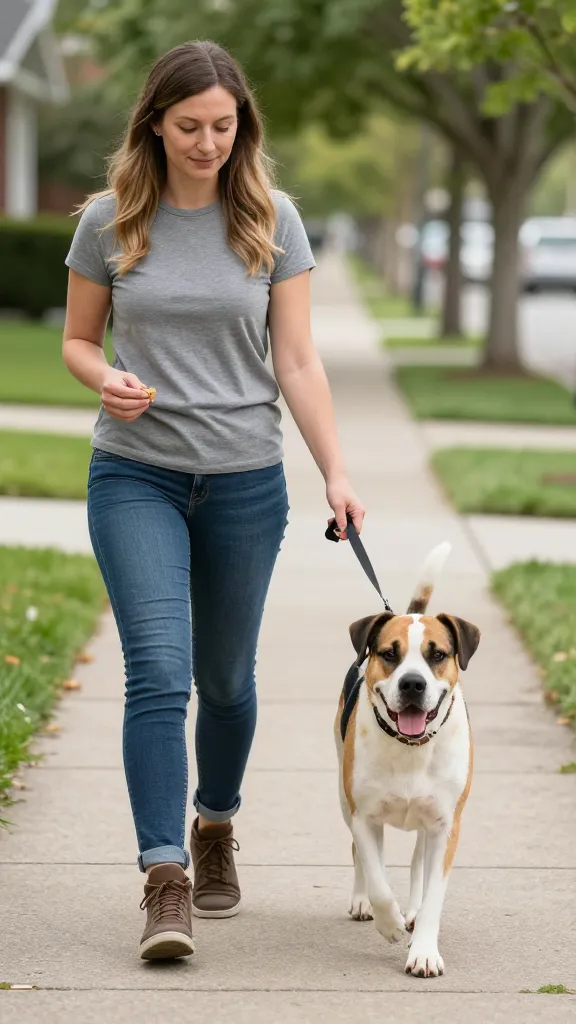
Anchor the heel behavior in the most delicious way possible. When your dog links walking beside you to tasty rewards, the rest falls into place. FYI, patience here pays dividends—consistency is your best friend.
Key Points
- Use small, tasty treats to keep focus without overfeeding.
- Hold a treat at your left hip to guide the position.
- Keep sessions short but frequent to prevent boredom.
That easy anchor turns the heel into a game the dog loves. When you reward right as the paw steps to your side, you create a positive loop that reinforces the behavior.
2. Find Your Pace: The Tight, Natural Rhythm

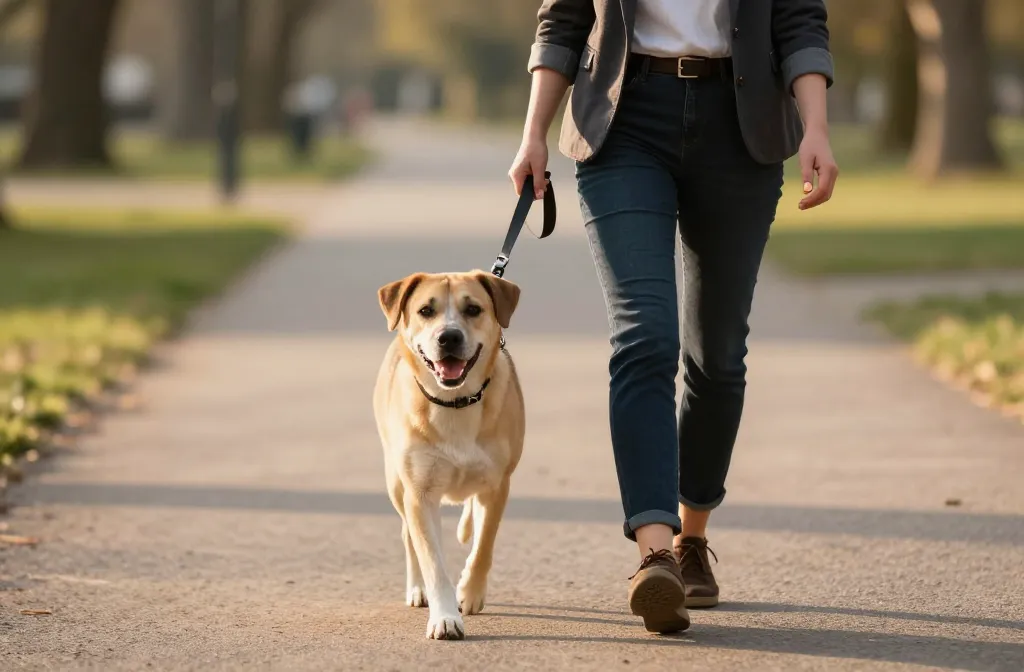
Walking at a natural pace helps your dog stay near you without pulling. If you rush, you train speed; if you meander, you train wandering. Find a steady tempo, then ride it like a gentle wave. Trust me, speed control is a game changer.
Tips
- Walk in a straight line for 10–15 feet to establish rhythm.
- Use a consistent cue like “heel” as you begin walking.
- If your dog surges ahead, stop briefly and reset to your pace.
Consistency creates harmony. You want your dog to anticipate your steps, not chase your heels. That calm rhythm makes every walk a lot more predictable and enjoyable.
3. The Gentle Turn: Redirect Without Drama

Dogs learn by feedback. A soft redirect when they drift is way more effective than harsh corrections. This is where calm energy and a quick cue save the day—and your nerves.
What to Do
- When the dog pulls ahead, take a small step sideways and resume walking.
- Use a subtle leash pressure to guide back into position, then reward.
- Keep sessions upbeat with a quick treat or praise.
Gentle redirection builds trust and teaches self-control. Your pup learns that staying close equals tasty rewards and happy moments on walks.
4. Look at Me, Heel: Head Position and Focus

Eye contact isn’t just for photos. Teaching your dog to focus on your face while in heel position makes the whole routine click. It also protects you from those sudden lurches toward smells and squirrels. Yes, dog brains are basically little scent machines, and you’re the conductor.
How to Implement
- Hold the treat at eye level to encourage gaze without forcing the head down.
- Use a verbal cue like “look” or “focus” and pair it with the reward.
- Gradually fade the treat as focus becomes steady, then switch to occasional praise or a small snack reward.
Boosting focus translates into better self-control. When your dog learns to watch you, the heel becomes a choreography rather than a tug-of-war.
5. Practical Proof: Real-Life Scenarios and Progress Checks
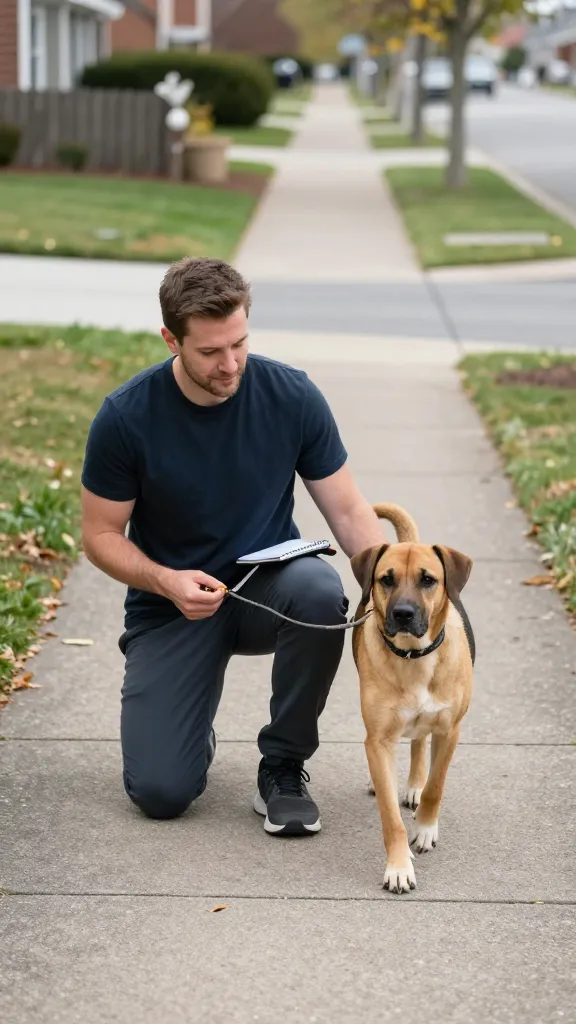
Practice in tiny, real-world chunks. Short, frequent sessions outside the house, in the yard, and on quiet sidewalks all build confidence. FYI, progress isn’t linear, so celebrate every small win and keep a log if you’re into data nerd vibes.
Pro-Checklist
- Begin with 5-minute sessions, 2–3 times a day.
- Increase distance gradually once heel is consistent at each stage.
- End on a high note with a treat and a quick game or cuddle.
Benefits pop up fast: fewer tugging moments, longer attention spans, and more enjoyable strolls for both of you. When you see your dog choose your side without prompting, you’ll know you’re on the right track.
So, are you ready to turn every walk into a confident, enjoyable routine? Your pup will thank you with wagging tails and happier leash adventures. Trust me, with these five tips, you’ll gain traction in no time and actually look forward to walking your best friend.