7 Tips on How to Potty Train a Puppy on a Pad That Work Fast
Potty training a pup on a pad doesn’t have to be a chaos-filled mess. These seven hacks deliver quick wins, fewer accidents, and a happier pup-parent duo. Let’s dive in and get your little problem-solver pottying like a pro!
1. Set Up a Command Center That Signals Breakthroughs
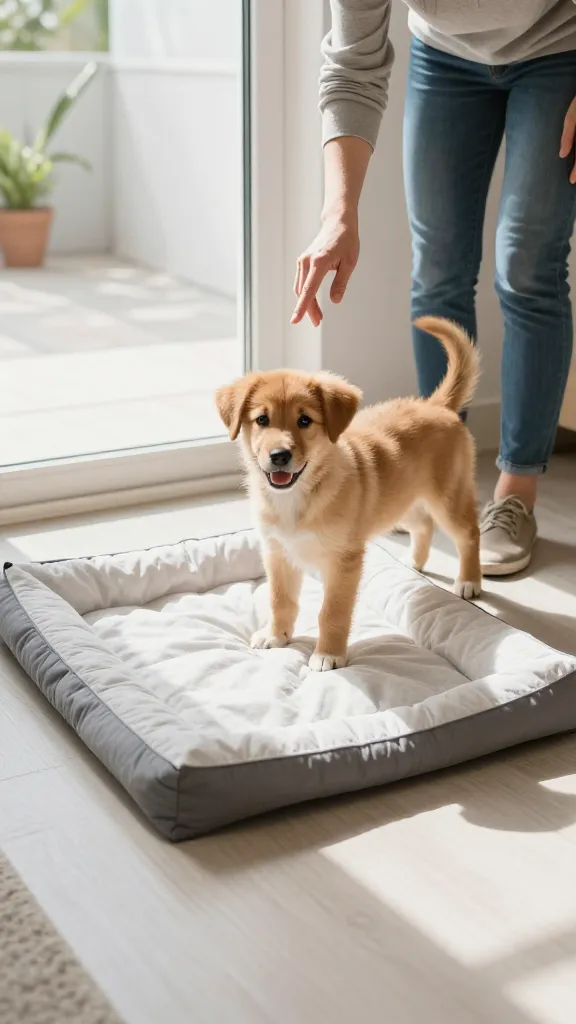
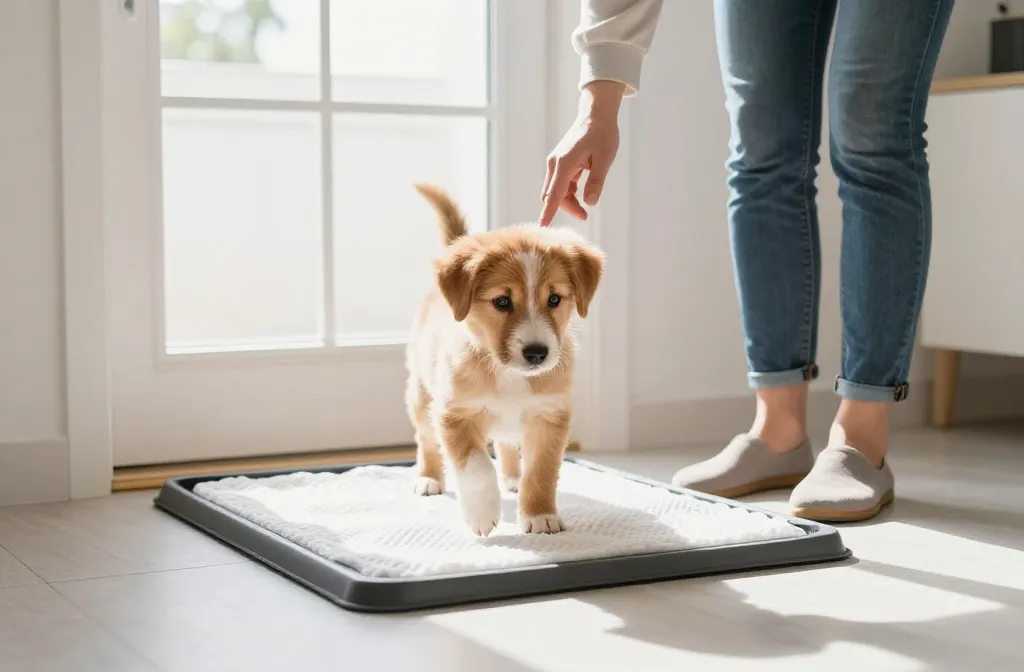
Just like a good boss, your pup needs clear directions. A dedicated potty zone and a consistent routine let your puppy know where the action happens. Start small, keep it predictable, and celebrate the tiny wins.
Key points to nail this tactic:
- Designate a single potty pad spot near a door or outside exit
- Use a consistent cue word each time you guide them to the pad
- Keep the area clean and smell-friendly so the pad feels right to them
Benefits: quicker association between urge and pad; less wandering, more purposeful trips. When to use: during waking hours and after meals or play sessions. FYI, consistency beats intensity here, so stick with the same corner and cue every time.
2. Build a Routine That Turns Habits Into Second Nature
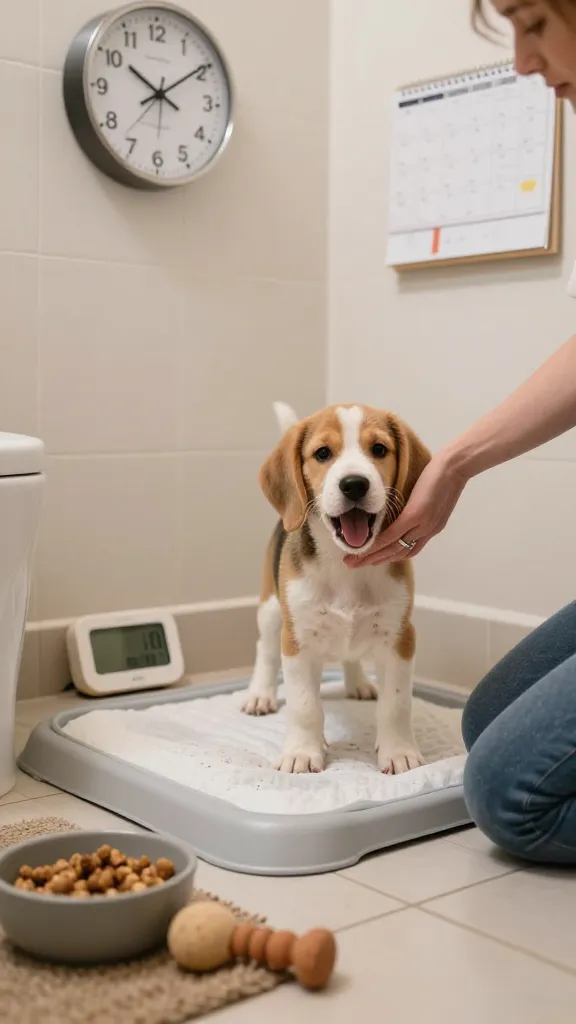
Puppies thrive on regular schedules. Feed, play, and potty at near-identical times daily. This predictability reduces accidents and boosts confidence.
What to structure in your routine:
- Frequent potty checks after waking, meals, and play
- Short training sessions (2–5 minutes) with lots of praise
- Gradual extension of time between pads as your pup gets better
Tip: use a visible clock or timer so you both know when the next trip to the pad is due. Trust me, this makes life easier for everyone involved. Seriously, a simple routine can save you a ton of frustration.
3. Make the Pad the Star with Positive Associations
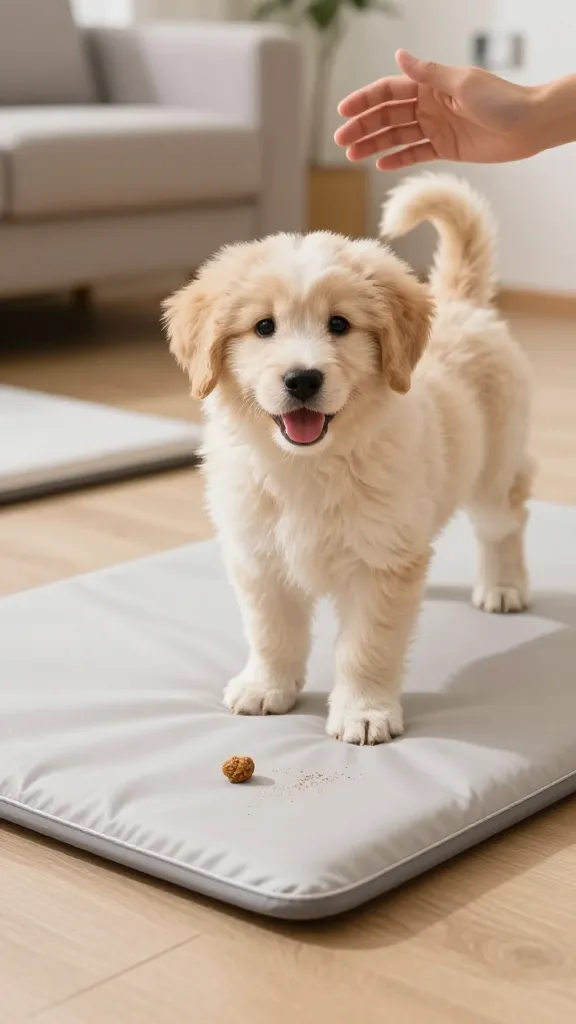
Your puppy should think the pad equals snacks, praise, and happy vibes. The more rewarding the pad feels, the faster they’ll go there on cue.
Ways to boost appeal:
- Offer a tasty treat right after they’re on the pad
- Give high-pitch praise and a gentle pet after successful paw placement
- Place a small amount of the dog’s usual scent on the pad if you’re starting fresh
Key note: never punish accidents; redirect calmly to the pad and reward correct behavior. This builds trust and keeps training fun.
4. Use Realistic Cues to Speed Up Learning
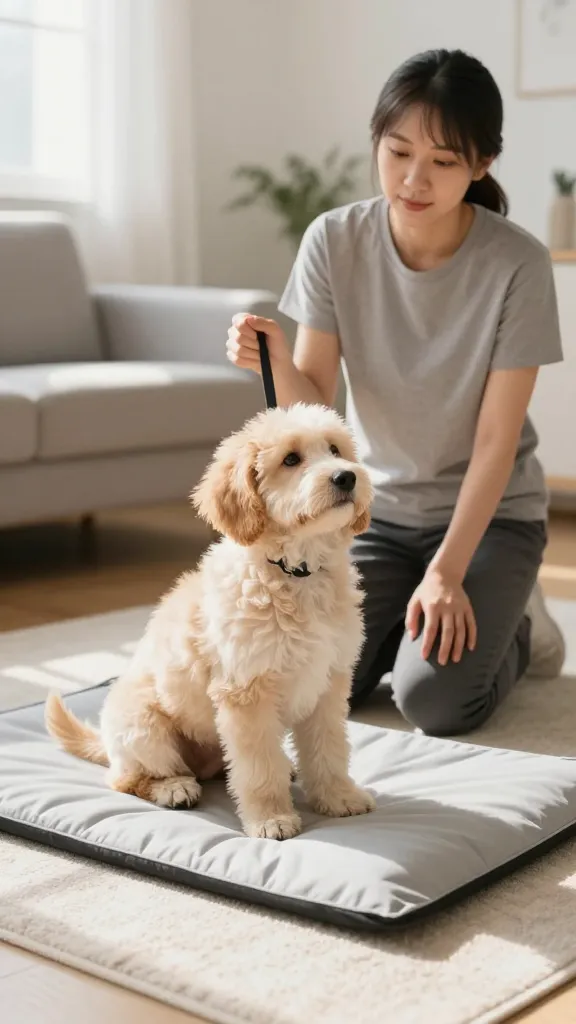
When your pup senses the urge, the right cue can spark instant action. Consistent cues reduce hesitation and create a strong mental map for your puppy.
How to cue effectively:
- Pick a simple, one-syllable word like “pad” or “to the pad”
- Say the cue calmly right as you guide them to the pad
- Pair the cue with a brief leash guidance if needed for beginners
Benefits: quicker response times, fewer off-pad attempts. You’ll love how naturally your puppy starts heading to the pad on cue. IMO, this is the secret sauce for steady progress.
5. Handle Accidents Sans Drama and Maintain Momentum
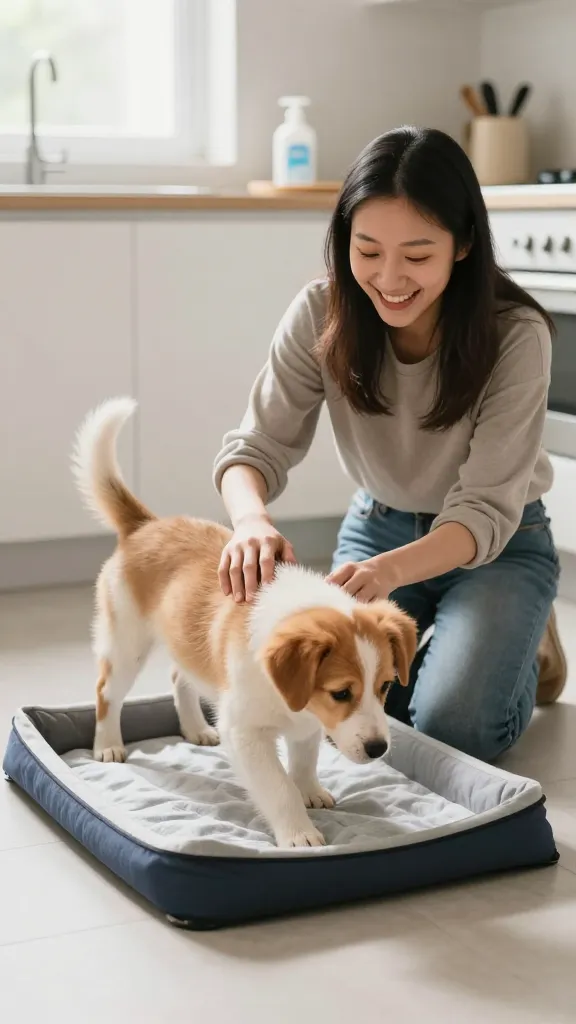
Accidents will happen—it’s part of puppy life. The trick is how you react. Calm, quick redirection keeps the training mojo intact and prevents backsliding.
Smart strategies:
- Clean thoroughly with an enzymatic cleaner to erase lingering scent
- Move the pad to a nearby spot if accidents occur repeatedly in one area
- Reinforce the pad when results dip, then gradually stretch the distance
Outcome: fewer repeat offenses and a puppy that regains focus quickly. When you stay chill, your dog stays confident. FYI, punishments train fear, not accuracy.
6. Leash, Treats, and Timing: A Trio That Converts More Potty Wins
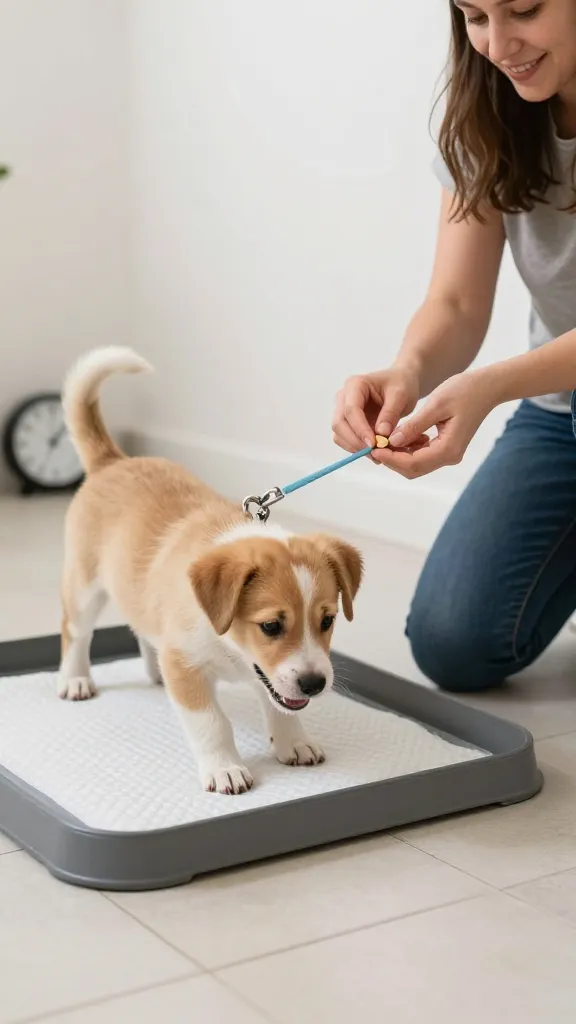
A little structure goes a long way. Combining a short leash, bite-sized treats, and precise timing accelerates learning and keeps you in the driver’s seat.
Practical setup:
- Attach a light leash for gentle guidance during potty times
- Offer a tiny, tasty treat immediately after success
- Keep sessions concise to maintain focus and fun
End result: more deliberate trips to the pad, fewer stray wanderings, and a happier pupper. Trust me, short, focused sessions beat marathon drills every day.
7. Transition to Quiet Confidence: When to Move Beyond the Pad
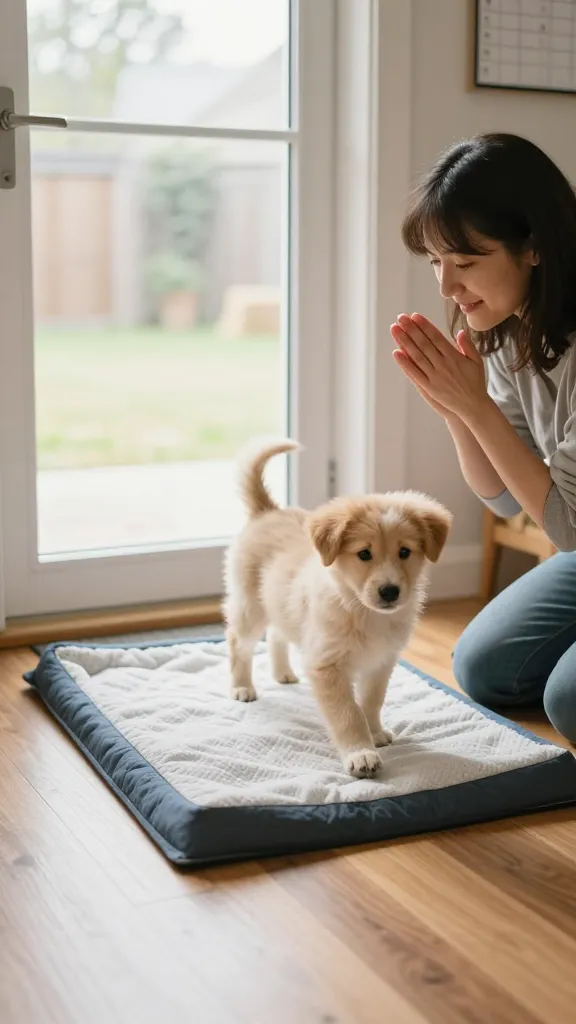
Once your pup reliably uses the pad, you’ll want to edge toward outdoor bathroom breaks while keeping the pad as a safety net for late nights or weather quirks.
How to approach the transition:
- Gradually place the pad closer to an exit, then near the door
- Shortly after, introduce outdoor potty opportunities alongside the pad
- Phase out treats for pad success, replacing with praise and a go-to routine
Takeaway: you’ll maintain control over accidents while expanding the pup’s independence. Use this method to blend indoor and outdoor potty habits smoothly. Seriously, a handled transition reduces stress for both of you.
Conclusion: You’ve got seven practical, friendly hacks to nail potty training on a pad. Dive in, stay consistent, and celebrate every clean trip to the pad. You’ve got this—your puppy is counting on you to lead with patience and a little humor.