7 Ways to Stop Dog Chewing Everything You Love
Struggling with a gnaw-happy pup? These practical tips are friendly, doable, and a little playful. You’ll see calmer chew sessions and more peace around the house in no time.
1. Lock Down the Chew Zone with Smart Substitutes
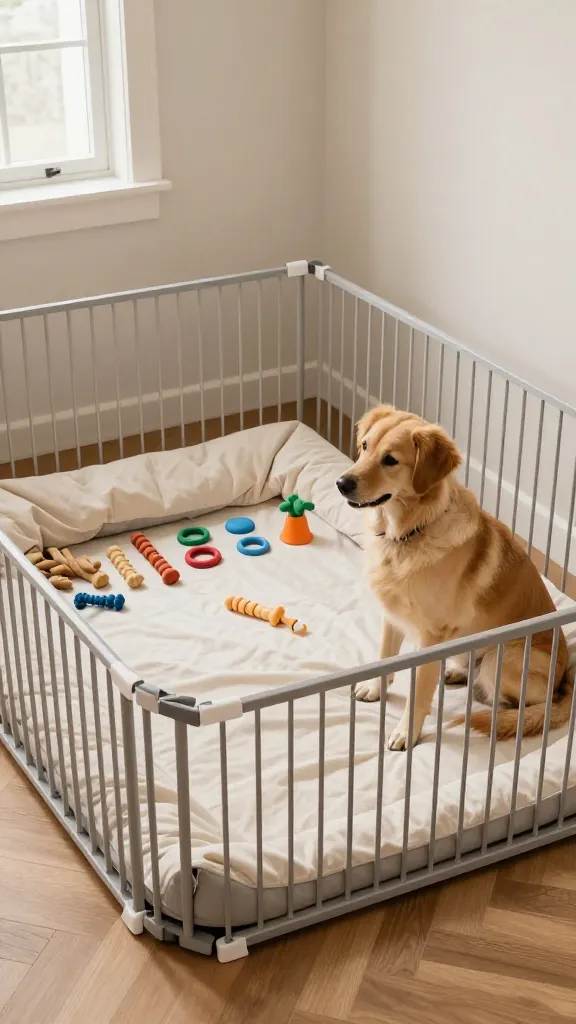
Your dog is not a toy shredder on purpose—they’re a curious, teething furball who needs proper outlets. Create a dedicated space full of approved chews that satisfy their instincts and protect your belongings.
Why this is awesome: it reduces frustrated chewing and redirects energy to safe options. FYI, consistency is everything here.
- Choose durable chews appropriate for your dog’s size and strength
- Provide a mix of long-lasting and quick-chew options
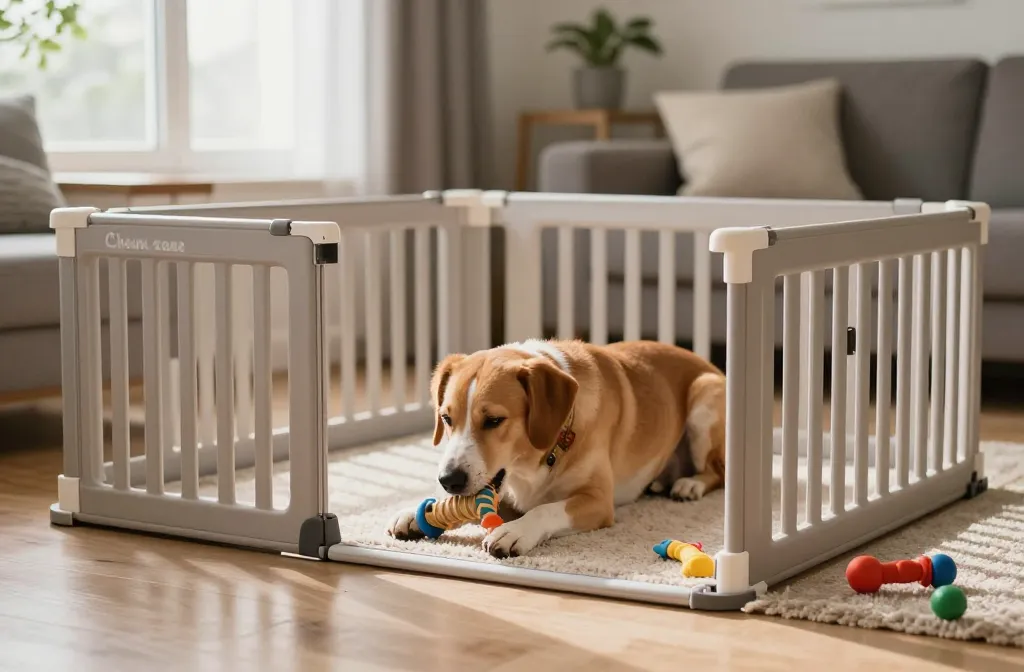
- Use a crate, baby gates, or playpen to confine access during peak chewing times
Benefits appear quickly when your pup learns where to chew and where not to. Start today and watch mischief drop off the map.
2. Short, Sweet Training Sessions That Build Habits
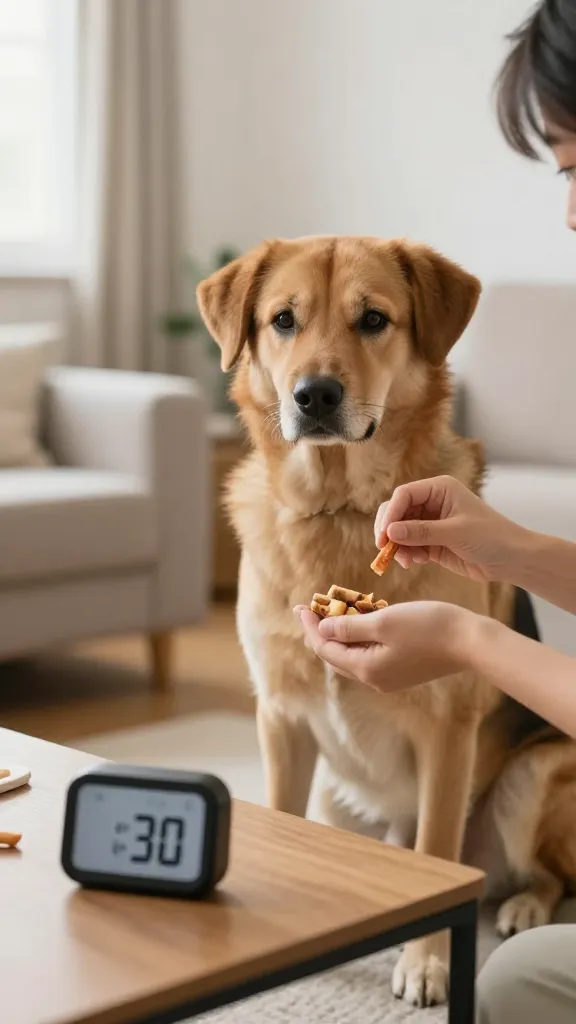
Training isn’t just for tricks—it’s a chew prevention powerhouse. Short, frequent sessions teach impulse control and help your dog understand boundaries.
Why this is awesome: it builds a strong connection between you and your pup while lowering chewing cravings. Trust me, consistency over intensity wins.
Key Points:
- Use simple commands like “Leave it” and “Take it” with real rewards
- Keep sessions 3–5 minutes, several times a day
- End on a positive note with a tasty, approved chew
When you train with intention, your dog learns to pause before mouthing furniture or cords. It’s charmingly boring in the best way.
3. Puzzle Toys: Brain Candy That Steals the Show
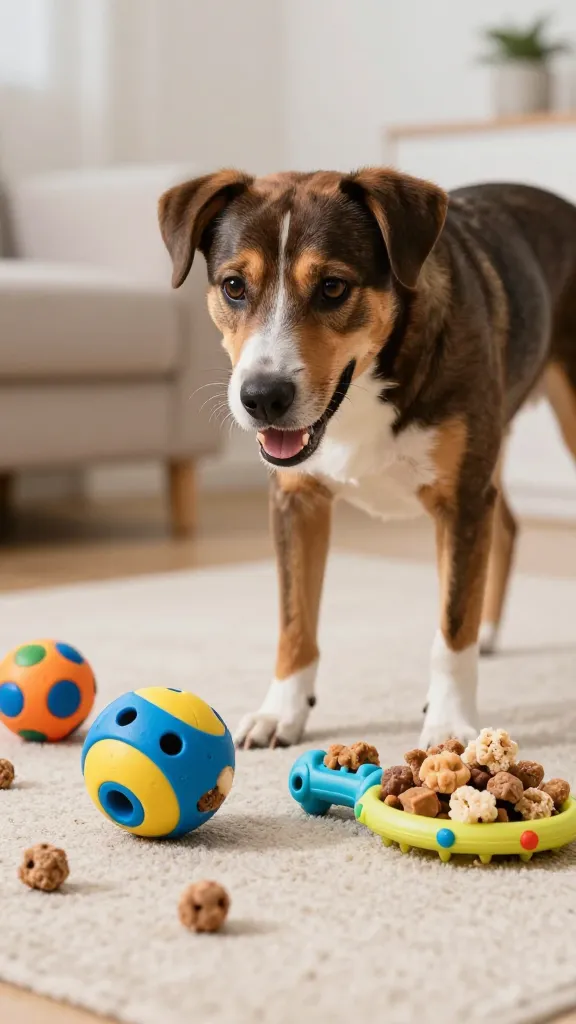
Puzzle toys are the secret sauce for busy dogs who chew out of boredom. They challenge the brain and reward persistence with tasty goodness.
Why this is awesome: mental stimulation reduces destructive chewing and keeps teeth busy in a healthy way. IMO, these toys are worth their weight in treats.
Smart Picks:
- Treat-dispensing balls that roll and wobble
- Kong-style hard rubber toys stuffed with soft filler
- Interactive puzzle feeders you can fill with dog-safe snacks
Rotate toys to keep things fresh and surprising. Seriously, your pup will be obsessed for a while with the right challenge.
4. Gentle Deterrents: Redirect, Don’t Punish
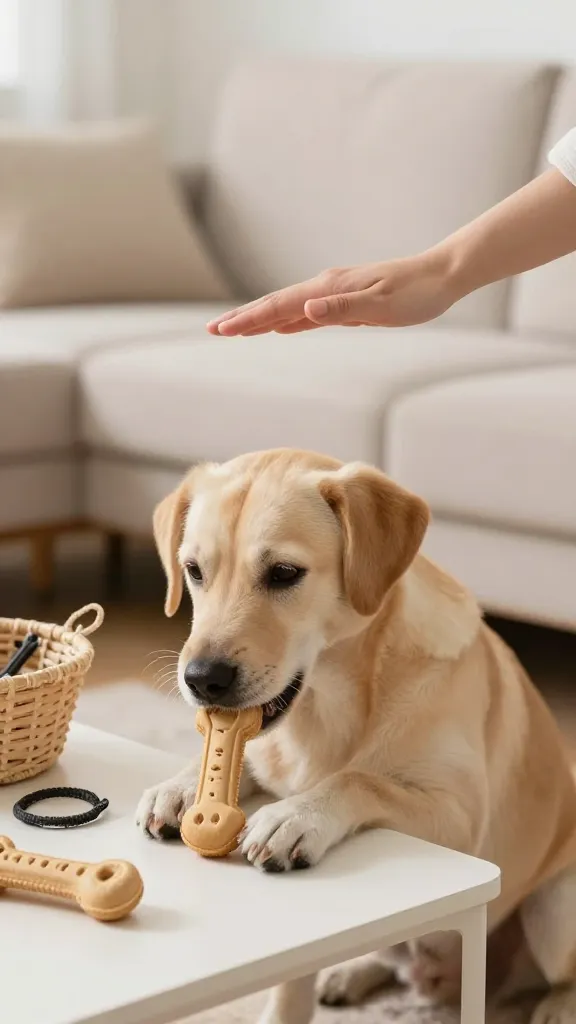
When you catch chewing in the act, redirect with a calm cue and a tasty alternative. Avoid scolding—the goal is to guide, not to scare.
Why this is awesome: it creates clear, repeatable signals that your dog can learn from without fear. FYI, consistency matters more than intensity here.
Tips for Success:
- Offer an approved chew the moment you say “Take it”
- Hide tempting items (shoelaces, cords) and replace with safer options
- Use bitter sprays only on items you can re-home (not your dog’s favorite toy)
In the end, your home remains intact and your dog feels guided, not scolded. It’s a win-win when you keep it positive.
5. Exercise: Tire Them Out Before They Go Rogue
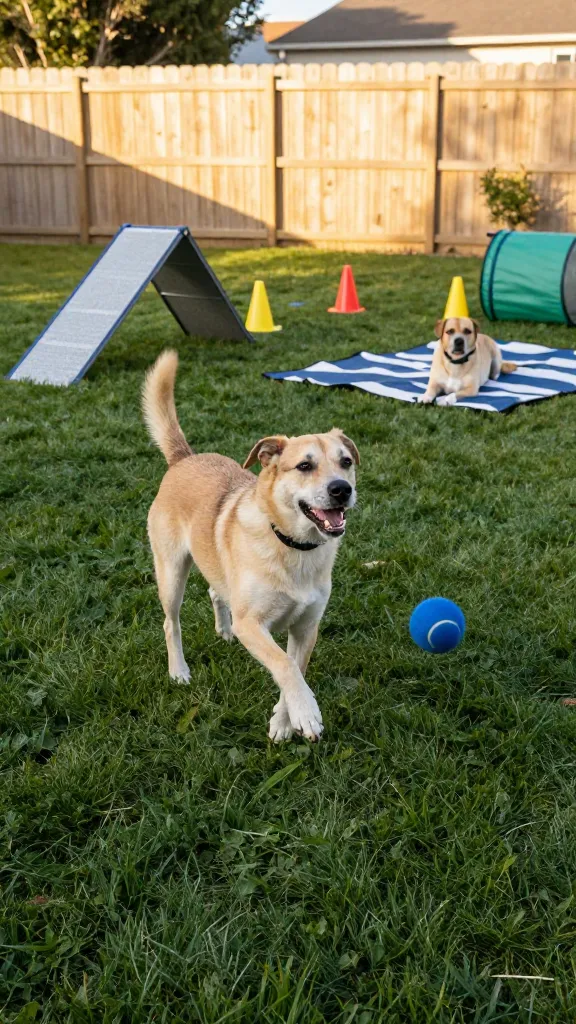
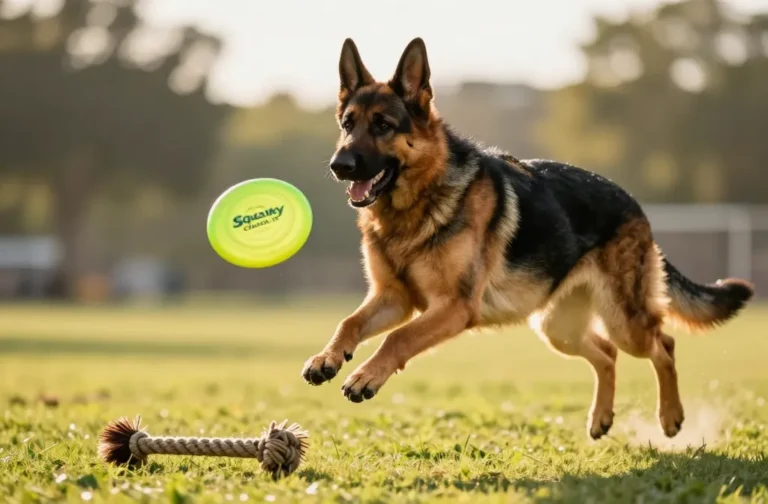
Chewing often spikes when a dog has excess energy. A well-timed walk, run, or play session can dramatically cut down the gnawing.
Why this is awesome: physical exertion lowers anxiety, boredom, and the urge to chew on items that aren’t meant for teeth. Seriously, a tired pup is a good pup.
Simple Plan:
- Daily walks plus a mid-day active play session
- Includes ramp-ups: fetch, tug, or agility basics
- End with a calm cooldown and a chew treat
Use a schedule that fits your routine, and watch chewing incidents dwindle as your dog channels energy into appropriate outlets.
6. Make Your Home Chew-Proof Without Losing Your Mind
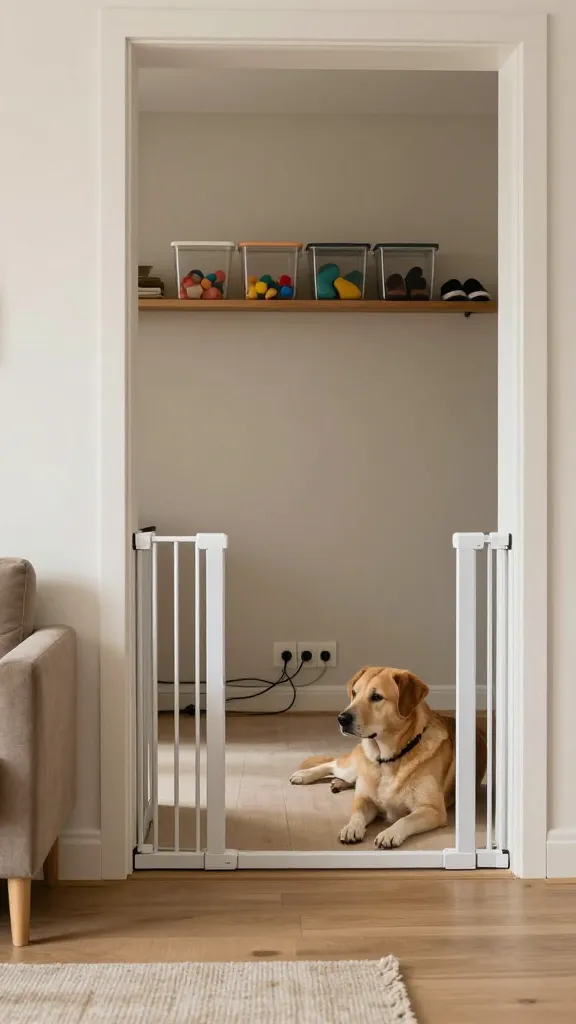
Small changes add up. A few clever hacks can dramatically reduce what your pup can reach or damage.
Why this is awesome: it minimizes accidental gnaws and buys you time to implement other strategies. IMO, cheap protection pays off big time.
Practical Hacks:
- Cordon off furniture or use baby gates in high-temptation rooms
- Hide cords behind furniture or use cable management sleeves
- Store toys and shoes properly in closed containers
When your space is safer, you’ll feel less stressed and your pup will have clear choices about what to chew. It’s like giving them a map to better behavior.
7. Vet-Checked Teething and Health Clues: Rule Out Pain First

Sometimes chewing is a sign of discomfort or dental issues. A quick vet check helps ensure it’s not something painful driving the behavior.
Why this is awesome: addressing underlying health concerns makes every other trick more effective. Trust me, the relief for both of you is real.
What to Look For:
- Gums that are red, swollen, or bleeding
- Reduced appetite or fever alongside chewing
- Increased drooling or reluctance to chew softer treats
If your vet clears health issues, you’ll have a clean slate to implement the seven strategies with confidence.
Conclusion: You’re equipped to turn chew-chase chaos into calm, confident chewing choices. Start with one or two ideas, keep it light, and watch your dog grow into a well-behaved buddy who happily chooses the right things to chew. You’ve got this—go be amazing.