5 Potty Training Puppy with Bell Tips That Work That Actually Clicks
Potty training a puppy can feel like chasing a tiny tornado, but these bell tips save you both from accidents and frustration. I’ll walk you through five solid, practical ideas that actually click with curious pups. FYI, consistency beats chaos every time.
1. Start With a Simple Bell Routine

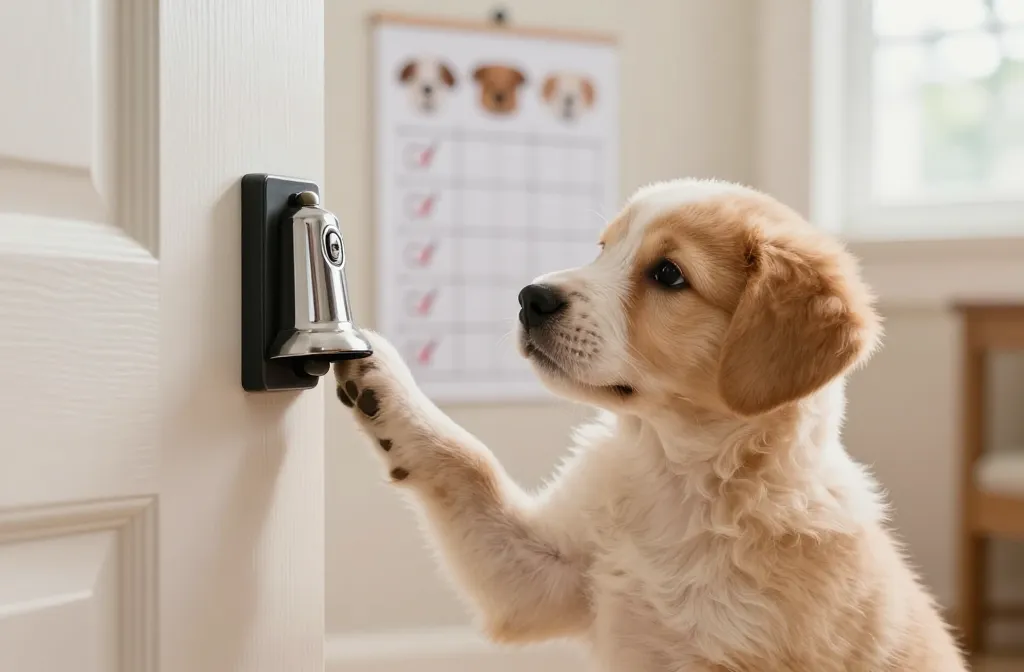
This idea is the foundation of success: a bell at the door signals go time. Your job is to make the signal irresistible and predictable for your pupper. It’s amazing how quickly they start linking the bell with bathroom breaks.
Why it works
- Creates a clear cue that the door means outdoors
- Reduces indoor misses by turning trips outside into a game the pup can win
- Gives you a concrete action to reinforce during training sessions
Start by teaching the pup to touch the bell with their nose or paw, then gradually require a bell ring before you actually open the door. Keep sessions short, playful, and end on a successful note. Seriously, consistency is everything here.
When to use: every potty request, right at the door, especially during the first two weeks of bell training.
2. Pair the Bell With a Potty Chart (Yes, It’s Cute And Useful)

A little chart on the wall can turn chaos into a routine with minimal effort. A quick tally next to a big puppy face makes you both smile and stay accountable. This is where you can celebrate tiny wins and spot patterns fast.
How to set it up
- Place the chart near the door and bell
- Mark a check every time the bell gets rung and potty happens outside
- Add a star sticker for every successful outdoor portion of the day
Benefits? You’ll notice the times when accidents peak and you can tweak the schedule. Trust me, this is the kind of visual cue that saves you from the “I think he’s got it, maybe not” vibe.
When to use: during the first 2–3 weeks of bell training, or anytime you need a quick motivator for you and your pup.
3. Time It Right: Consistency beats Guesswork

Timing matters more than you think. Take note of when your pup tends to need a bathroom break—morning snuggles, after meals, post-play sessions. Create a predictable pattern and honor it with the bell.
Tips for perfect timing
- Offer the bell cue at regular intervals (every 30–60 minutes, adjust as needed)
- Never punish accidents; instead, reinforce the bell prompt during the right moments
- Keep trips outdoors short and rewarding to build a positive association
Consistent timing reduces confusion and speeds up the training. FYI, your puppy will start waiting by the door like a tiny furry clock. It’s adorable and incredibly functional.
When to use: any time you’re building the routine or troubleshooting regressions.
4. Make It a Positive, Fun Habit With Rewards

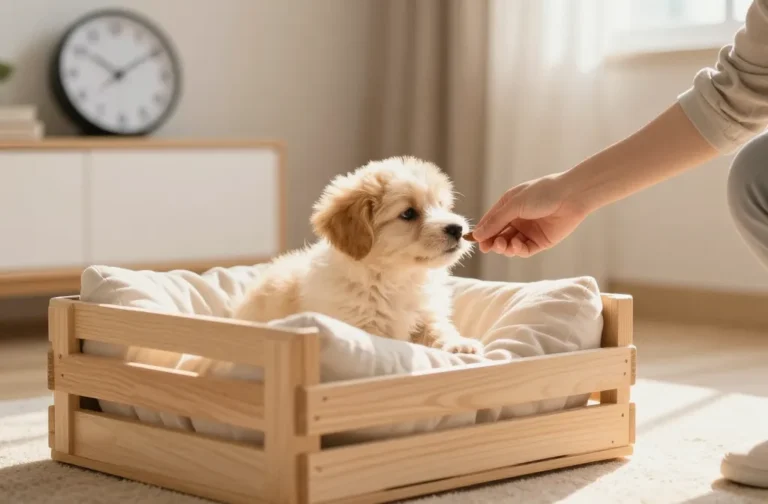
Rewards turn chores into play. The moment your pup hits the bell or completes a potty outside, offer a tasty treat and a bunch of praise. The goal is to create a positive association with the bell and the outdoors.
Smart reward ideas
- Small, high-value treats that you only use for potty time
- Gentle desserts like a frozen banana piece after a successful outdoor potty
- Verbal cheers and a quick clap to boost confidence
Balance is key: keep rewards consistent but not excessive, so the bell remains a reliable cue rather than a bribe. This strategy helps the puppy connect the doorbell moment with a happy ending every time. Honestly, you’ll be amazed at how fast they light up when they hear the bell.
When to use: every time the pup uses the bell and goes potty outside, especially during the early learning phase.
5. Troubleshooting: What To Do If It Stalls

Not every day is a victory parade, and that’s okay. If progress stalls, switch up the routine a bit: different door positions, new bell placement, or a slightly revised reward. You’ll rediscover momentum without drama.
Common bumps and fixes
- Puppy ignores the bell: move the bell closer to play or feeding area for a few days, then move it back
- Accidents occur after bell ringing: practice extra short outdoor sessions and reinforce success with big praise
- Bell training feels slow: add brief, 5-minute practice blocks at consistent times daily
Benefits of sticking with it include fewer indoor accidents, stronger communication with your pup, and a cleaner home overall. This approach also scales with puppy growth—what works for a tiny pup will still help as they become a confident, well-trained dog.
When to use: anytime you feel the training losing steam or you’re about to switch routines.
Training a puppy to use a bell for potty breaks is a fun, doable project that pays off big. Imagine fewer messes, happier mornings, and a dog who actually signals when they need to go. Seriously, trust me—this is one of those small changes that makes a huge difference.
Ready to get started? Grab a bell, a few treats, and your best supportive vibe. You’ve got this, and your pup will thank you with wagging tails and lots of kisses.