
5 Tips to Stop Dog Barking Fast: Quick Calm Hacks
Dog barking driving you nuts? You’re not alone. These five tips are practical, friendly, and proven to calm the chaos fast. Let’s get your pup and your sanity back in sync.
1. Pinpoint the Trigger and Quick-Fix the Noise

Understanding what sparks the bark is half the battle. When you know the trigger, you can shut it down before it escalates. FYI, most barks come from frustration, fear, or attention-seeking, not malice.
Key Points
- Observe at different times of day to spot patterns
- Note whether triggers are external (passersby) or internal (boredom)
- Record a 10-second clip to review later
With a clear trigger map, you can intervene earlier and reduce long barks. Start today and watch the quiet grow softer. Trust me, this tiny step pays big dividends.
2. Create a Calm, Controllable Environment

A serene space minimizes barking by removing the spark that lights it. You want your dog to feel safe and occupied, not alert-ready at every rustle outside.
Strategies
- Darken rooms or use white noise to mask street sounds
- Provide a comfy den or crate with a familiar toy
- Playtime before quiet time to burn energy
Crafting a sanctuary helps your pup self-regulate. It’s like giving them a cozy retreat where they can reset. This approach reduces reactive barking and boosts overall mood.
3. Teach a Simple, Powerful “Quiet” Cue

Training a reliable cue gives you control in the moment, not after the fact. A well-timed “quiet” can transform barking from a chaotic chorus into a manageable, one-bounce moment.
How to Do It
- Let your dog bark once or twice, then say “Quiet” in a calm, firm tone
- When they stop, reward with a treat and praise
- Repeat daily in short sessions
Consistency is everything. Short, frequent practice beats long, sporadic sessions. Pretty soon, your dog will quit barking on cue and you’ll feel like you’ve got a secret superpower.
4. Boost Mental and Physical Stimulation

Boredom is the universal bark-builder. If your dog’s brain and body are tired from a day of activity, you’ll see fewer impulse barks and more chill vibes.
Smart Ideas
- Brain games: treat-dispensing toys, puzzle feeders
- Two 10- to 15-minute training sessions daily
- Rotate toys to maintain novelty
Even a small dose of enrichment can deflate the urge to bark. When the dog is engaged, you’ll notice a calmer, more balanced pup. Seriously, this one changes evenings around the house.
5. Consistent Boundaries and Social Practice
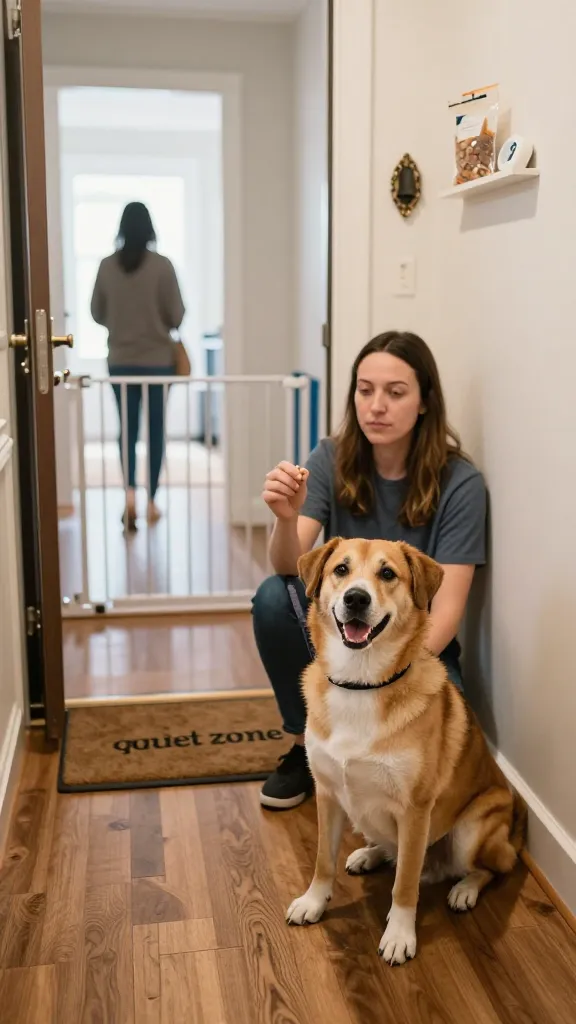
Consistency is the backbone of behavioral change. Clear boundaries plus regular social experiences help your dog learn what’s acceptable and what’s not, reducing stress-induced barks.
Practical Boundaries
- Set a leash-friendly “quiet zone” near doors
- Limit exposure to triggers gradually, not all at once
- Provide calm greetings after training, not high-energy antics
Social exposure should be gradual and positive. You want your dog to handle doorbell moments, street noise, and visitors without turning into a barking machine. If you do it right, you’ll both sleep better at night.
Want a quick recap of why these work? Pinpoint triggers, craft a calm space, teach a reliable cue, add enrichment, and enforce steady boundaries. It’s practical, it’s doable, and it’s actually fun once you get the hang of it. IMO, you’ve got this—your dog will thank you with more cute, quiet moments.
Conclusion: You’re tackling barking from all angles, not just slapping a band-aid on it. Start with these five steps, stay consistent, and you’ll feel the difference in days, not weeks. This is your moment to reclaim peace and enjoy your pup’s best, most chill version.