5 Labrador Retriever Training Tips for Better Behavior You Can Use Today
These tips are practical, friendly, and repeatable. You’ll see results faster than you think when your pup stays engaged and happy. Let’s dive into simple changes that make a big difference.
1. Nail Down Consistent Cues That Stick

Consistency is the secret sauce. Labradors respond best when the rules are crystal clear and repeated with the same word every time. No mix-and-match cue chaos—your pup will thank you with better focus and fewer wild zoomies.
Start with a simple set of cues and a reliable leash routine. FYI, your voice matters as much as your leash work here.
Key Points
- Choose 3 core cues (sit, stay, come) and use identical words every time
- Practice in short, 5-minute sessions daily
- Reward immediately with praise and a treat or toy
Consistency creates a behavior map your dog can read. When your Lab knows what “sit” means in every room, you’ll both save time and frustration.
2. Channel Energy with Structured Play and Exercise
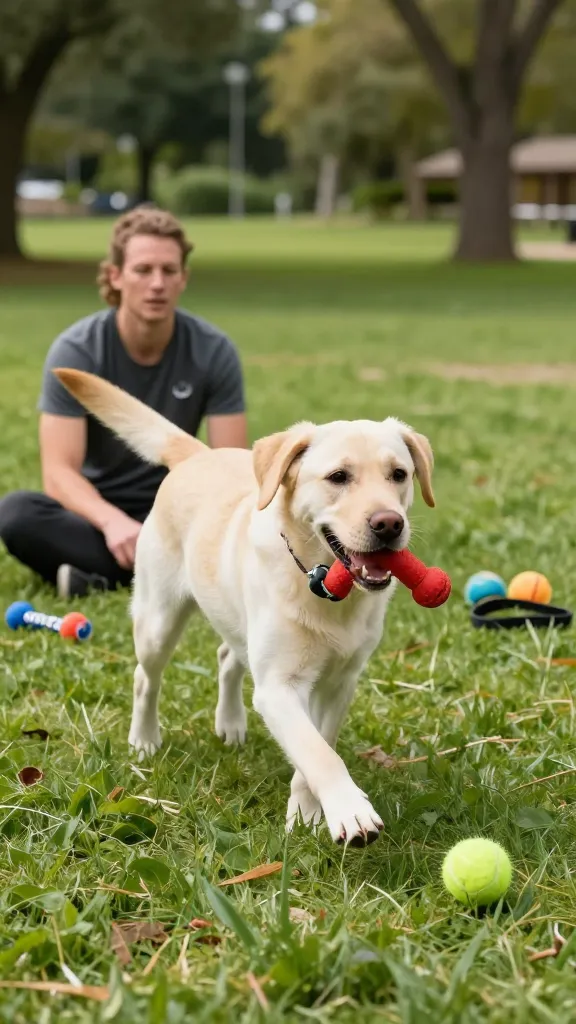
Labs are energy sponges, and excess energy often translates to mischief. A deliberate mix of cardio, mental stimulation, and short training bursts keeps them balanced and less likely to seek chaos.
Ask yourself: is your pup bored or overstimulated after a long day? The answer guides your plan. Seriously, a tired dog is a good dog.
Tips
- Two 15-minute training play sessions daily
- Rotate toys to keep novelty high
- End sessions with a successful behavior to boost confidence
Benefits show up in calmer evenings, shorter leash pulls, and a happier pup who actually wants to train with you.
3. Teach Impulse Control with Smart Delays
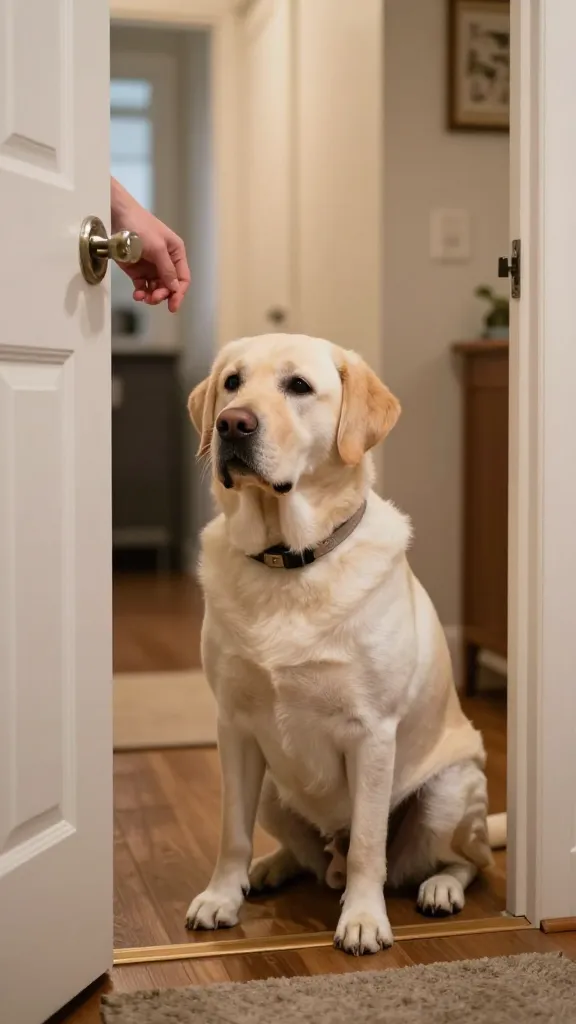
Impulse control is a backbone of good behavior. Teaching your Lab to pause before reacting helps in doors, car rides, or greeting guests. The trick is to add a tiny delay that grows over time.
Think of it as the “tiny pause” that stops nip-prone moments in their tracks. It’s charming and effective, not robotic.
How To Do It
- Use a “wait” cue at doors and before meals
- Gradually increase the time from 1 second to 5–10 seconds
- Reward when they stay calm during the pause
End result: a more predictable pup who doesn’t bolt for every visitor or snack on the floor the moment you turn around.
4. Leash Training That Feels Like Play
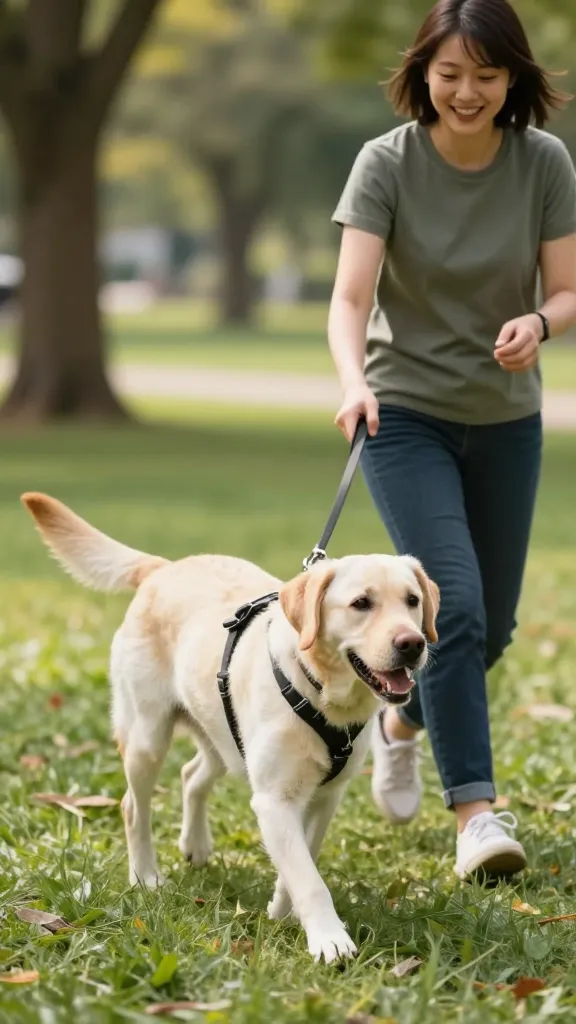
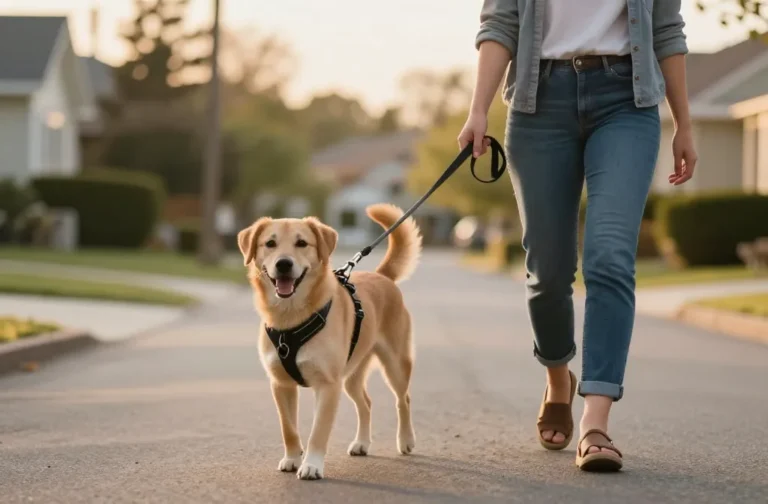
A well-behaved walk sets the tone for every other training session. Labrador tails wag, but a controlled, enjoyable stroll makes life better for both of you. Make leash steps feel like a game, not a chore.
When you have a plan, walks become the highlight of the day rather than a source of stress. Trust me, your shoulders will thank you.
Practical Steps
- Use a front-clip harness to reduce pulling
- Stop-and-go method: stop for 2–3 seconds when tension appears, then resume
- Reward calm walking with treats and a happy voice
With practice, your Lab learns that staying near you equals more fun, not more work. This anchors better behavior at home too.
5. Practice Real-Life Scenarios with Short, Fun Sessions
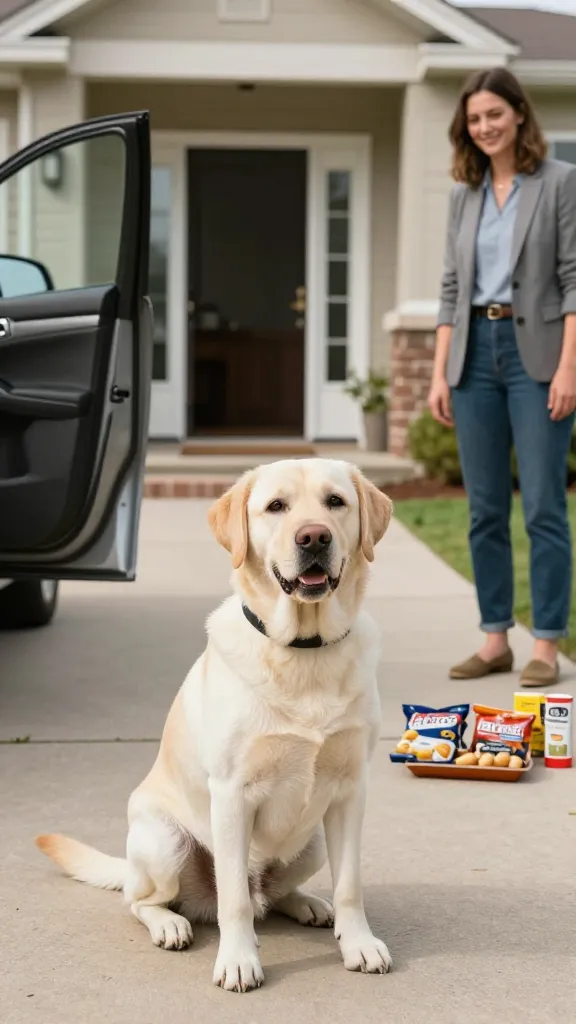
Mock real-life moments—grocery trips, visitors, or car rides—inside a controlled environment. Short, frequent practice helps your Lab generalize good behavior beyond the living room.
Think of it as a mini drive-through training day: quick, varied, and rewarding. IMO, these micro-sessions beat long, boring drills any day.
What to Focus On
- Greeting manners with guests: sit, stay, then approach
- Leave it when you see tempting kitchen items
- Calm entry/exit from the car
End with a win: a calm face, a wagging tail, and a tidy leash. The added confidence translates to everyday life, from the park to the vet.
Imagine your Lab responding predictably in more situations, not just supervised training times. These five tips build a solid foundation you can tweak as your dog grows and your routine shifts. Trust me, consistency plus fun equals behavior you’ll actually enjoy.
Ready to get started? Pick one tip to try this week and notice the difference in your daily interactions with your Lab. You’ve got this, and your pup is rooting for you too.