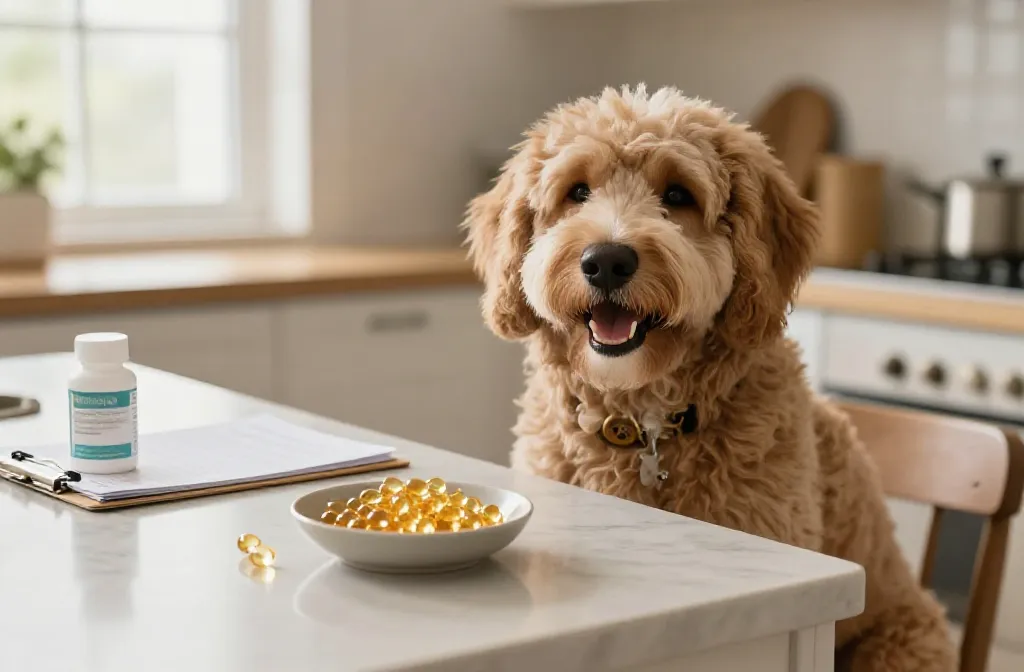
4 Natural Remedies for Dog Allergies to Discuss with Your Vet That Work
If your pup is itching, scratching, or sneezing, you’re not imagining it—dog allergies are real. These four natural remedies can work as tasty conversation starters with your vet and may reduce discomfort without turning your living room into a science fair. Let’s dive in and find your pup some relief, pronto.
1. Omega-3 Fatty Acids: The Soothing Superfood for Skin and Coat
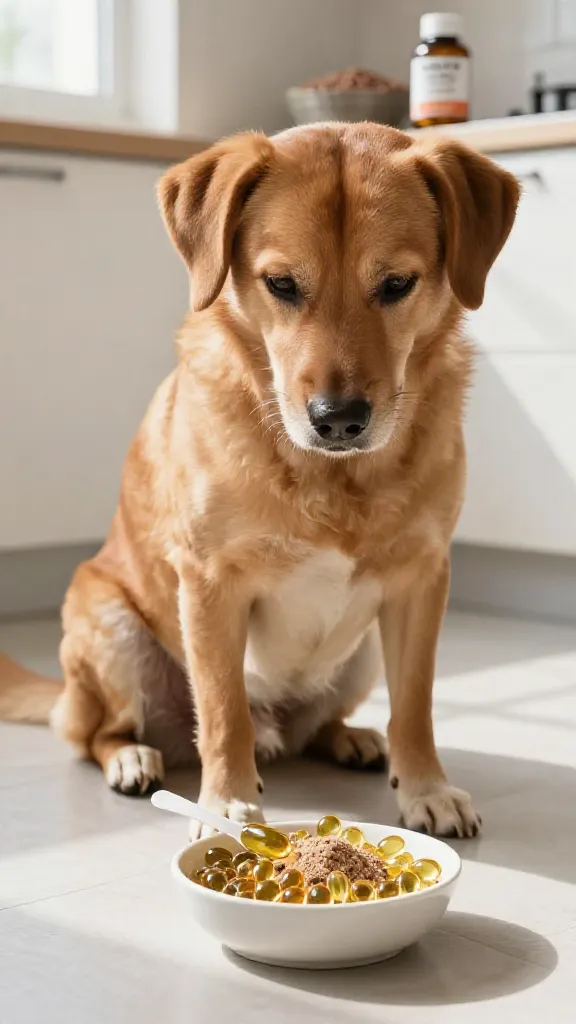
Omega-3s aren’t just nice for humans; they can help dogs rebuild a happy, bouncy coat and calm itchy skin. This is one of those remedies that’s actually tasty and easy to add to meal times, so your pup won’t protest too much.
Why it’s awesome
Omega-3s help reduce inflammation and support skin barrier function. When the skin barrier is healthier, fewer allergens sneak in and cause flare-ups. FYI, not all supplements are created equal—quality matters, and your vet can guide you.
Key Points
- Look for high-purity sources like fish oil or Algal oil for dogs with fish allergies.
- Typical dose ranges from 1,000–2,000 mg of combined EPA/DHA per 10 pounds of body weight daily—but follow your vet’s exact guidance.
- Choose enteric-coated or liquid forms to improve palatability and absorption.
In practice, mix the recommended dose into a meal or a favorite treat. Your pup might not even notice, and you’ll notice the difference in skin health over weeks. Seriously, patience pays here.
2. Probiotics: Support Your Pup’s Gut, Support Their Immune System
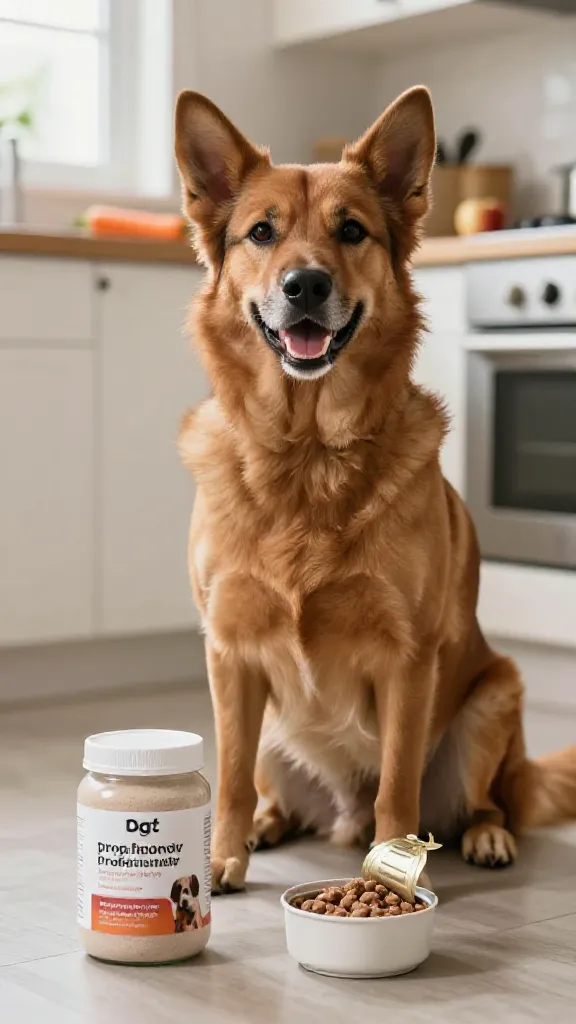
Gut health is immune health, and a happy gut can mean fewer allergy flares. Probiotics are a simple, approachable tool that can live in your pup’s food and keep things balanced when environmental allergens start buzzing around.
Why it’s awesome
When gut flora is balanced, inflammatory responses often ease up. This can translate to less scratching, better stool consistency, and a calmer, perkier pup overall.
Tips and Tricks
- Choose a probiotic labeled for dogs with multiple strains and proven CFUs per serving.
- Start with a small amount and monitor for changes in stool, appetite, and energy.
- Consult with your vet if your dog has a history of pancreatitis or other gut issues.
Probiotics are a “set-it-and-check-back” kind of tool. Give it a few weeks to see noticeable benefits, and keep a little diary of mood and itching levels. Trust me, data helps when discussing results with your vet.
3. Local Honey or Bee Products: A Gentle Allergy-Management Experiment
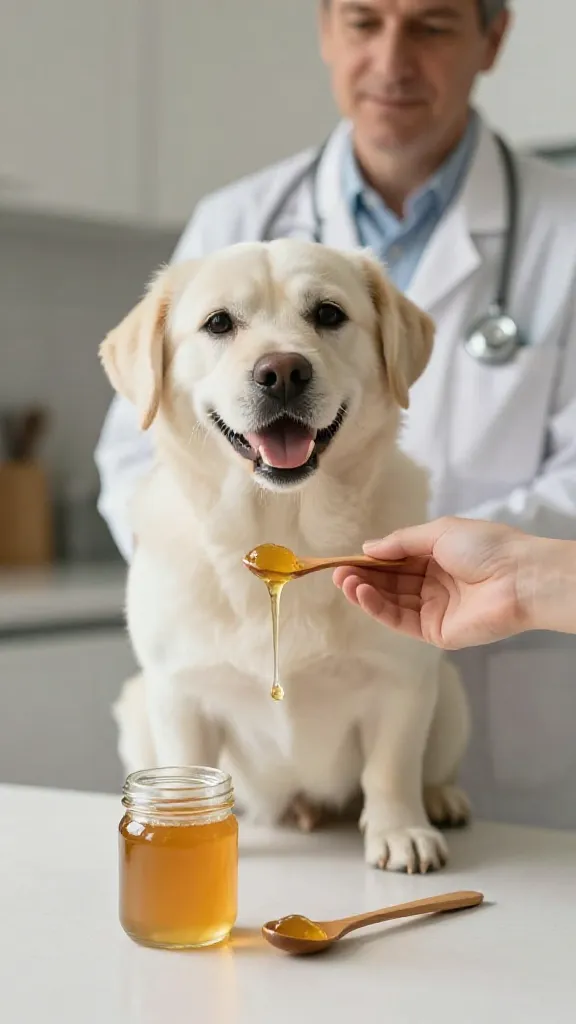
Local honey is a polarizing topic, but many dog owners swear by it as a gentle way to introduce minimal local pollen exposure. If your vet gives the thumbs-up, it can be a fun, tasty addition to your routine.
Why it’s awesome
The idea is to train the immune system to tolerate local allergens, potentially reducing reactions to pollen and environmental particles. It’s not a miracle cure, but it can be a supportive measure alongside other strategies.
How to use it
- Offer a small, measured amount daily or every other day as a treat or mixed into food.
- Choose raw, unprocessed honey from a trusted source; avoid anything with added sugar or fillers.
- Limit to a few weeks at a time and observe any changes in itching or digestion.
Important: Do not give honey to puppies under one year old or dogs with diabetes unless your vet approves. If your dog shows signs of an allergic reaction, stop immediately and call your vet—FYI, audio-visual notes help your appointment go smoother.
4. Topical Relief and Skin Care: Gentle Touches That Calm Irritation
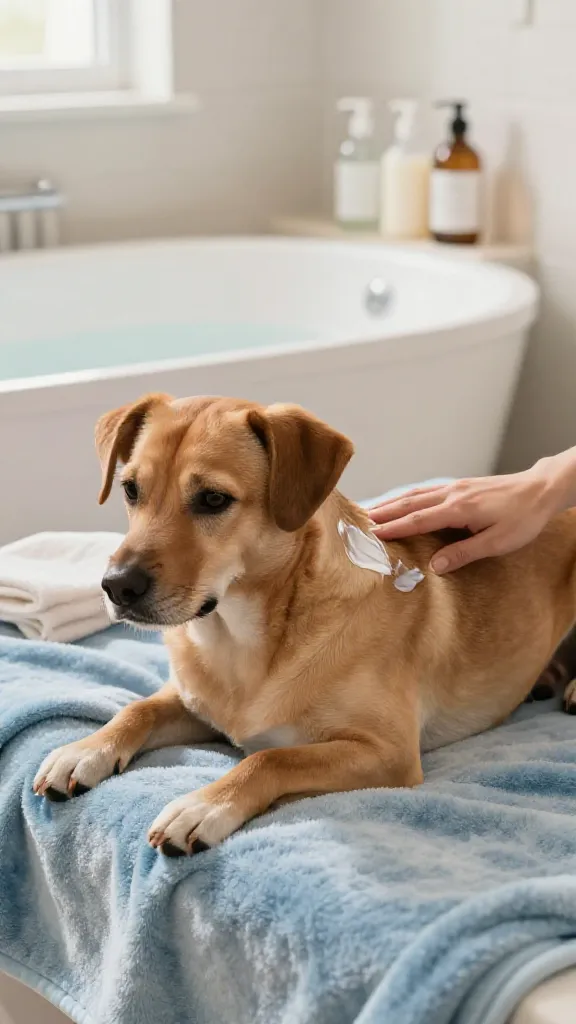
Sometimes the best remedy is a spa day for your pup. Gentle topicals, soothing baths, and skin-friendly routines can reduce itching and create a barrier against irritants. This one is all about consistent care with a human touch that feels comforting to your dog.
Why it’s awesome
Direct relief from scratching, licking, and redness can prevent secondary infections and help your dog feel more comfortable between vet visits. A calm, cleaned coat plus a protective rinse can make a noticeable difference.
Practical steps
- Use a hypoallergenic, fragrance-free dog shampoo; avoid human shampoos, which can strip natural oils.
- Consider a mild oatmeal or colloidal oatmeal rinse for mild itchiness (always check with your vet first).
- Rinse thoroughly to remove residue that can irritate skin, then pat dry gently.
For those stubborn hotspots or areas of intense itching, you can consult your vet about additional options like medicated shampoos or specialized topical ointments. It’s all about finding a regimen that your pup actually enjoys and tolerates. Seriously, consistency is everything here.
In addition to these four remedies, remember these practical tips: maintain a clean living space, wash beds and toys regularly, and monitor seasonal changes that might spike allergies. If you notice coughing, wheezing, or severe skin reactions, contact your vet right away. An easy checklist can help you track progress and guide your vet conversation—after all, you’re building a team for your dog’s comfort.
Want a quick recap? Omega-3s and probiotics support internal balance and skin health, local honey can offer gentle allergen exposure if approved, and careful topical care provides immediate relief and protection. Plus, a little humor and patience go a long way in keeping your dog feeling loved.
So, what are you waiting for? Grab a calendar, mark a 6–8 week check-in with your vet, and start implementing these four ideas. Your pup will thank you with wagging tails and brighter eyes. Trust me, the difference can be pretty amazing.
For a happier, itch-free dog and a smoother vet visit, give these four natural remedies a try and keep the conversation going with your veterinarian. You’ve got this, and your dog will thank you with extra cuddles and confidence.