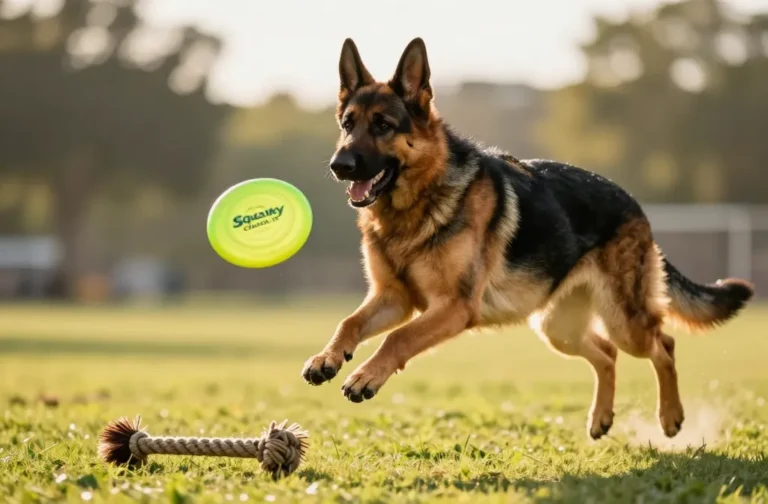
5 Tips on How to Train a Barking Dog for Calm, Quick Results
Want peace without crying into your coffee? These tips cut through the chaos and get results fast. No fluff, just practical moves that fit real life with a not-so-patient pup.
1. Set Clear Boundaries From Day One
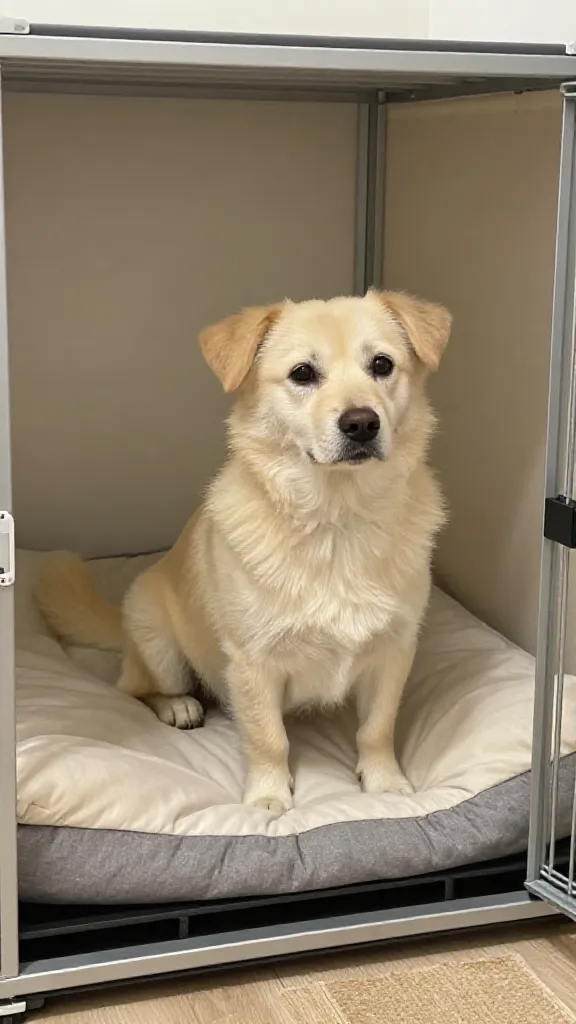
Consistency beats chaos when it comes to barking. Start by defining where your dog can be, when, and why they should quiet down. A clear routine makes stress melt away for both of you.
Key Points
- Designate a quiet space with a comfy bed or crate
- Use a predictable schedule for meals, walks, and play
- Mark the boundary with a simple cue like “Inside” or “Quiet”
Boundaries let your dog know what’s allowed and what isn’t, quickly reducing guesswork. FYI, consistency here pays dividends over time—be patient and steady.
2. Teach a Reliable “Quiet” Cue

The magic trick for barking is teaching a simple, confident cue that signals your dog to stop. It’s not magic; it’s practice, praise, and a little strategic timing.
How to Do It
- Wait for a brief pause in barking
- Say “Quiet” in a calm, firm voice
- Reward with a treat as soon as the dog stops
Keep sessions short but frequent. The goal is a crisp, stress-free response you can deploy on demand. Trust me, you’ll hear less yapping and more calm compliance with time.
3. Use Positive Reinforcement Instead of Punishments

Punishment can backfire, turning barking into a protective habit or a game. Positive reinforcement reshapes behavior by rewarding the quiet moments you actually want to see.
What to Reward
- Quiet moments during doorbell rings
- Calm lounging when guests arrive
- Good leash behavior on walks
Keep rewards quick and tasty, so your dog makes the association fast. IMO, this approach builds a trusting relationship and makes training enjoyable rather than nerve-wracking.
4. Manage Triggers Before They Start

Many dogs bark because they’re overwhelmed by specific stimuli: doorbells, the mail carrier, or popcorn popping in the microwave. Manage those triggers, and you’ll dramatically cut annoying outbursts.
Strategies That Help
- Close curtains to reduce visual stimuli
- Use white noise or a fan to mask sudden sounds
- Desensitize gradually: pair the trigger with treats at low intensity, then slowly increase
Implementing proactive management keeps your dog from having to react in the first place. It’s easier than playing catch-up after a full-blown bark-fest.
5. Create a Calming, Engaging Routine

Boredom is a sneaky culprit behind a lot of barking. A well-balanced day with mental and physical outlets keeps your pup tired in the best possible way—fictionally tired but actually content.
Elements That Make a Difference
- Short, frequent training sessions mixed with fun play
- Interactive puzzles or treat-dispensing toys
- Structured wind-down time with gentle affection
When your dog’s day is full of purpose, you’ll notice less unnecessary noise. Seriously, a happy, busy dog is a quieter dog—and a happier you.
Want some bonus tips? If you’re dealing with a particularly stubborn barker, consider consulting a professional trainer for tailored guidance. FYI, a few extra sessions can transform stubborn behavior into steady progress.
In short, these five moves create a practical playbook: set boundaries, cue quietness, reward the good, preempt triggers, and fill the day with purpose. Apply them consistently and you’ll be surprised by how quickly barking routine shifts.
Ready to try? Grab a calendar, pick a trigger, and start small—you’ve got this, and your dog will thank you with calmer days and happier vibes. Trust me, you’ll both sleep a little better tonight.