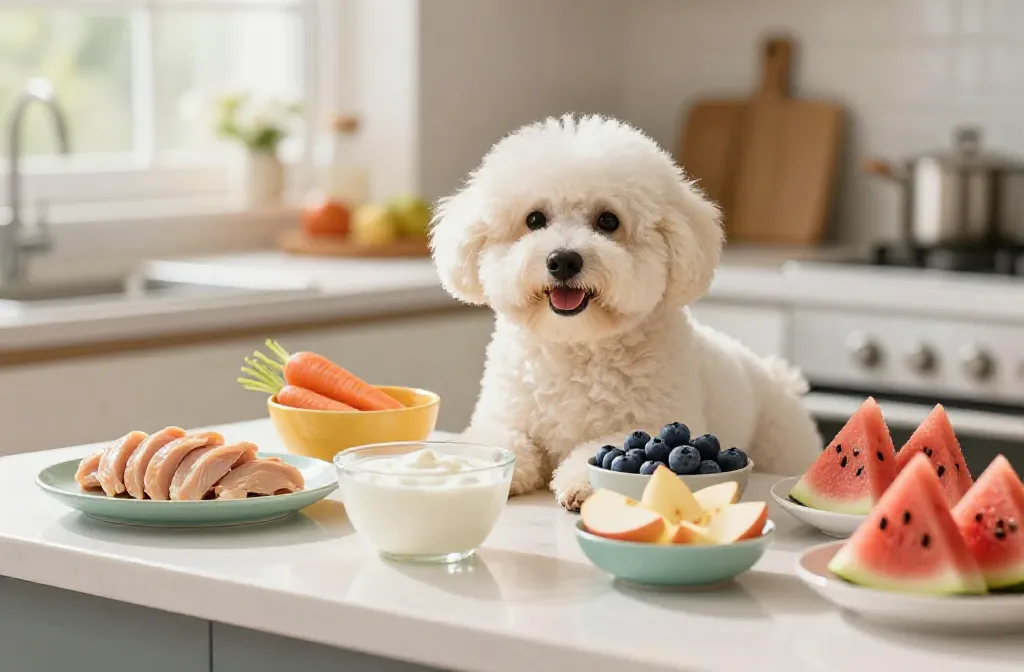
6 Tips on What Can Dogs Eat and Not Eat You Need Now
Short answer: some human foods are lifesavers, other foods are scary slippery slopes. Here’s a friendly, practical map that helps you feed confidently without turning mealtime into a mystery novel.
1. Safe Staples: The Go-To Human Foods Your Dog Can Enjoy
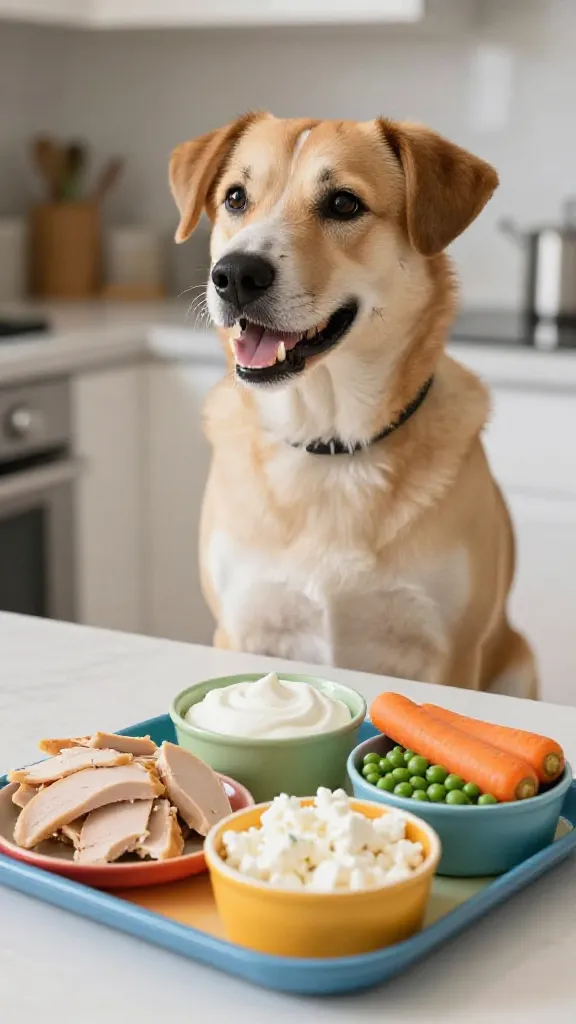
If you want tasty variety without the guilt, these staples are your best pals. They’re generally safe in sensible portions and add a burst of flavor to boring kibble.
Key points to remember:
- Cooked meat (unseasoned, boneless, skinless chicken or turkey)
- Plain yogurt or cottage cheese (in small amounts)
- Cooked vegetables like carrots, green beans, and peas
These items can transform a boring bowl into a tasty boost. FYI, always introduce new foods gradually to watch for tummy grumbles or allergies. Trust me, your pup will thank you with extra tail wags.
2. Fruits That Feel Like Treats, Not Time Bombs
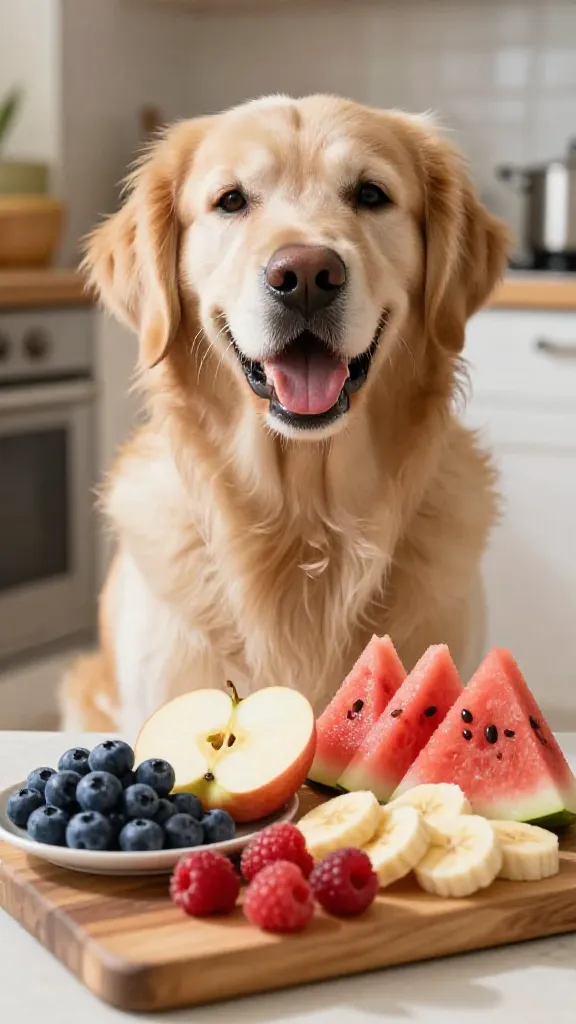
Fruit can be a delightful, saludable snack if you pick the right ones and keep portions modest. Sweet, juicy, and surprising for dogs who crave a nibble between fetch sessions.
What to consider:
- Blueberries, apples (cored and sliced), watermelon (seedless)
- Banana in small amounts, raspberries occasionally
- Always remove seeds and pits where applicable
Offer fruit as a tiny reward or a splurge on a hot day. If your dog shows digestive upset, dial back and stick to the basics. Seriously, moderation is your best friend here.
3. Proteins With Pawsitive Punch: Safe Proteins to Boost Dinner

Protein is core to a dog’s energy and mood. These options keep meals exciting while staying within safe boundaries. You’ll feel like a culinary wizard in the dog kitchen.
Recommended proteins:
- Plain, cooked eggs (no seasoning)
- Lean cooked beef or turkey
- Fish like salmon or sardines, cooked and deboned
Tips for success: avoid adding salt, sauces, or spicy seasonings. Keep portions reasonable and watch for allergies. Adding a protein boost can help picky eaters embrace their bowls again—trust me, it’s a game changer when your dog perks up at dinner.
4. Dangerous Delights: Foods to Steer Clear Of (And Why)
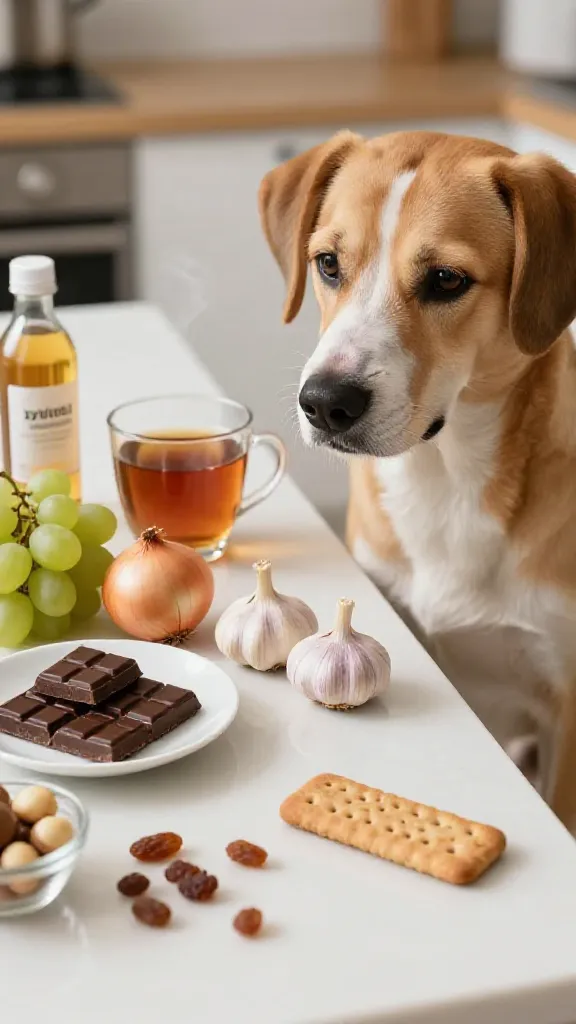
Some human foods feel harmless but can be seriously harmful to dogs. This section is your safety briefing, not a scare tactic. Better safe than sorry, right?
Common no-nos include:
- Chocolate, caffeine, and anything with theobromine
- Onions, garlic, chives (even powdered forms)
- Grapes and raisins, xylitol-containing products
- Alcohol, macadamia nuts, and very salty foods
If your pup accidentally munches one of these, monitor closely and call your vet if you see vomiting, weakness, tremors, or confusion. FYI, many cases come down to small amounts, but some dogs are more sensitive than others, so play it safe and avoid these entirely when possible.
5. Hidden Hazards in Everyday Foods: What Looks Harmless But Isn’t
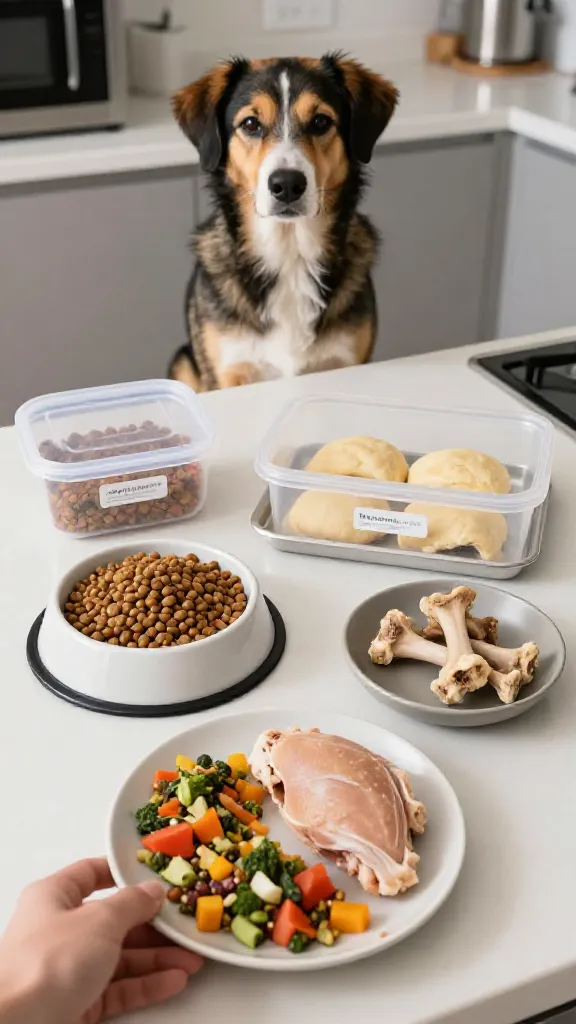
Some foods sneak in as “normal snacks” and cause big problems. The goal is to learn the red flags and keep the kitchen calm and friendly.
Watch out for:
- Raw dough that can expand in the stomach
- Bone fragments from cooked meat that can splinter
- High-fat leftovers that can trigger pancreatitis
Tip: always plate food in a doggie-safe way and avoid letting your dog scavenge from the table. It’s not just about safety—it also helps manage weight and digestion. Seriously, a little planning goes a long way here.
6. Practical Feeding Protocols: How to Put It All Into Real Life
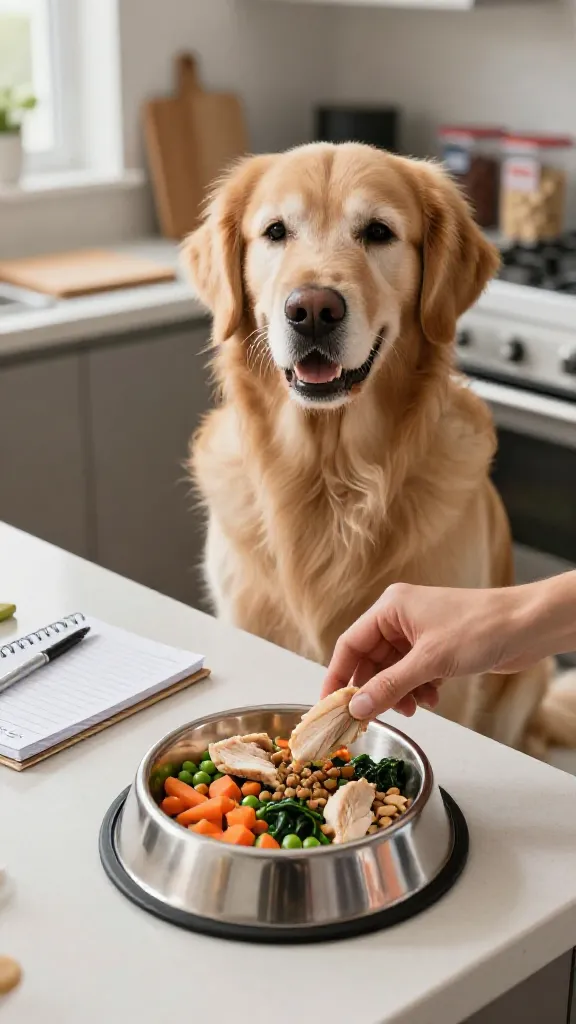
Now that you know the rules, here’s a simple, workable plan to keep meals consistent, healthy, and delicious for your furry roommate.
Plan of action:
- Start with a stable base of high-quality dog food
- Introduce one new safe item at a time, in small portions
- Keep a simple food diary to track favorite foods and any tummy trouble
Implementation tips: make batch-friendly batches of safe additions (like plain cooked chicken and veggies) to mix into kibble. This keeps meals exciting without turning dinner into a science experiment. IMO, consistency beats chaos, and your dog will settle in faster than you think.
Conclusion: You’ve got a friendly roadmap now. With the right choices, mealtimes become happier, calmer routines that support a healthy pup and a confident owner. Ready to try these ideas and see the wag in your dog’s step?