7 Ways to Stop Dog Chewing Everything: Quick Wins
Chewing is a dog thing, not a personality flaw—but your furniture deserves mercy. These seven moves are practical, friendly, and not boring. Let’s dive in and get your pup channeling all that energy into something safer and smarter.
1. Redirect with Engaging Chew Toys

Your dog wants to chew; give them something better. A well-chosen toy can curb cravings and save your couch from a world tour of teeth marks. FYI, variety keeps things interesting, so rotate options weekly.
Tips:
- Choose durable chew toys designed for strong jaws
- Look for textures that massage gums and keep teeth clean
- Stuffable toys with treats extend playtime and focus
What you gain is a focused, satisfied chewer who’s tired from the game, not your baseboard. Use these during peak chewing times and watch the problem melt away.
2. Create a Playful, Boredom-Busting Routine
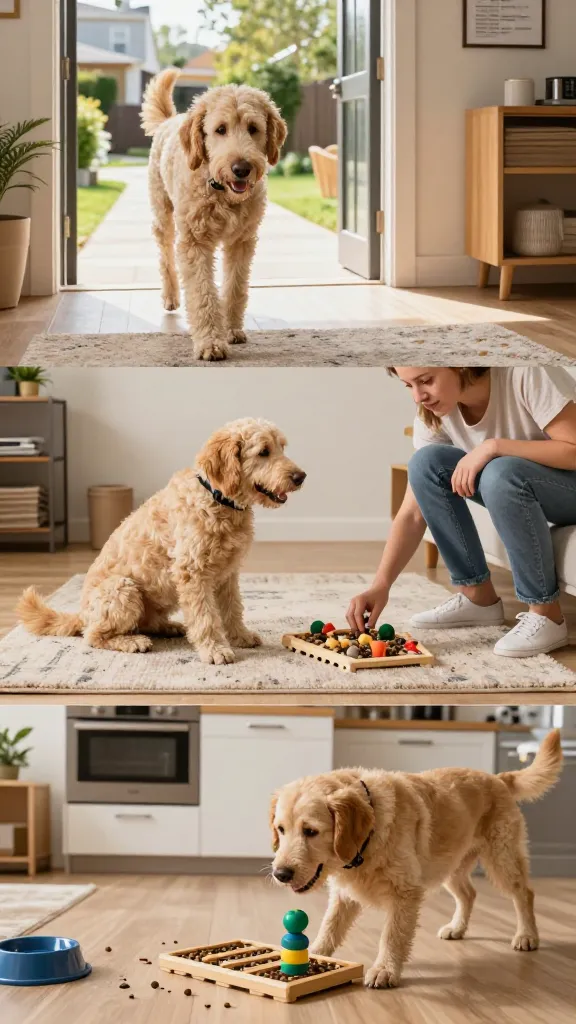
Dull dogs chew out of sheer boredom. A well-structured day channels energy into positive activities. Keep your pup mentally and physically tired, and chewing on the wrong things becomes a non-issue.
What to include:
- Structured walks with sniff breaks
- Two short training sessions to reinforce good behavior
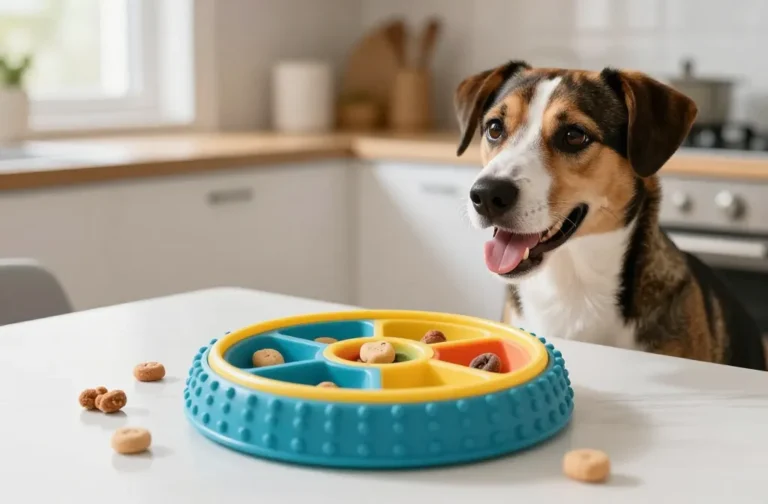
- Interactive puzzle feeders to slow meals
End result: a happier, calmer dog and far fewer impulse chews. If you’re stuck, try a 10-minute fetch session after lunch—trust me, it helps.
3. Use Bitter Sprays (Strategically) Without Overdoing It

Bitter sprays can deter chewing on furniture when applied correctly. They’re not magic, but they do buy you time while you train your pup to choose the right stuff.
How to use:
- Test on a small area first to check for staining
- Apply to non-edible surfaces only, like couch legs and trim
- Re-apply after cleaning or if the scent fades
Result? Your pup learns to associate the taste with “nope” and switches to their toys. FYI, combine this with redirection for best results, not just spraying and praying.
4. Design a Chew-Friendly Space with Safe Materials

Dedicated zones reduce chaos and carve out safe, chew-worthy outlets. A little planning goes a long way toward harmony.
What to consider:
- Rubber mats under play areas to protect floors
- Chew-safe furniture covers or slipcovers
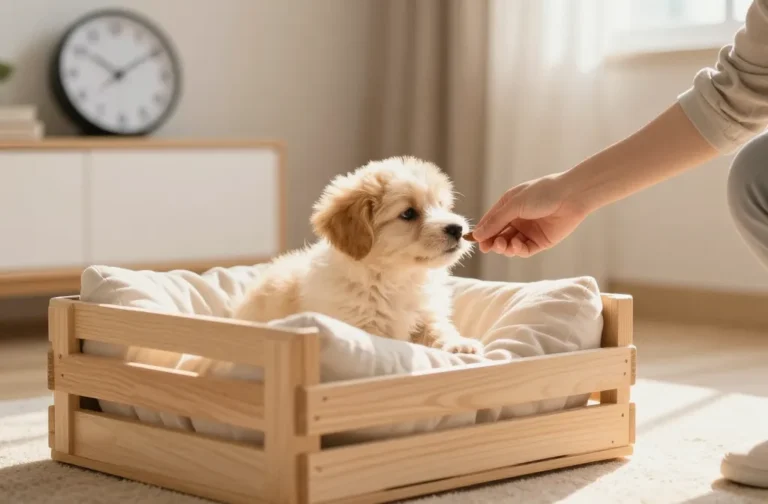
- Heavy-duty chew boxes or crates for containment when you’re away
Setting boundaries helps both of you breathe easier. When your pup knows where to chew, the rest of the house stays intact for you and your guests.
5. Reinforce Positive Chewing Behavior with Training
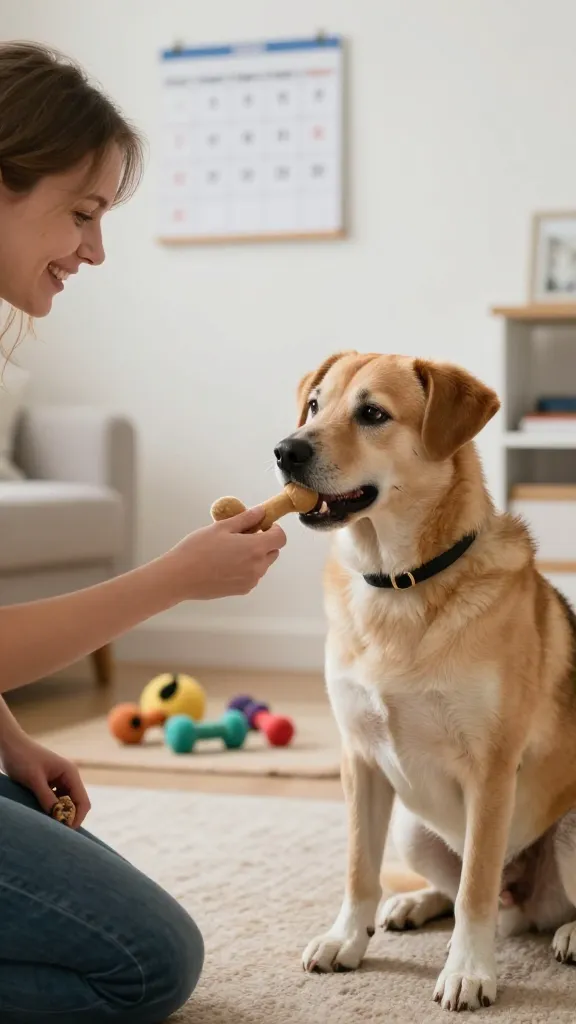
Training isn’t boring—it’s the secret weapon that makes everything click. You’ll shape a dog that chooses the right thing, every time.
Key Techniques:
- “Trade” command: offer a toy, then praise and reward
- “Leave it” to instantly halt undesired chewing
- Short, frequent sessions to build reliable responses
Consistency is king here. If you skip days, you’ll lose momentum. But if you show up, you’ll see a dramatic shift in days and weeks ahead.
6. Increase Supervision and Use Baby Gates Strategically

Smart supervision reduces the window for bad chewing and speeds up learning. Keep your pup where you can see them during the critical training window.
Practical setup:
- Baby gates to confine to chew-friendly rooms
- Crates used positively (never as punishment)
- Set up a “chew zone” with all the good stuff
Yes, it may feel a little toddler-ish, but it buys real learning time. The benefit is a confident dog who knows where to chew and when to settle down.
7. Prioritize Dental Health and Overall Wellness

Sometimes chewing is a sign that your dog wants more dental care or different nutrition. A healthy mouth and body can dramatically reduce destructive chewing.
Considerations:
- Vet-check for dental issues or dental pain
- Quality diet with appropriate chews and minerals
- Hydration and regular exercise supporting overall wellness
When your dog feels good, they chew less on your stuff and more on items designed for chewing. It’s a simple, practical win that benefits health and happiness.
Ready to test drive these ideas? Trust me, with a bit of practice and consistency, you’ll see your dog swap chaos for calm—and your furniture will thank you.
Conclusion: You’ve got this. Start small, stay consistent, and celebrate every tiny victory. Your dog will thank you with wagging tails and happier chew sessions that don’t involve your favorite chair.