7 Ways to Stop Dog From Jumping on People That Works Instantly
Jumping all over guests can be cute… and totally chaotic. These seven strategies keep the enthusiasm but channel it into friendly greetings. You’ll see calmer dogs, happier visitors, and fewer awkward moments. FYI, consistency is everything here.
1. Teach a Calm Greeting: Sit, Then Say Hi
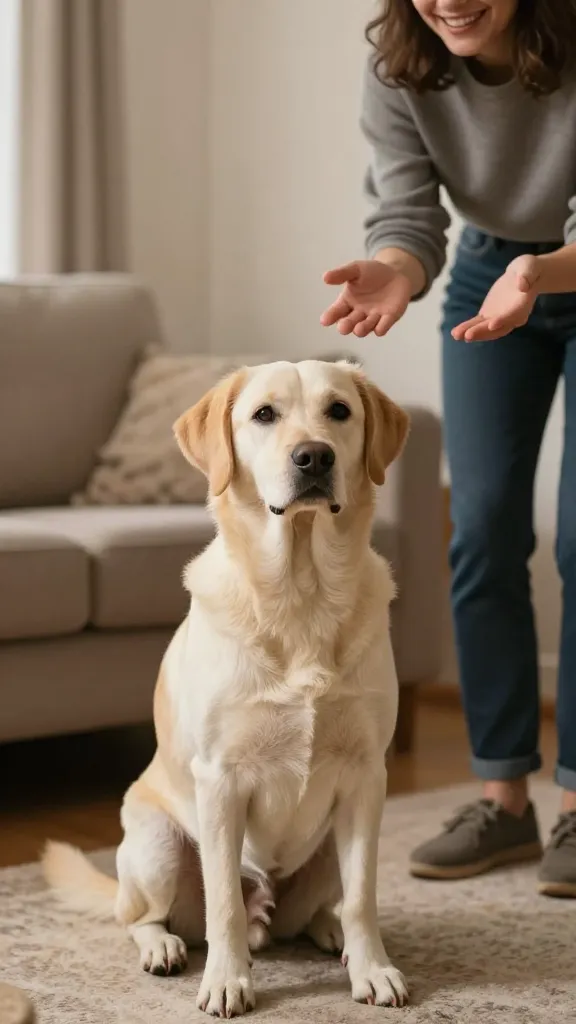
This idea is the backbone of the whole plan. A well-timed sit gives your dog a clear cue that greeting happens on a calm state. It’s simple, effective, and builds trust with visitors.
How to start
- Ask for a sit before anyone enters the room or approaches your dog.
- Use a friendly greeting once the dog is seated, not while they’re jumping.
- Reward with a treat and gentle praise when they remain calm.
The payoff? A dog that learns that calm greetings lead to goodies and attention. Seriously, your guests will thank you for the drama-free welcome.
2. Redirect with a Favorite Toy or Mat
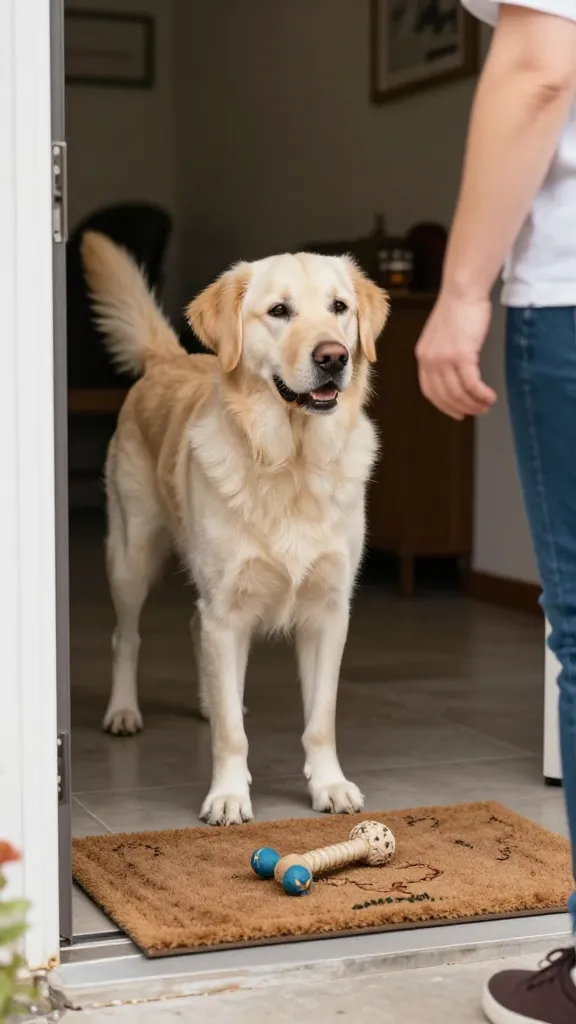
Redirection is like magic. If your dog’s energy has to go somewhere, give them a productive outlet instead of jumping. A mat or a favorite toy gives them a choice and control.
Put it into action
- Place a chew toy or a snug mat near the entry so they can retreat and focus.
- Encourage them to touch the toy or step onto the mat when guests arrive.
- Keep treats handy to reinforce the new behavior.
Benefits spill over beyond guests: less door-dash energy, easier crate-time, and a calmer household vibe. Trust me, this one reduces chaos fast.
3. Use a “Greet, Then Go” Routine
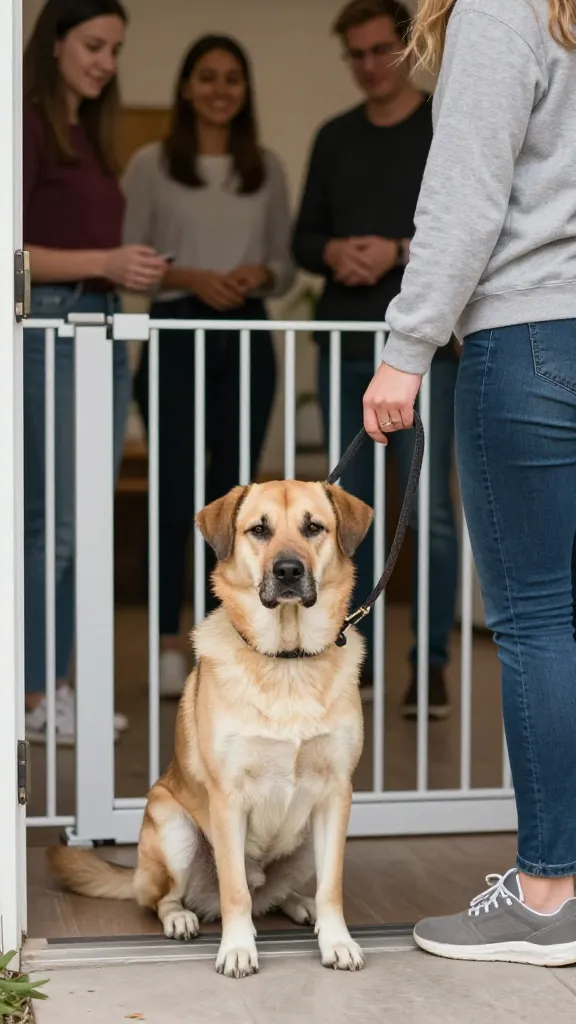
A structured routine helps your dog anticipate boundaries and rewards. It’s like giving them a map for meet-and-greets.
Step-by-step routine
- Greet with your dog on a leash or behind a barrier for the first 30 seconds.
- Ask for a sit or a down, then reward when calm.
- Release them to greet the guest only after the cue is fulfilled.
Using a routine reduces guesswork and makes guests feel welcome without the chaos. If you’re wondering, this is how pros train service dogs to handle crowds—so yeah, it works.
4. Consistent Boundaries: Space, Not Shame

Boundaries matter. You’re teaching your dog where the line is and what’s welcome. Clear spaces prevent jumping without making your pup feel excluded.
Boundaries you can implement
- Designate a “calm corner” with a bed or mat where the dog naturally settles.
- Use a baby gate to control the initial meeting if needed.
- Show guests how to approach calmly—hands open, body relaxed, no looming over the pup.
This approach helps dogs learn what’s expected while preserving their dignity. FYI, consistency is the secret sauce here. The more predictable the routine, the quicker the behavior changes.
5. Practice Exposure Sessions with Friends

Practice makes perfect, especially with dogs who get excited around visitors. Short, positive exposure sessions teach your dog to handle the doorbell without overeager jumps.
How to run practice sessions
- Invite a calm friend over for 5–10 minutes, with you guiding the interaction.
- Pause and reward when the dog keeps four paws on the ground.
- Gradually increase the number of people and the duration as your dog stays grounded.
Over time, these micro-sessions build confidence and reduce the surprise element of guests arriving. Seriously, a little rehearsal goes a long way.
6. Leash Management for Real-World Moments

Leashes aren’t punishment—they’re training tools that keep everyone safe while you work on self-control. A practical leash setup can curb jumping immediately in real life.
How to use it effectively
- Hold the leash softly with your thumb near your hip to keep it slack but ready.
- Ask for a sit before your guest crosses the threshold; reward and then release them to greet.
- If the dog starts to jump, guide them back to the sit and reset.
Benefits include fewer accidental bumps, more control during visits, and a quick reset whenever excitement spikes. IMO, it’s not cruel—it’s compassionate guidance.
7. Reinforce the Behavior You Want (Not the One You Don’t)

Positive reinforcement is your best friend. Replace the jumping habit with a preferred, calmer behavior and celebrate it like you just won the lottery.
Key reinforcement ideas
- Reward calm greetings with treats, praise, or a favorite toy.
- Ignore jumping by turning away or politely stepping back until all paws are on the floor.
- Keep training short but frequent—two or three mini-sessions daily beat one long session a week.
End goal: your dog chooses calm greetings by default. It’s practical, repeatable, and surprisingly fast when you stay consistent. Seriously, it works best when you stay positive and patient.
Before you go, quick reminder: progress can look like two steps forward, one step back. That’s not a failure—that’s training. Celebrate small wins, tweak as needed, and keep the vibe friendly and fun for your pup and your guests.
Ready to give these a try? Your dog will thank you with fewer messes, more snuggles, and unforgettable, low-drama greetings. You’ve got this!