5 Corgi Puppy Feeding Schedule Tips for Healthy Growth That Works
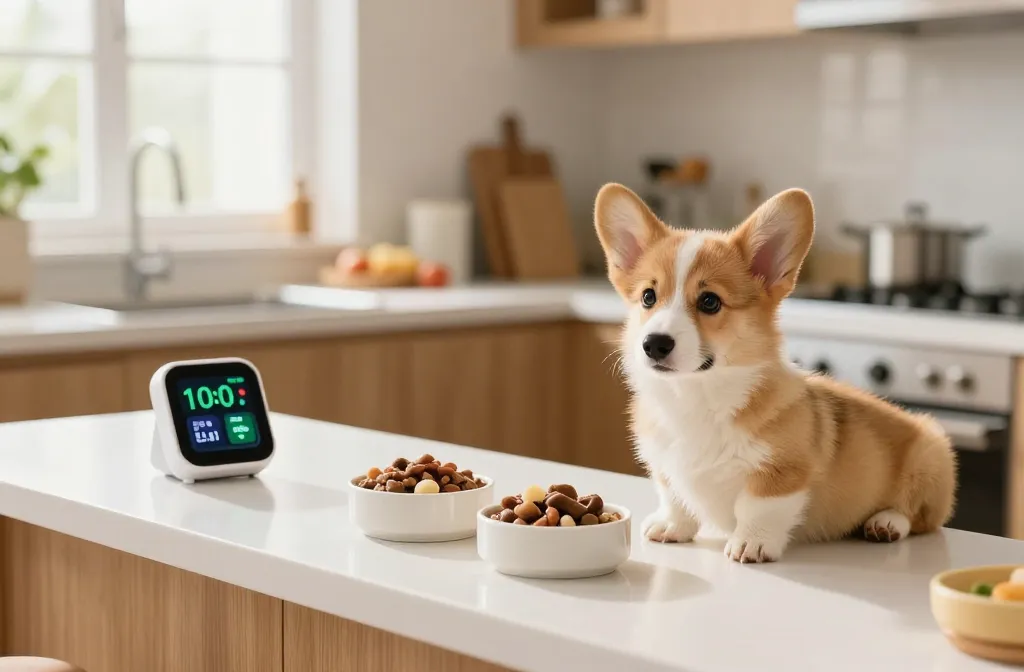
Let’s get your furry king or queen growing strong with a simple, proven feeding plan. These tips keep energy steady, stools normal, and tails wagging. FYI, tiny adjustments = big gains for a growing corgi!
1. Map Out a Regular Feeding Rhythm That Fits My Schedule
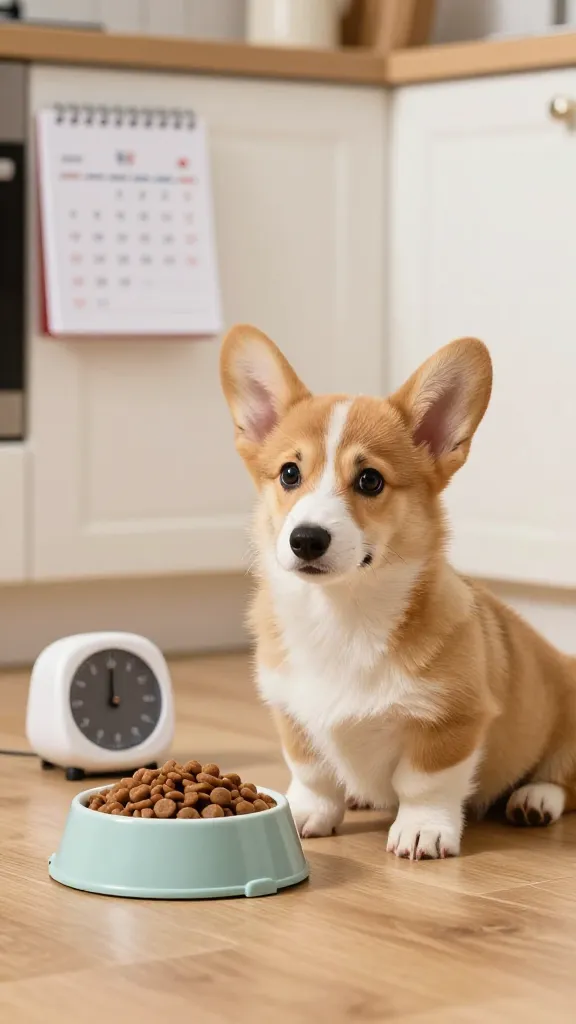
Consistency is everything when your corgi puppy is growing fast. A predictable routine reduces tummy drama and makes training easier. Seriously, the more you commit to a sane schedule, the easier life gets for both of you.
Key Points
- Choose 3-4 balanced meals per day for puppies up to 6 months.
- Offer meals at the same times daily to reinforce routine.
- Adjust portions gradually as your pup grows to avoid weight swings.
Why it matters? It stabilizes energy, supports steady growth, and helps you plan walks, naps, and play without surprise hunger fits. Use a simple alarm or app reminder so you don’t forget mid-day zoomies.
2. Tailor Portions to Growth, Not Guesswork
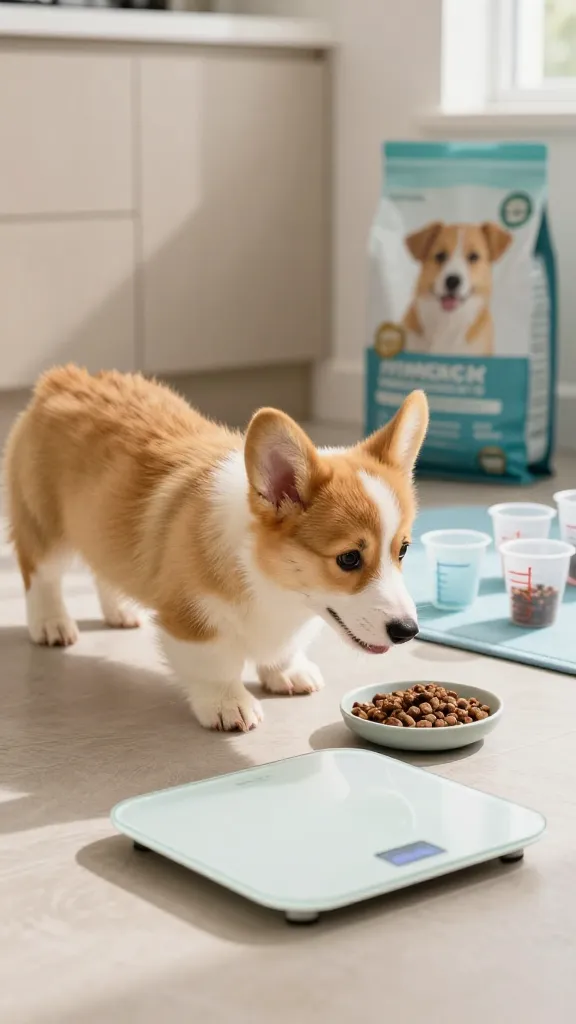
Portion control is the hero of any successful puppy plan. Too much food = chonky corgi, too little = cranky, underfed energy slump. You’ll find a sweet spot with measurements and a quick weigh-in now and then. Trust me, your pup will thank you with extra zoomies.
Tips
- Follow the dog food brand’s feeding chart as a starting point.
- Weigh daily or weekly to monitor growth trends and adjust.
- Switch to a puppy-specific formula crafted for joint-friendly growth.
When to adjust? If your pup starts visibly gaining or losing weight, tweak portions by small increments and reevaluate after a week. FYI, a healthy growl at pre-mealtime is a good sign you’re on track.
3. Choose High-Quality Puppy Food That Supports Strong Start
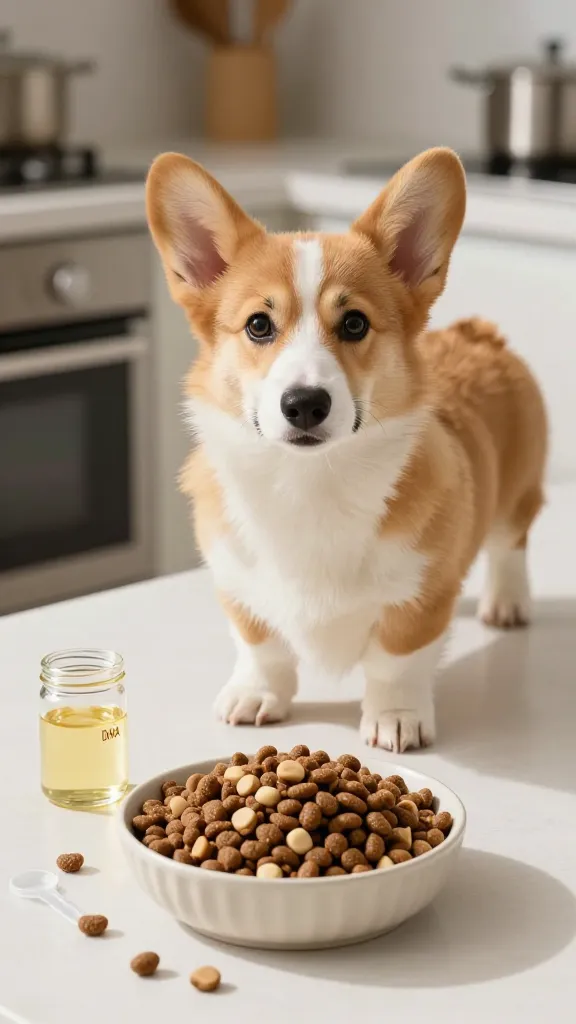
Quality food makes the difference between a sparkly-eyed pup and a sleepy one. Look for real meat as the first ingredient, appropriate fat levels, and DHA for brain development. IMO, you’re not just feeding calories; you’re fueling future cuddles and confident zoomies.
What to Look For
- High-quality protein (real meat or fish as the first ingredient)
- Balanced fat content for energy without unnecessary weight gain
- DHA for healthy brain development
- A puppy-safe calcium-to-phosphorus ratio
Switching foods should be gradual to avoid upset tummies—mix old and new gradually over 7-10 days. Am I the only one who slowly opens a new bag like it’s a treasure chest? Seriously, the quest for the perfect kibble is real.
4. Schedule Treats Smartly to Support Training and Growth
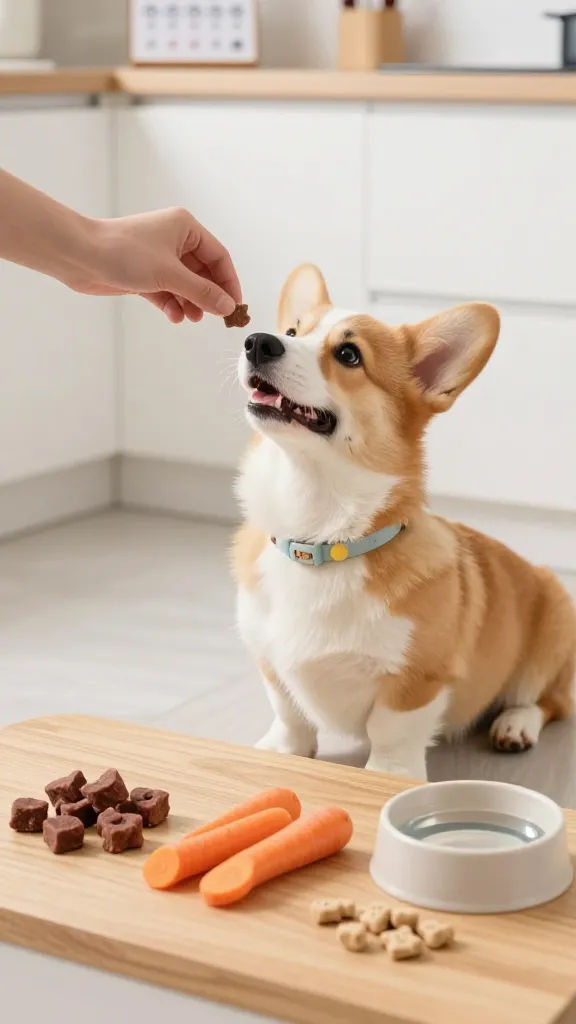
Treats aren’t just bribery—they’re training fuel. Use them to reinforce good behavior without throwing off your puppy’s calorie balance. FYI, treats should be counted in daily intake and kept small to avoid tummy distress and weight creep.
Smart Treat Rules
- Use small, healthy options (freeze-dried meat, carrot sticks, small training bites).
- Aim for treats to be less than 10% of daily calories.
- Reserve higher-value treats for training breakthroughs or new commands.
End with a quick post-treat cuddle; your puppy learns that good things come from you, not just food, and that bond stays strong. Seriously, a happy, well-fed puppy is a confident puppy.
5. Monitor Hydration, Stools, and Energy Like a Mini Veterinarian
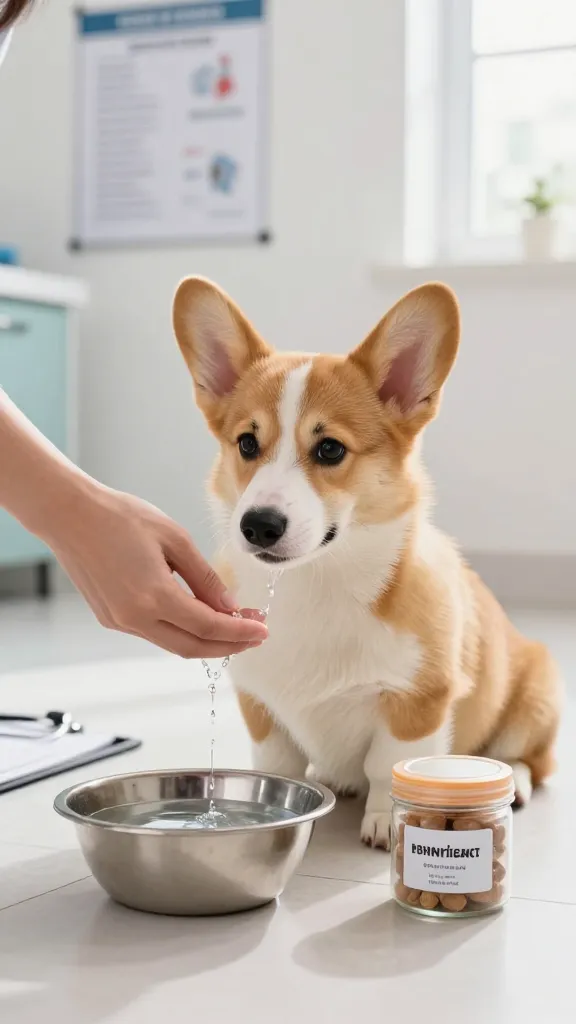
Healthy growth is more than food; hydration and digestion matter too. Keep an eye on water intake, poop consistency, and overall alertness. If something seems off, consult your vet sooner rather than later—early action saves big headaches later.
Practical Checks
- Provide fresh water at all times and observe water intake during the day.
- Expect firm, well-formed stools; very loose or very firm stools warrants a check-in with your vet.
- Notice energy levels: your pup should have plenty of playful bursts and restful naps.
These signals help you tweak portions, food type, or feeding times to keep growth on track. IMO, a well-hydrated, happy corgi is a thriving corgi, no doubt.
Want to tailor this plan to your specific puppy? Start with a simple baseline, track over two weeks, then adjust. This approach keeps you in control without turning mealtime into a science experiment.
You’re doing great—these steps are practical, friendly, and actually doable. With a little consistency, your corgi puppy will grow into a healthy, wag-tastic companion who loves meals as much as you do.