7 Puppy Chewing Tips for Better Training: Quick Wins
Puppy teeth are ruthless and adorable at the same time. These tips cut through the chaos to help your pup learn bite manners fast. You’ll feel calmer, and your furniture will thank you.
1. Redirect, Don’t Punish: The Golden Rule of Chewing

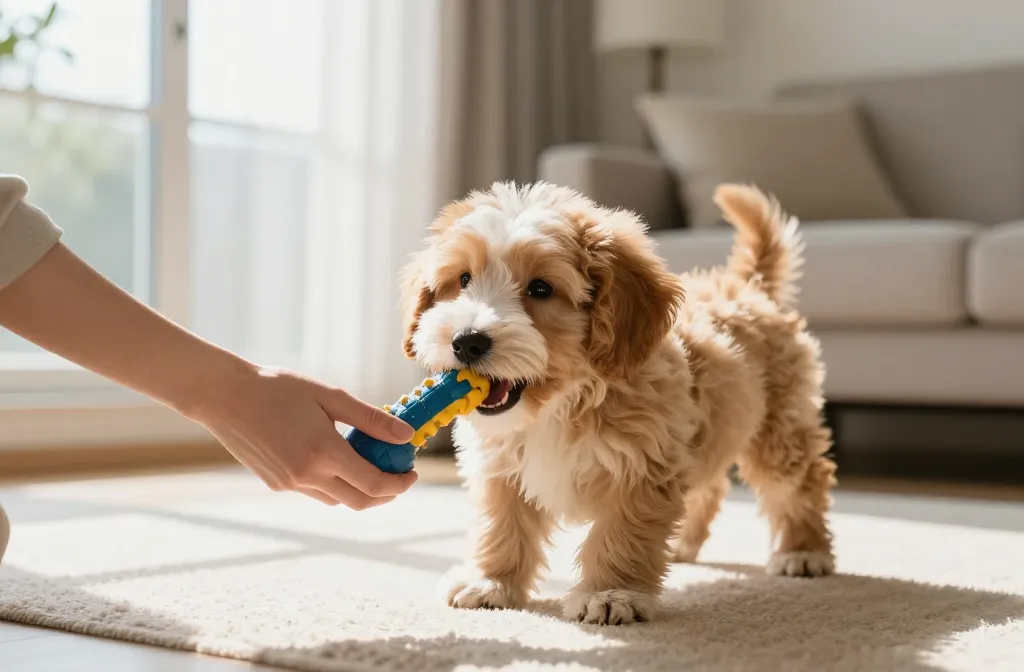
If your pup grabs your sock, don’t unleash the guilt trip. Redirect their mouth to something acceptable and tasty. This keeps training positive and the vibes friendly.
Key Points:
- Offer a durable chew toy as soon as you notice sniffing or nibbling
- Use a high-pitched, excited voice to guide the switch
- Praise lavishly when they chew the right thing
When you redirect successfully, you build a clear pattern: chew this, not that. It reduces frustration for both of you and speeds up learning. FYI, consistency is everything here.
2. Short, Frequent Sessions Win the War

Puppies have tiny attention spans and big curiosity. Short training bursts keep them engaged and less overwhelmed.
Tips:
- Aim for 5- to 7-minute sessions several times a day
- End on a high note with a quick success and a treat
- Track progress with a simple checklist to stay motivated
Back-to-back sessions can feel productive, but your pup will only absorb so much. Keep it snappy, sweet, and consistent, and you’ll see better results than marathon efforts.
3. Swap to Appropriate Chews Strategically

Not all chews are created equal. The right textures and sizes matter for teething pain and safety.
What to Choose:
- Hard rubber toys that bounce unpredictably
- Keeps-over-chew options like nylon bones (supervised)
- Squeaky-free chew devices to reduce over-stimulation
Rotating toys prevents boredom and keeps chewing interesting. Seriously, variety is the spice of puppy life—and your furniture’s best friend.
4. Create a Puppy-Centric Chewing Schedule
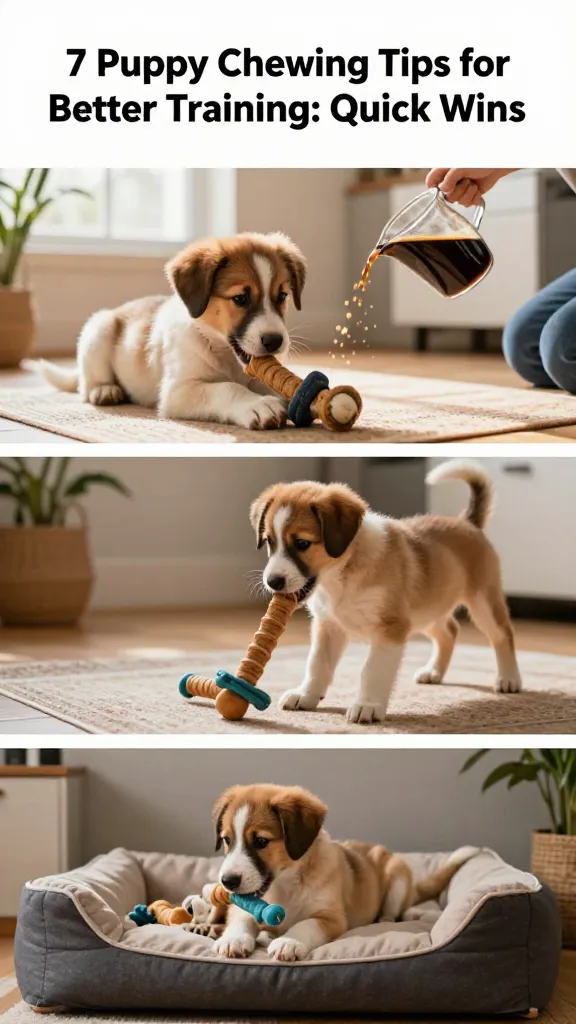
A predictable routine gives your pup security and clear expectations about when to chew what. It also helps you manage chewing urges before they spike.
Suggested Schedule:
- Morning: a chew toy while you brew coffee
- Midday: a quick game that ends with a chew reward
- Evening: a chill session with a dedicated chew toy during wind-down
Consistency helps them learn impulse control faster. If you’re traveling or changing up days, keep the core idea—own a chew-friendly moment during the day.
5. Teach the “Gentle Mouth” Rule Early
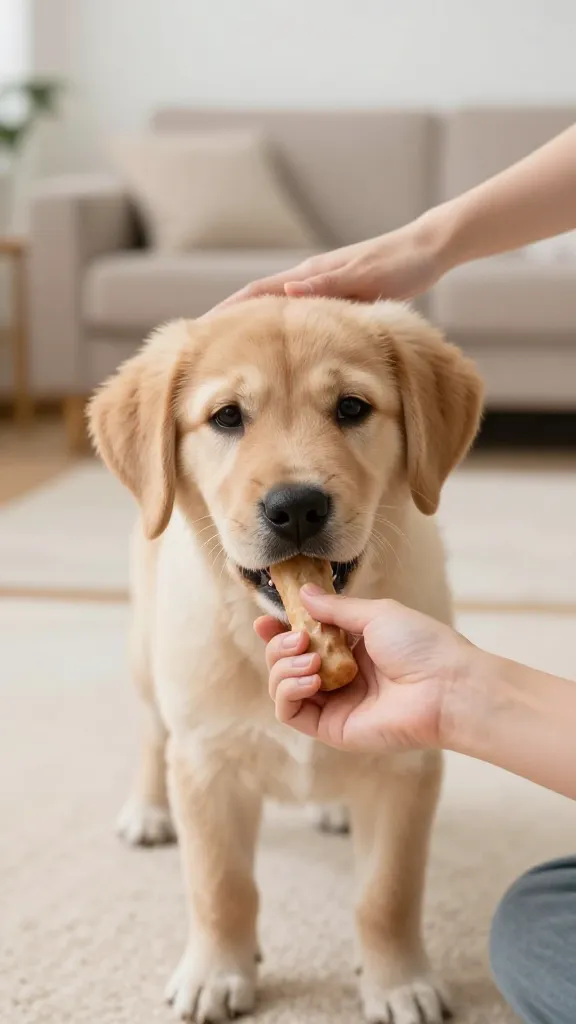
Gentle mouth discipline saves you from accidental nips and makes training smoother. It’s a simple, powerful cue that pays off big time.
How to Do It:
- Whenever your pup grabs your hand or clothes, say “gentle” and calmly remove the item
- Offer a chew toy immediately and praise when they bite the toy instead
- Practice with gentle pats and a soft voice during play
Consistency is the magic wand here. Do it every time, even when you’re tired. Trust me, a few weeks of steady practice yields dramatic payoffs.
6. Use Management Tools to Reduce Chewing Chaos
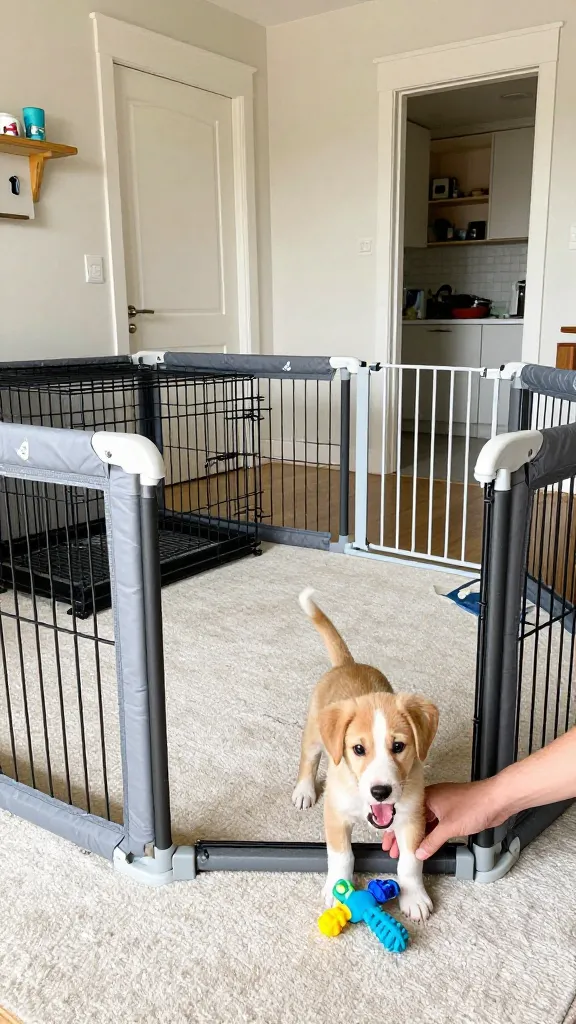
Chewing can go off the rails when you’re not watching. Management buys you time to train without chaos.
Smart Moves:
- Crate or playpen during peak chew times (nap, meal prep, cardio)
- Baby gates to confine access to tempting areas
- Close doors on rooms with fragile items
Yes, it might feel restrictive, but it’s a practical bridge to independent, well-behaved chewing. FYI, safety first—always supervise when the pup uses new toys.
7. Celebrate Milestones and Keep a Positive Vibe

Training sticks when you celebrate progress, not when you scold missteps. Positive vibes reinforce learning faster than scolding ever could.
Celebration Ideas:
- Give a tasty treat right after the pup chews the right item
- Offer a quick game that ends with a reward
- Share praise in a happy, upbeat voice
This approach builds a strong bond and makes training feel like play. Trust me, your pup will want to please you back, and the chews will feel like a bonus instead of a punishment.
Conclusion: You’ve got the blueprint now. With redirected chewing, short sessions, strategic toys, routines, gentle mouth training, smart management, and tons of positive reinforcement, your puppy will learn faster and stay happier. Ready to try these vibes and watch the progress unfold? You’ve got this, and your pup does too.