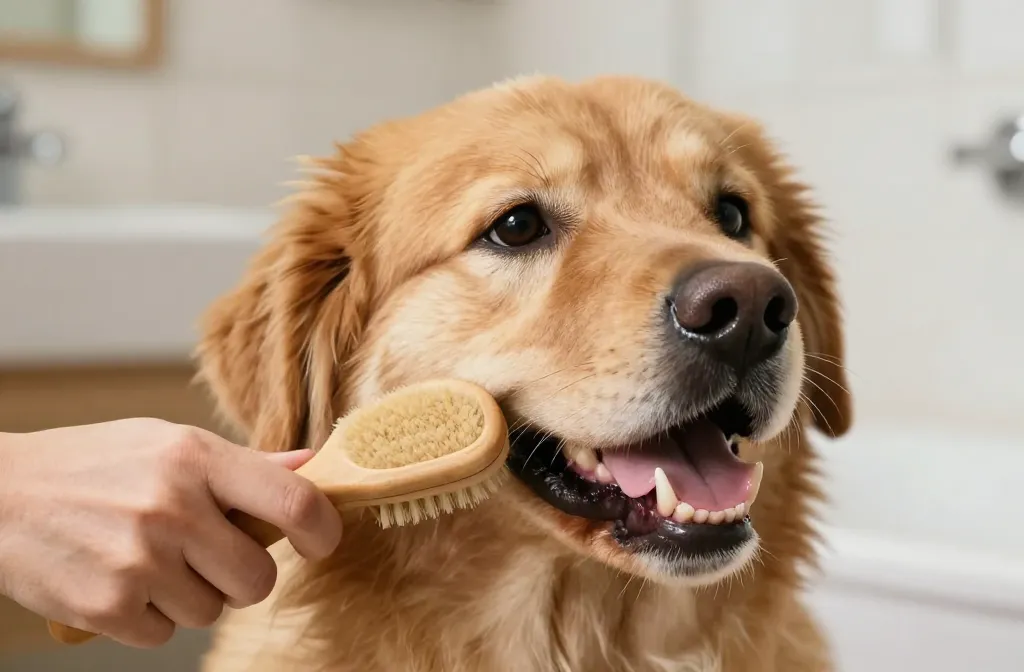
5 Dog Teeth Brushing Tips for a Healthy Smile: Easy Wins
Let’s face it: dental care isn’t just for humans. A bright doggy grin means fewer vet visits, fresher breath, and happier zoomies. These five tips are practical, doable, and surprisingly fun for you and your pup.
1. Make Brushing A Positive Ritual
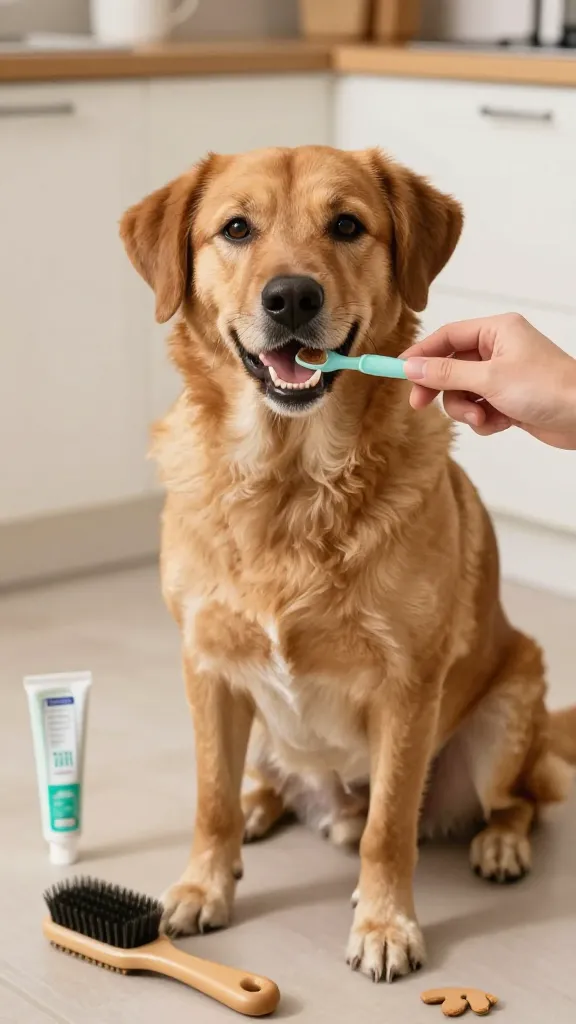
First impressions matter, even with a dog’s mouth. Turn brushing into a quick, pleasant routine that your pup looks forward to. Do it the same time every day and pair it with a yummy reward.
Key points to remember:
- Use a soft-bristled brush designed for dogs or a finger brush for beginners
- Pick a dog-safe toothpaste in a flavor your dog loves (mint is not ideal for dogs)
- Start with 30 seconds and gradually extend as your dog gets comfy
FYI, consistency beats intensity. When brushing feels like a treat, your dog will actually cooperate. Trust me, your future self will thank you for these easy wins.
2. Pick The Right Tools For Comfort And Effectiveness
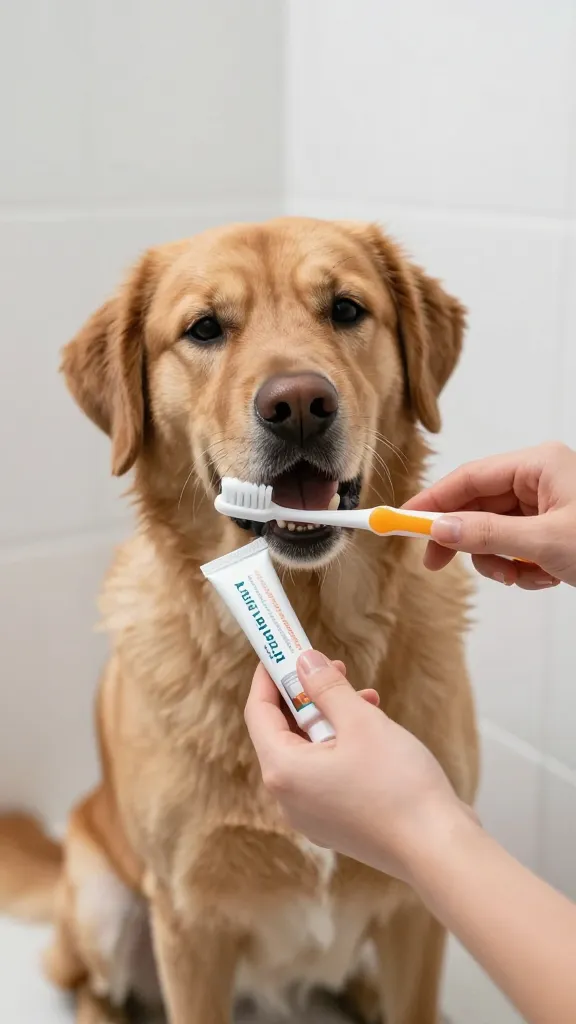
The right gear turns teeth brushing from a tug-of-war into a calm, cooperative moment. It’s not about brute scrubbing but about gentle, consistent care.
What to consider:
- Soft dog toothbrush or finger brush to control pressure
- Dog-safe toothpaste in flavors like chicken or peanut that your dog enjoys
- Brush angle: hold at a 45-degree tilt toward the gum line
Starting with the right tools reduces resistance and makes the experience smoother for both of you. Seriously, the right gear makes all the difference.
3. Focus On The Gumline And Back Teeth
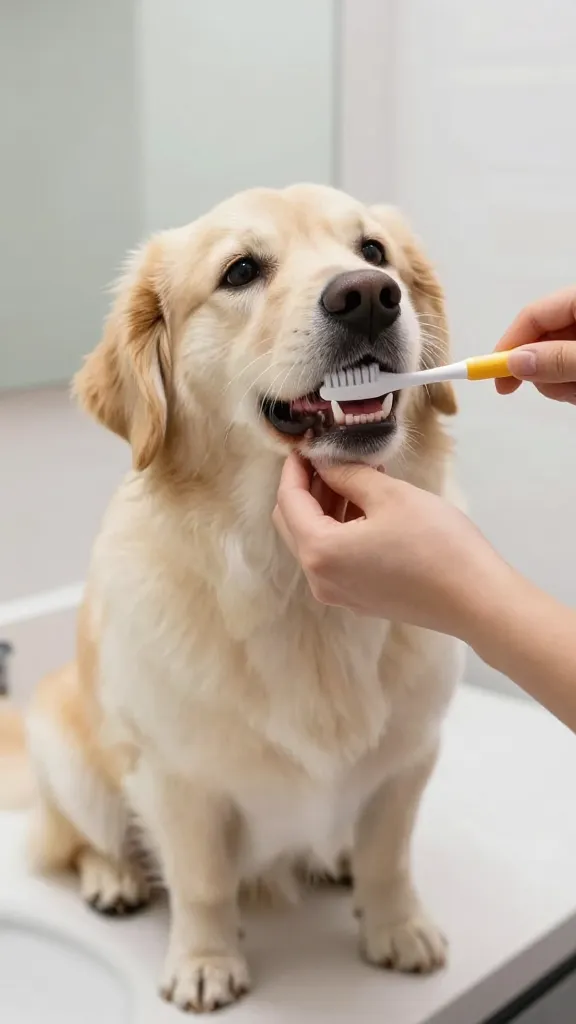
Most dental trouble hides along the gumline and the back teeth where plaque loves to party. Target those areas with mindful brushing for real results.
How to do it well:
- Gently lift the lip to access the outer surfaces
- Use small circular motions for each tooth, especially at the molars
- Brush for about 2 minutes in total, keeping sessions short and frequent
End with a quick reward and a calm moment to reinforce good vibes. If you notice redness or swelling, chat with your vet sooner rather than later—your pup deserves early care, not a mystery ailment.
4. Introduce Chew Toys And Dental Treats Strategically

Brushing is fantastic, but the daily champions also include safe chews and dental treats that help reduce plaque between sessions. Think of it as a dental workout for your dog’s mouth.
Helpful options:
- Vet-approved dental chews that promote gum health
- Brushless chews and textured toys that scrub teeth as they chew
- Water additives formulated for dogs (use as directed)
Combine these with brushing and you’ll cover all bases. Seriously, your pup will thank you with wagging tails and fresh breath.
5. Schedule Regular Vet Checks And Professional Cleanings
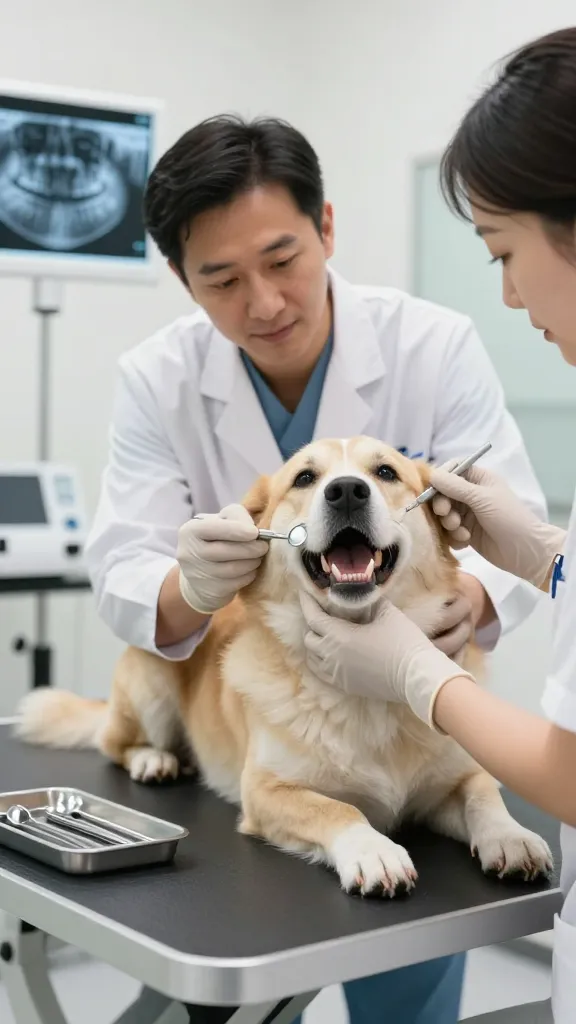
Home care is essential, but professional checkups catch issues you might miss. Regular dental exams let you stay ahead of problems like tartar buildup or tooth decay.
What to do:
- Ask your vet about a dental cleaning schedule based on your dog’s risk factors
- Keep records of brushing frequency, products used, and any changes in breath or eating
- If your dog fears the clinic, ask about desensitization techniques or sedated cleanings when appropriate
Benefits include fresher breath, healthier gums, and fewer dental emergencies. When in doubt, trust your veterinarian’s guidance and stay proactive with routine care.
Want a quick recap? Brush daily, use the right tools, target the gumline and back teeth, supplement with dental toys, and keep up with vet visits. Your dog’s smile will be brighter, and you’ll both feel like dental superheroes. FYI, a little humor helps too—your pup loves seeing you show off that big grin after a successful brushing session.
Ready to start? Grab your brush, pick a tasty toothpaste, and set a 2-minute timer. You’ve got this, and your dog will thank you with extra zoomies and a blog-worthy grin.