6 10 Week Old Puppy Feeding Schedule Tips
Feeding a tiny furball is a tiny art form, and you’re about to master it. These six tips keep meals predictable, tummies happy, and puppies thriving. FYI, consistency beats chaos every time.
1. Establish a Reliable Meal Cadence
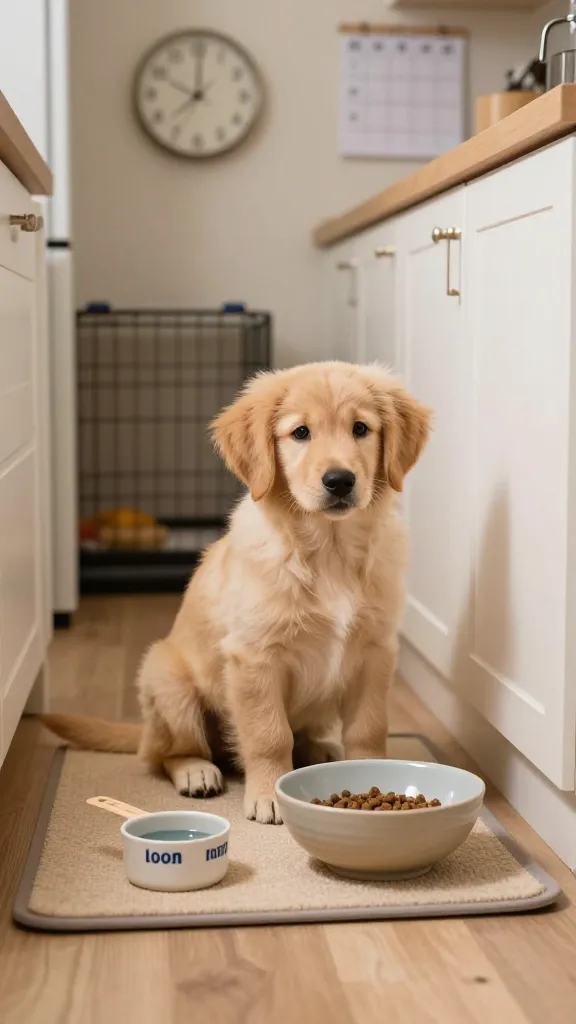
Consistency is your best friend here. A steady schedule helps digestion, energy, and house-training progress all at once. Yes, your puppy will thank you with fewer hiccups and more wagging tails.
Key Points:
- Offer meals at the same times each day
- Keep portions measured and predictable
- Reserve a quiet, comfy feeding spot
Why it matters: predictable meals prevent energy spikes and tummy upsets. If you’re juggling work and puppy chaos, a simple routine keeps you both sane and on track. Trust me, a clockwork puppy is a happy puppy.
2. Choose the Right Puppy-Specific Food

Puppies aren’t tiny adults—they need extra nutrients for growth and brain development. Picking the right food sets a strong foundation for years of healthy wags. IMO, you’ll thank yourself later.
What to look for:
- High-quality protein as the first ingredient
- A balanced mix of fats, minerals, and vitamins
- Size-appropriate kibbles that aren’t too hard to munch
Tip: check feeding guidelines on the bag and adjust based on your pup’s weight and activity. If your pup is a slow eater, try a softer texture or a puzzle feeder to keep them engaged. Seriously, a well-fed pup is a confident pup.
3. Break Full-Day Calories into Manageable Meals

For a 10-week-old puppy, three or four small meals daily usually works best. Splitting calories helps tiny stomachs handle nutrients without feeling stuffed. You’ll dodge post-meal yawns and belly groans—win-win.
How to structure it:
- Three meals around mid-morning, early afternoon, and evening
- Consider a small breakfast before bedtime if digestion demands it
- Adjust quantity as the pup grows or becomes more active
Note: monitor weight gain and energy. If your pup seems ravenous or sluggish, tweak portions by a few milliliters of food or adjust meal timing. This is a marathon, not a sprint—steady pacing wins.
4. Schedule Hydration Without Overloading

Water is essential, but you don’t want a flood at feeding time. Proper hydration supports digestion and overall health without encouraging runny accidents outside the crate. FYI, a fresh bowl every day goes a long way.
Tips to balance water and meals:
- Offer water between meals, not mid-meal
- Place a clean bowl nearby the feeding station
- Replace water with fresh, clean water after play sessions
When to worry: if your puppy refuses water or shows vomiting, consult a vet. Hydration matters, but so does gut comfort. A hydrated puppy is a happy explorer.
5. Monitor Growth, Weight, and Bowel Habits

Your vet loves data, and so do you. Tracking weight and stools helps you fine-tune portions and catch issues early. It’s not creepy stalker-nerd stuff; it’s responsible puppy parenting.
What to track:
- Weekly weight checks with a pet scale or at the vet
- Consistency and frequency of bathroom trips
- General energy levels and appetite
Mini checklist: if the weight plateaus or skyrockets, adjust portions and talk to your vet. Early tweaks prevent big problems later, and yes, you’ll feel like a pro when the scale agrees with you.
6. Create a Gentle Transition When You Switch Foods
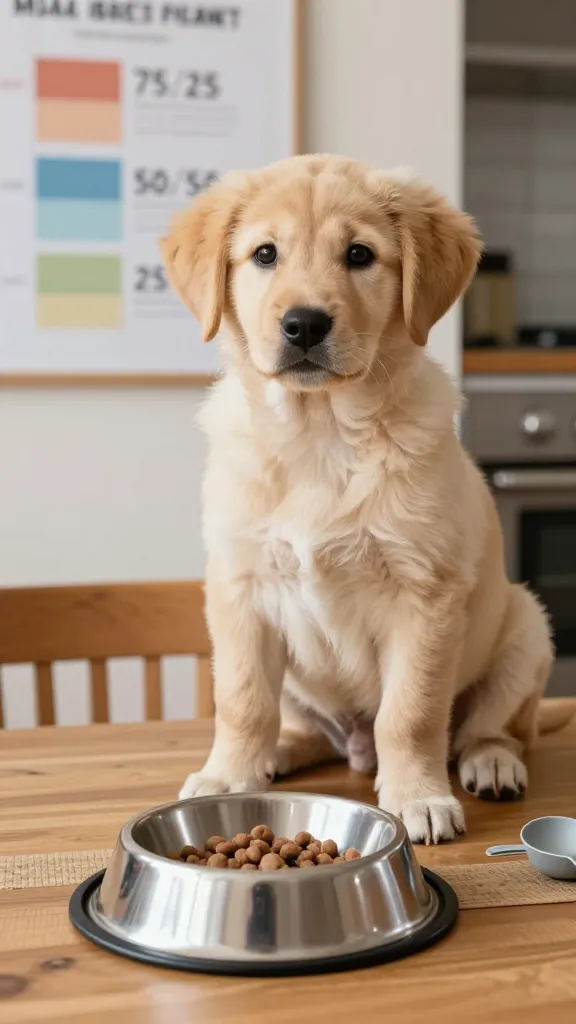
Puppies can protest change with dramatic expressions and dramatic poops. A slow transition reduces tummy drama and keeps your pup excited about meals. Seriously, patience here pays off big time.
Transition plan:
- Introduce new food gradually over 7–10 days
- Start with a 75/25 old/new ratio, then 50/50, then 25/75
- Watch for signs of digestive upset and pause if needed
End note: a smooth transition minimizes stress for both of you and supports consistent nutrition. When meals go smoothly, training and bonding moments shine brighter too.
With these six tips, feeding a 10-week-old puppy becomes less guesswork and more confident, joyful routine. You’ll see better digestion, more energy for play, and happier evenings with a well-fed pup by your side. Trust me, your future self will thank you.
Ready to start? Grab a timer, jot down a simple schedule, and begin your delicious, adorable journey. You’ve got this, and your puppy is already thrilled to cooperate.