7 German Shepherd Enrichment Ideas for Mental Stimulation That Wows
If your shepherd spends more time thinking than lounging, you’re in the right place. These ideas spark curiosity, energy, and wagging tails—without turning your home into a chaos lab. Let’s dive into seven brain-boosting activities that actually work.
1. Puzzle Feast: Build a DIY Treat-Tastic Challenge

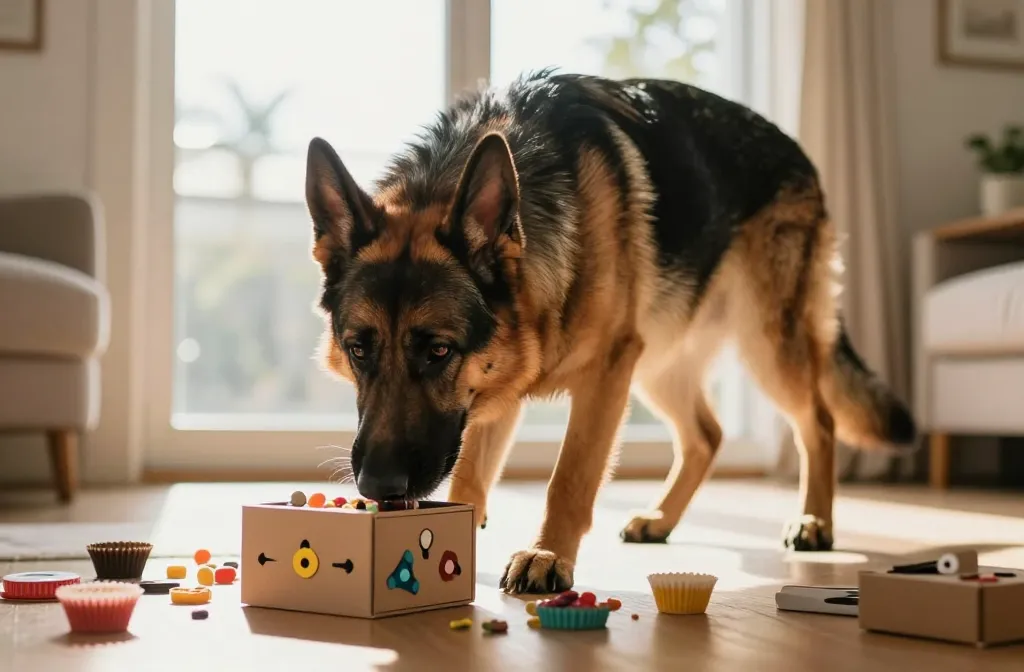
German Shepherds love solving problems, especially when treats are involved. This idea turns mealtime into a mentally stimulating game, not a boring routine.
Why it rocks
It exercises memory, focus, and nose work while keeping the brain busy. Plus, it’s customizable for beginners or seasoned puzzle pros.
- Low-prep: use muffin tins, cups, or a cardboard box.
- Progressive difficulty: start with visible treats, then hide them deeper.
- Rotating components keeps it fresh—no boredom here.
Tip: always supervise, and use safe, dog-friendly ingredients. FYI, this is great for rainy days when outdoor play is a no-go.
2. Hide and Seek: The Smart-Shepherd Edition

Hide-and-seek taps into natural tracking instincts and mental flexibility. It turns your dog into a detective, which is exactly what German Shepherds live for.
How to start
- Choose a simple hiding spot first, then increase difficulty.
- Call your dog once, then let the sniffing begin.
- Celebrate the find with a quick toy toss or treat sprint.
Why it helps: it builds problem-solving strategies and improves focus during transitions. Trust me, you’ll see a proud wag once they crack the code.
3. Scent Safari: Nose Work Adventures at Home
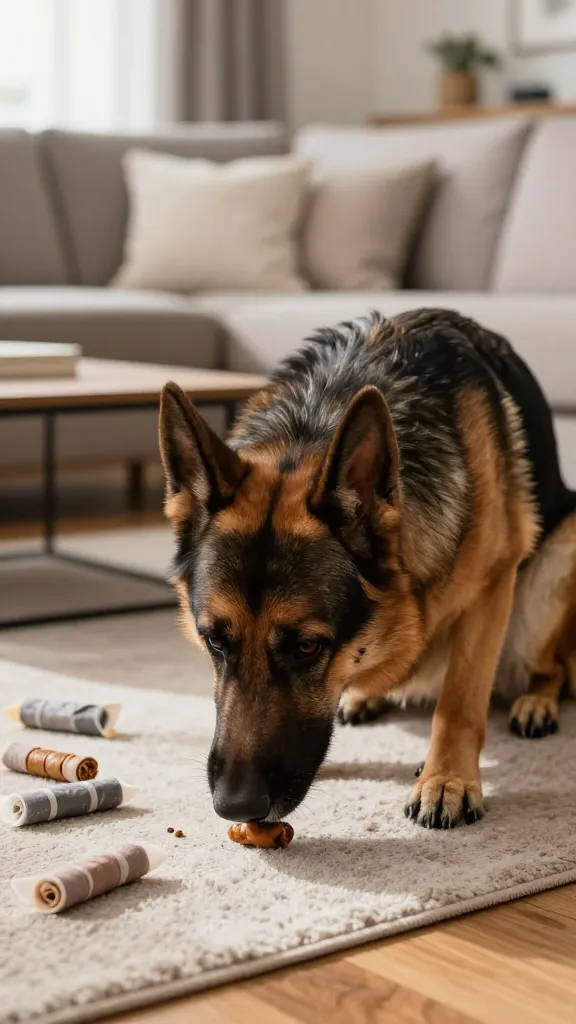
Shepherds are born sniffers. Channel that talent with scent games that mimic real tracking and scent discrimination.
Getting started
- Use safe, essential-oil-free scents or rolled treats as the scent source.
- Hide small odorous items around a room or yard for your dog to locate.
- Increase complexity by adding multiple scents or barriers.
What you’ll gain: improved focus, confidence, and a calm, brain-checked dog after the workout. IMHO, this is one of the most satisfying enrichment activities.
4. Noodle Tug Challenge: Cognitive Tug-of-War
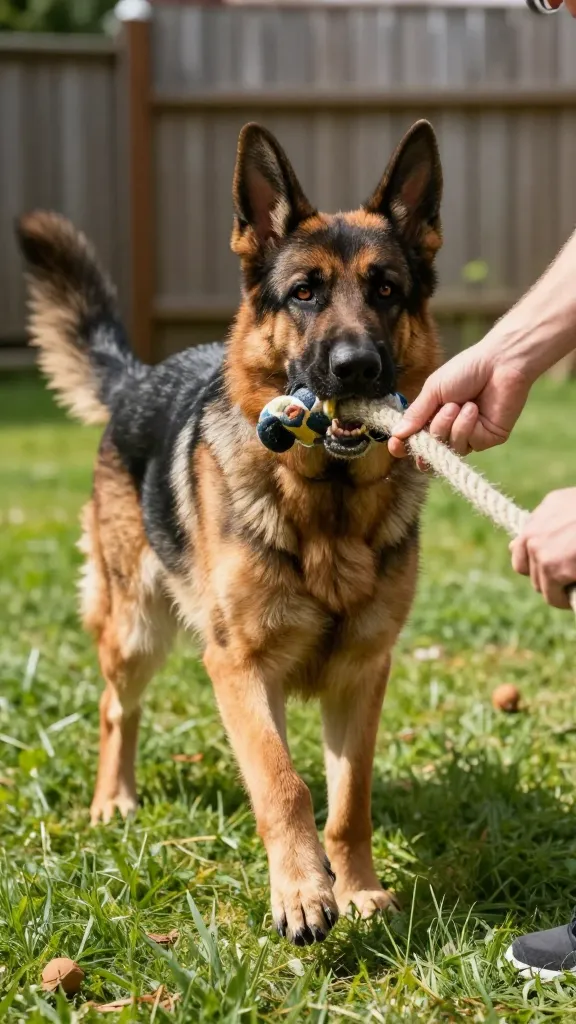
Playful tug can become a mental workout when you mix strategy and timing. The noodle-tug approach keeps their mind guessing and their mouth busy in a healthy way.
How to do it
- Use a sturdy tug toy and a long, soft rope to add variety.
- Incorporate commands like “leave,” “grab,” and “your turn” to sharpen impulse control.
- Mix in short bursts of fetch between tug rounds to reset energy.
End result: a focused dog who learns to strategize moments of rest and play. It’s funny how something so simple can feel like a training seminar that ends with a belly laugh.
5. Obstacle Course: Backyard Shenanigans and Brain-Tests
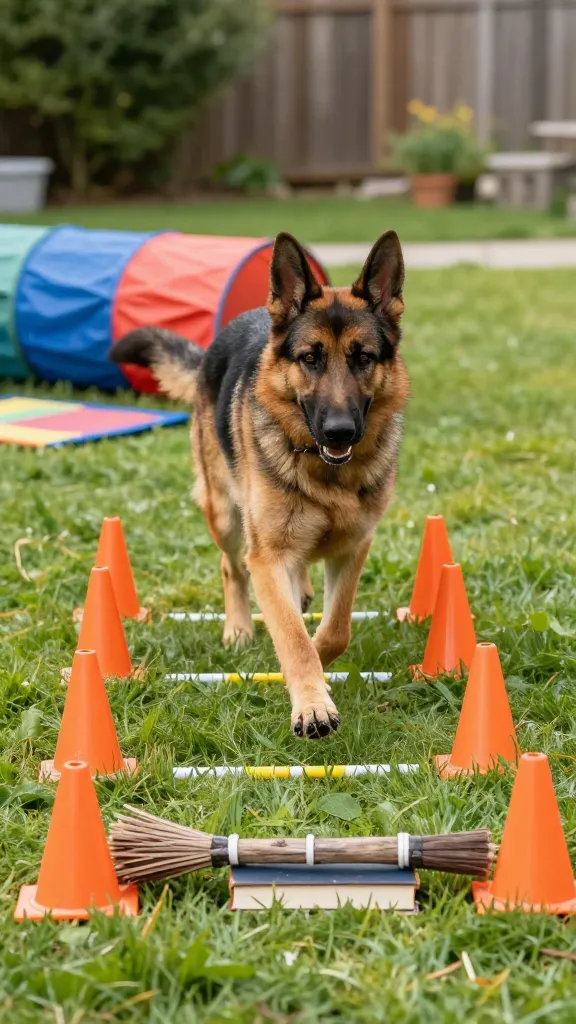
Turn your yard or living room into a mini obstacle gym. A shepherd’s athleticism pairs perfectly with obstacle challenges that demand sequencing and balance.
What to build
- DIY weave poles using evenly spaced cones or bottles.
- Low hurdle made from a broomstick and books.
- Tunnel made from a collapsible kids’ tunnel or cardboard arches.
Why it rocks: it exercises body and brain in tandem. Seeing them navigate a course with quick decisions is incredibly rewarding. Seriously, your dog will feel like a superhero after conquering it!
6. Trick Training Fiesta: New Cues, New Brains
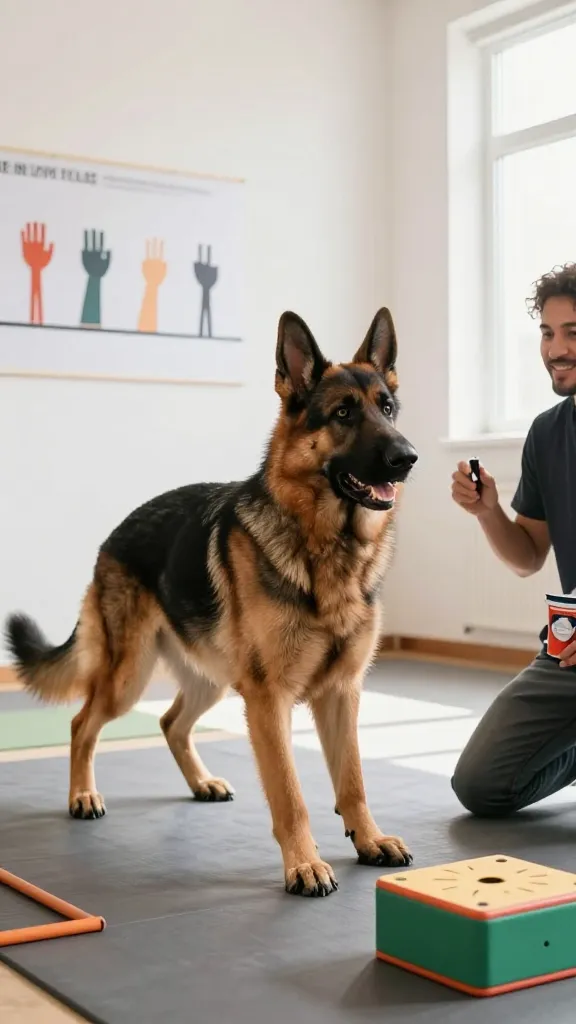
Trick training isn’t just cute—it’s mental gymnastics for a shepherd’s curious mind. Teaching new cues keeps the brain active and the bond tight.
Idea starters
- “Spin,” “Bow,” “Target,” and “Roll over” with quick, positive reinforcement.
- Link tricks into a quick sequence for a tiny show at the end.
- Use hand signals to diversify communication and add mental variety.
Benefits: improved impulsivity control, quicker learning, and a dazzling repertoire that impresses friends and neighbors. IMO, a well-trained shepherd is a confident shepherd.
7. Interactive Feeder Olympics: Mealtime as Mind Gym
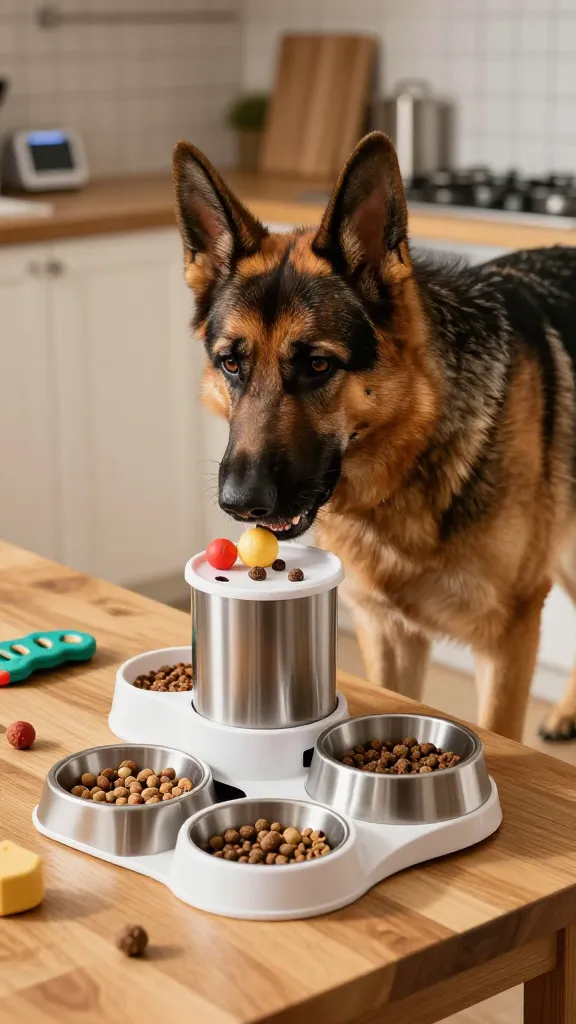
Mealtime doesn’t have to be a boring shove-your-face-in-the-bowl affair. An interactive feeder turns eating into a brain-teasing sport that tires the mind without exhausting the body.
How to set it up
- Use slow-feed bowls, treat-dispensing toys, or puzzle feeders with multiple compartments.
- Limit chews to a safe, timed window to keep the dog engaged but not overwhelmed.
- Rotate food distribution patterns to prevent predictability.
End note: a winner for digestion, mood, and mental stamina. FYI, you can blend this with scent games for double trouble—in the best way possible.
Conclusion: You’ve got seven solid brain-boosting ideas ready to roll. Pick a couple to start, mix in a few surprises, and watch your shepherd soak up the mental stimulation. Ready to see that gleam in their eyes when the challenge clicks? You’ve got this, and trust me, your dog will thank you in wagging, wiggly glory.