
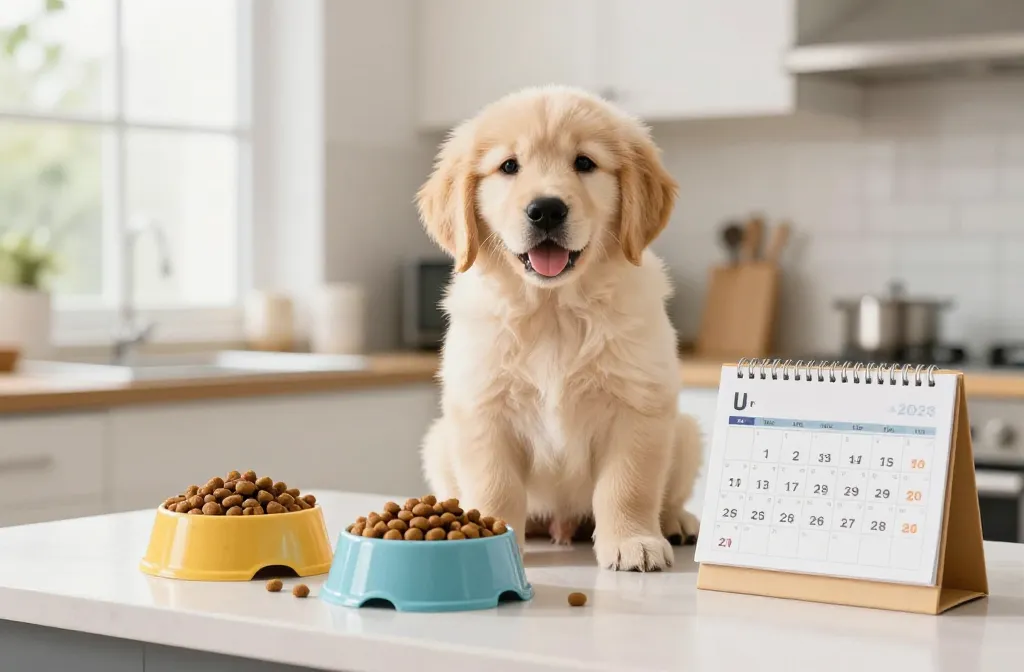
7 Golden Retriever Puppy Feeding Schedule Tips That Boost Energy
Feeding a golden puppy is its own mini science project—safe, tasty, and surprisingly strategic. These seven tips keep energy steady, coats shiny, and stomachs from staging tiny protests. Let’s get you and your pup on a predictable, happy eating rhythm.
1. Set a Simple Daytime Feeding Rhythm
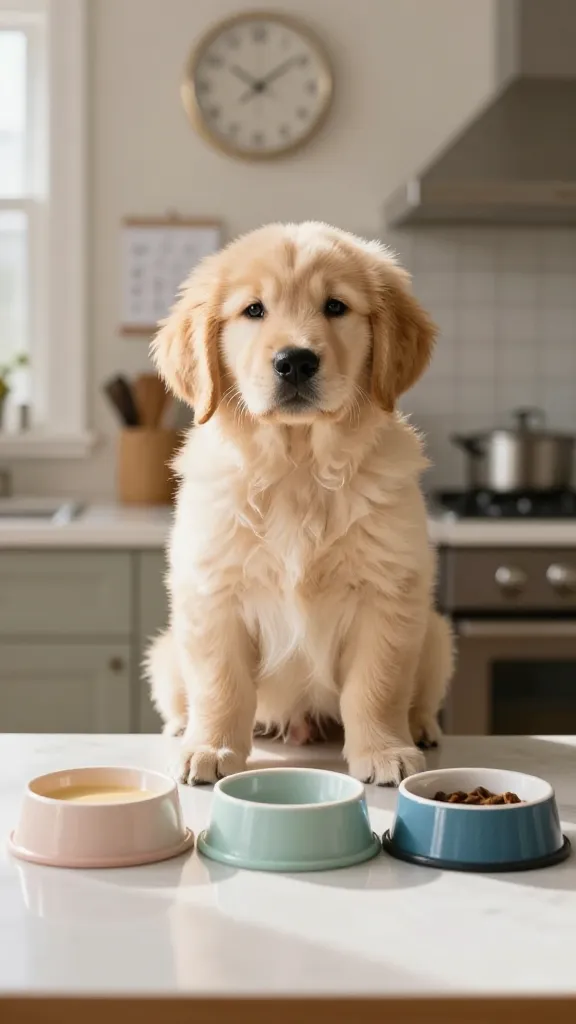
Consistency beats chaos when your puppy learns the ropes of meals. A predictable schedule helps with digestion, potty training, and less begging at 7 PM (we all hate that, right?).
Why it matters:
- Stays aligned with your family’s routine.
- Prevents random grazing that upsets digestion.
- Makes dosing meds or supplements easier, if needed.
Try a basic trio: morning, afternoon, and evening. If you’re a new parent, you’ll thank yourself later for fewer midnight “snack” requests. FYI, keep the timing within 30 minutes of each other to keep their routine tight.
2. Choose Age-Appropriate Kibble and Portions
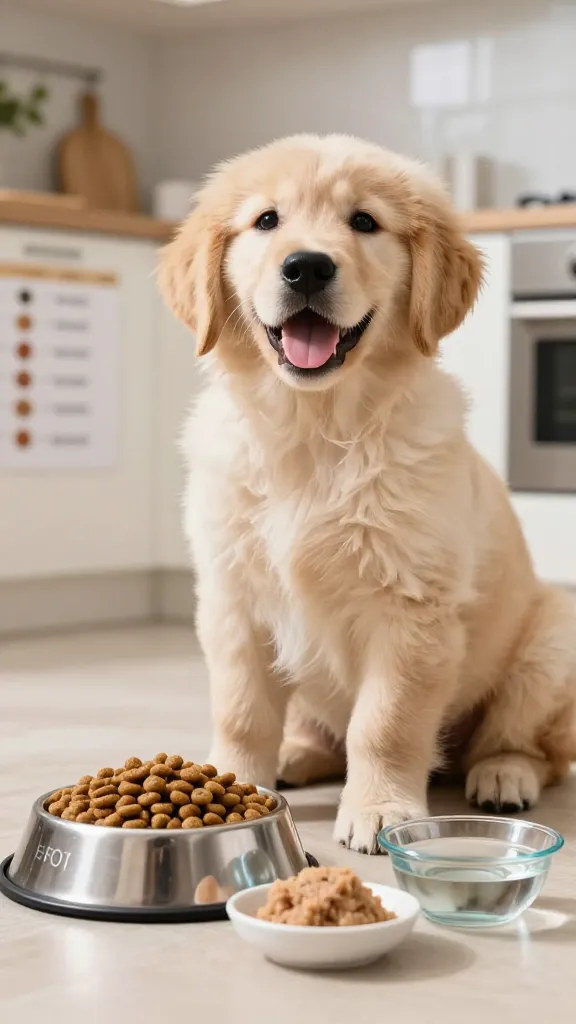
Your golden puppy needs high-quality growth fuel, not adult kibble or snacks from the pantry. The right food supports healthy joints, shiny coats, and lots of zoomies.
Key Points:
- Look for defined life-stage labels: puppy or growth formula.
- Follow the manufacturer’s feeding chart as a baseline.
- Adjust portions as they grow and activity changes.
Some pups love a little wet food mixed in; others prefer dry only. Trust your pup’s appetite and consult your vet if you see persistent hungry-looking behavior or weight drift. Seriously, don’t overdo it—overfeeding leads to weight gain and dodgy tummies.
3. Split Meals When They’re Little
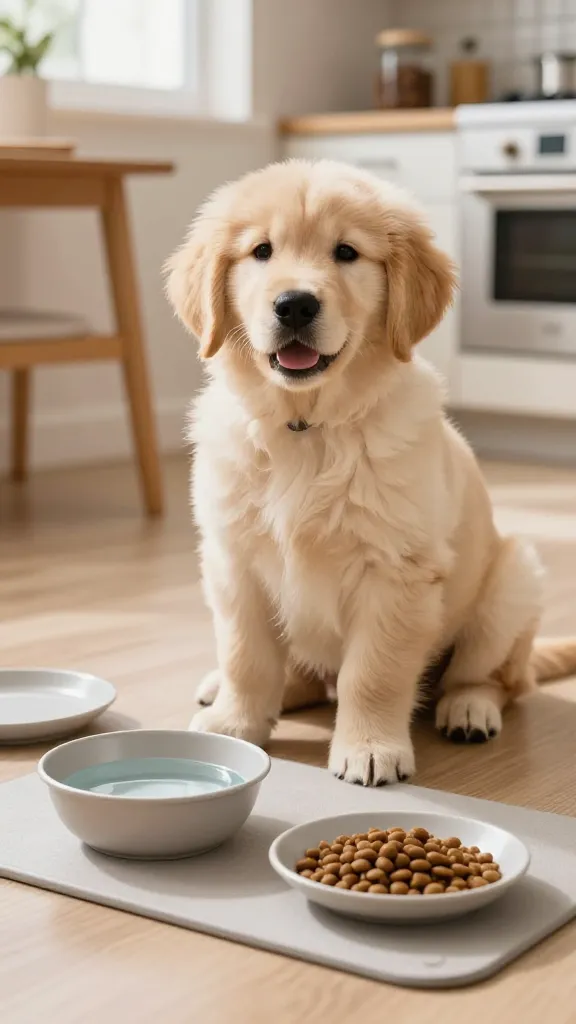
Young Golden Retrievers have tiny tummies and high energy. Splitting meals helps digestion and reduces the risk of bloat from one giant intake.
Practical Setup:
- Two or three meals per day, depending on age and weight.
- Small, frequent portions to prevent tummy rumblings.
- Keep fresh water always accessible.
As they grow, you can consolidate to two meals. This scaling keeps routines predictable and your pup happier. And yes, it also makes house training that much easier—less chance of accidents before a meal!
4. Establish a Gentle, Positive Feeding Environment
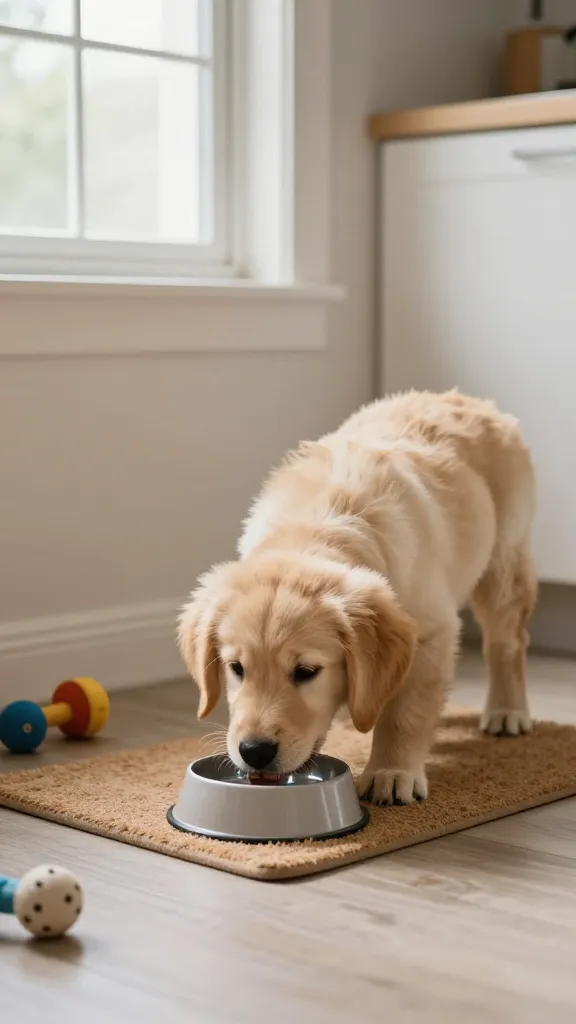
A calm vibe during meals helps your puppy focus on food and not on every new sound. Anxiety can turn mealtime into a stress fest, which you obviously want to avoid.
Tips for a Hunger-Friendly Zone:
- Use a quiet corner away from doors and toys.
- Place the bowl on a non-slip mat to prevent wobble-shock during slurp-time.
- A quick, happy vibe: a few words of praise when they start eating, then a quick “done” when finished.
FYI, tiny routines build big confidence. A calm start translates to a calmer digest, which means fewer tummy upsets and better appetite at the next meal.
5. Monitor Growth, Weight, and Health Like a Hawk (But Kind)

Healthy weight is gold for growing joints, energy, and general vibes. Keep a gentle eye on numbers and how your pup looks and moves.
What to Track:
- Weekly body condition score (ribs should be palpable but not visible).
- Weight checks every 2-4 weeks during growth spurts.
- Digestive patterns: stool consistency and frequency.
If you notice rapid weight gain, lethargy, or persistent GI upset, loop in your vet. Trust me, early tweaks beat big problems later, and your pup will thank you with extra tail wags.
6. Treats That Support Training, Not Addictive Snacking
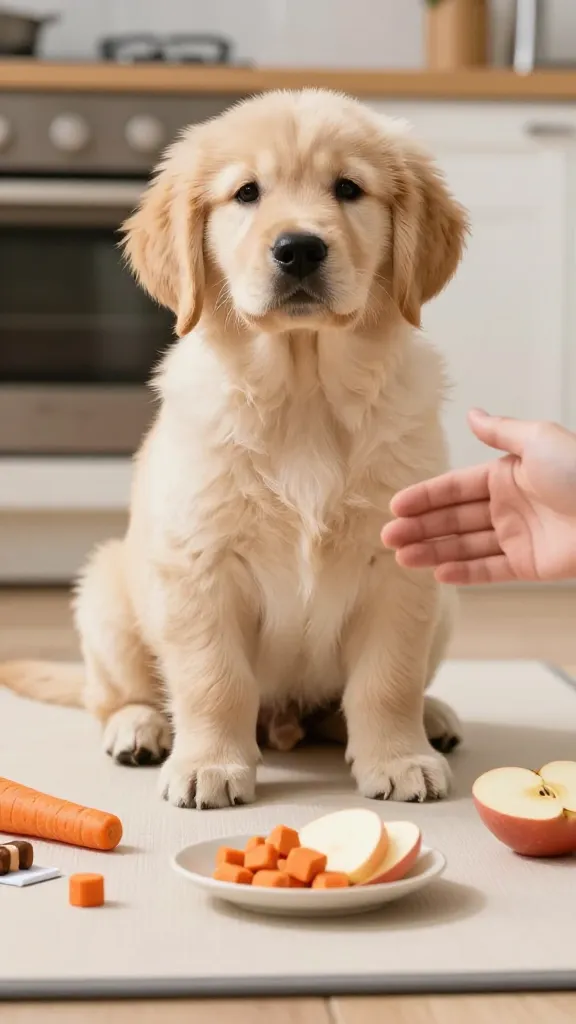
Healthy treats can be a powerful training tool, but too many can wreck portions and cause stomach upset. Keep treats lean and strategic.
Smart Treat Rules:
- Use low-calorie options: small pieces of carrot, apple (without seeds), or vet-approved training treats.
- Reserve treats for training moments, not just random snacking.
- Include some “treat-free” praise to reinforce good behavior.
Balancing treats with meals keeps energy steady and avoids the “I know where you hide snacks” game. In short: use treats to shape behavior, not to fill gaps in diet.
7. Adjust for Activity, Vaccinations, and Teeth Time
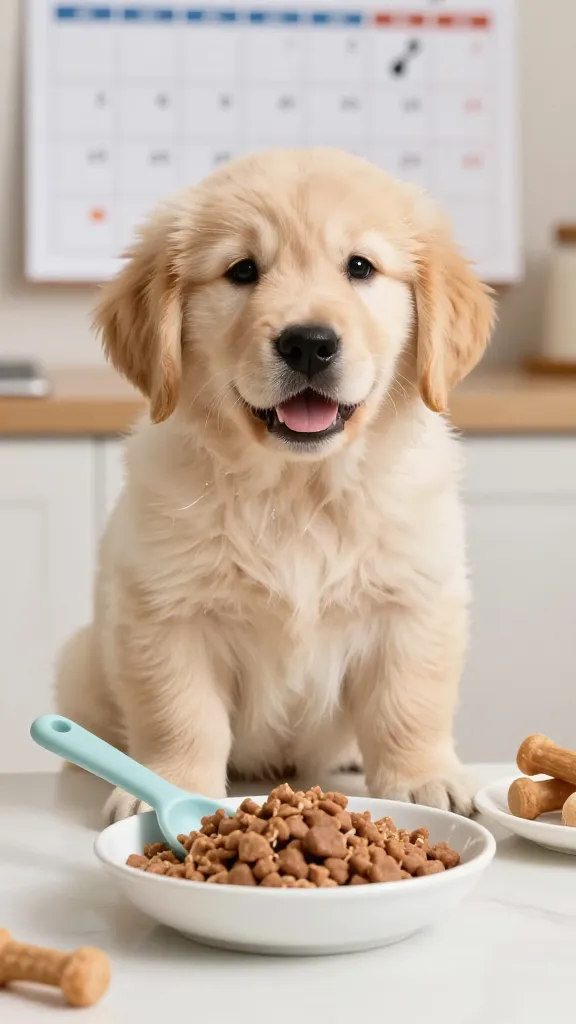
Healthy activity levels, dental care, and vaccination status all influence feeding. A pup that’s more active or teething differently may need small tweaks in portions or texture.
Notes to Consider:
- Active days = a touch more calories; calmer days = a touch less.
- Teething may cause temporary appetite dips; offer softer foods or wetter meals if approved by your vet.
- Regular dental checks can help you spot issues early—good nutrition supports healthy teeth and gums, too.
Always use this section as a reminder to check in with your vet if you notice unusual appetite changes or GI symptoms. Seriously, you know your pup best; when in doubt, book a quick consult.
As you implement these seven steps, you’ll likely see a happier, shinier puppy who eats with more delight and bounces around with renewed confidence. Trust me, this routine isn’t just cute on Instagram—it’s grooming a solid foundation for a healthy adult Golden Retriever.
Ready to start? Grab a plan, set reminders, and watch how smooth and joyful mealtimes become. You’ve got this, and your pup is going to thank you with the best tail wag therapy around.


