7 Ways to Train Your Dog to Relax at Home for Good
These tricks turn chaos into cozy in no time. You’ll see your pup settle faster, sleep deeper, and actually enjoy the calm—no drama required.
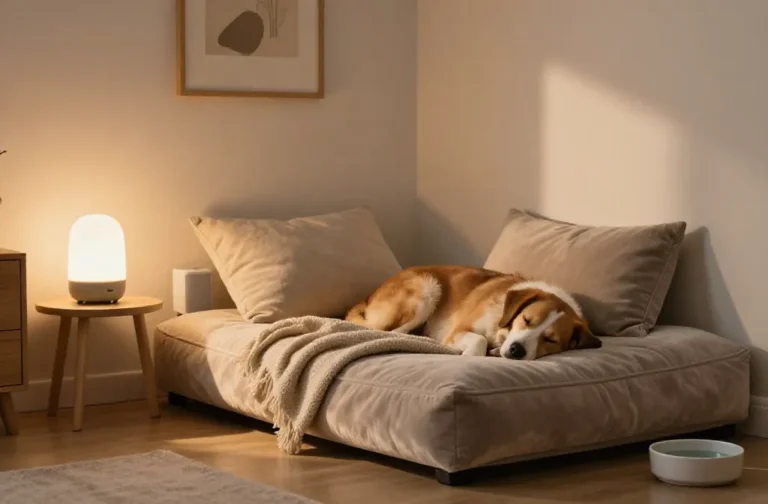
1. Create a Cozy, Safe Space Your Dog Can Call Home
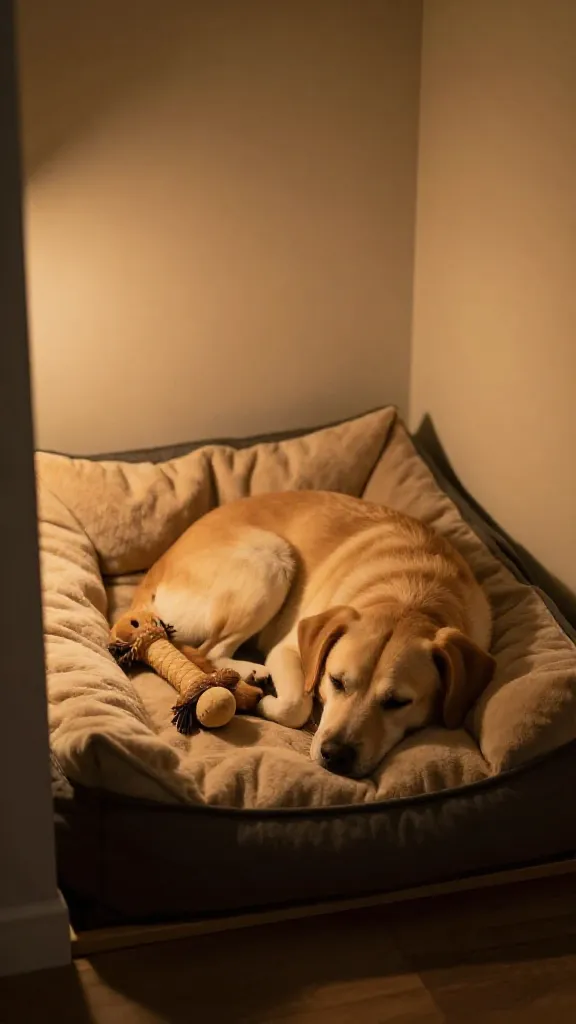
When a dog has a dedicated sanctuary, relaxation becomes its default response. It’s like a mini retreat that signals “everything’s okay.”
Key Points:
- Choose a quiet corner or a crate that feels like a den.
- Soft bedding, a familiar toy, and a low, gentle light help cue calmness.
- Keep the space consistently available, even during busy days.
This tiny corner works wonders because predictability reduces anxiety. Use it during thunderstorms, vet visits, or when guests arrive. FYI, consistency beats brute force when teaching calm behavior.
2. Teach a Practical “Relax” Cue That Actually Sticks
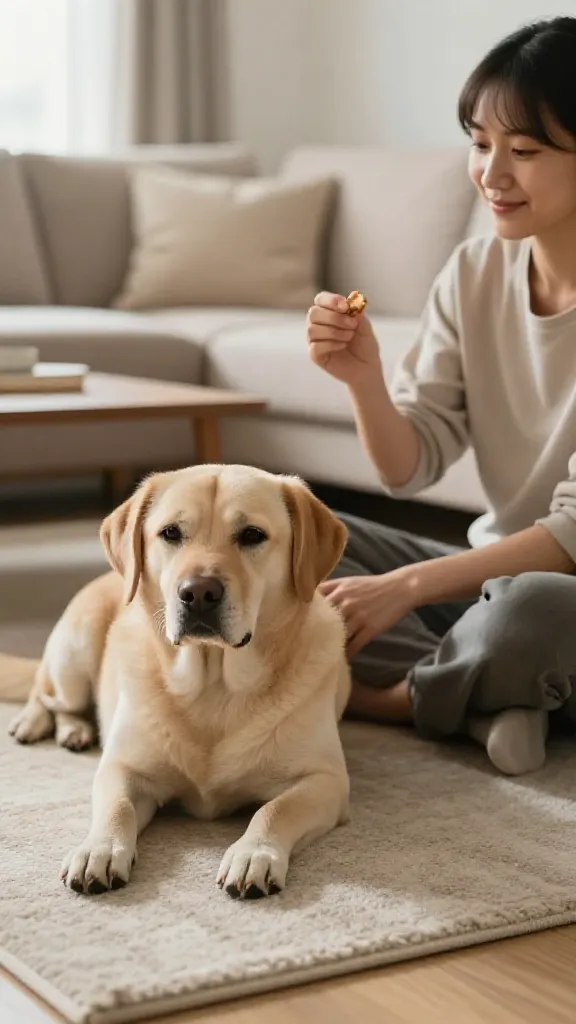
Giving your dog a simple verbal cue to relax creates a reliable tool you can pull out in any room at any time. It’s life-changing when you’re juggling work and play.
Training Steps:
- Catch the moment your dog naturally relaxes and mark it with a calm “relax.”
- Reward with a tasty treat and gentle praise.
- Gradually increase distance and add distractions, staying steady.
Keep sessions short, cute, and positive. The goal is a consistent, controllable calm response, not a one-off feast of treats. Trust me, you’ll thank yourself during long evenings with the kids or a noisy kitchen.
3. Use Gentle Pacing and Structured Breaks to Build Calm Endurance
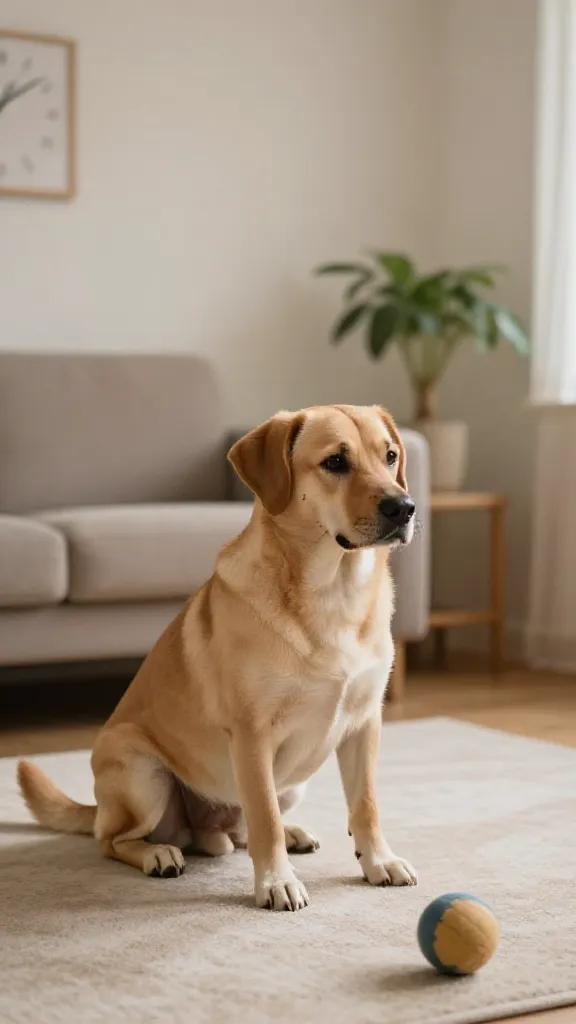
Relaxation is a muscle, and like any muscle, it grows with practice. Short, structured practice sessions build a dog’s tolerance for calm over the day.
Practical Plan:
- Schedule 3–4 quick practice bouts of 2–3 minutes each, spaced out.
- Between bouts, engage in light activity to avoid bottling energy up.
- End sessions on a high note with a calm reward playtime.
Endurance is everything. When your dog learns to stay relaxed through small, manageable bouts, bigger events won’t derail them. IMO this is a game-changer for families with constant noise or multiple pets.
4. Leverage Environmental Cactors Like Lighting, Music, and Scents
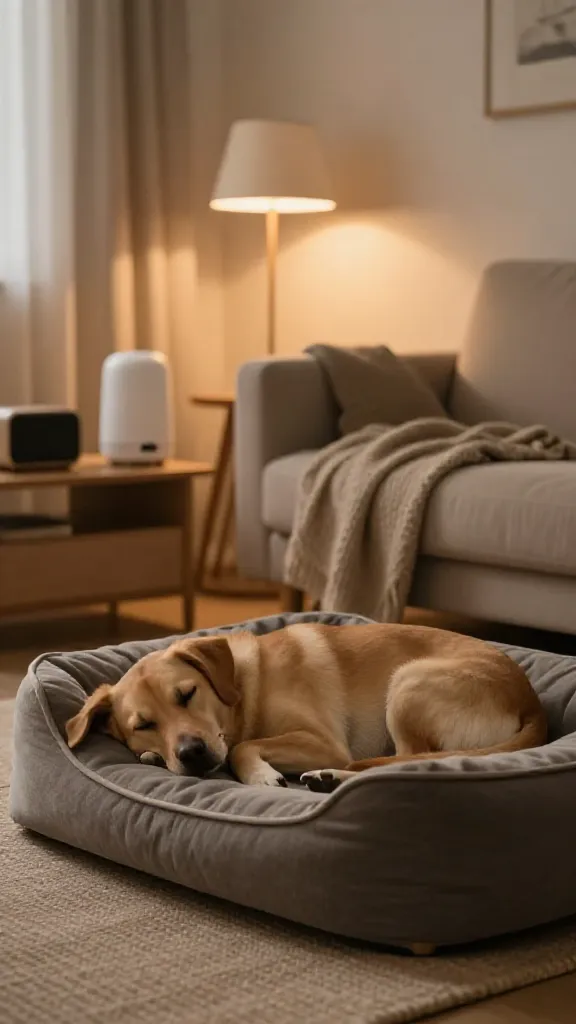
A little ambient magic goes a long way toward a calmer home. Subtle cues in the environment help your dog “switch on” relaxation with less effort.
What to try:
- Dimmed lights or a soft lamp during quiet times.
- Low-volume calming music or white noise to mask other household sounds.
- Dog-safe pheromone diffusers or a familiar-scent blanket.
These tools aren’t trickery; they set the stage for calm. FYI, consistency beats intensity here—keep the vibe the same during wind-down hours.
5. Practice “Relax on Cue” During Daily Activities
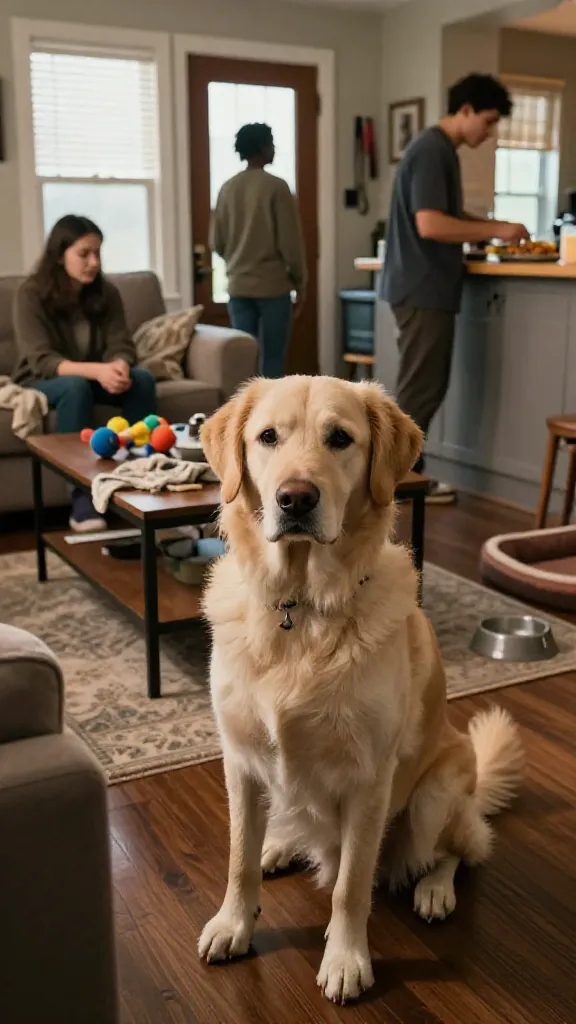
Incorporate relaxation into everyday life instead of saving it for training sessions. Real life is where your dog will actually use the skill.
How to weave it in:
- Before meals, ask for a relaxed posture and a sit-stay. Reward when calm.
- When guests arrive, cue calm and reward if the dog remains composed.
- During movie night or quiet time, shorten play and invite a settled posture instead.
Integrating calm into routine reduces stress finally and makes your dog feel secure. Seriously, small shifts add up fast.
6. Use Positive-Only Tools to Manage Excitement
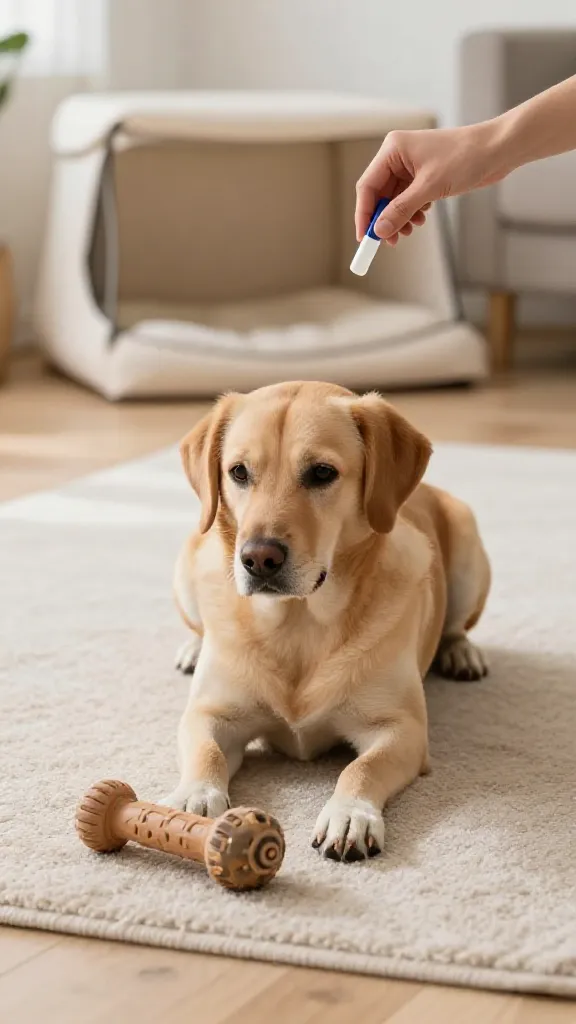
Detractors call it “soft,” but positive reinforcement is the hard truth behind lasting calm. You’re guiding, not scolding, and you’ll see better adherence to calm with time.
Recommended Tools:
- Treat-dispensing toys for focus without over-arousal
- Clicker or verbal marker to precisely reinforce calm moments
- Timeouts that are gentle and brief (not punitive)
By focusing on rewards for calm, you create a relationship where relaxation feels good and easy. Trust me, this approach saves you from escalating stress and frustration.
7. Build a Calm, Predictable Routine That Fits Your Life
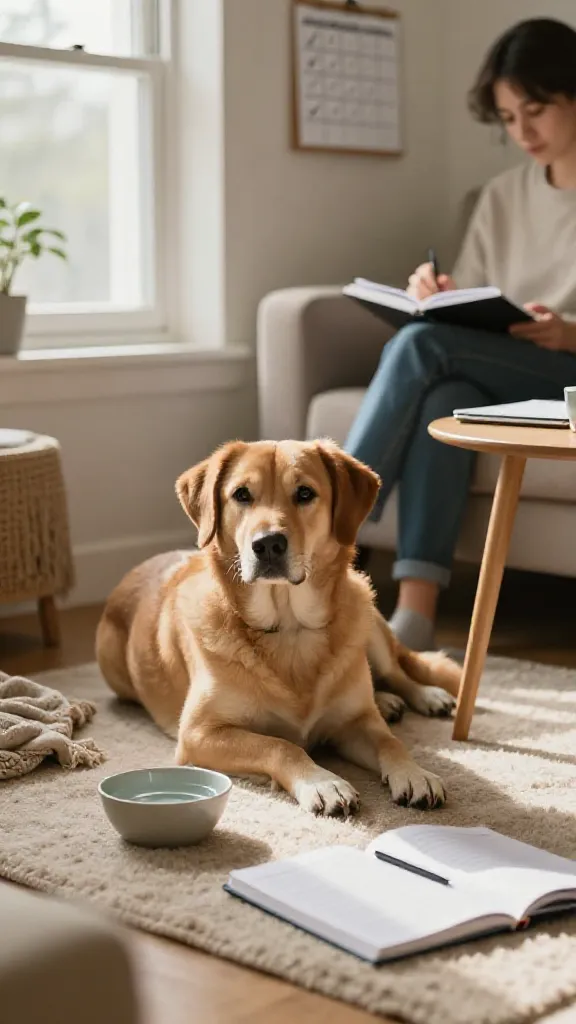
Consistency is the backbone of reliable calm. A routine your dog can anticipate reduces anxiety and makes behavior more manageable for you, too.
Rough Framework:
- Morning wind-down, mid-day reset, and evening calm blocks (adjust to your schedule).
- Ignore the urge to “fix it all at once.” Progress is gradual and steady.
- Track milestones in a notebook or app so you see the gains clearly.
With a predictable rhythm, your dog greets the day with confidence and ends it in comfort. IMO, this single habit makes everything smoother—fewer dramatic moments and more cozy nights.
By mixing these seven approaches, you’ll turn your home into a sanctuary where your dog naturally settles down. The best part? You’ll get more peace, more cuddles, and fewer barking-fit moments to deal with after a long day. Seriously, it’s easier than you think when you approach relaxation like a friendly, consistent coach.
Conclusion: Your dog can learn to relax at home without turning your life upside down. Pick a couple of these ideas, start today, and celebrate the small wins. You’ve got this—and your pupper will thank you with even more chill vibes.