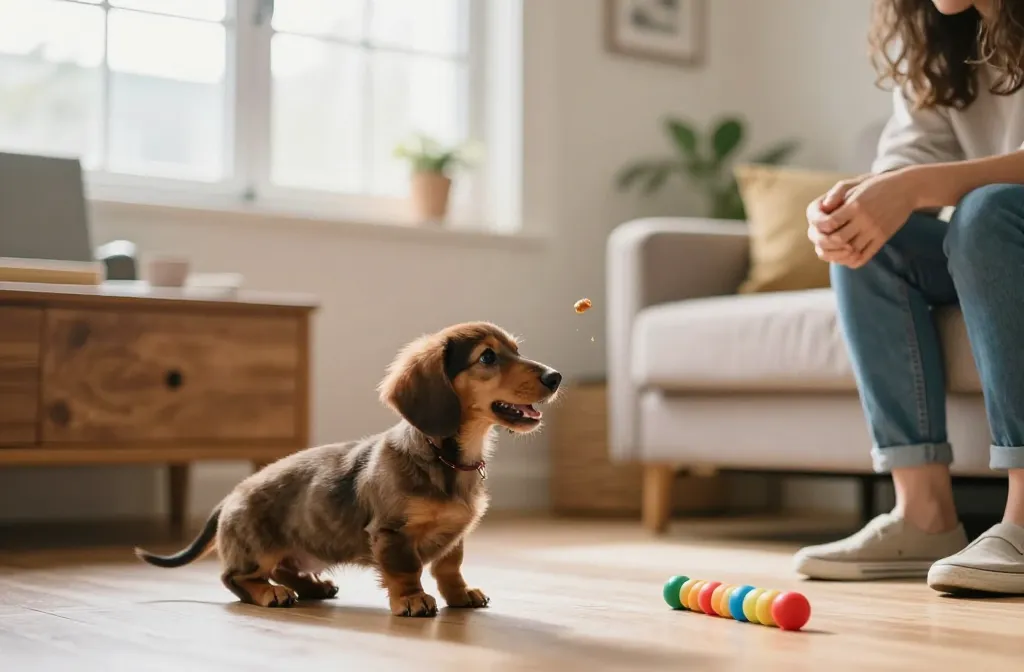
7 Dachshund Puppy Training Tips for New Owners
Okay, you adopted a tiny hot dog with legs that somehow outrun your patience. These 7 tips are your fast track to a well-behaved, goofy little buddy who actually enjoys training. Let’s jump in and make pup-parenting feel doable and fun.
1. Start With Short, Sweet Sessions
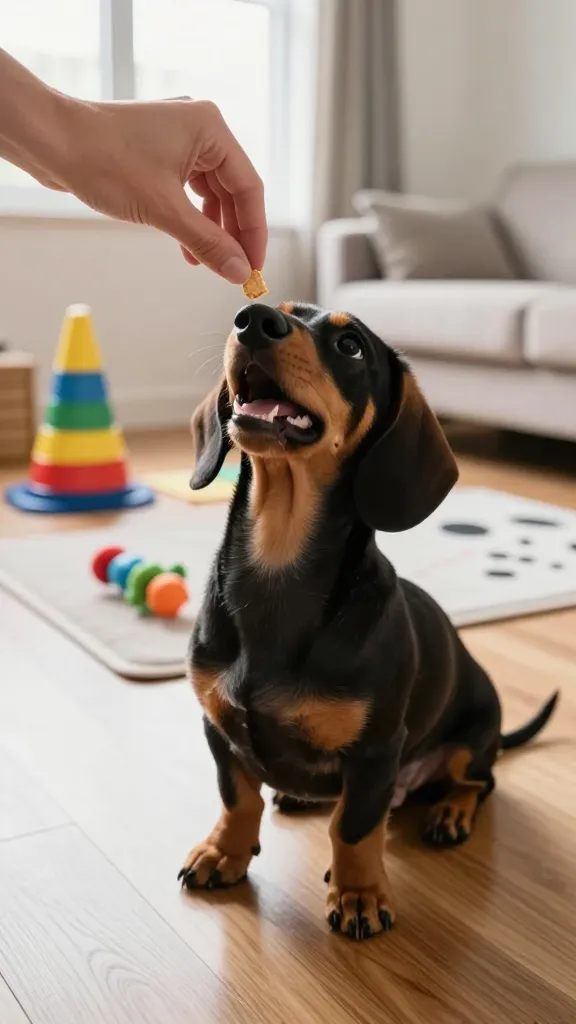
Your pup has the attention span of a squeaky toy. Short, frequent sessions beat long, boring ones every time. Keep things brisk, engaging, and end on a high note so they actually look forward to training.
Why it works – Dachshunds get bored easily and can shut down if you drag it out. Short bursts prevent frustration and build a positive association with training.
Tips
- Keep sessions 5–8 minutes max
- Practice 2–3 times per day, not just once
- Use a cheerful tone and a quick reward
End with a tiny win, like a successful sit, then a cuddle. Benefits? Consistent progress without the drama or guilt trips.
2. Teach the Basics Early: Sit, Stay, and Come
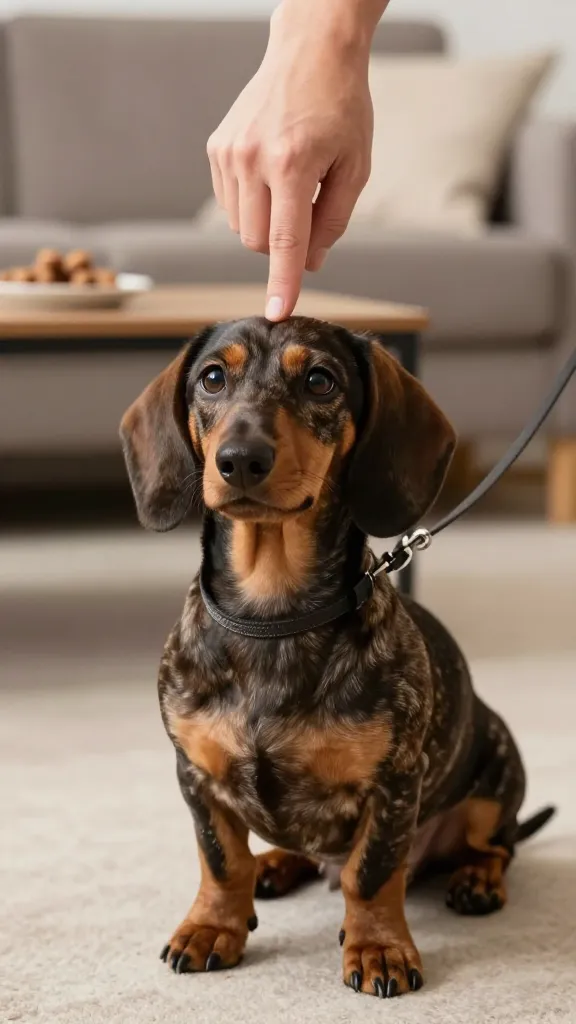
Basics create the backbone of good behavior. Start with sit, then gradually layer in stay and recall. Your future self will thank you when your pup isn’t bolting toward the treat shelf.
Why it matters – A solid foundation protects them in risky situations and makes everything else easier.
Key Points
- Use a clear hand cue with the verbal cue
- Reward immediately after the behavior
- Practice in different rooms and with distractions
Tip: keep a consistent command word and timing so they don’t get confused. Trust me, consistency is your secret weapon.
3. Manage the Bark: Gentle Socialization

Dachshunds can be vocal watchdogs. Socialization reduces anxiety and prevents overreacting at every leaf that rustles. Do it gently, and do it early.
Approach – Short, positive exposures to new people, pets, and environments help them stay calm and curious rather than terrified.
Socialization Plan
- Short park visits with a calm vibe
- Controlled meetings with friendly dogs
- Introduce new sounds (vacuum, doorbell) at low volume
The benefit? A pup that’s more confident and less yappy. IMO, that’s a win for everyone in the house.
4. Nail the Environment: Puppy-Proof the Space
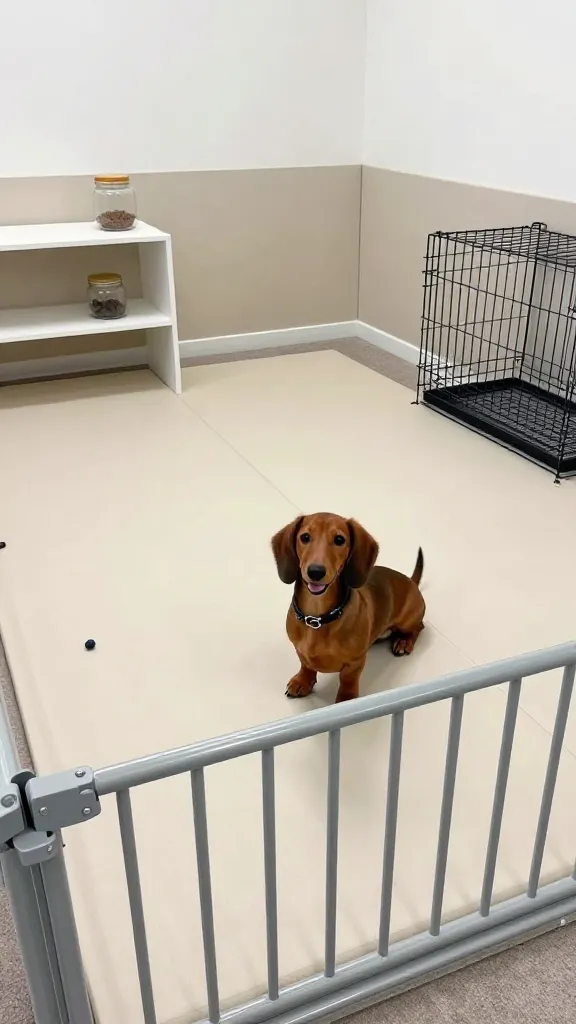
A clean, safe space turns training into a breeze. If the pup can’t reach a boundary, you won’t fight the impulse to chase the empty treat jar across the room.
Practical setup – Create a designated training spot, stash treats at easy reach, and remove tiny chewables from questionable corners.
Checklist
- Baby gates to limit roam
- Hidden cords and small objects out of reach
- Low-value distractions during meals
By shaping the space, you reduce stress and boost focus. Seriously, the training payoff is immediate when there’s less chaos.
5. Positive Reinforcement: Treats, Toys, and Trust

Dogs respond best to rewards that feel like a win. Use a mix of treats, praise, and play to reinforce the right behaviors. The goal is training that feels like a game, not a chore.
What to use – Choose tiny, tasty treats, a favorite toy as a jackpot, and lots of verbal encouragement.
Rewards Strategy
- Kick off with a high-value reward for new tasks
- Switch rewards to maintain interest
- End sessions with a treat and a cuddle
IMO, the right rewards create a positive loop: pup works, gets a prize, repeats. Your bond deepens and training sticks better than any command book.
6. Crate Training: Comfort, Not Confinement
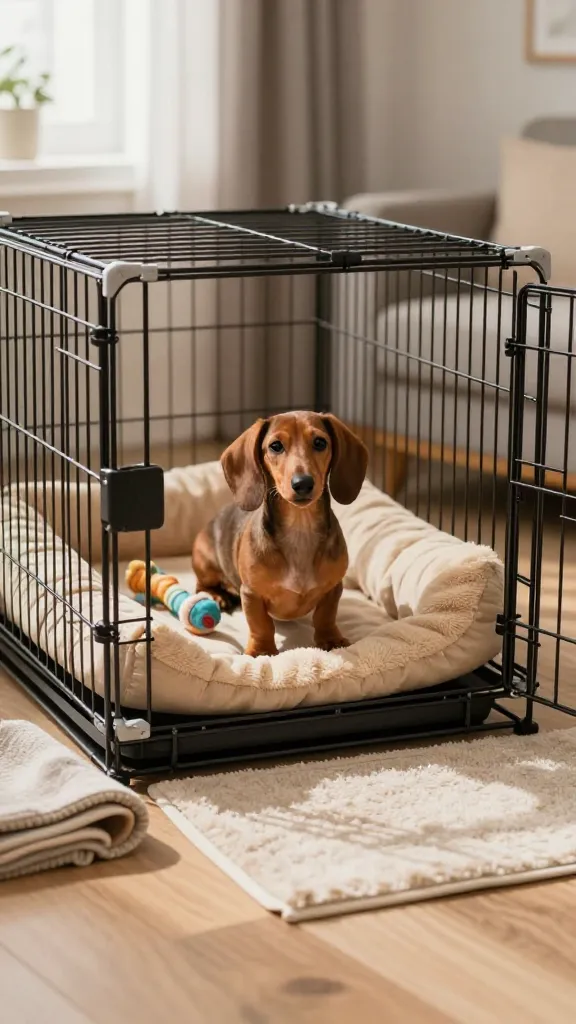
<pCrate training isn’t about punishment; it’s a cozy den where they feel safe. A happy crate marks boundaries without guilt trips and keeps accidents at bay.
Approach – Introduce slowly with comfy bedding, a chew toy, and a calm routine. Leave the door open during the day so they can explore on their terms.
Helpful Practices
- Use the crate for naps and overnight sleep
- Feed meals inside the crate to build positive associations
- Gradually extend crate time as they stay calm
Benefits? Less crate anxiety, better house training, and a pup who views you as the coolest human in the room.
7. Consistency, Patience, and Real-Life Practice
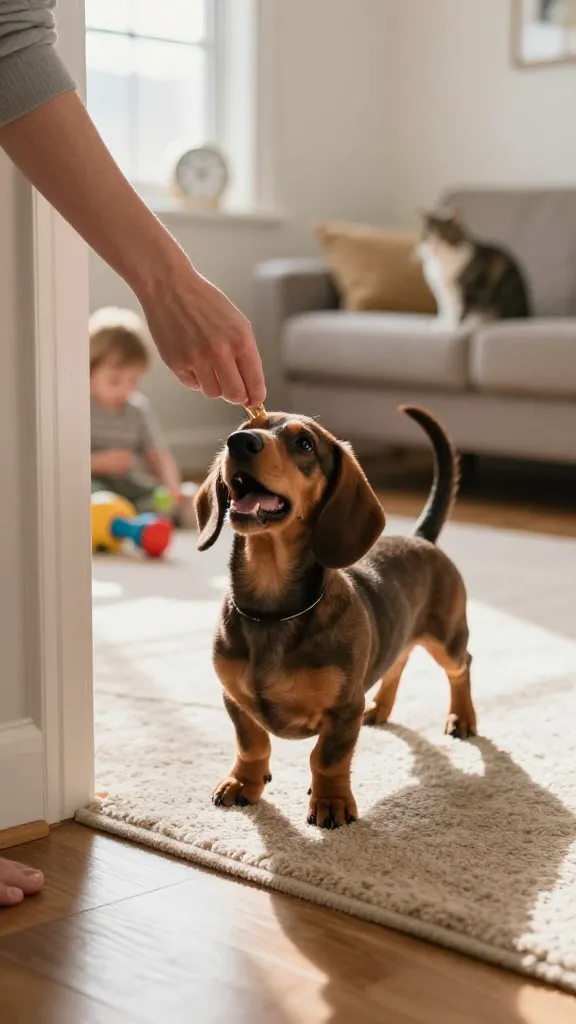
<pTraining a dachshund puppy is a marathon with occasional sprints. Consistency beats intensity, and patience turns tiny breakthroughs into lasting habits.
Daily routine – Short practice blocks, predictable feeding times, and gentle repeat exposure to real-world situations.
Real-World Tips
- Incorporate training prompts into daily routines
- Use doorways and transitions as practice opportunities
- Keep a progress journal to celebrate wins and adjust when needed
The payoff is a well-adjusted pup who can handle a busy household and bratty siblings (whether they’re humans or cats). FYI, consistency is your best friend here.
Ready to dive in? These seven tips are your quick-start guide to a happy, trainable dachshund puppy who’ll grow into a confident, well-behaved companion. Trust me, the payoff is priceless when that little sausage dog looks up at you with big eyes and a wagging tail.
Time to grab those treats, cue the praise, and start making magic happen—your dachshund future self will high-five you from the foot of the sofa.