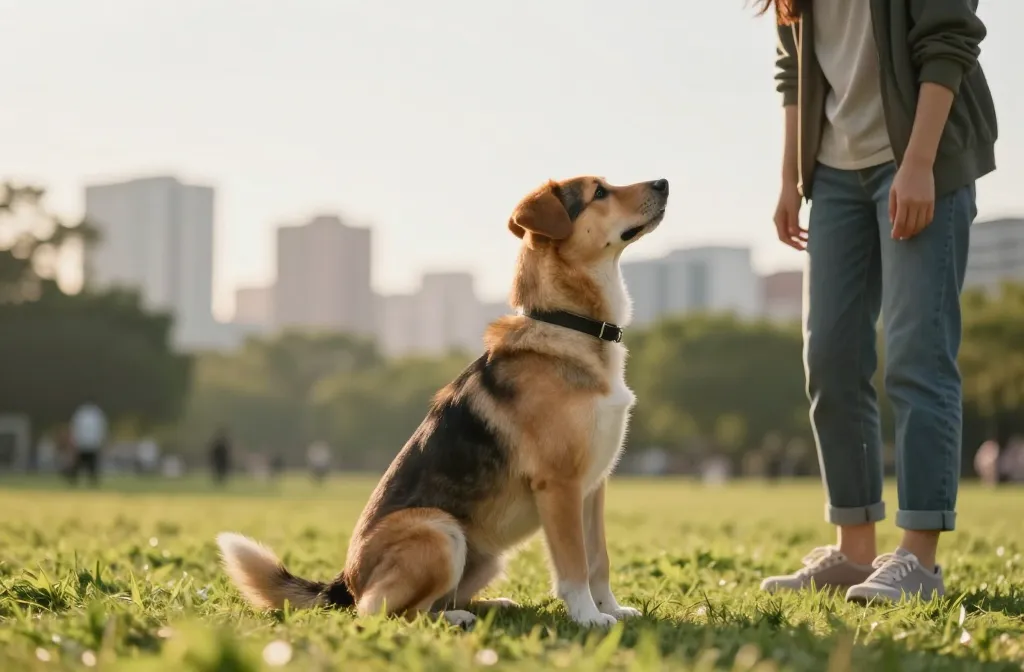
7 Dog Training Timeline Stages Every Owner Should Follow: Quick Wins
Let’s cut the fluff and get your pup from chaos to charm in record time. These seven stages keep training focused, doable, and actually fun for both of you. FYI, consistency > chaos here.
1. Puppy Arrival: Set the Stage for Success
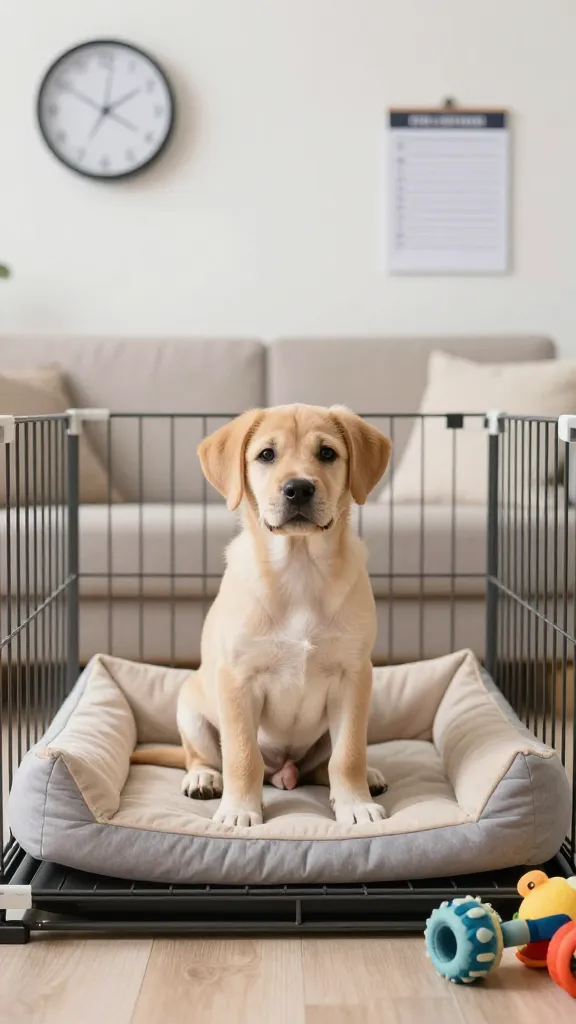
The first weeks set the tone for everything that follows. You want clear signals, safe spaces, and a plan you can actually stick to without losing your mind.
What to do right away
- Designate a comfortable crate or puppy pen to create safe boundaries.
- Begin a predictable daily routine for meals, naps, potty breaks, and play.
- Start simple manners: quiet mouth, gentle greetings, and no jumping at you.
Small wins early compound fast. Your future self will thank you when potty accidents become rarity and calm greetings become the norm.
2. Socialization Sprint: Meet the World Safely
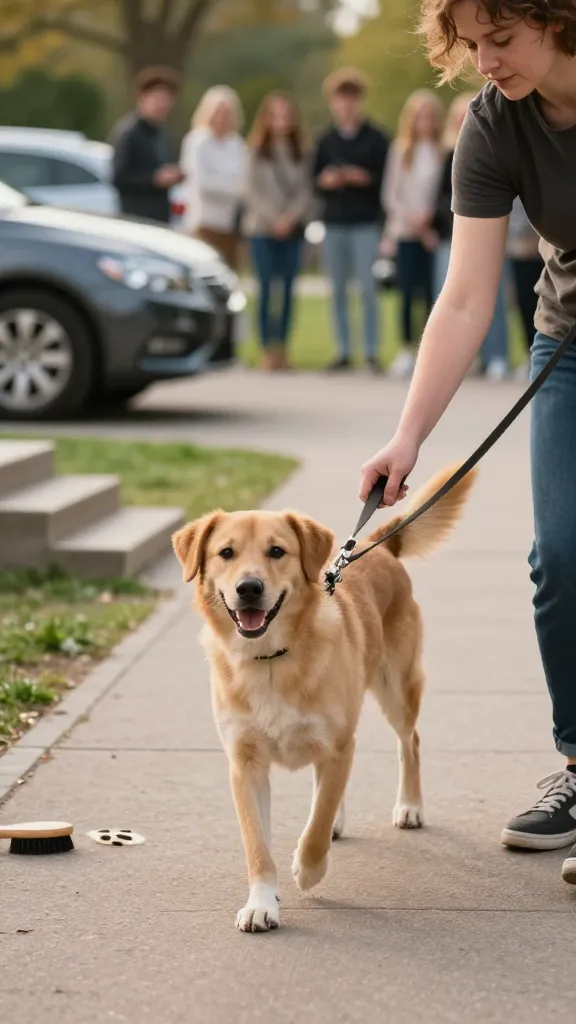
Socialization isn’t just “meet people.” It’s shaping how your dog perceives new places, sounds, and friends for life. Do it right, and you’ll dodge a ton of fear and reactivity later.
Key focus areas
- Controlled exposure to different environments (park, car rides, stairs).
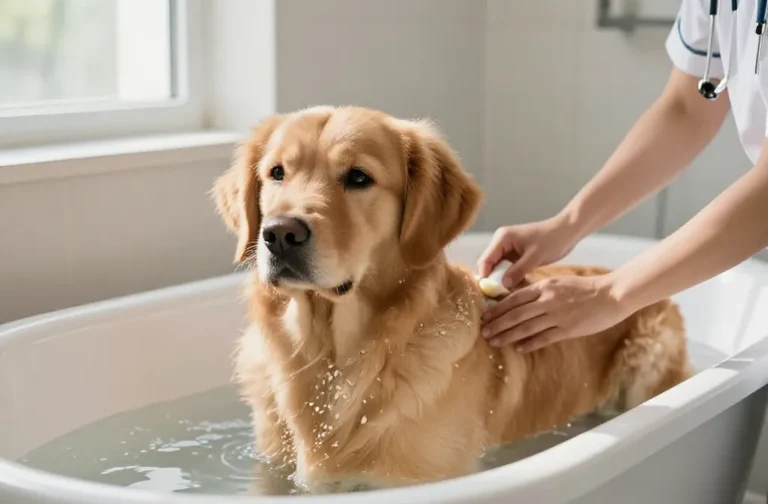
- Positive associations with handling (brushes, paws, ears).
- Friendly, non-threatening introductions to other dogs and humans.
Keep sessions short, positive, and always end on a happy note. Trust me, a well-socialized pup is a joy in almost any setting.
3. Basic Cues Foundation: Sit, Stay, Come, Go
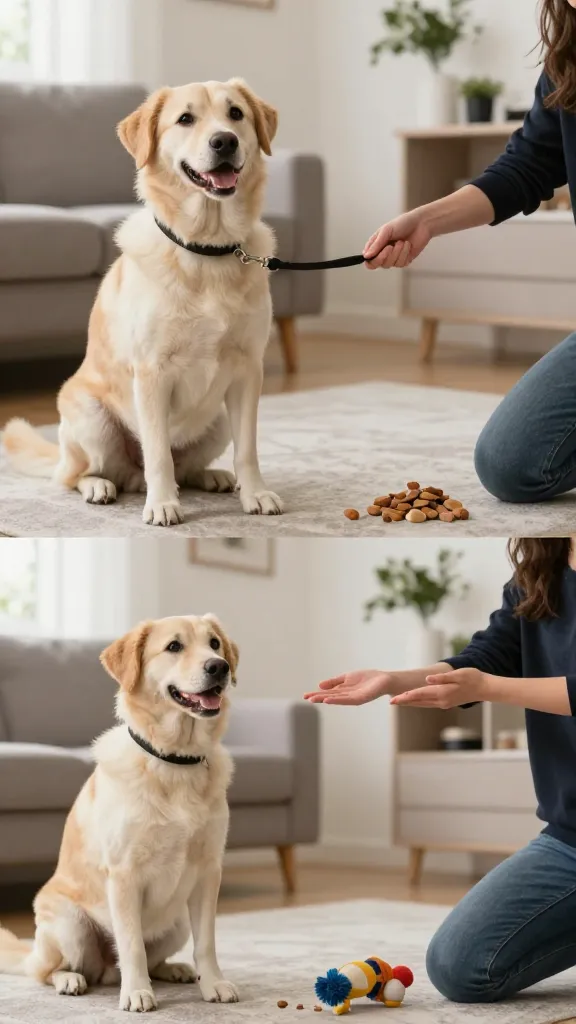
Think of this as the alphabet for dog obedience. Mastery here makes everything else easier and safer down the line.
Practical framework
- Use short, upbeat commands paired with a clear hand cue.
- Reward immediately for correct behavior with high-value treats or a favorite toy.
- Practice in short, frequent sessions across different rooms and outdoors.
Consistency is your best friend. If you slip up, reset quickly and make the next attempt smoother. This stage pays dividends when you need real reliability during walks or visits.
4. Impulse Control Milestones: Loose Leash, Quiet, Pause
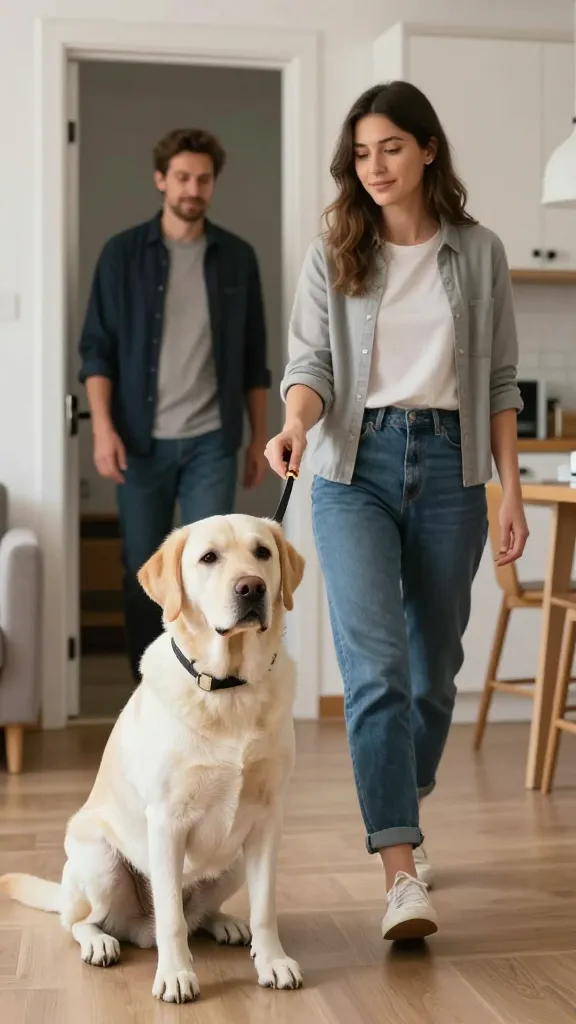
Impulse control is the secret sauce that prevents chaos in busy moments. Think of it as self-control training you both can be proud of.
What to train first
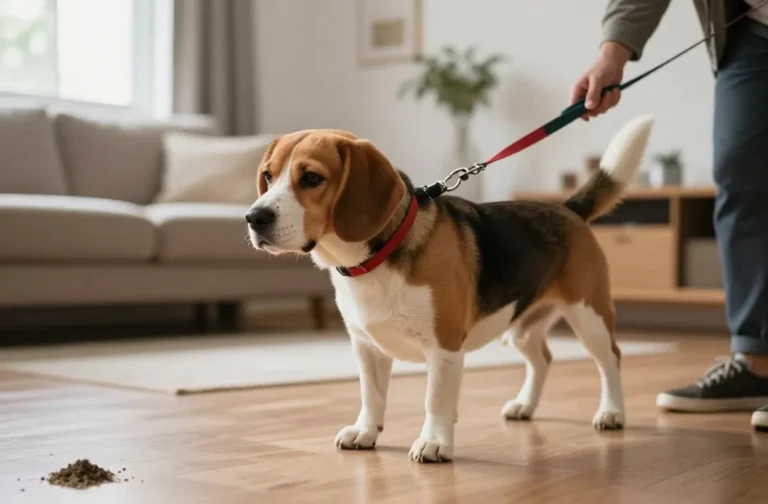
- Loose leash walking: gentle, steady, no pulling.
- Quiet moments: stopping barking or whining on cue.
- Pause and wait: before meals, doors, or greeting people.
Short sessions with real-life applications beat lengthy drills. You’ll see calmer behavior during vet visits, trips, and family gatherings.
5. Intermediate Tricks and Tasks: Fun with Focus
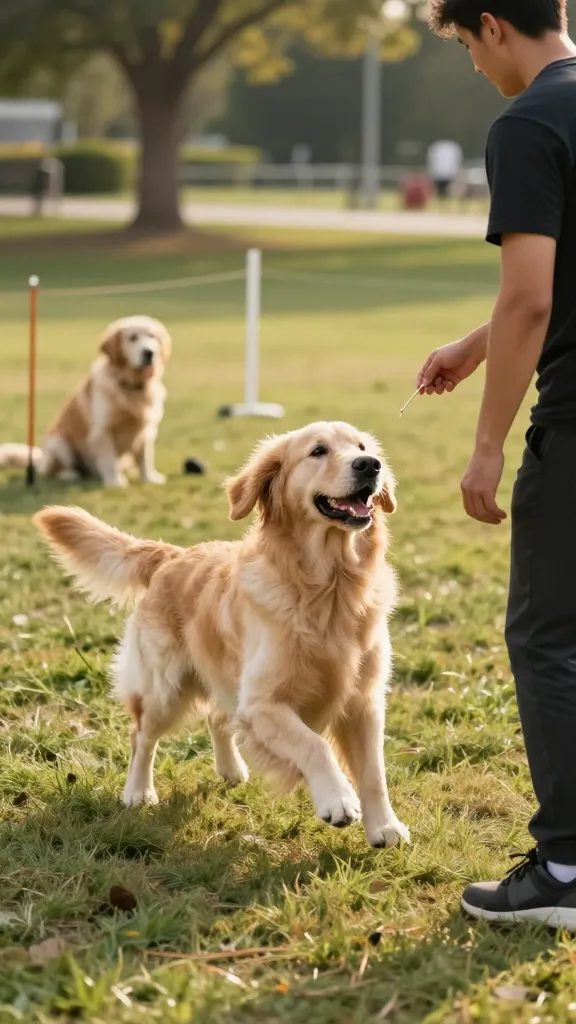
This is where training starts to feel like a game your dog actually enjoys. It builds confidence and keeps things fresh.
Ideas to level up
- Targeting and shaping behaviors for creativity (spin, bow, touch).
- Distance work: sit-stay or down-stay with increasing space.
- Solid recall in low to moderate distraction environments.
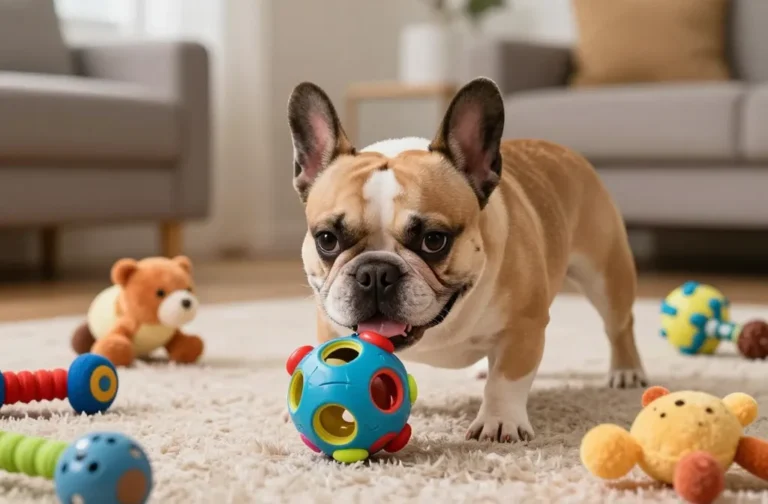
Mix play with learning, and watch your dog stay engaged without burning out. FYI, a bored dog is a mischievous dog, and you don’t need that drama.
6. Real-World Reliability: Busy Places and Distractions
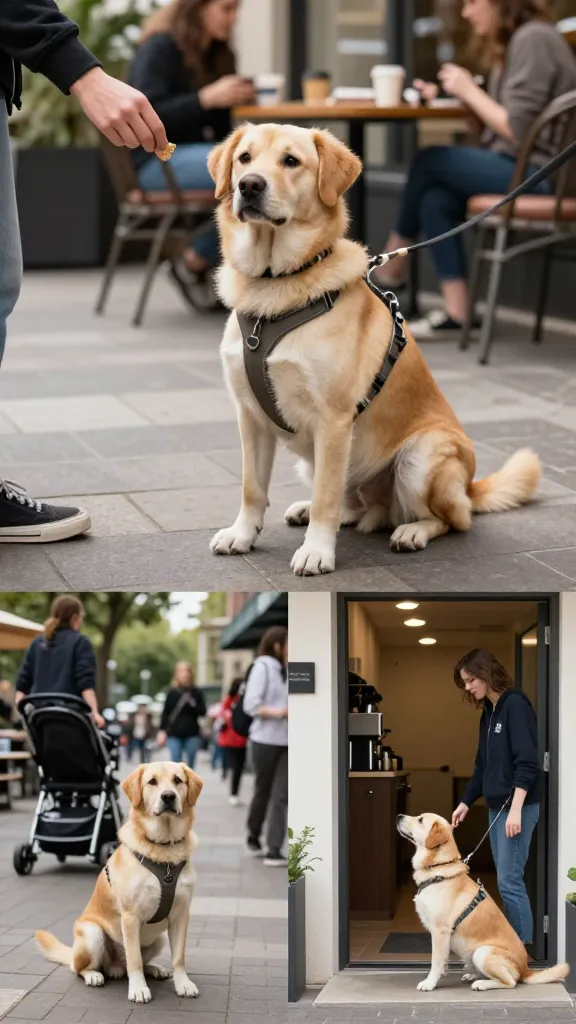
You’ve got the basics; now you test them where life actually happens. This is where most households see the real shift.
How to approach
- Gradually increase distractions during training sessions.
- Maintain cues and rewards in varied environments (coffee shop, park, apartment hallway).
- Practice emergency exit routines and controlled greetings with guests.
When your dog can respond under pressure, you’ve built durable skills. This stage makes daily life smoother and your walks epic rather than chaotic.
7. Mastery and Maintenance: Training as a Lifestyle
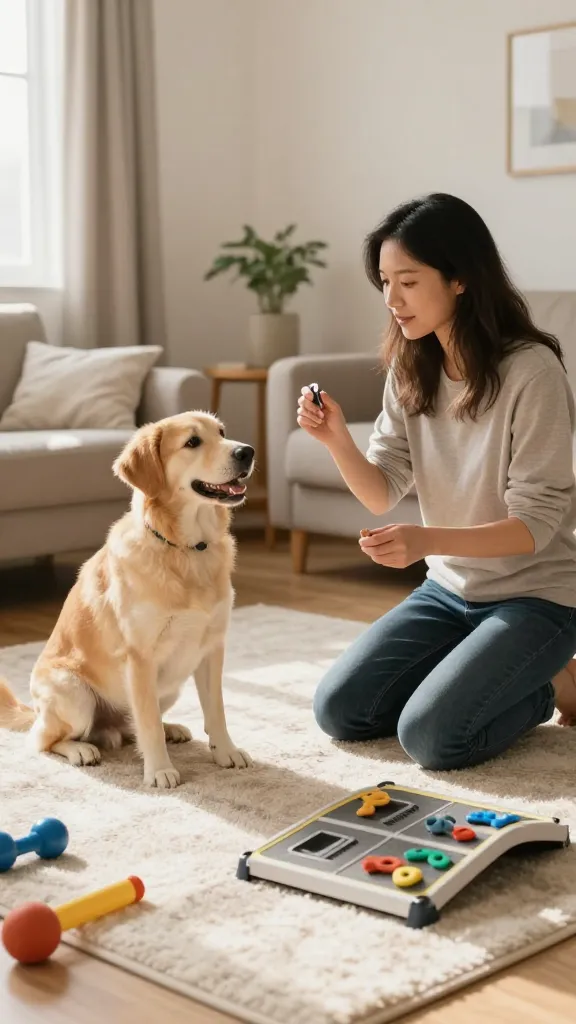
You’re not done—you’re just getting started. A strong training foundation becomes part of your routine, not a weird phase you outgrow.
Maintenance plan
- Keep short, regular sessions to reinforce basics.
- Rotate cues and tricks to keep mental stimulation high.
- Schedule periodic confidence-building activities and refreshers.
By weaving training into daily life, you’ll enjoy a lifelong bond with your dog and a home that feels significantly calmer and more connected.
Ready to start? Pick a stage, set a realistic goal for this week, and celebrate the tiny victories. Seriously, progress compounds faster than you think, and your dog will thank you with wagging tails and extra cuddles.
Conclusion: You’ve got this. Take it one day at a time, stay consistent, and enjoy the journey. Your future self and your dog will thank you for sticking with these seven stages.