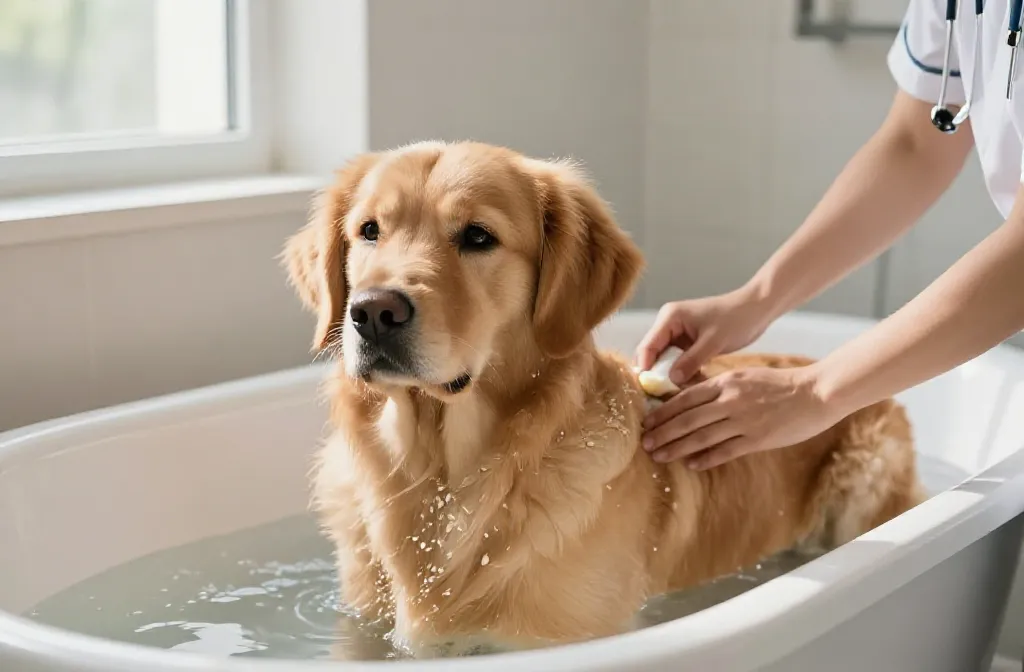
6 Natural Remedies for Dog Skin Problems to Discuss with Your Vet
If your pup’s itching is making them miserable, you’ve got this. These natural remedies light up when paired with professional care, and they’re surprisingly doable at home. Let’s dive into six friendly, vet-approved ideas you can bring to your next checkup.
1. Oatmeal Baths That Actually Help Soothe the Itch
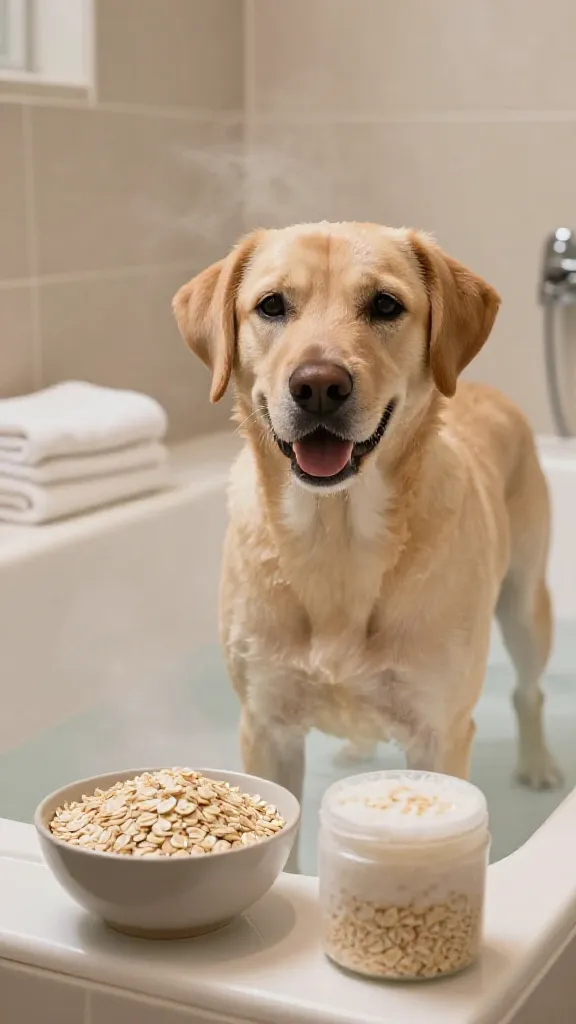
Oatmeal isn’t just for breakfast—it’s a superhero for sensitive dog skin. A warm bath with colloidal oatmeal can calm inflammation and moisturize dry patches. It’s easy, affordable, and something many pups tolerate well.
Why it works
- Soothes irritated skin and reduces redness
- Locks in moisture after a bath
- Gentle enough for daily or every-other-day use when needed
Want to do it right? Use lukewarm water and a finely ground colloidal oatmeal product. Avoid adding soap or fragrances that could aggravate hotspots. FYI, dry the fur gently with a towel, then let your pup air-dry a bit—no rubbing!
2. Coconut Oil: Gentle Moisture for Dry Patches
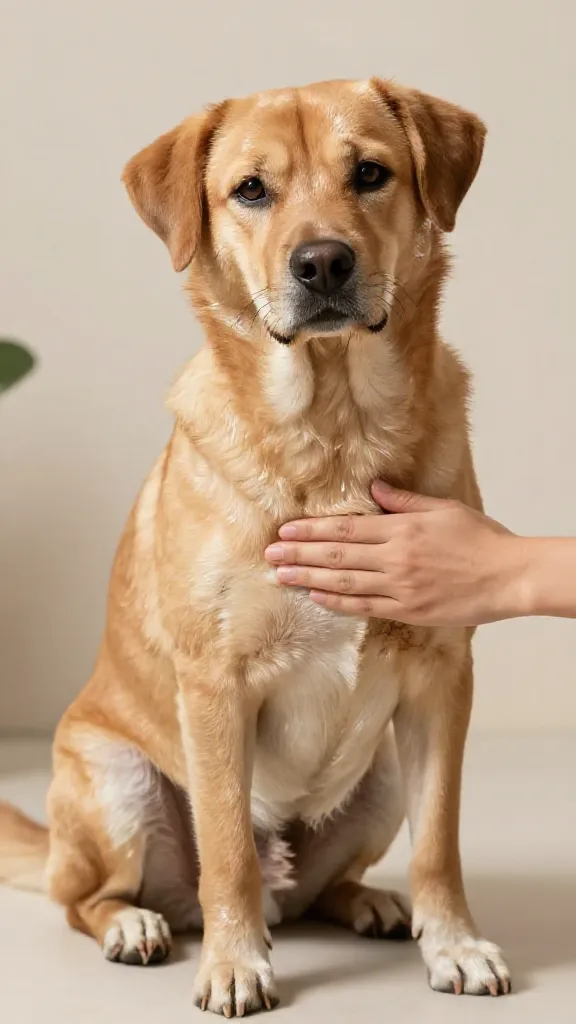
Coconut oil is the classic “snack for skin” you’ll hear about a lot. Applied topically, it can help seal moisture, soothe minor irritation, and shine up dull coats. Just don’t overdo it—excess can lead to greasy fur and tummy troubles if ingested in large amounts.
How to use it
- Apply a small amount to dry, irritated areas
- Massage in gentle, circular motions
- Consider a tiny dab on the ears or elbows if those spots are dry
Quality matters: choose organic, virgin coconut oil and test a small patch first to rule out any allergic response. Trust me, a little goes a long way and your pup will thank you with a wag.
3. Apple Cider Vinegar (ACV) Rinse for Minor Irritations
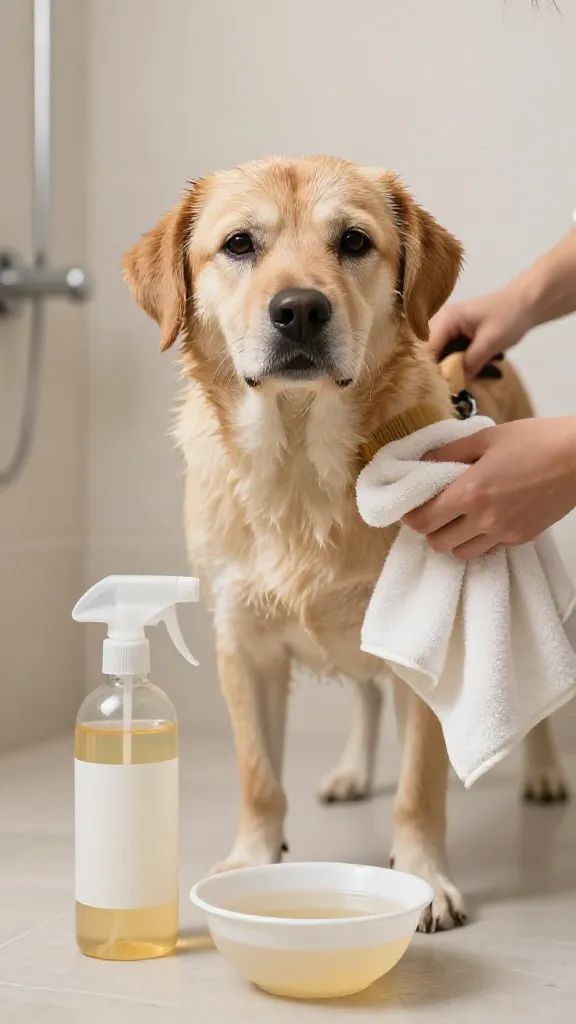
ACV has fans and skeptics, but when diluted properly, it can help balance the skin’s pH and keep bacterial or fungal overgrowth in check on minor hotspots. It’s not a cure-all, so use it with vet guidance and skip if your dog has open wounds.
Do it right
- Mix one part ACV with three parts water for a rinse
- Apply after a bath or on dry skin in small areas
- Rinse off thoroughly and dry gently
Pro-tip: never apply undiluted ACV to broken skin. If your dog licks it off, give a small treat and monitor for upset stomach. Seriously, moderation is key here.
4. Aloe Vera Gel: Calm, Cool Skin Without the Fuss
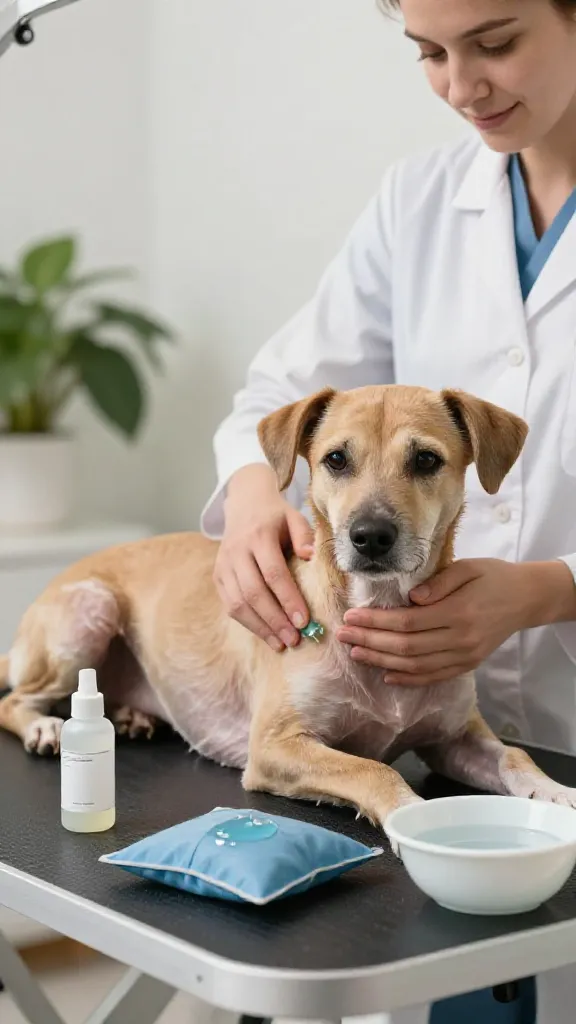
Aloe vera is a soothing option that many dogs tolerate well. Look for pure aloe vera gel (no added fragrance or alcohol) and test a tiny area first. It can help with redness and minor irritation after grooming or exposure to irritants.
Quick-start guide
- Use a small amount on clean skin
- Cool it in the fridge for extra soothing relief
- Observe for any reactions over 24 hours
Note: avoid applying it near the eyes or mucous membranes. If your dog has a known allergy to plants in the Liliaceae family, skip this one and chat with your vet first. IMO, it’s less messy than some other options and easy to reuse on future flare-ups.
5. Epsom Salt Soaks for Soothing Relief and Paws
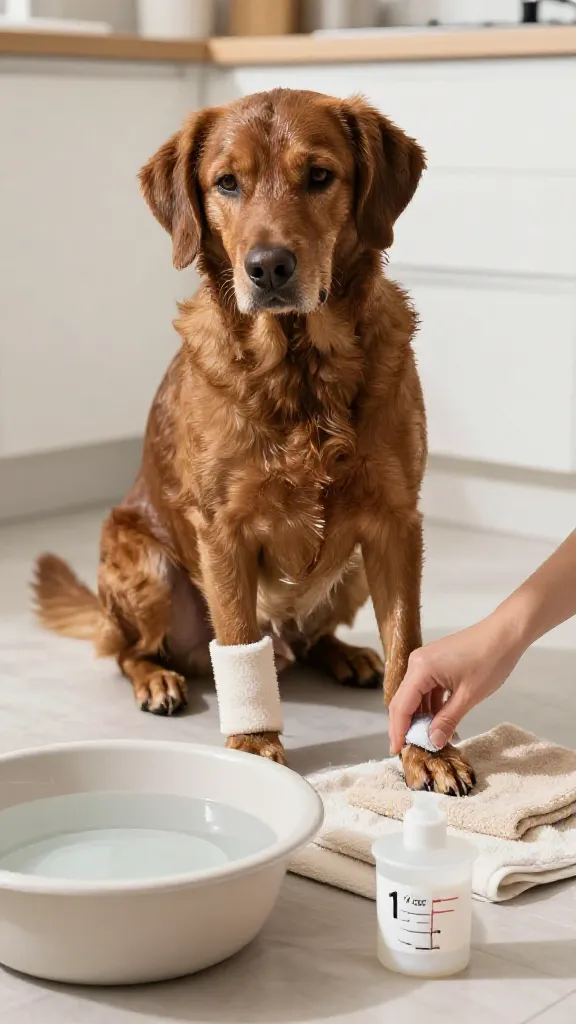
Soothing socks and paw baths with Epsom salt can help calm itchy paw pads and skin around the toes. It’s a simple routine that can make a big difference, especially after long outdoor adventures or winter salt exposure.
Simple soak plan
- Mix 1/2 cup Epsom salt per gallon of warm water for a paw soak
- Soak for 5–10 minutes, then rinse and dry completely
- Follow with a thin layer of a soothing balm or oil on the paws
Benefits show up as reduced licking and less redness after a few sessions. FYI, use only for paws if your dog won’t tolerate full-body soaking. And, as always, check with your vet if you see swelling or signs of infection.
6. Probiotic Topicals and Gentle Skin Care Routines
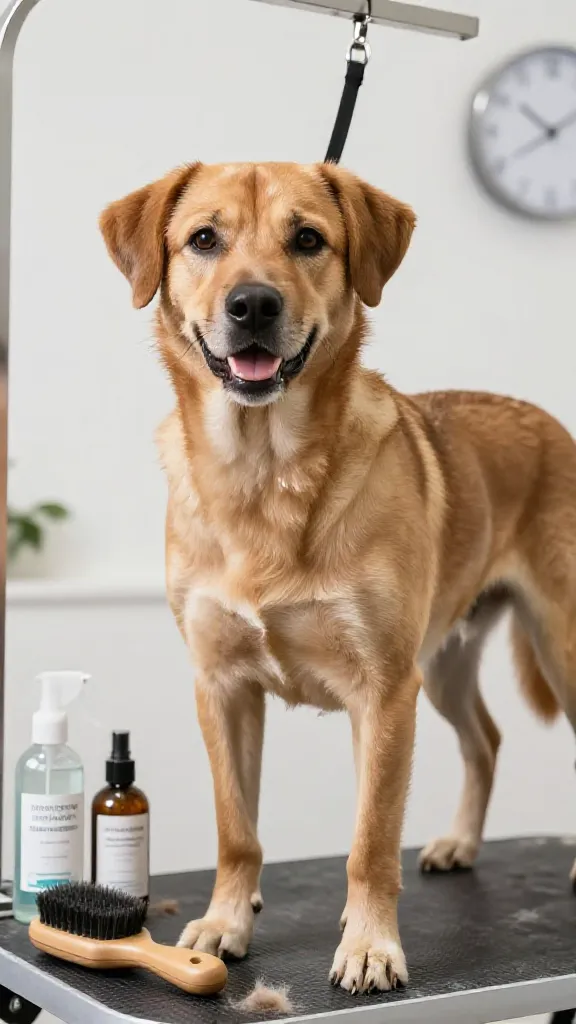
Healthy skin starts from the inside, but a gentle topical routine can reinforce good results. Probiotic sprays or serums, along with a consistent grooming schedule, can support skin barrier function and reduce irritation caused by environmental stressors.
What to look for
- Topicals with added probiotics or prebiotics
- Fragrance-free cleansers and hypoallergenic shampoos
- Short, regular brush-outs to remove loose fur and distribute natural oils
Building a routine around regular baths, targeted spot care, and mindful brushing helps maintain smoother skin longer. Trust me, consistency beats drama in this arena.
If you’re wondering whether to try one of these ideas, the best move is to discuss with your vet first. Some remedies can interact with medications or be unsuitable for certain skin conditions. IMO, a quick chat can save time and keep your pup comfy and safe.
Conclusion: You’ve got six practical, dog-friendly options to discuss with your vet. Pick one or two to start, monitor how your pup responds, and adjust as needed. With a little testing and the right plan, your pup’ll be back to their sunniest, most snuggly self in no time.