7 Labrador Puppy Training Schedule Ideas for New Owners
If you just adopted a fluffy chaos machine, you’re in the right place. These seven training schedules are practical, approachable, and actually fun. FYI, consistency beats intensity, and your pup will thank you with wagging tails.
1. Morning Routine Mastery: Set the Tone for the Day
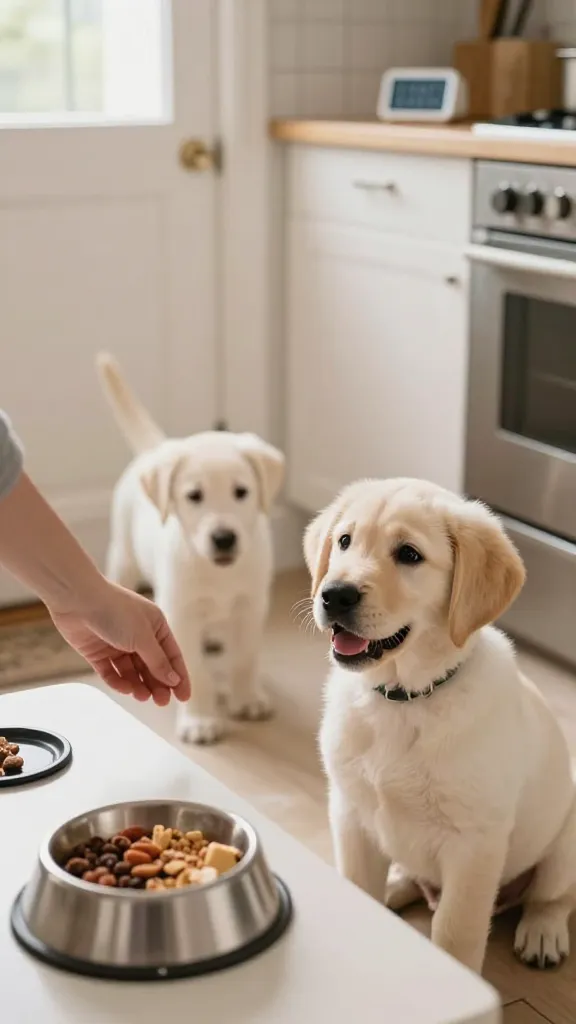
Mornings set the tempo for the whole day, especially with a Labrador’s high energy. A clear routine helps your pup know what to expect and cuts down on mishaps before breakfast.
Key Points
- Short, structured potty breaks (5–7 minutes) right after waking
- 10 minutes of focused basic commands (sit, stay, come)
- Healthy breakfast with a calm transition from play to meal
Keep it simple: repeat the same steps each day so your pup learns the flow. Trust me, consistency beats improvisation here.
2. Midday Focus Breaks: Train in Short Bursts
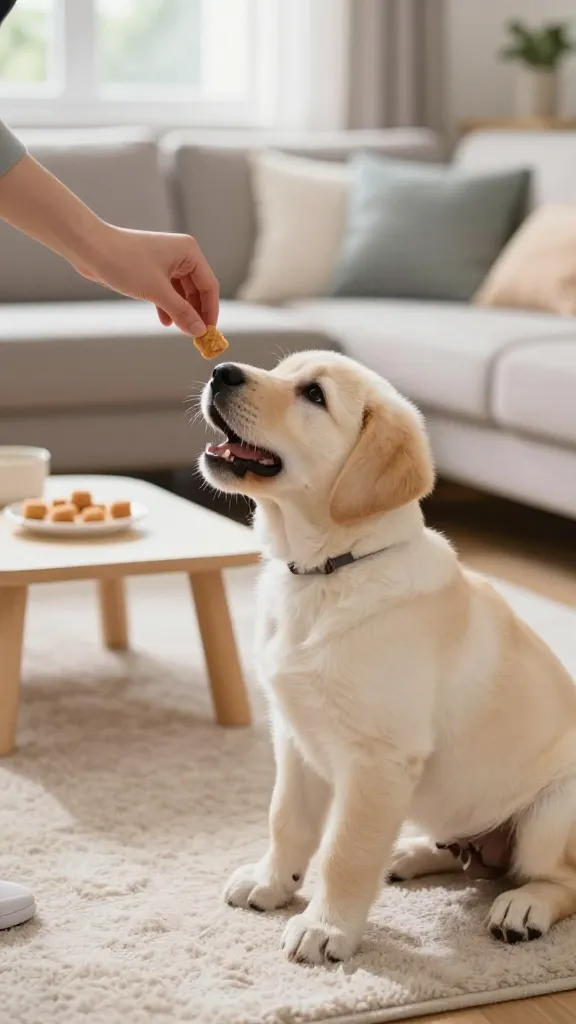
Labradors soak up training when you break it into tiny, easy-to-digest bites. A midday session helps curb zoomies and makes training feel like a game rather than chores.
Tips
- Two 3–5 minute sessions between naps
- Incorporate a few new cues gradually
- Use treats strategically to reinforce success
Benefits show fast: better attention spans, less destructive energy, and a happier pup. IMO, small wins keep motivation high for both of you.
3. Socialization Schedule: Gentle Exposures for a Friendly Adult

Socialization isn’t just playdates; it’s shaping confidence around people, dogs, and noises. A thoughtful exposure plan makes your Labrador confident, not anxious.
Structure
- Controlled introductions to new environments (park, cafe, yard) once a week
- Calm, positive associations with new sights and sounds
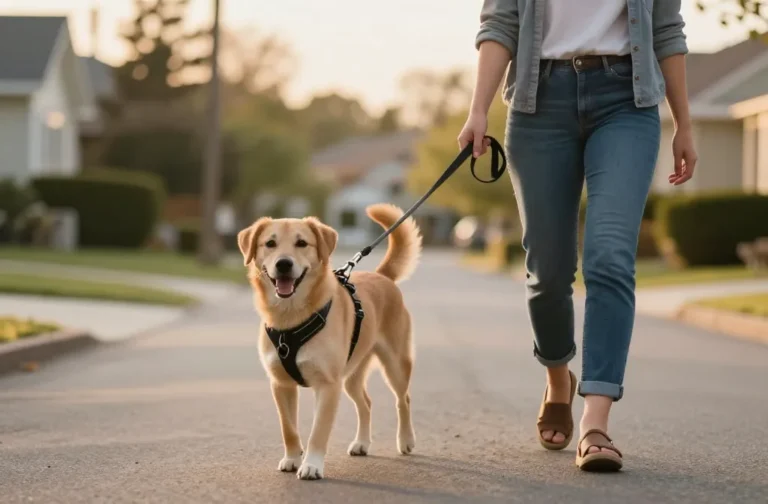
- Prompt recalls and leash manners during outings
By keeping sessions positive and brief, you’ll avoid overloading your pup. Seriously, momentum matters more than intensity here.
4. Evening Wind-Down: Brush, Bond, Breathe
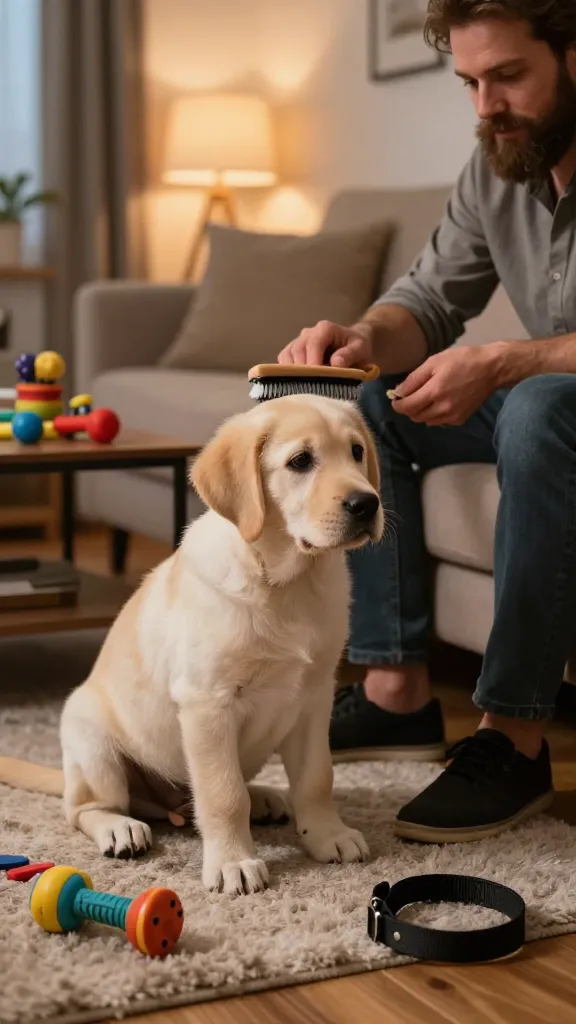
Evenings are prime time to reinforce good manners and relax the brain after a day of adventures. A calming routine helps settle energy before bedtime.
Wind-Down Plan
- 5 minutes of gentle grooming to build trust
- Short obedience refresher (sit, down, touch) to reinforce focus
- Quiet play or puzzle toy to stimulate without overstimulation
Benefits? Better sleep, fewer bedtime protests, and a closer bond. FYI, a tired pup is a good pupper.
5. Training with Toys: Engagement as the Reward
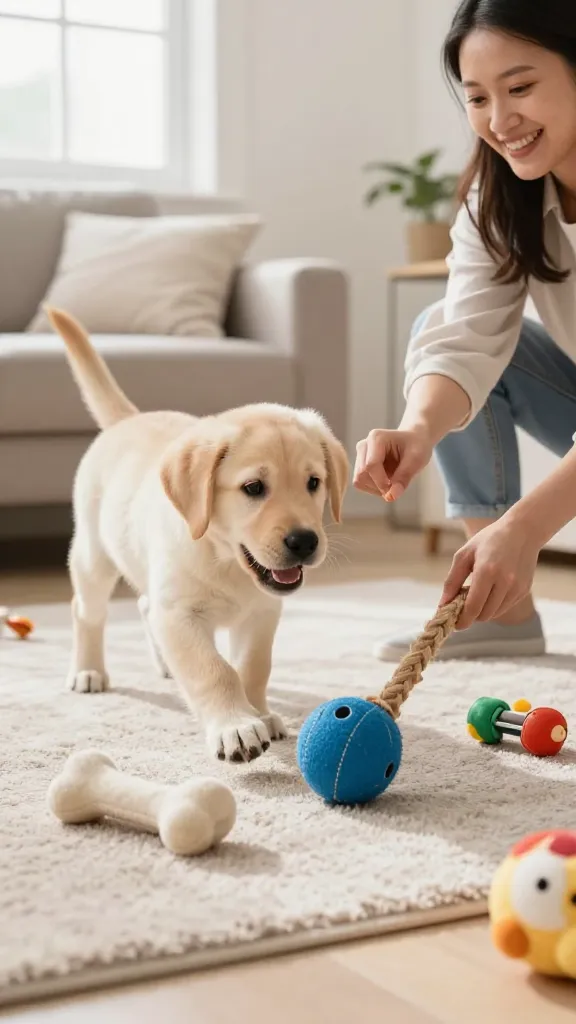
Toys aren’t just fun; they’re powerful training aids. Use them to shape behavior while keeping the game enjoyable and interactive.
Playful Principles
- Fetch with commands: come, drop, and hold
- Hide-and-seek puzzle toys to encourage problem-solving
- Tug-of-war with rules: release on cue, gentle mouth
Play = learning. Trust me, your pup will happily repeat cues when a favorite toy is involved.
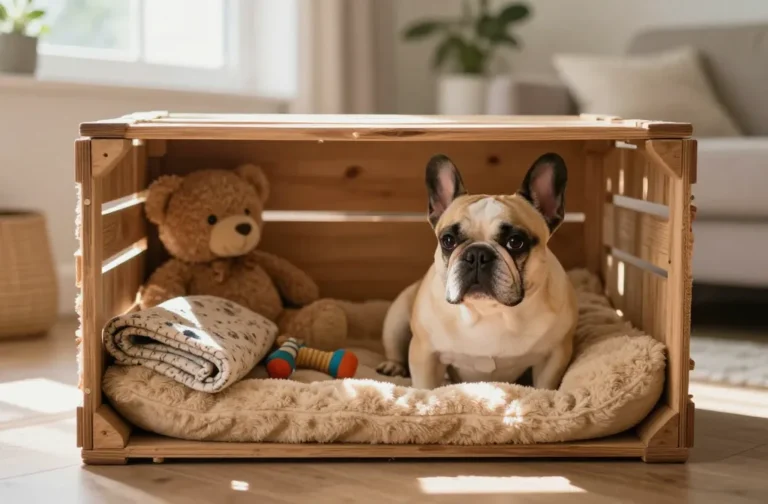
6. Crate-Training Schedule: Safety, Comfort, Structure
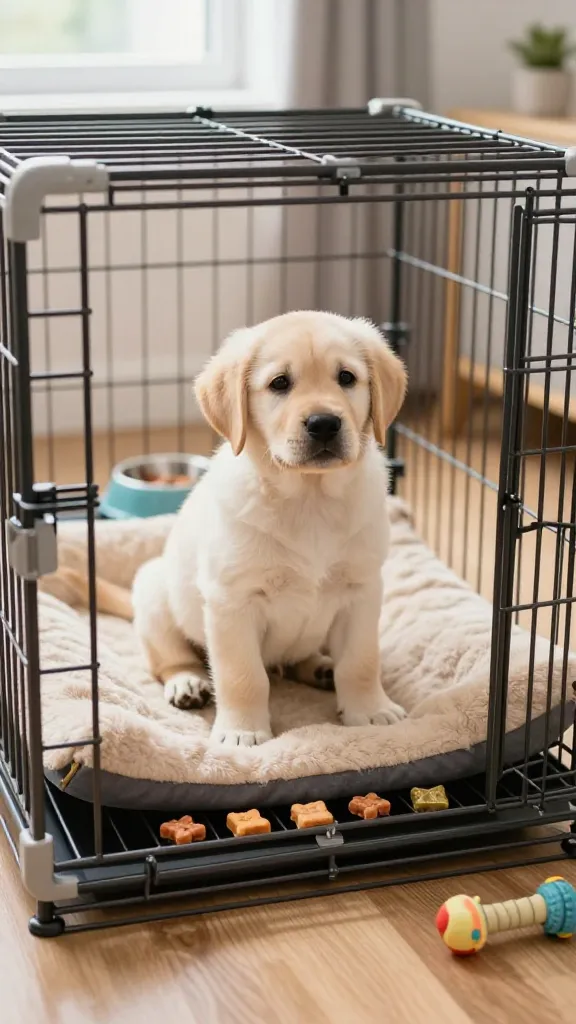
Crate training creates a safe retreat and supports house training. A solid schedule reduces anxiety and helps your puppy learn self-control.
Crate Rhythm
- Short, positive crate sessions after meals and play
- New crate time gradually extended as comfort grows
- Always pair the crate with yummy treats and a comfy bed
End goal: a relaxed pup who learns to settle. This is a game-changer for trips, vet visits, and quiet downtime.
7. Weekend Challenge: Big Fun, Big Learnings
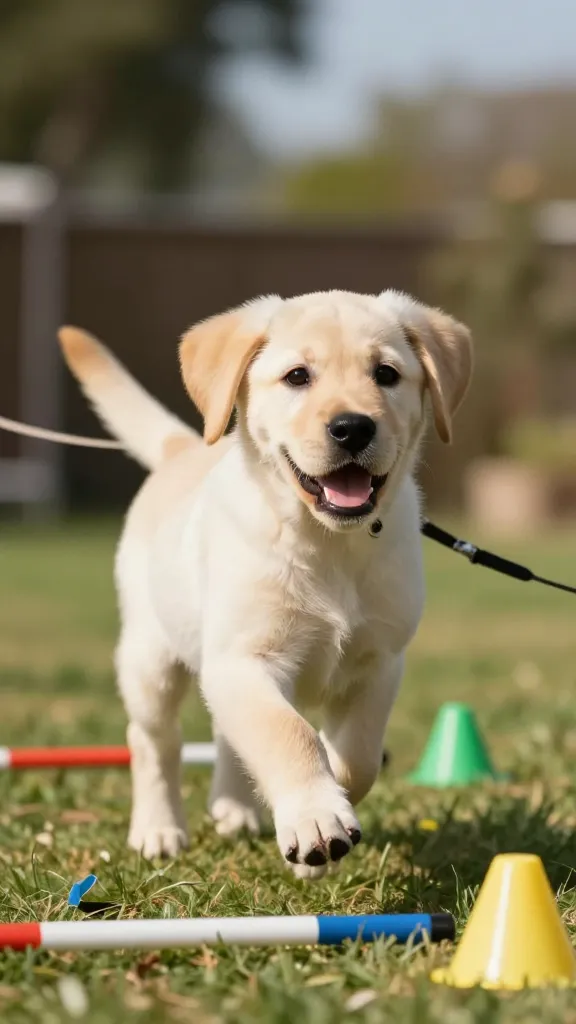
Weekends are your sandbox for bigger, safe challenges that still feel like play. Mix a little structure with a lot of joy to cement habits for life.
Weekend Cheatsheet
- Two longer outdoor sessions focusing on recall and leash manners
- New environments with minimal distractions to boost focus
- Review and celebrate progress with a fun reward rousing all the senses
Application? You’ll see improved steadiness during daily routines and more confident outdoor adventures. Seriously, progress compounds fast when you add a dash of novelty.
Ready to get started? Try weaving these seven ideas into a simple, repeatable weekly plan. Your Labrador will thank you with wagging tails, loads of kisses, and a surprisingly well-behaved vibe. Trust me, you’ve got this.
Want a quick recap to print and hang on the fridge? Here’s a tidy starter checklist: potty, basic cues, short midday bursts, controlled social outings, evening wind-down, toy-powered training, crate moments, and a weekend challenge. You’ve got this!