5 Puppy Sleep Schedule by Age Tips for Better Rest Secrets
Dellow your doggy chaos with sleep routines that fit every age stage. These tips keep pups calm, energized, and out of your hair (mostly). Ready to kiss those midnight zoomies goodbye? FYI, consistency is your secret weapon.
1. Newborn to 8 Weeks: Create a Safe Sleep Zone That Screams Comfort

Newborn puppies soak up sleep like little sponges. A cozy, quiet nest helps them recharge without stressing them out. You’ll thank yourself later when they aren’t cranky, clingy gremlins at 2 a.m.
Why this rocks
- Supports rapid brain development
- Reduces stress from overstimulation
- Minimizes dangerous sleep-wake confusion
Set up a small, enclosed space with soft bedding and low noise. Keep the area warm but breathable and away from drafts. If you’re wondering, yes, a ticking clock in the distance is fine—just not loud or constant.
2. 2–4 Months: Kickoff a Predictable Power-Nap Rhythm

At this stage, puppies start playing detective with your schedule. They’ll test boundaries, so you need a gentle routine that teaches them when and where to snooze. A steady rhythm reduces fussiness and helps house training progress.
Key points
- Three to four short naps a day plus a longer overnight stretch
- Morning and late-afternoon wind-down moments
- Consistent sleep location to reinforce security
Tips: watch for yawns as signals that sleep is coming. Grabbing a warm blanket or a safe chew ferners the bump in routine comfort. Seriously, consistency is everything here—no random naps sprinkled through the day.
3. 4–6 Months: Fine-Tune Sleep Cues and Quiet Time

Between puppy energy bursts, you’ll notice longer stretches of rest. This is when you start tightening cues: a calm-down routine and a predictable bedtime. The payoff is a more relaxed dog who doesn’t crash into doors at 3 a.m.
What to focus on
- Evening wind-down with gentle activities
- Same bedtime ritual each night
- Midday quiet time in a separate crate or bed
Make a short, soothing routine: a quiet chew toy, soft music or white noise, and dim lights for 10–15 minutes before sleep. FYI, keep playtime a bit earlier in the evening so they’re not hyped when you’re ready to sleep.
4. 6–12 Months: Solid Overnight Sleep and Daytime Structure
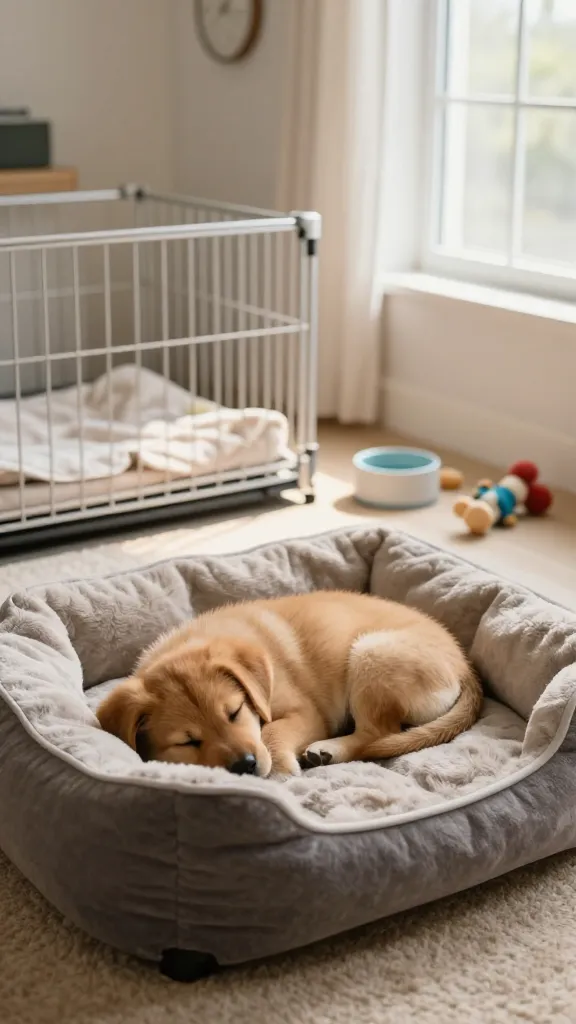
As puppies approach adolescence, their sleep needs settle. They’ll crave longer overnight stretches and a defined daytime schedule, which helps curb mischievous antics when you’re not looking. Trust me, it’s worth the effort.
Structure to implement
- Consistent wake-up and bedtime windows
- Strategic exercise before naps to boost sleep quality
- Safe, comfortable, and predictable sleep zones
Benefits: fewer nighttime wake-ups, easier potty training, and a puppy that behaves like a well-rested little adult (well, almost). If you notice clinginess at night, offer a security blanket or a worn shirt from you to ease separation worries.
5. 12 Months and Beyond: Maintain Sleep Quality Through Routine, Not Randomness

Even as they become full-time goofy adults, dogs benefit from a steady rhythm. A predictable schedule makes travels easier, reduces anxiety, and keeps energy in check for daily adventures. Yes, your pup can be a champion sleeper well into adulthood.
Final approach
- Keep a consistent bedtime zone, even on weekends
- Use quiet time before bed as a rule, not a suggestion
- Adapt nap lengths as activity levels change with age
End note: a reliable sleep schedule supports better digestion, mood, and training outcomes. It also means you’ll get more quality cuddle time and fewer accidental pee-pee mishaps at 2 a.m. Seriously, the payoff is real.
With these five age-adjusted strategies, your puppy should settle into a healthy, restful pattern faster than you think. Start small, stay consistent, and celebrate every peaceful night as a victory. You’ve got this—your pup will thank you with wagging tails and pillow-soft naps.