7 Common Dog Training Mistakes to Avoid: Quick Fixes
If you’ve ever chased your tail trying to train a pup, you’re not alone. These mistakes are super common, and fixing them can unlock a calmer, happier dog in days—not weeks. Let’s dive in and get you back on track with practical, friendly tips.
1. Failing to Set Clear, Consistent Chrases
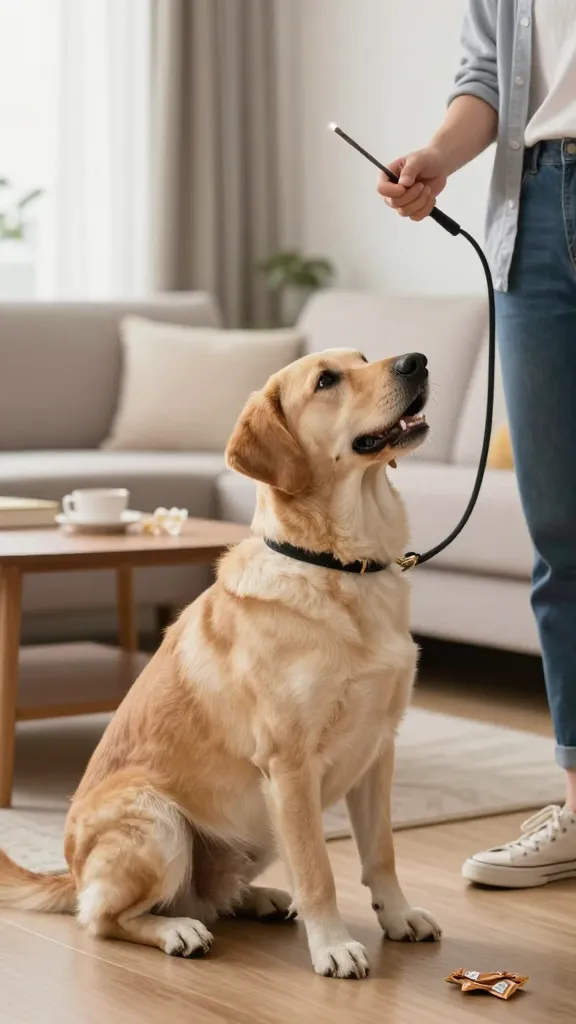
Consistency is the secret sauce of training. When you and your family use different cues, your dog gets confused and stalls out. No confusion, no excuses—let’s streamline.
Why it works
Dogs thrive on repetition and a single, reliable cue for each behavior. A rock-solid cue reduces frustration for both of you.
- Choose one word or phrase for each behavior
- Ensure all household members stick to the same cue
- Always pair the cue with the same action and reward
Once you lock in cues, progress speeds up dramatically. FYI, your dog will start anticipating the right behavior in no time.
2. Over-relying on Treats Without Building Value
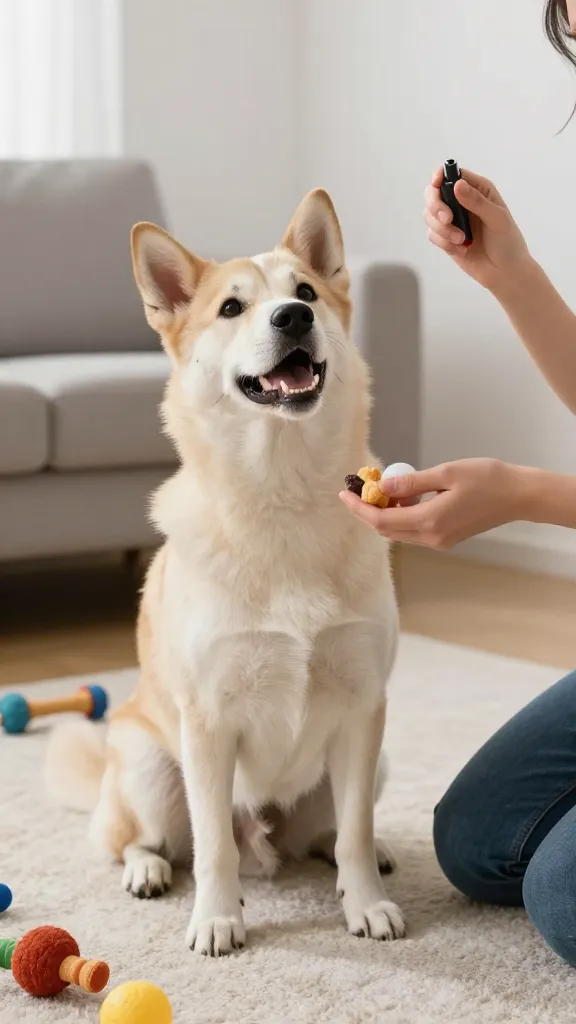
Tasty treats are amazing, but they shouldn’t be the only reason your dog behaves. If treats rule the show, what happens when you run out? Let’s balance rewards with real-life motivation.
Smart reward strategy
Use a mix of high-value and regular rewards, plus life rewards like attention, play, or access to a favorite toy.
- Pair a treat with a cue, then gradually fade
- Introduce alternate rewards the dog loves (play, praise, a walk)
- Don’t reward mistakes—reward correct responses instead
When your dog learns to value calm, engaged behavior beyond treats, the training sticks longer and longer. Trust me, the payoff is worth it.
3. Neglecting the Training Environment
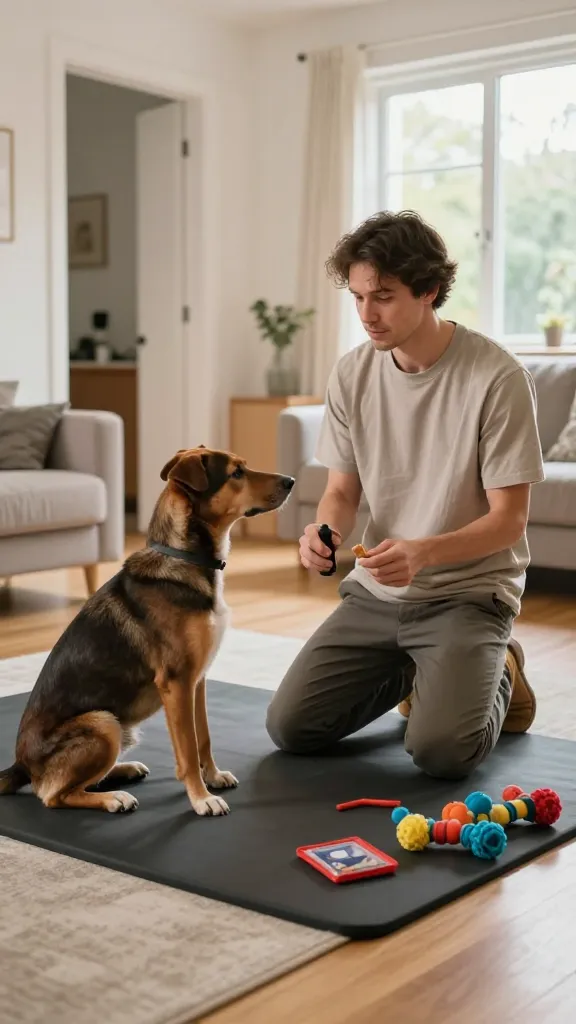
Training happens everywhere, not just in a quiet room. A chaotic home or busy park can sabotage even the best plans. Create a training-friendly zone wherever you go.
Environment tips
Build gradually: start in a low-distraction space, then slowly add noise and sights as your dog nails it.
- Designate a consistent training spot
- Control distractions with planned exposure
- Keep sessions short and fun during transitions
With the right environment, you’ll see fewer off-switch moments and more on-switch engagement. Seriously, tiny adjustments yield big wins.
4. Skipping Foundations: Impulse Control and Focus
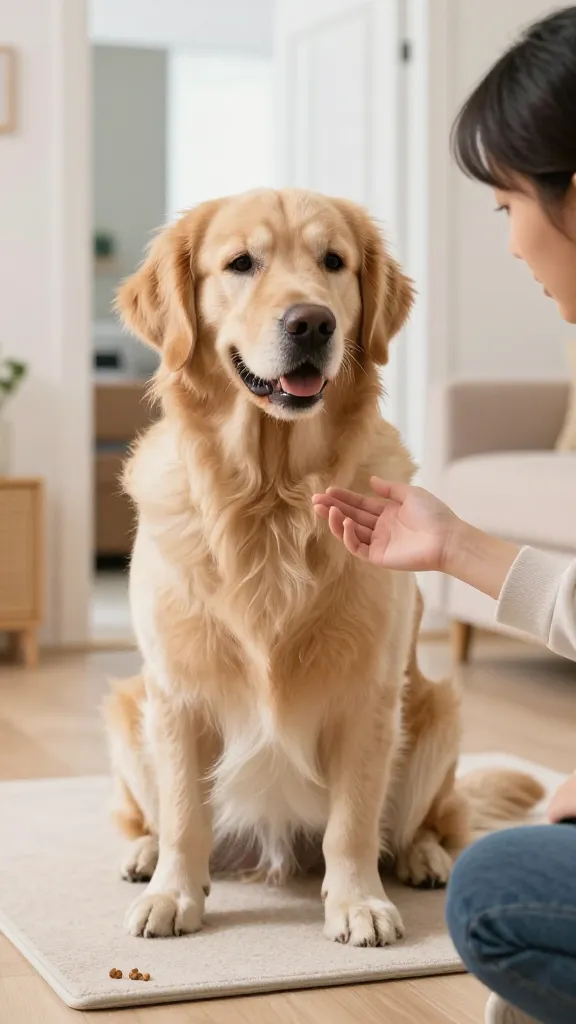
Skipping basics like “look at me,” impulse control, and staying in place makes everything harder later. Foundations are the safety net that keep training sane under pressure.
Foundations to weave in
Start with quick, repeatable exercises that train focus and self-control.
- “Look at me” or “Focus” cue with a soft, happy voice
- Short stays with a palpable reward
- Impulse control games: waiting for doors, food, or toys
These tiny, consistent drills pay off during walks, visits, and busy days. IMO, they’re the secret sauce behind reliable behavior.
5. Punishment-Based Corrections That Backfire
Punishment can create fear, hypervigilance, or avoidance. A punish-first approach erodes trust and makes training feel scary for your dog—and you might not even notice it at first.
Alternatives that actually work
Replace punishment with clear communication and positive reinforcement. If you’re frustrated, take a breath and reset rather than raise your voice.
- Use gentle redirection to a preferred behavior
- Reinforce the exact behavior you want, not just “not that”
- End sessions on a high note to preserve motivation
When you shift to trust-based methods, training becomes a cooperative game instead of a battleground. Trust me, your dog will become more responsive and happier.
6. Inconsistent Short Sessions That Don’t Build Momentum
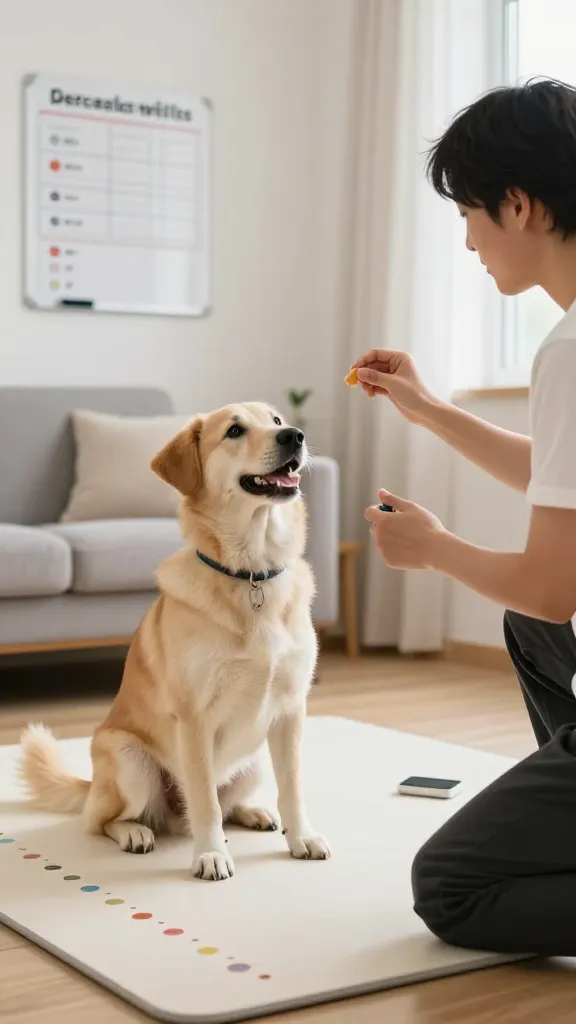
Short, frequent sessions beat long, sporadic ones. If you wing it for 10 minutes once a week, you’ll see stunted progress and a bored dog.
Make sessions count
Plan micro-goals and spread them across the day. Even three 3-minute sessions beat one long one.
- Schedule brief, daily practice blocks
- Track progress with simple notes or a quick video
- End each session with a success moment
Momentum is everything here. You’ll notice steadier improvement and a happier pup who’s excited to train.)
7. Expecting Perfection and Failing to Adapt
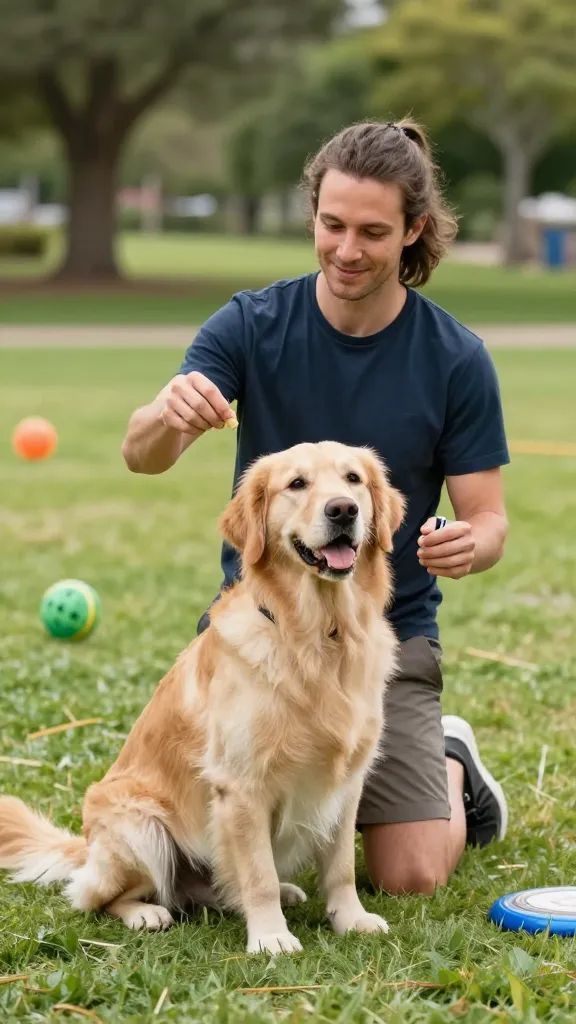
No dog is a perfect pupil, and life gets loud, busy, or boring. Expecting flawless behavior all the time sets you up for frustration and guilt. Instead, adapt and celebrate small wins.
Adaptive strategies
Set realistic goals, adjust cues to your dog’s temperament, and celebrate incremental improvements.
- Modify expectations based on age, breed, and energy
- Use fun, high-energy games to reset after challenges
- Keep a positive, curious attitude—your dog mirrors your vibe
Adapting keeps training enjoyable and sustainable. When you view setbacks as data, you’ll bounce back faster and keep your dog engaged.
These seven mistakes are more common than you’d think, but they’re totally fixable with simple tweaks. FYI, you don’t need a pro to see big results—just consistent, kind, and clever practice. If you start today, you’ll notice calmer walks, happier meals, and a more confident buddy in no time.
Ready to give your dog training a glow-up? Grab a cup of coffee, pick one improvement to start with, and go kick some canine goals. You’ve got this, and your dog will thank you with wagging tails and extra zoomies.