6 Cat Potty Training Tips for Beginners
Trying to potty train a cat can feel like herding tiny furry chaos. These six tips cut through the noise, making litter box mastery feel doable and even fun. You’ll see quick wins, fewer accidents, and a happier feline cohabitant.
1. Set Up a Lane, Not a Trap: Choose the Right Litter Box
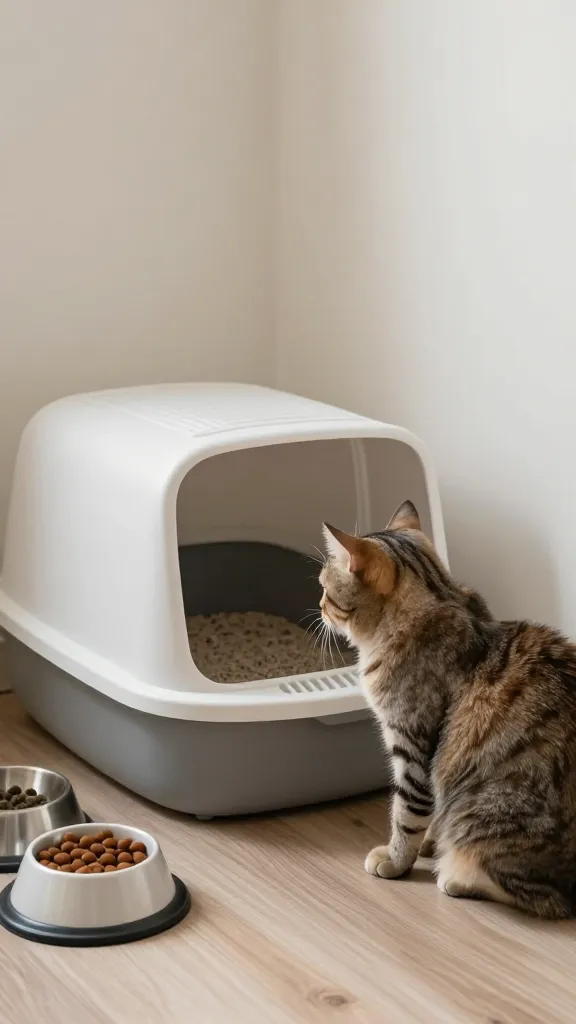
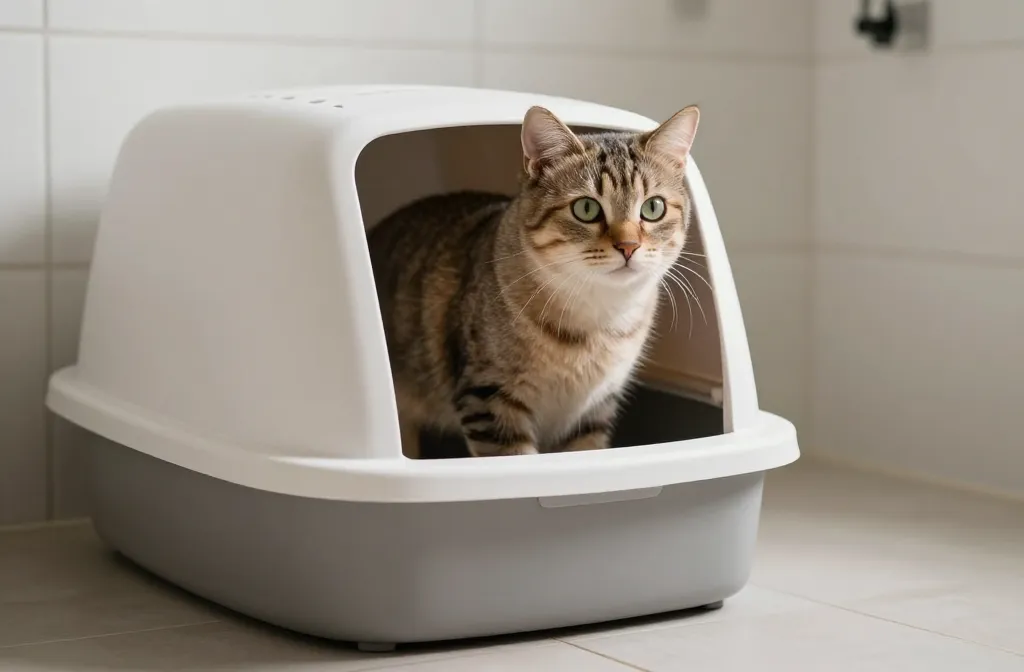
First impressions matter, and the litter box is the doorway to success. Pick a box that fits your cat’s size and allows easy entry. Hint: cats hate cramped, smelly spaces as much as we hate Mondays.
Key Elements to Consider
- Size: roomy enough for turning around without stepping over edges
- Topology: open trays vs covered boxes—watch your cat’s preference
- Location: quiet, low-traffic corner away from feeding area
Place the box in a consistent spot and avoid piling furniture around it. Consistency reduces hesitation and makes bathroom breaks predictable. FYI, a one-box-to-two-box rule works well for many households.
2. Pick the Perfect Litter and Maintenance Routine
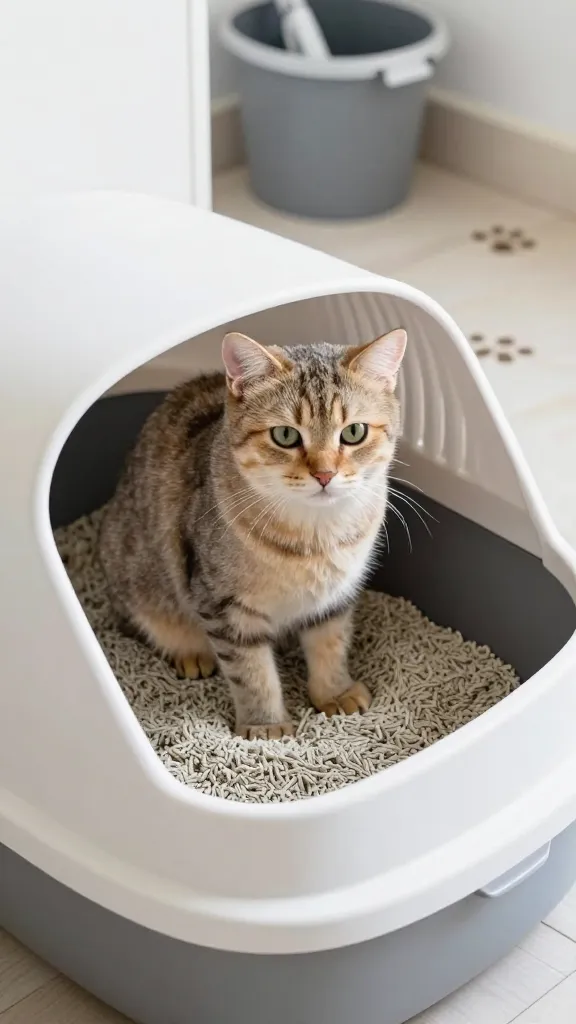
The right litter can save you countless cleanup sessions. Cats are picky about texture, scent, and clumps, sooo keep it simple and clean. Trust me, a few tweaks here yield big results.
Tips You’ll Appreciate
- Texture matters: fine-grain clumping litter is often a fan favorite
- Depth: 2–3 inches of litter is typically ideal
- Scooping cadence: scoop daily, completely refresh every week
Neglect makes litter boxes stink like a science experiment gone wrong. A fresh box equals fewer refusals and more confident usage.
3. Create a Calm, Cat-Friendly Schedule
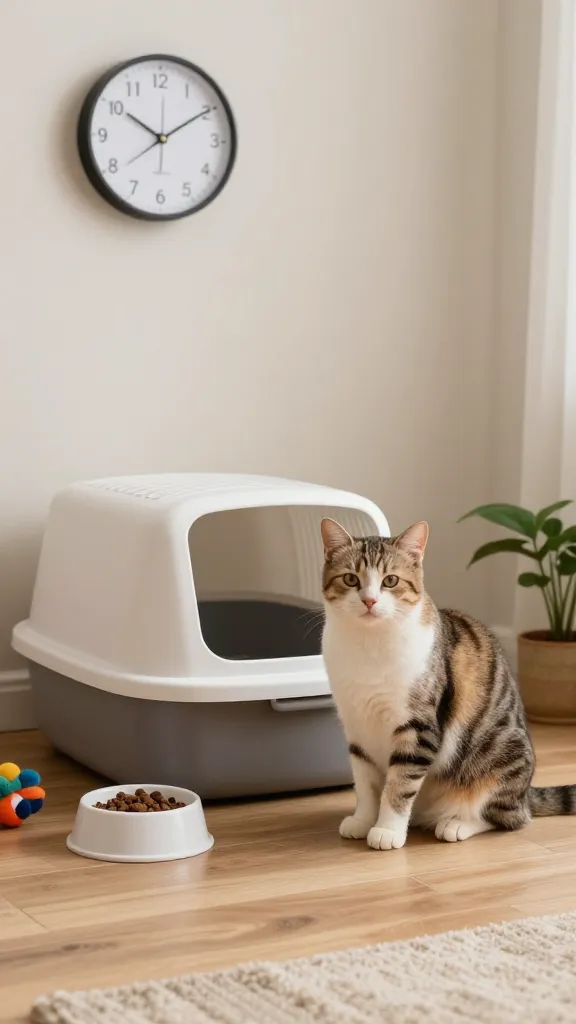
Cats value predictability. A gentle routine reduces anxiety and sudden trips to places you’d rather avoid. Plus, you’ll stop playing detective with carpet samples as evidence of “where did this come from?”
Structure to Try
- Free access vs timed access: start with controlled intervals to build habits
- Feeding times aligned with potty breaks: predictable patterns help
- Observation: watch for cues like sniffing, scratching, or heading to the box
When you align feeding, play, and potty times, accidents drop dramatically. IMO, consistency is the magic multiplier here.
4. Make Potty Time a Positive Experience
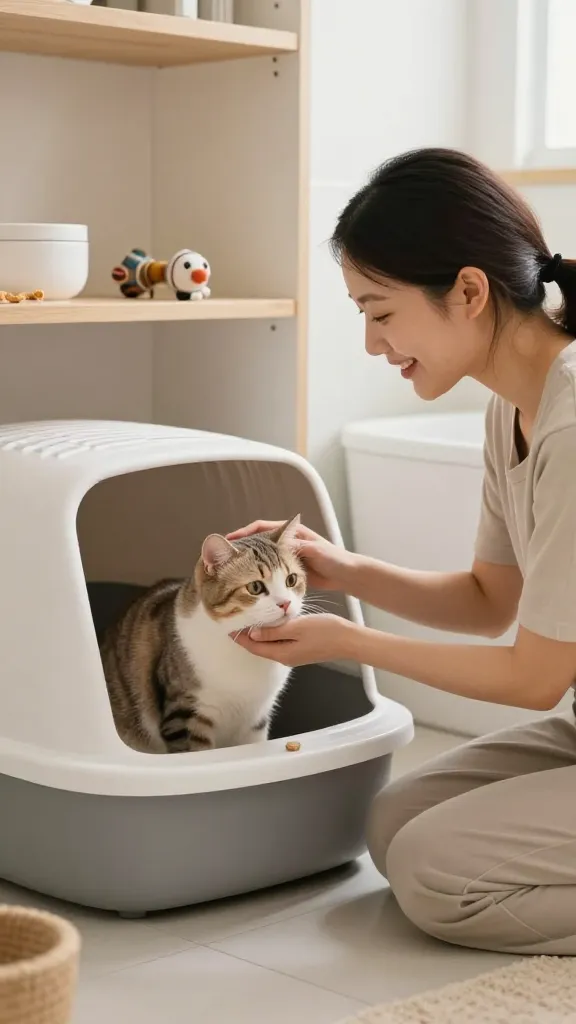
Motivation matters, even for whiskered coworkers. Positive reinforcement makes using the box feel like the coolest club in town.
Ways to Reward
- Praise in a steady, calm voice after successful use
- Small treats or extra playtime as a post-potty reward
- Gentle petting and a favorite toy nearby to reinforce the routine
Don’t overdo the treats; you want motivation, not a hormonal litter box panic. The goal is association, not bribery on a grand scale.
5. Tackle Accidents with A Strategy, Not Shame
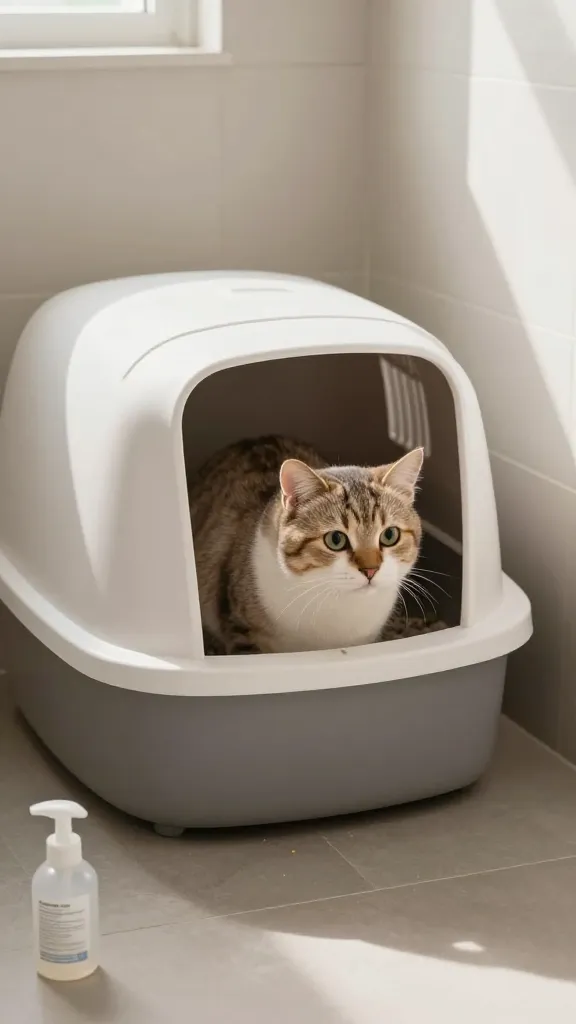
Yes, accidents happen. They’re not punishments; they’re clues about what’s off in the setup. Approach with curiosity, not guilt, and you’ll fix issues faster.
What to Do When It Scoots Wrong
- Clean thoroughly with an enzyme cleaner to remove scent traces
- Reassess box placement and litter type if accidents cluster
- Try a second box in a new location if your cat is stressed by traffic or noise
Frequent missteps usually point to box accessibility, box count, or litter choice. Fix the root cause, and most issues vanish without drama.
6. Progress Checks and When to Seek Extra Help
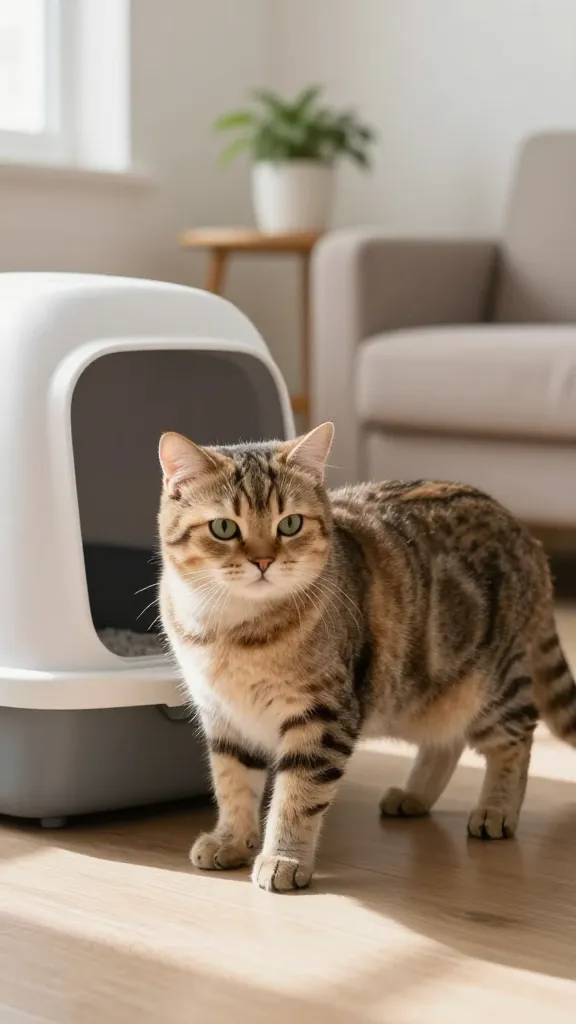
You’ll know you’re winning when accidents become rare, and your cat heads to the box as if it were natural instinct. Sometimes, reaching for a pro can save weeks of trial and error.
Signs You Might Need a Vet or Expert
- Sudden potty changes in a healthy cat
- Persistent avoidance of the litter box despite tweaks
- Straining, pain, or blood in urine—cat health issue priority
Schedule a quick consult if you notice ongoing issues. Seriously, early professional input can save you a lot of carpet shampoo later.
So there you have it—the six essential moves to master cat potty training without turning your life into a litter disaster. Implement these steps, stay patient, and celebrate the small victories along the way. You’ve got this, and your feline will thank you with cleaner mornings and happier zoomies.