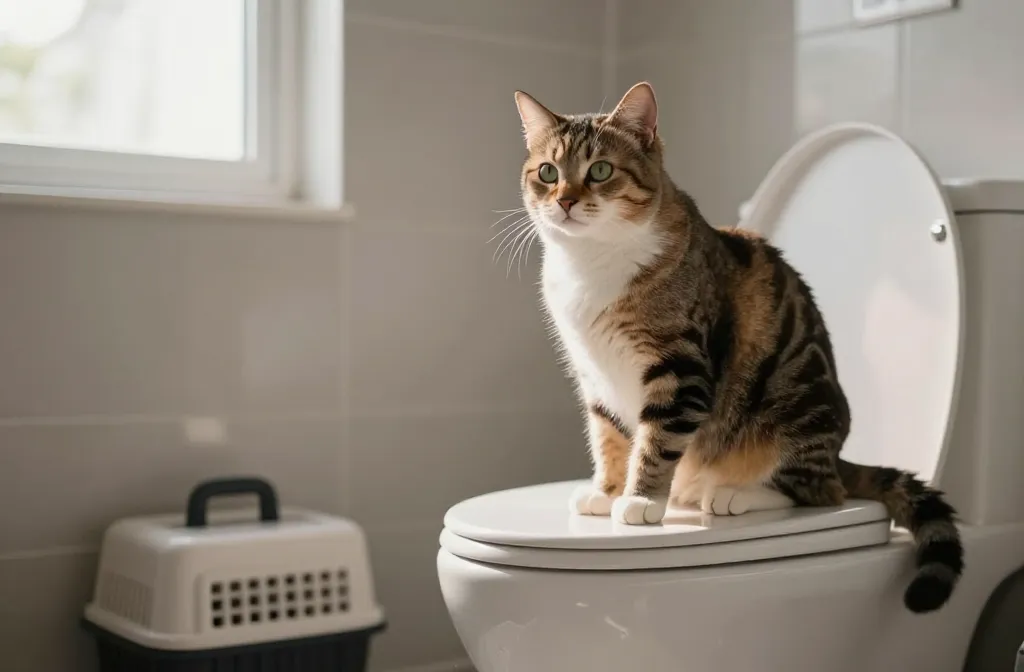
5 Cat Toilet Training Tips for New Owners
So you adopted a feline genius who thinks the litter box is medieval, huh? These tips cut through the chaos and help your cat take to the toilet with less drama. FYI, you can totally do this without turning your bathroom into a science experiment.
1. Trust Your Cat’s Timeline: Start Slow and Build Trust
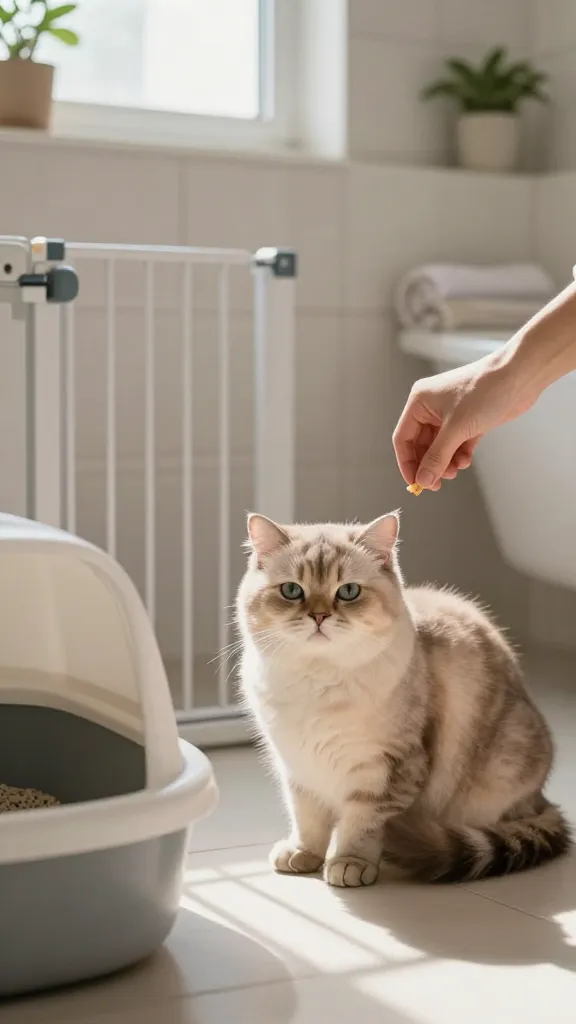
cats aren’t big fans of change, especially when it involves their bathroom routines. Start by introducing the idea gently and celebrate small wins. This isn’t a sprint; it’s a marathon with lots of purrs along the way.
Key Points
- Observe your cat’s current litter habits and routine
- Gradually reduce litter box access rather than removing it abruptly
- Offer positive reinforcement with treats and affection
When you slow-roll the process, your cat feels safe, and you avoid a dramatic retreat back to the old litter box. Trust me, patience pays off with every successful step.
2. Introduce a Toilet Training Kit Carefully
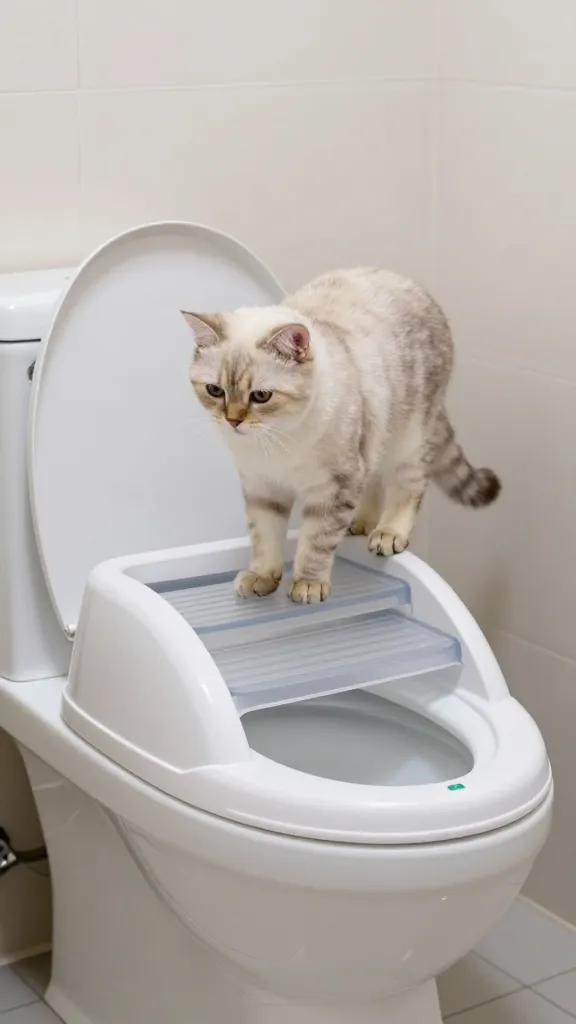
Invest in a reputable feline toilet training kit that’s designed to ease your cat into the bathroom throne. Follow the manufacturer’s steps, but tailor the pace to your cat’s comfort level. The goal is progress, not panic.
What to Look For
- Gradual height adjustments to mimic a real toilet seat
- Stability features to prevent rocking or slipping
- Clear progress indicators so you know when to advance
Use the kit as a guided journey, not a sprint across the finish line. This approach keeps both you and your cat from getting overwhelmed.
3. Set Up a Calm, Accessible Training Space
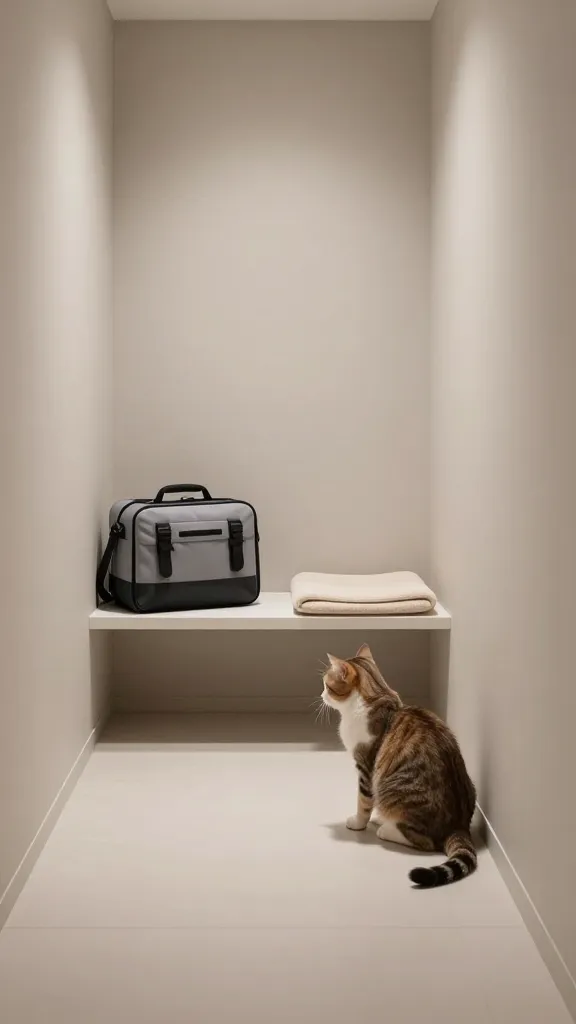
Your cat should feel secure during training, not trapped in a high-stress zone. Create a quiet, accessible area in a low-traffic part of your bathroom or hallway where the training kit sits within sight but not in constant disturbance.
Tips for Success
- Keep the area free of strong scents or clutter
- Maintain consistent lighting to reduce anxiety
- Place a familiar napping spot nearby for reassurance
Calm surroundings reduce resistance and encourage your cat to explore the kit on their terms. The more relaxed the cat, the quicker they’ll buy into the routine.
4. Build a Simple Reward System and Schedule
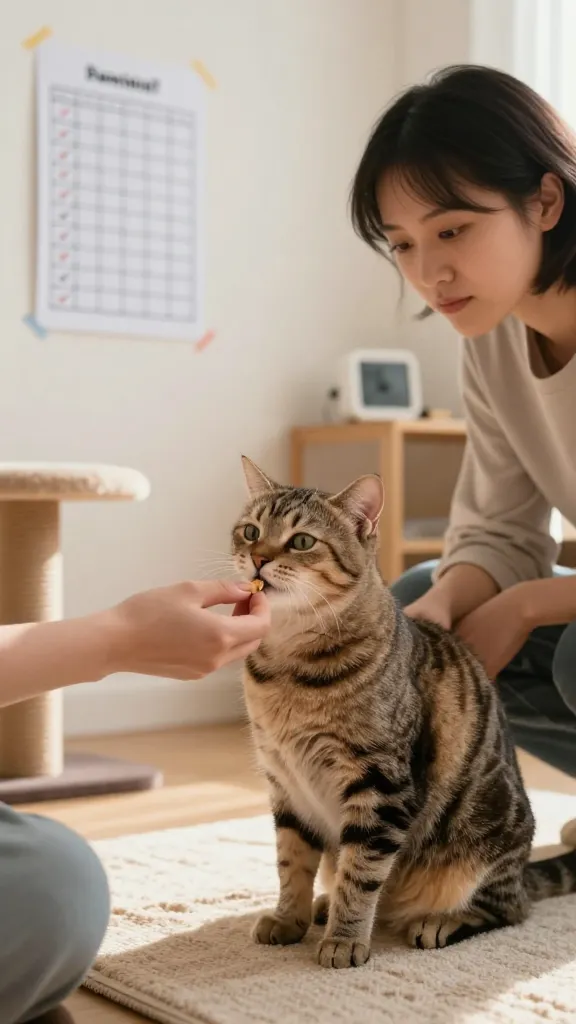
Humans love a little positive reinforcement, and cats love treats too—preferably tasty, bite-sized rewards. Create a predictable routine with short training sessions and immediate praise or snacks after successful steps.
Practical Elements
- Short daily sessions (5-10 minutes) to prevent boredom
- Post-training treats or a favorite cuddle session
- A simple chart to track progress and stay motivated
Consistency is your best friend here. IMO, a tiny routine that sticks beats a heroic effort that fizzes out in a week. Trust me, your cat will notice the pattern and respond.
5. Know When It’s Time to Pivot (And When to Pause)
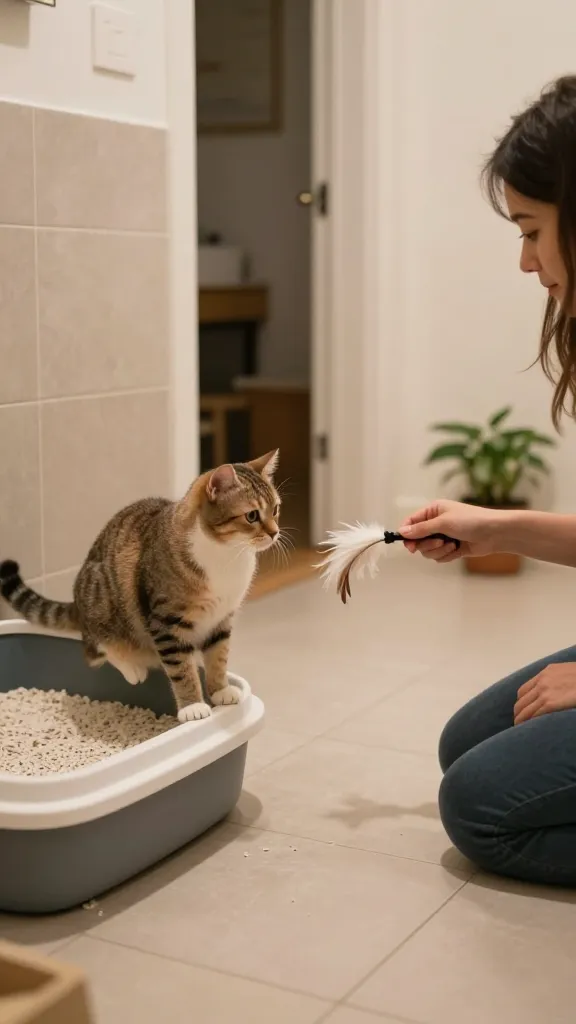
If your cat stalls or shows signs of stress, don’t bulldoze forward. Sometimes a pause to reassess saves months of frustration. You can always revisit the training after a short break with fresh energy.
Red Flags to Watch
- Increased hiding, aggression, or avoidance of the training area
- Changes in appetite or litter box usage outside the training context
- Visible signs of discomfort during steps or mounting anxiety
In these cases, step back, offer extra playtime, and reintroduce gradual exposure later. FYI, taking a breather often resets the whole process and sets you up for a smoother rebound.
Ready to give this a try? With a little patience, careful setup, and a splash of humor, your cat will learn the toilet routine without drama. Start small, celebrate every win, and you’ll both enjoy a cleaner, calmer home in no time.