6 Cat Ear Positions and What They Mean
Cats speak in vibes, not words. These six ear positions unlock the secret language your kitty is whispering to you. Let’s translate whiskers, tail flicks, and purrs into real signals you can act on today.
1. Perked and Alert: The Watchful Spotlight
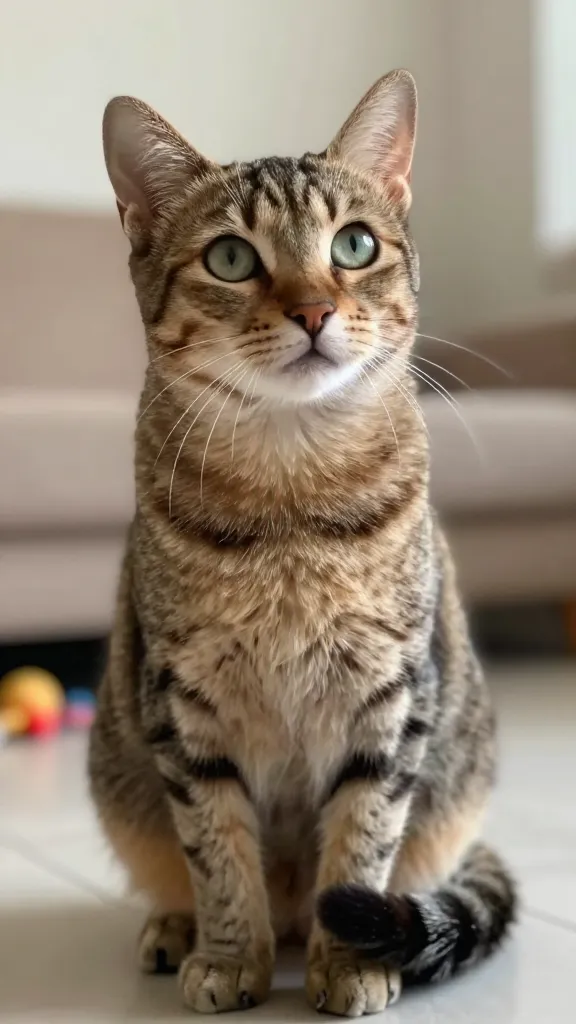
When ears stand upright and forward, your cat is in full attention mode. This isn’t a moment for snuggling; it’s a signal they’re surveying the scene and ready to pounce on any clue you drop.
Key Points:
- Eyes wide, pupils may be dilated or normal depending on light
- Whiskers forward, tail still or slowly twitching
- Often paired with a head tilt toward the source of interest
Tip: If you want a calm moment, give them a predictable activity nearby like a toy or treat so their attention doesn’t get hijacked by every noise. FYI, this is a great time to introduce a new toy without distracting them too much.
2. Ears Flattened Back: The Boundary Signal
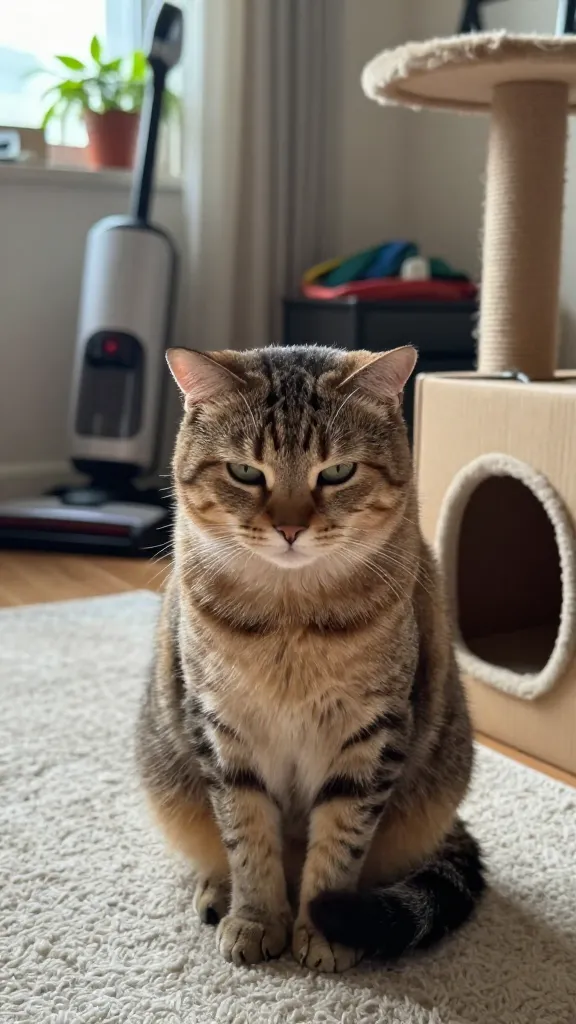
Flattened ears mean “back off” or “I’m feeling annoyed and protective.” It’s a clear warning that they’re not in the mood for cuddles or interruptions.
What to Do:
- Offer space and avoid sudden moves
- Check if something sneaked into their space—another pet, a noisy appliance, or a new object
- Provide a safe retreat—a cozy box or a high perch
When you respect this signal, you’ll prevent bites or scratched furniture. Seriously, give them a moment to regroup before approaching.
3. Ears Tilted Forward: Curious but Cautious
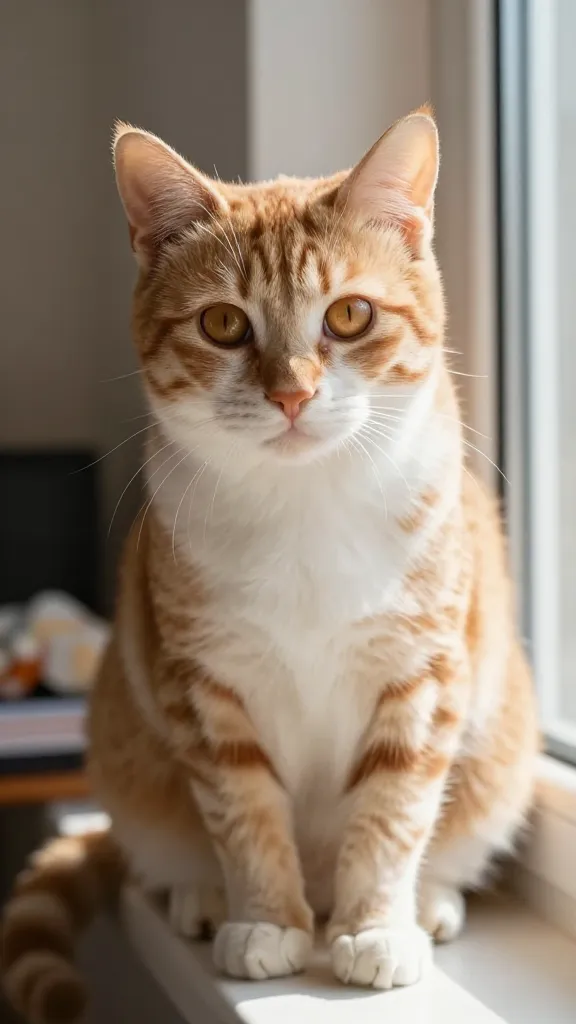
Forward-tilted ears show curiosity with a pinch of caution. Your cat is investigating a new scent, sound, or toy and hasn’t fully decided if it’s friend or foe.
Tips to Leverage This:
- Approach slowly with a treat or interactive toy
- Make eye contact briefly, then break it to avoid staring provocations
- Pair with a soft voice and relaxed body posture
Use this moment to bond—they’re inviting you to be part of their discovery journey. Trust me, you’ll earn major praise purrs if you ride this mood well.
4. Ears Splayed Out to the Sides: Relaxed and Social

When ears stick out to the sides, your cat feels safe and social. They’re open to interaction but not desperate for it. It’s a sweet balance that often comes with lounging vibes.
What This Looks Like:
- Loose shoulders, a calm tail with a light swish
- A gentle gaze around the room with occasional head nudges toward you
- Possible purring while enjoying company
Best time to offer a gentle pet or a warm lap—if they’re in the mood, they’ll accept. If not, a quiet cuddle session works too. Trust me, low-key affection feels extra rewarding now.
5. Ears Swept Back and Down: Frustration or Focus
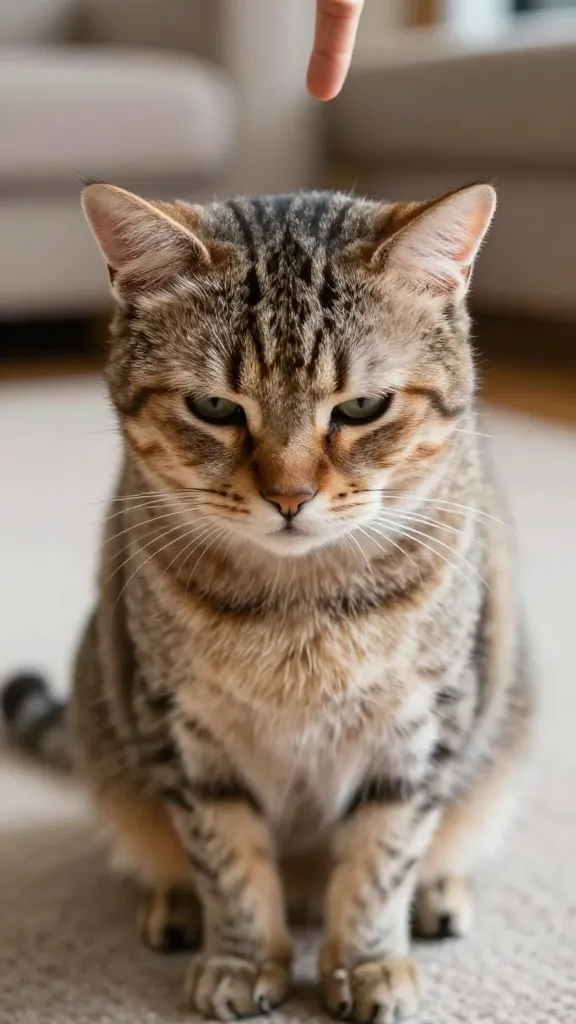
When the ears tilt back but stay softly attached, your cat is either annoyed or intensely focused on something. It’s not a universal sign of aggression; more often, they’re zeroing in on a target or muting distractions.
Approach Guide:
- Use calm, even tones to avoid triggering a defensive reaction
- Offer a distraction like a favorite toy or treat to redirect focus
- Watch for other cues: tail lash, arched back, or a tucked chin
End note: this mood benefits from patience and a clear boundary between you and the trigger. A quick break can reset both of you and save a tense moment later.
6. Ears Pinned Down for a Moment, Then Up: Startle to Calm
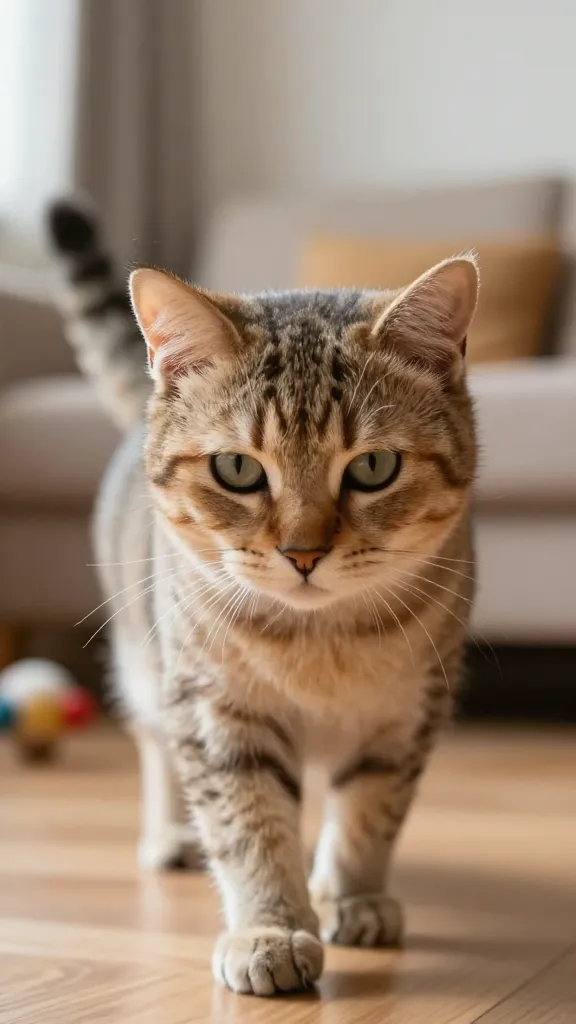
This dynamic indicates a brief startle that often resolves quickly. Ears flick back and then return upright as the cat processes what happened.
How to Read It:
- Short, sharp bite-checks of the environment
- Body may hunch slightly before re-emerging into relaxed stance
- Usually followed by a shake of the head or short chase after a toy
When you catch this, give them a few seconds to settle, then reintroduce the activity. It’s a tiny window of resilience—celebrate it with a soft voice and a gentle pat if they’re receptive.
These six ear positions aren’t random. They’re a quick read on mood, boundaries, and interest. IMO, paying attention turns you from a who-are-you stranger to a trusted teammate in your cat’s daily adventures. Trust me, learning the cues makes playtime smoother and cuddle sessions sweeter.
Final thought: your cat’s ears are tiny mood meters. Tune in, respond with patience, and you’ll both win. Ready to try a mini mood-mapping session tonight? Your whiskered coach is probably ready too.
If you found this helpful, you’ll probably enjoy using a simple daily mini-check: glance at ear positions first, then read the rest of their body language for a quick mood read. You’ve got this, and your cat will thank you with better vibes and more purrs.