4 Friskies Dry Cat Food Tips for Cat Owners
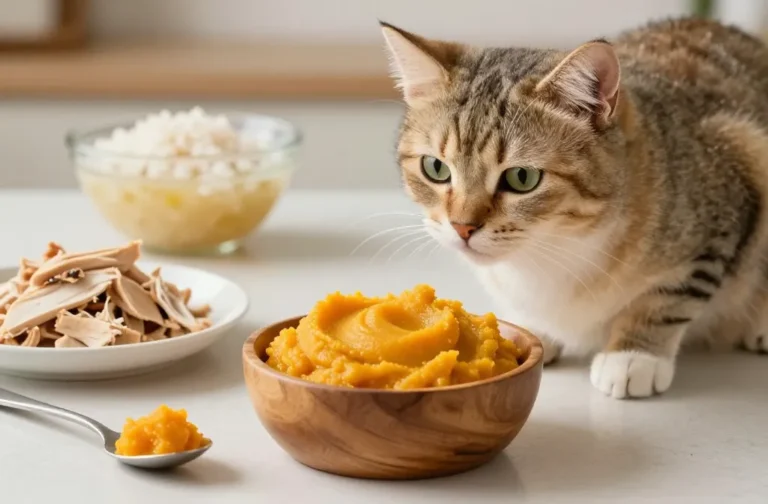
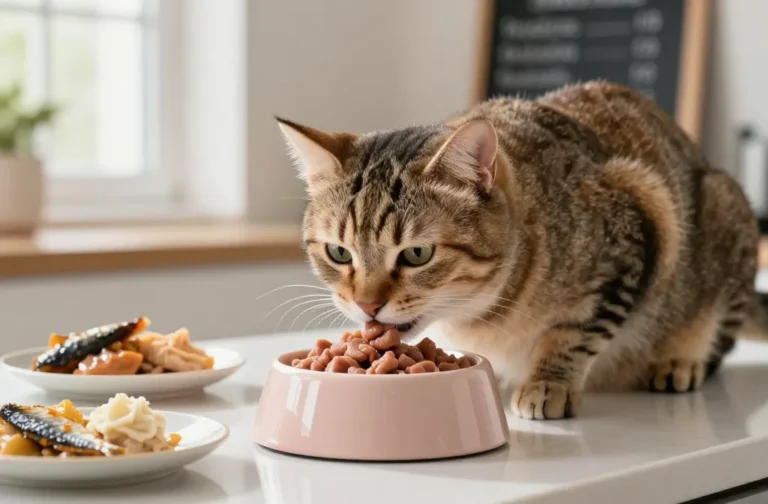
You’ve got a fluffy foodie on your hands, and yes, Dry Cat Food can be a game changer when you know the tricks. These four tips cut through all the noise and give you real, practical moves. FYI, your cat will thank you with extra snuggles and possibly dramatic purrs.
1. Optimize Palatability Without Overloading Fat
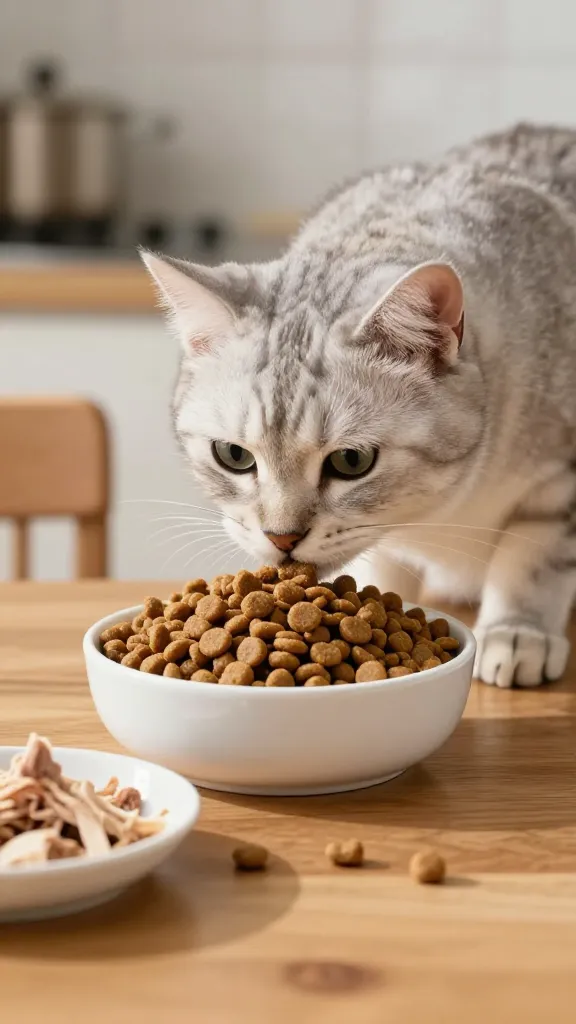
Your feline friend cares about taste, texture, and smell as if they were movie stars. This tip keeps those priorities in balance so your cat stays interested without tipping the scales.
Key Points
- Choose a formula with a single primary protein to reduce unfamiliar flavors that confuse picky eaters.
- Look for ingredients that hint at real meat without a long, scary ingredient list.
- Watch for fats that mirror your cat’s natural energy needs; too much can cause tummy trouble.
In practice, start by mixing a small amount of a high-palate variety with your regular kibble. If your cat eats it all, you’ve found a winner. If not, swap gradually and observe. Seriously, small steps beat big upheavals here.
Benefit note: better palatability often means steadier appetite, which keeps your cat from grazing all day long.
2. Build a Simple Feeding Rhythm That Works
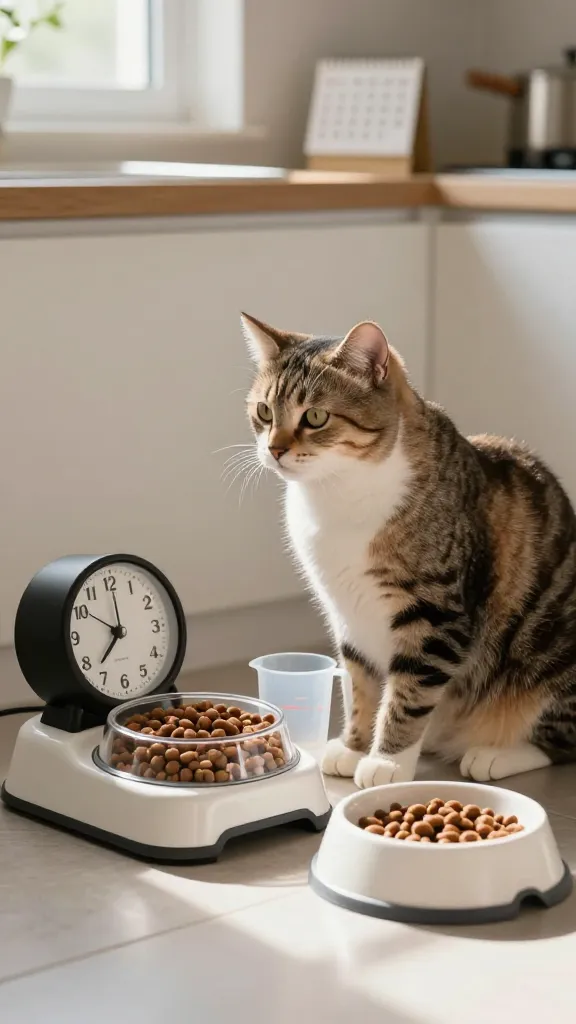
Consistency matters for kitties, and a predictable schedule helps with digestion and energy levels. This tip is all about turning chaos into cuddly routine.
Tips
- Feed at the same times each day, even on weekends.
- Measure portions to prevent overfeeding while still satisfying appetite.
- Adjust portions as your cat ages or changes activity level.
Why this works: cats thrive on routine, and a steady rhythm reduces begging and spills. IMO, a calm kitchen makes cuddle time that much nicer.
When to use: start right away, then tweak based on weight, activity, and coat condition. Trust me, consistency pays off in shinier fur and happier laps.
3. Read Labels Like a Pro to Avoid Hidden Fillers
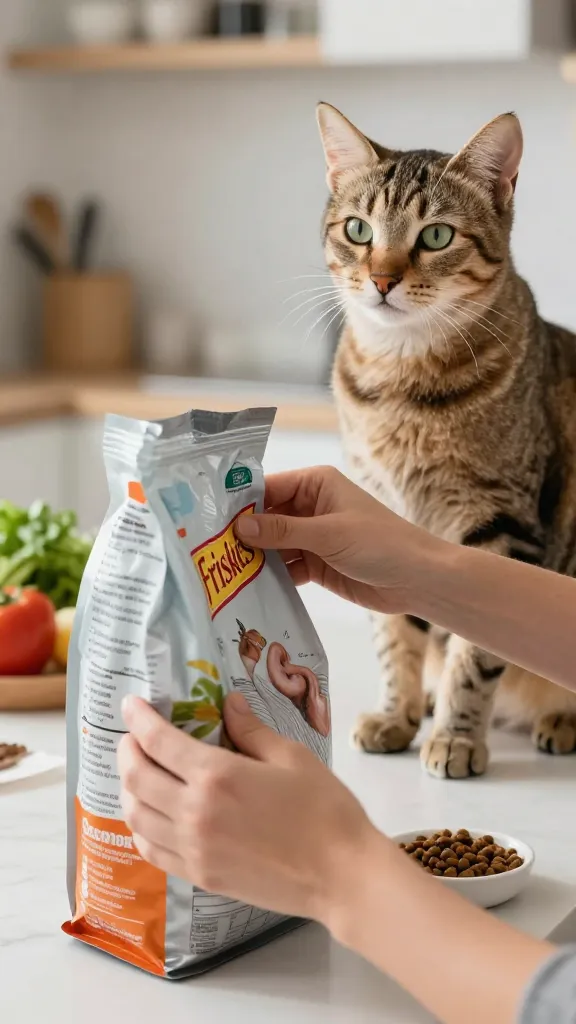
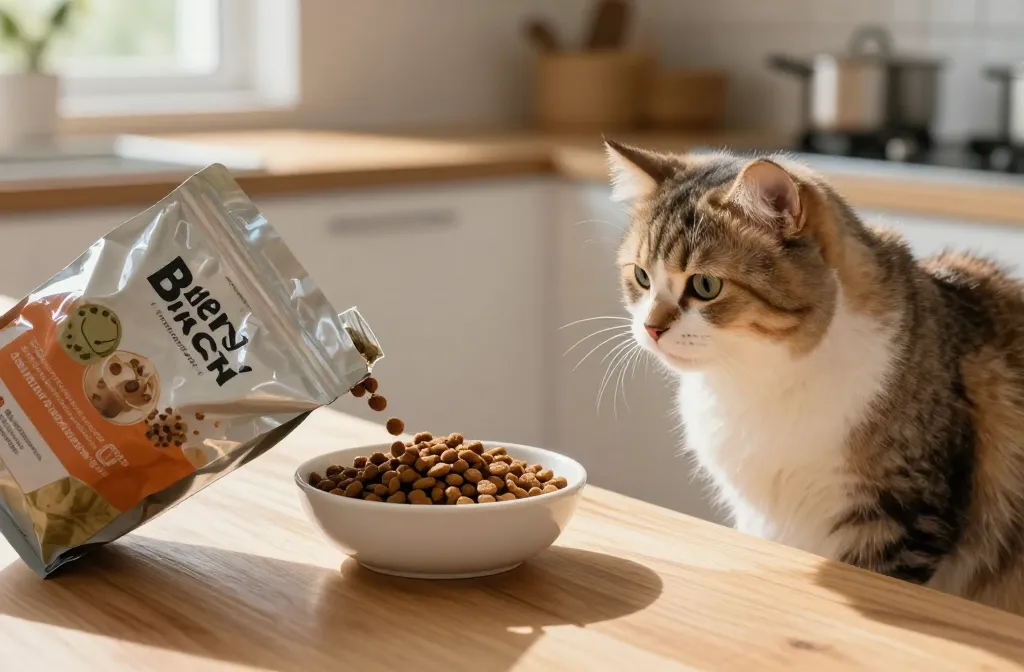
Label literacy is your secret weapon. You don’t need a vet degree to spot the red flags or the hidden gems in a bag of Friskies.
Key Elements
- First five ingredients should feature real meat or fish as the primary sources.
- Avoid vague fillers and high-glycemic grains that spike sugar in sensitive tummies.
- Check for fortified vitamins and minerals that help support skin, coat, and overall health.
Quick game plan: skim the ingredient list and jump to the guaranteed analysis for protein and fat. If you see corn or by-products crowding the top, consider a different batch or brand line. FYI, variety packs can be hit-or-miss—read the labels before tossing them in the cart.
Bottom line: better labeling = smarter choices, which translates to less digestion drama and more zoomies.
4. Use a Gentle Transition When Trying New Flavors
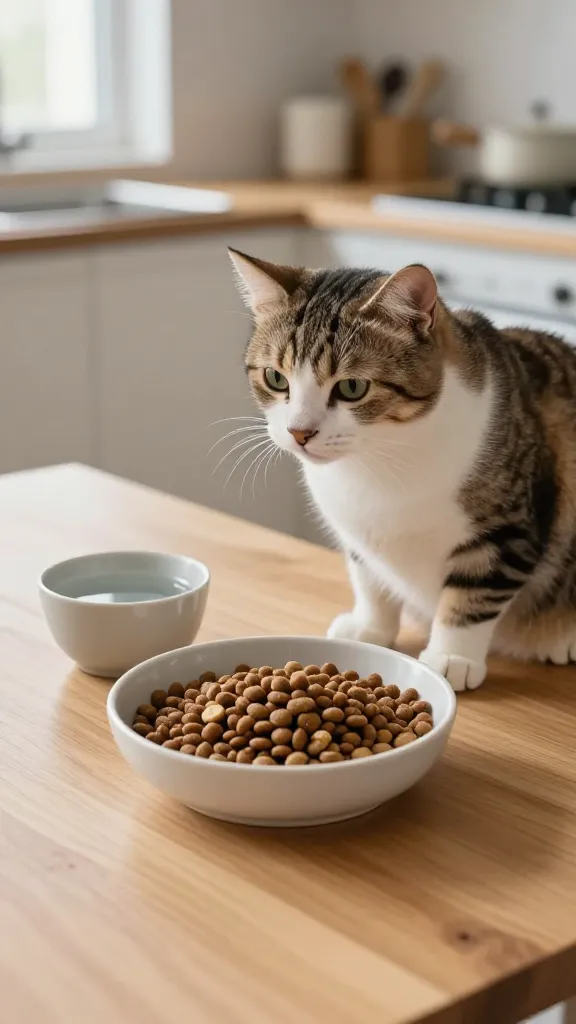
Cats can be suspicious of change, especially when their bowl suddenly smells different. This tactic softens the blow and keeps mealtime drama to a minimum.
Practical Steps
- Introduce new flavors gradually over 7-10 days: 75% old kibble, 25% new the first few days, then shift gradually.
- Stir in a bit of warm water to boost aroma and entice appetite if your cat is slow to investigate.
- Observe any tummy grumbles, vomiting, or stool changes and slow down if issues pop up.
Benefits and applications: a smooth transition reduces resistance, keeps weight steady, and preserves your sanity during the switch. Seriously, a little patience saves a lot of bedtime meowing later on.
Ready to see the benefits? A well-planned Friskies routine can improve appetite, digestion, and overall happiness for both you and your feline accomplice. You’ve got this, and your cat knows it—even if they’re pretending not to care.
Best of luck, and enjoy those extra purrs and zoomies. You’re making smart, doable choices that really stick.