5 Tips for Older Dogs Walking Safely You’Ll Love
If your senior pup is walking slower or stiff, these tips will help them glide with confidence. You’ll bond more, stress less, and keep those tail wags coming. FYI, safety first, fun second—always.
1. Prioritize Gentle Groundwork: Warmups Before Every Stroll
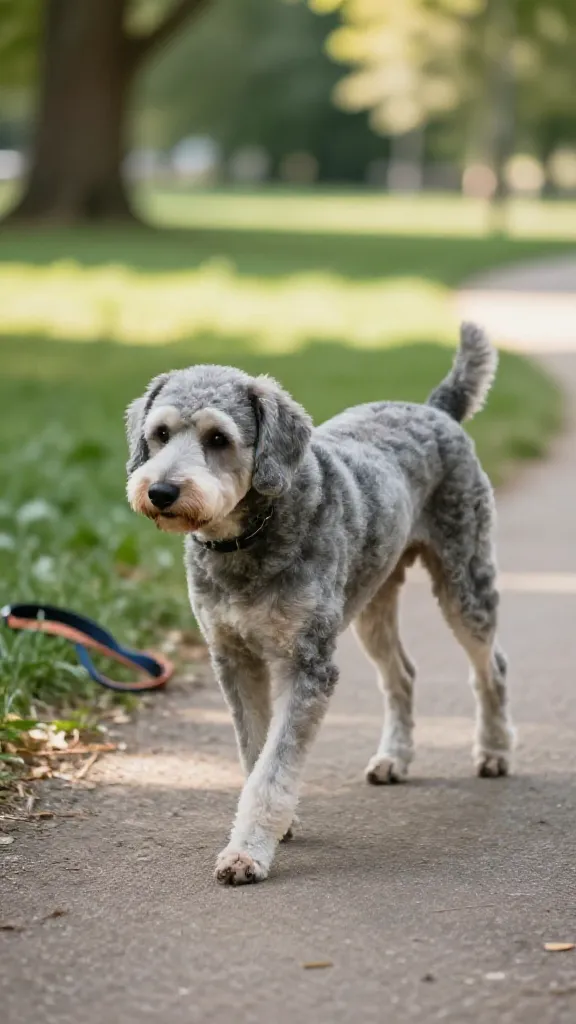
Starting with a soft, purposeful warmup sets up older dogs for success. It reduces stiffness and primes joints for movement, so every step feels a little easier.
Key Points
- Keep sessions short and sweet—3 to 5 minutes max.
- Incorporate light stretches for legs, hips, and neck.
- Finish with a calm, slow walk to plateau the energy.
Think of it as a mini preflight routine for your pup’s joints. A quick warmup can make the whole walk safer and more enjoyable. Trust me, you’ll notice less reluctance at the start.
2. Choose the Right Leash and Harness: Comfort That Keeps Them Moving
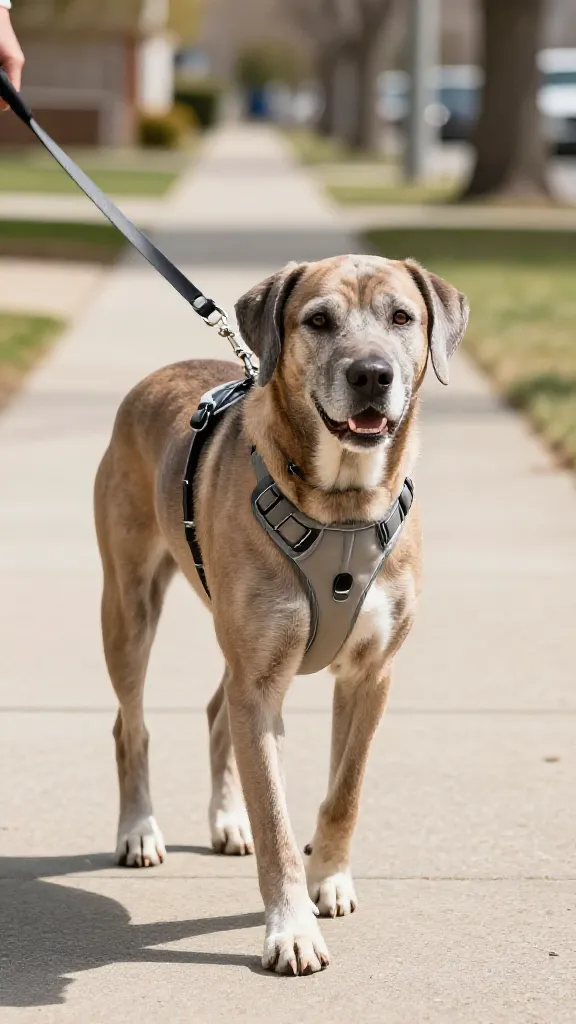
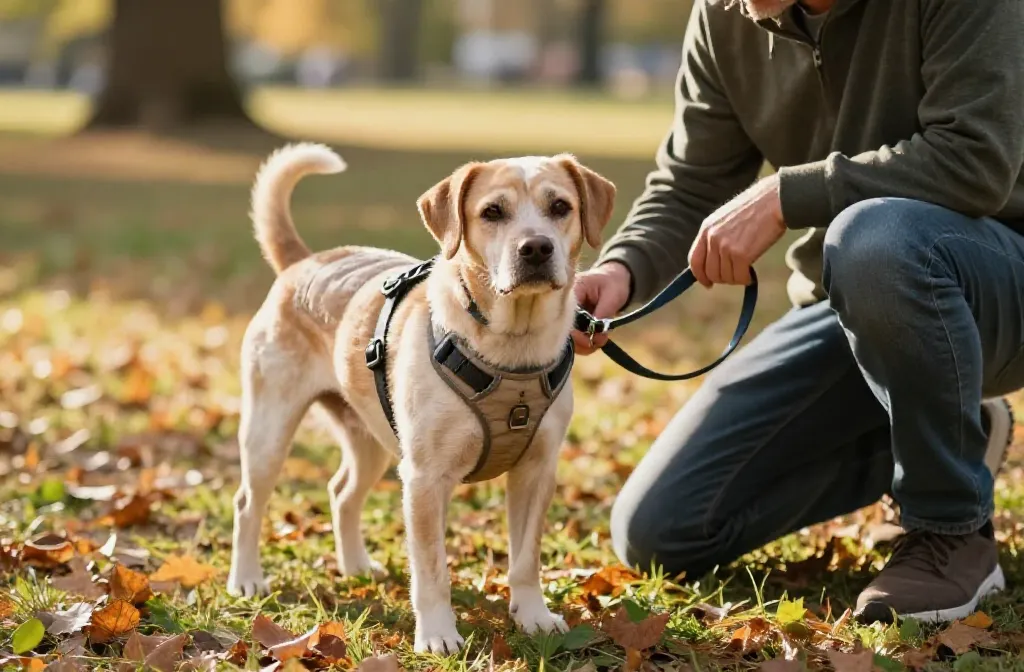
A well-fitted harness and safe leash combo changes the game for older dogs. It reduces pressure on the neck and distributes weight more evenly during every step.
Tips
- Look for a front-clip harness to discourage pulling without choking.
- Soft, padded straps prevent irritation on delicate skin.
- Choose a leash length that gives control without feeling restrictive.
Heck yes, the right gear can turn a tugging struggle into a smooth, confident stroll. Your pupper will thank you with happier zoomies at the park—okay, maybe not zoomies, but you know what I mean.
3. Mind the Ground Surface: Safer Routes for Tender Paws
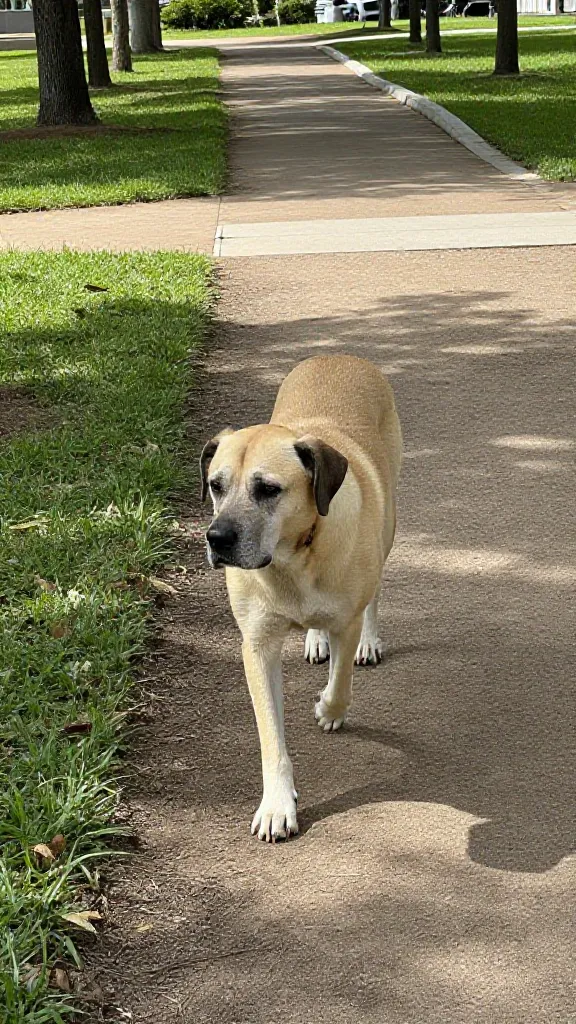
<p Uneven pavement, hot sidewalks, and slippery floors can spell trouble for aging paws. Selecting friendlier routes protects paws and joints.
Key Considerations
- Prefer grassy paths, dirt trails, or shaded, even sidewalks.
- Avoid icy patches and extreme heat; plan mid-day or early morning strolls in summer.
- Check for curb ramps and gentle slopes to minimize stress on hips.
Simple choices, big payoff. A softer route reduces slips and aches, letting your dog finish the walk with dignity—and a waggy tail, obviously.
4. Modify Pace and Distance: Listen to Their Cues, Not the Clock
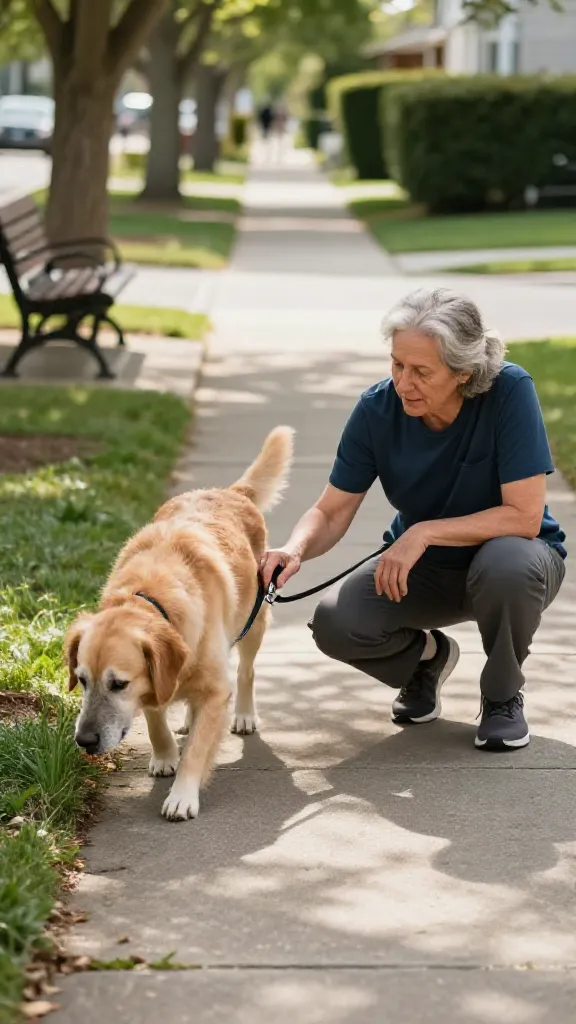
Older dogs talk in little ways. Slow paws, heavy sighs, and a lingering look at the leash signal it’s time to shorten the route or slow the pace.
Practical Guide
- Start with shorter segments and gradually increase if your dog shows comfort.
- Incorporate frequent 20–30 second breaks for a sniff and a sip.
- Let them dictate the pace; you’re the coach, not the drill sergeant.
Adjusting on the fly keeps walks pleasant and prevents overexertion. FYI, consistency beats heroic one-off efforts every time.
5. Add Joint-Supportive Benefits: Tiny Habits, Big Relief
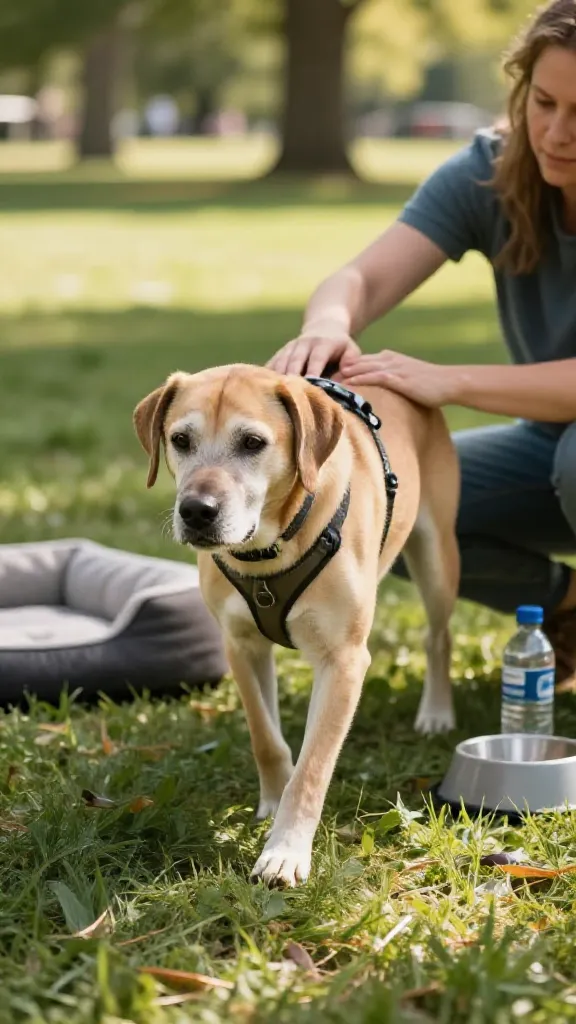
Small additions can make a big difference in comfort and mobility. Think supplements, gentle massage, and cozy recovery strategies after the walk.
What to Try
- Consult your vet about joint supplements like glucosamine or omega-3s appropriate for your dog.
- Post-walk massage focus on shoulders, hips, and hind legs to ease stiffness.
- Offer a cool-down period with fresh water and a comfy resting spot to aid recovery.
These tiny habits add up, keeping your dog’s body in better shape for more years of adventures. Seriously, your future self will thank you for sticking to a routine that works.
Conclusion: You’ve got this. With these five strategies, those walks become safer, cozier, and a lot more enjoyable for your senior sidekick. Now grab the leash, pick a friendly route, and enjoy the wonderful, wag-filled moments ahead. You’re doing great, and your dog knows it too.