5 Cat Body Language Ears Signs and Meanings
Cats speak with more than their tails, and their ears are tiny translators. These five signs unlock juicy insights into mood, intent, and when to back off with the laser pointer. FYI, understanding them can save you from a dramatic dramatic eye-roll from your feline overlord.
1. Ears Forward: The Attention Magnet
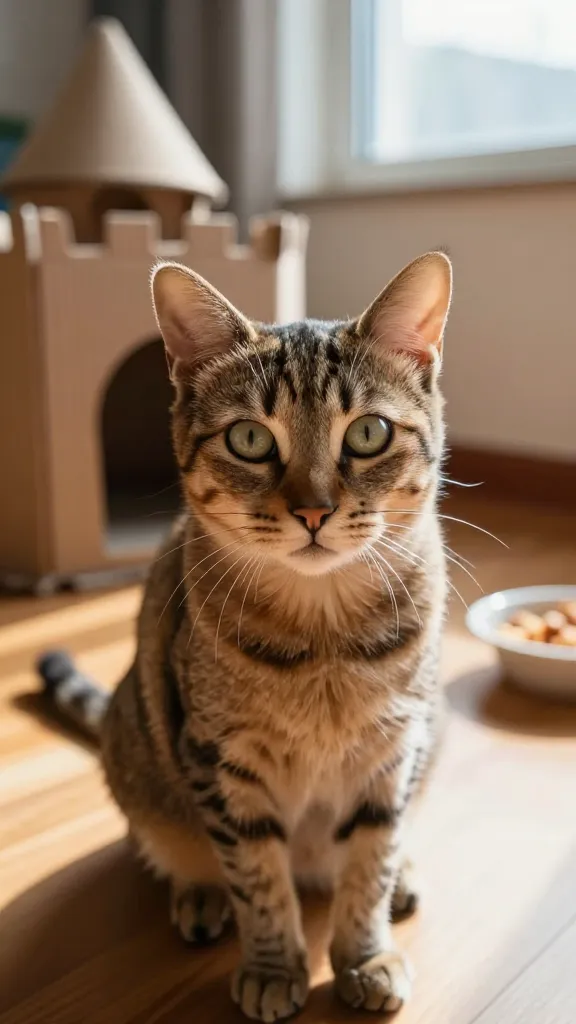
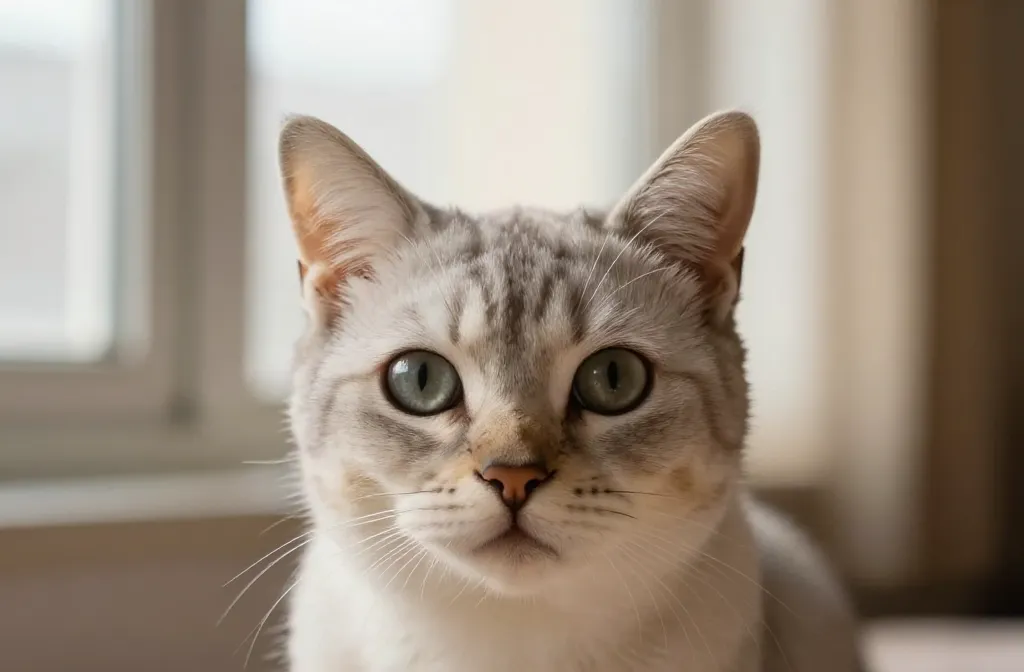
When a cat’s ears tilt forward, it usually means curiosity and focus are in the house. This isn’t just cute—it signals engagement and interest in what you’re doing.
Why it’s awesome: You get a window into what your cat sees as worth investigating, whether you’re cooking or assembling a cardboard castle. It also means they’re open to interaction, not plotting world domination (at least not yet).
Key Points:
- Signals curiosity about a sound, sight, or scent
- Indicates willingness to interact or play
- Often paired with relaxed body language like soft eyes
Tips: Try a feather wand or a treat to keep the engagement positive. If the ears stay forward and the body relaxes, you’ve got a high-five from your cat—metaphorically speaking.
2. Ears Turned Inward: The Not-So-Subtle Stress Signal
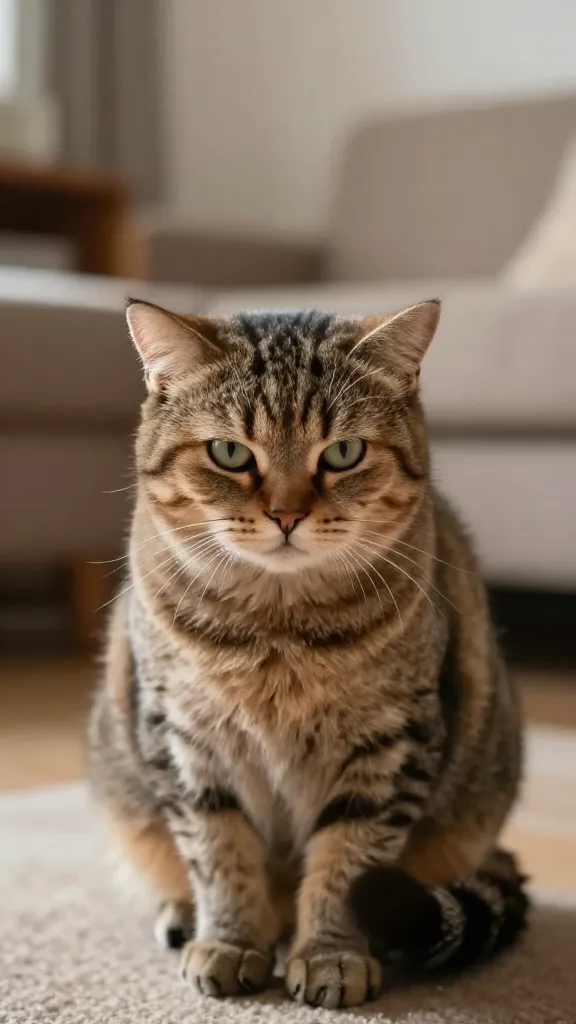
When ears flatten or twist toward the back, your cat is on high alert or feeling threatened. This is your cue to give space and read the room for safety.
Why it’s awesome: It’s a quick, reliable indicator that you should avoid loud noises, sudden moves, or poking the kitty with a toy. Respect the vibe and you’ll prevent an accidental scratch or dramatic exit stage left.
Key Points:
- Flat or angled ears mean tension or fear
- Often accompanied by a crouched posture or tucked tail
- Signals a boundary: back off, don’t push
Tips: Create a calm environment with a cozy retreat—think cat tunnel, soft bed, and a quiet corner. If you’re introducing a new pet, give extra space until confidence returns. Trust me, space is cooler than a bribe when fear is involved.
3. Ears Pinned Back: The Ultimate Boundary
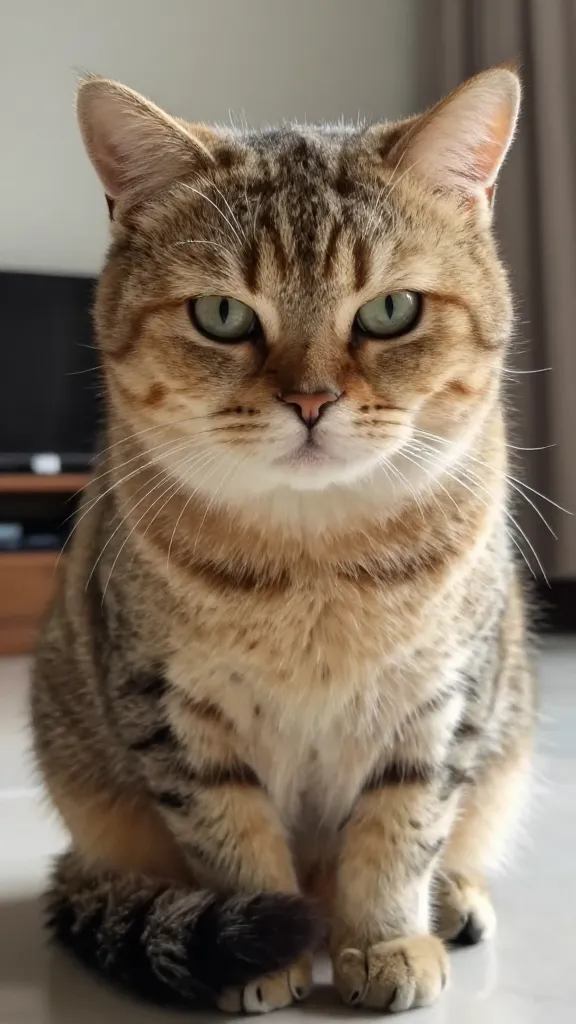
Pinned-back ears scream “back off” in loud, dramatic fashion. This is one of the strongest warning signs a cat can give, short of a hiss or swat.
Why it’s awesome: It’s a blunt signal that your cat is overwhelmed or irritated. Recognizing it early can prevent unnecessary confrontations and protect both of you from injuries—and save your furniture from a dramatic leap onto the sink.
Key Points
- Direct boundary signal; not negotiable
- Often paired with a stiff body and tail flick
- Means you should disengage immediately
Tips: Step back and offer a partitioned space, like a cat tree or separate room with warm lighting. Encourage positive associations with your presence using calm voice and gentle treats. Seriously, slow and steady wins the peace treaty.
4. Ears Splayed to the Sides: The Happy, Attentive Vibe
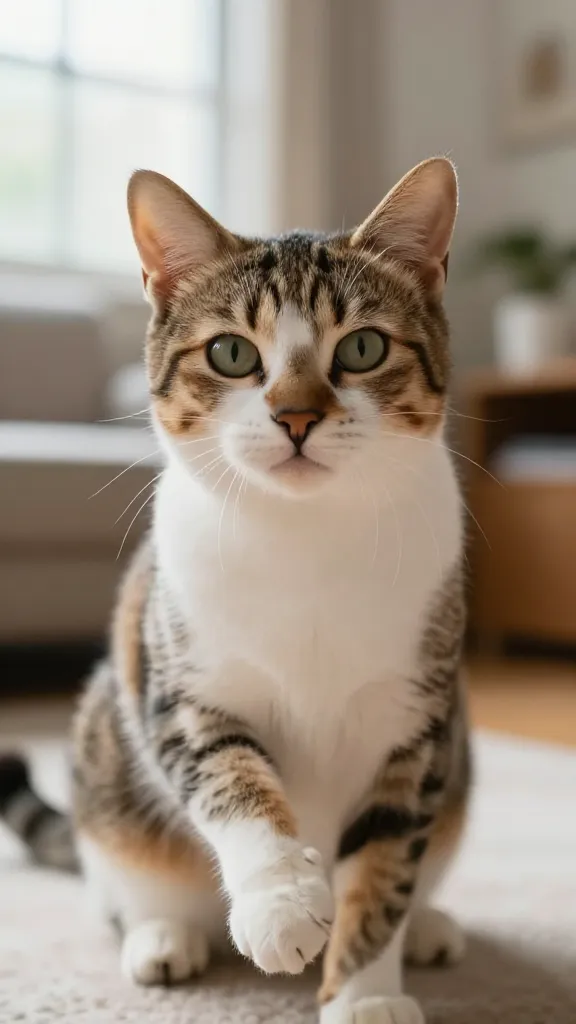
When ears face outward and slightly to the sides, your cat is in a confident, relaxed mood with keen awareness of their surroundings. It’s basically “I’m listening, and I’m cool with you.”
Why it’s awesome: This posture means your cat is approachable and ready for gentle interaction. It’s a perfect moment to initiate a playful session or a quick cuddle, depending on your cat’s tolerance for cute chaos.
Key Points
- Sideways ear position often signals comfort
- Indicates attentiveness without threat
- Great moment to engage with a light touch or a soft talk
Tips: Offer a wand toy or a puzzle feeder to channel that energy. This is also a nice moment to praise: “Good job, buddy.” It reinforces trust and keeps things happy. Trust me, you’ll both leave the room with eyes a little brighter.
5. Ears Tilted Back with Narrowed Eyes: The Quiet Warning
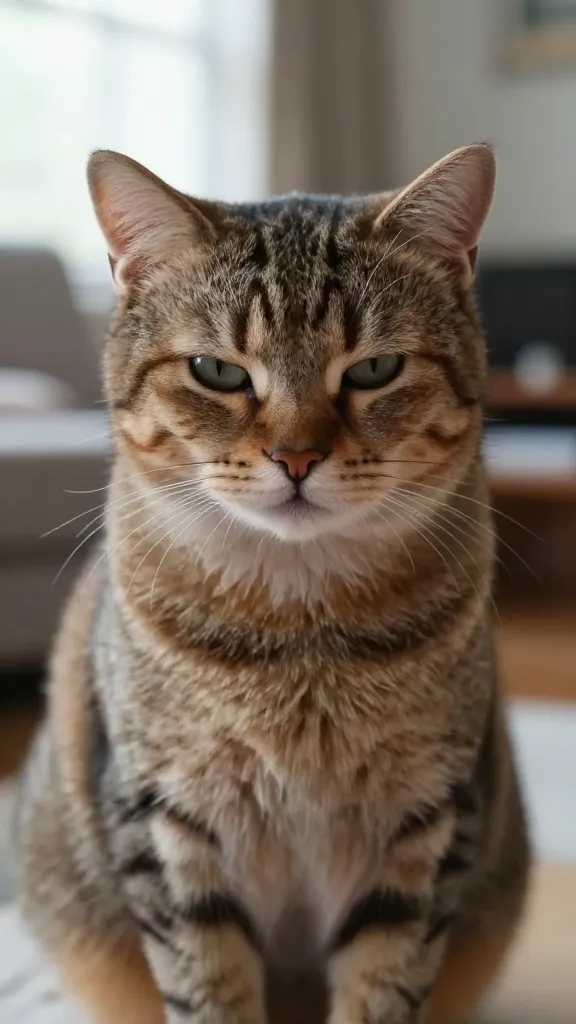
A subtle tilt combined with narrowed eyes is a soft, but clear, warning that your cat is annoyed or annoyed enough to set boundaries. This one is sneaky, but effective.
Why it’s awesome: It helps you read a more nuanced mood than a simple tail flick. You’ll learn to pick up on the smallest cues before things escalate, which is basically ninja-level cat parenting.
Key Points
- Subtle, but meaningful
- Usually signals irritation or a request for space
- Can precede more obvious signals if ignored
Tips: Respect the signal and switch to low stimulation. Do a slower pace in your movements and offer a safe retreat. A little space can prevent a dramatic “I’m done” moment and save your furniture from getting a new mood alignment.
These five ear signals form a quick language that keeps you in sync with your cat. FYI, ears are not the only clue—pair them with tail, whisker positions, and vocalizations for a complete read. Trust me, your cat will “talk” more clearly if you meet their cues with calm, confident responses.
End note: Understanding ear signals isn’t just about avoiding drama; it’s about building trust, enhancing play, and extending cozy moments on the couch. So next time your cat tilts forward or flattens those ears, you’ll know exactly what to do—and maybe even win the snacks off the cat throne.
Ready to put this into practice? Grab a few treats, a couple of your cat’s favorite toys, and start reading those ears like a pro. You’ve got this, and your cat definitely notices the vibes. Seriously.