5 Ways to Keep Cat Claws From Getting Sharp You’Ll Want Now
Cats love to scratch, and you love your sofa more than shredded cushions. These five playful, practical ideas keep claws sharp-free while keeping you and your whiskered buddy happy. Ready to test-drive smarter scratching habits?
1. Redirect with Purpose-Built Scratching Zones
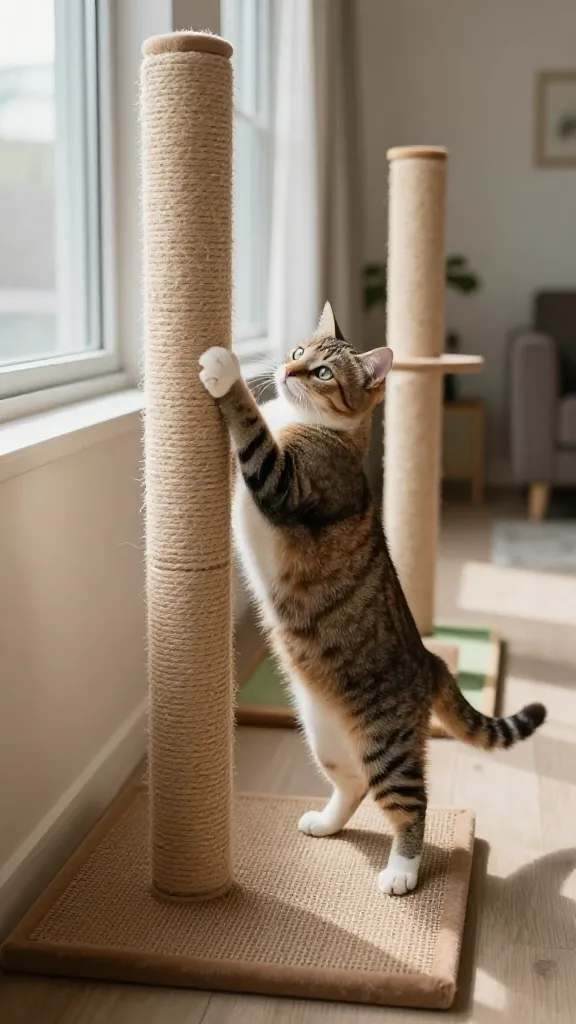
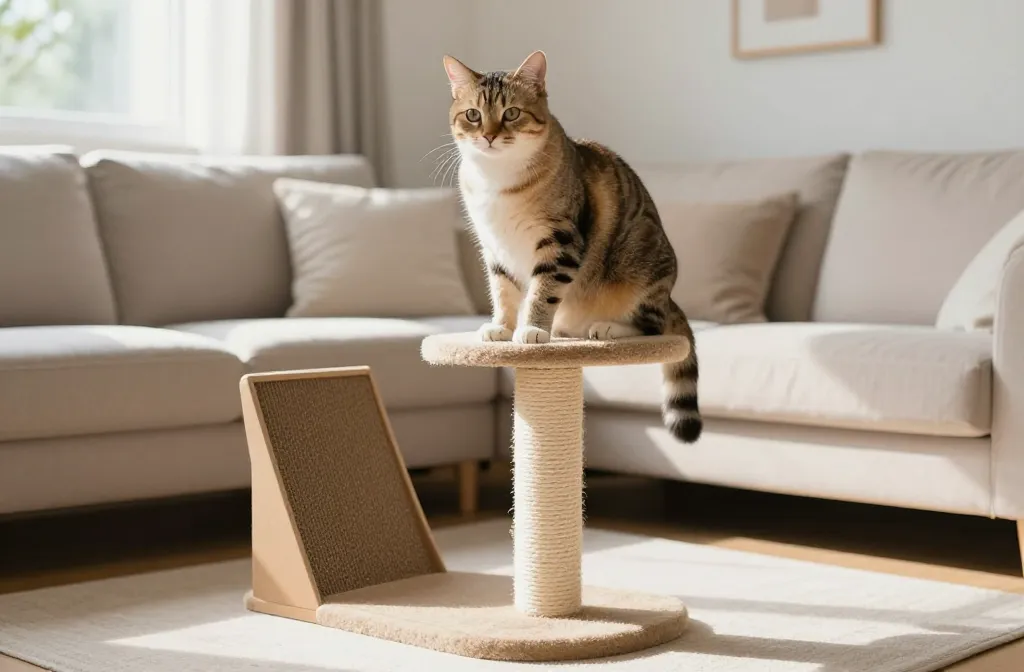
Why fight a natural instinct when you can nudge it? Creating inviting scratching zones gives your cat a satisfying outlet without ruining your things.
Key Points
- Place at least one scratching post or pad near the spots your cat currently scratches
- Choose a variety of textures to appeal to different preferences (corrugated cardboard, sisal rope, carpet)
- Make zones tall enough for full-body stretch and sturdy enough to resist tipping
Set up a couple of zones in sunlit corners or along traffic paths. FYI, cats love vertical and horizontal options, so mix it up. When your cat enjoys the zone, you’ll notice fewer accidental claw marks on furniture.
2. Clip Claws Regularly Without Turning It Into a Nightmare
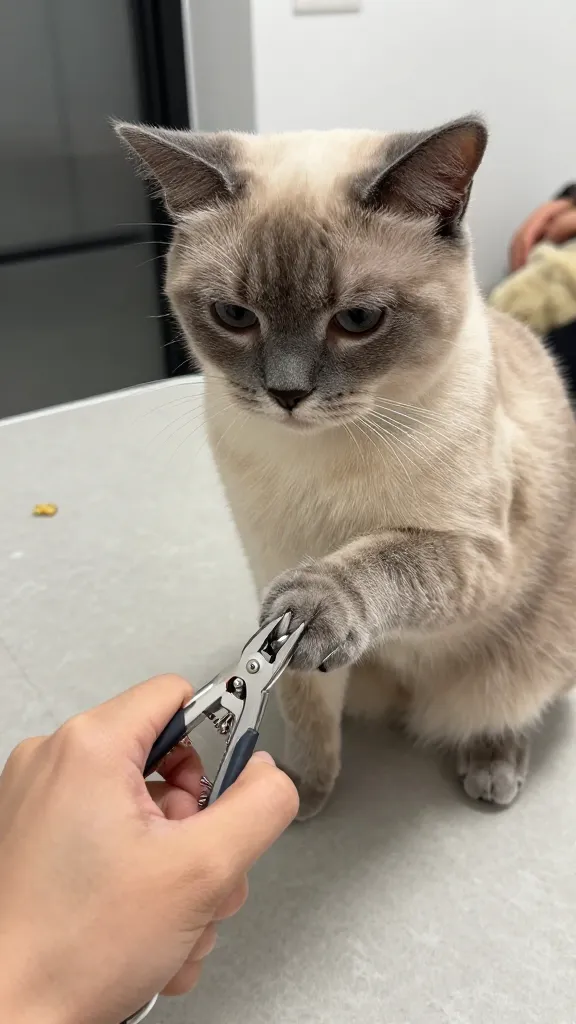
Clipping trims the sharpness, but you don’t want the process to feel like a chore. Short, calm sessions make claws safer for everyone—and faster than you think.
Tips
- Use cat-specific nail clippers or a human nail clipper with a steady hand
- Gently press the paw to extend the claw, trim just the tip
- Reward with a treat or quick cuddle after
Start with a few seconds, then build up to 30 seconds per paw. If you’re squeamish, ask a vet or groomer to show you the trick, and you’ll feel like a pro in no time. Seriously, consistency beats fear here.
3. Invest in Durable, Claw-Resistant Furniture Covers
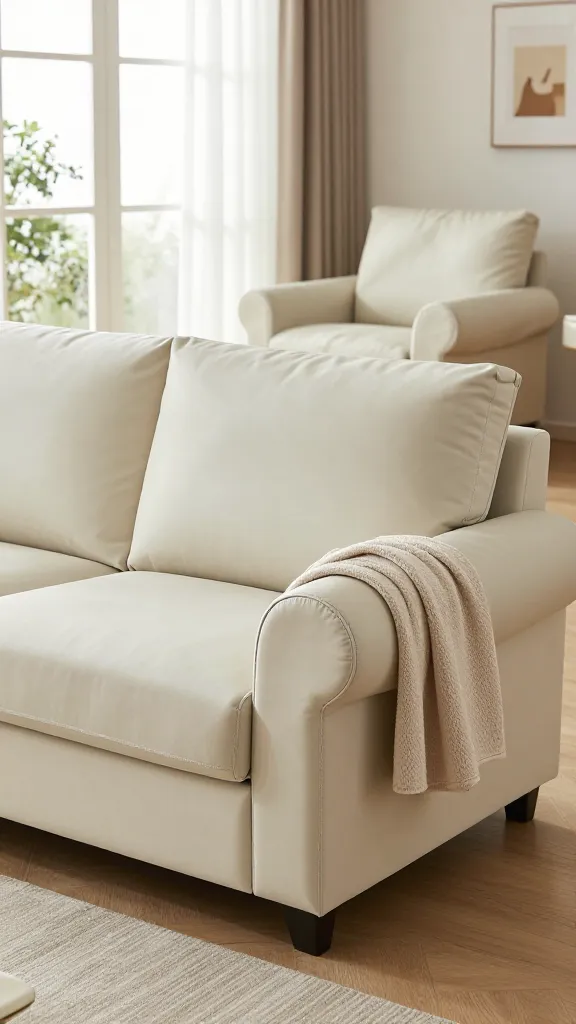
Your furniture can stay chic and protected with smart covers that thwart sharp claws while looking stylish. It’s a win-win when guests wonder how you kept the sofa pristine.
Materials
- Machine-washable slipcovers in a pet-friendly fabric
- Vinyl or faux leather protectors for high-scratching zones
- Soft throws for warmth without inviting disinterest in scratching
Replace or rotate covers as needed. The goal isn’t a fortress; it’s a reasonable boundary that preserves your style. Trust me, a chic cover makes furniture maintenance feel effortless.
4. Use Deterrents That Actually Make Sense
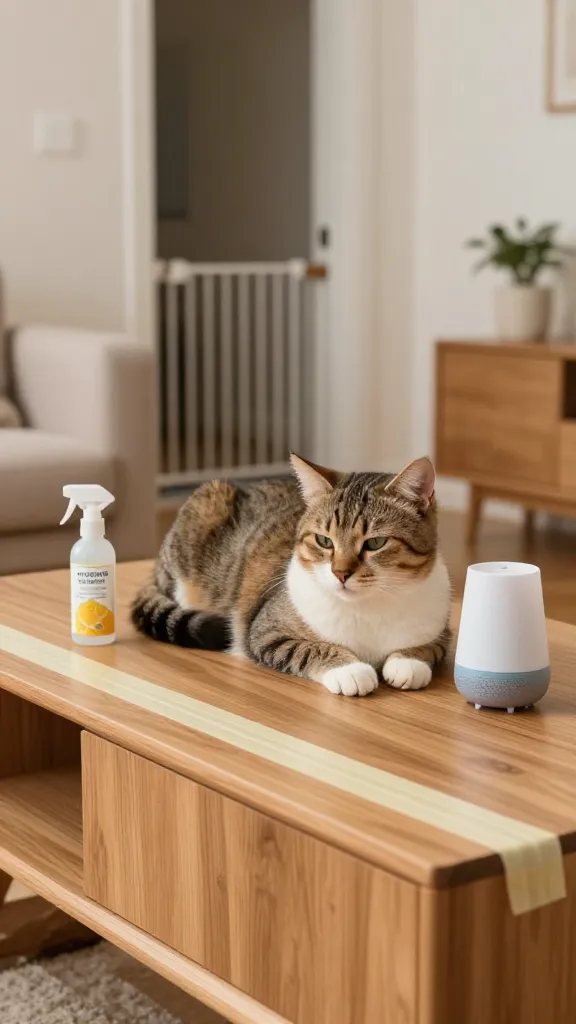
When a product smells unpleasant to a cat or feels odd under their paws, they’ll back off. The trick is to choose safe, humane options that deter without distress.
Suggested Approaches
- Double-sided tape on wood edges or arms (cats dislike the sticky sensation)
- Pet-safe citrus or pheromone spritz to calm and deter (avoid overwhelming scents)
- Close doors or use baby gates to forbid access during high-scratching times
Use deterrents sparingly and rotate them so your cat doesn’t habituate. FYI, consistency matters more than intensity here—keep a predictable routine and your cat will adapt quickly.
5. Schedule Regular Play Sessions to Burn Off Energy
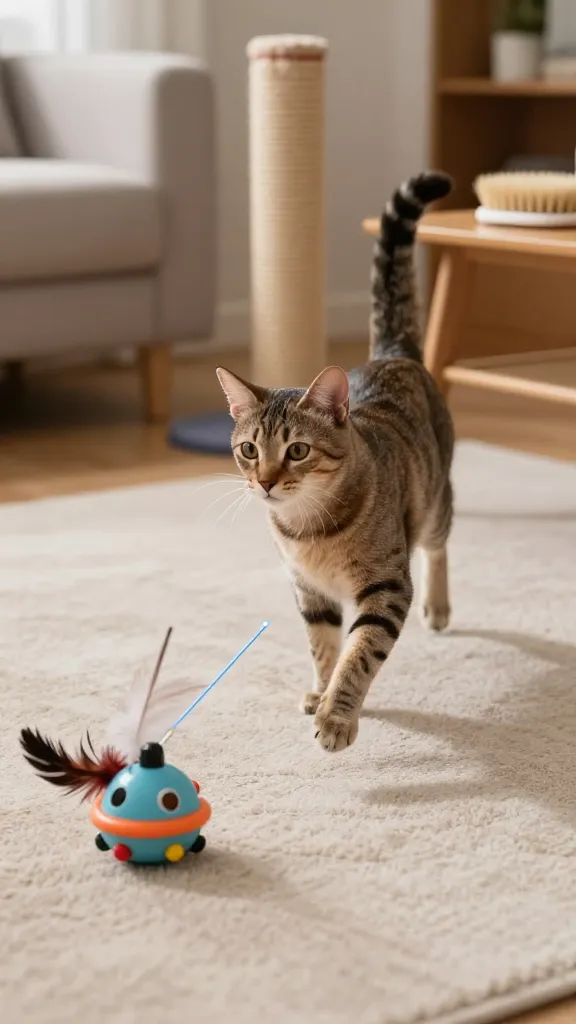
If your cat has energy to spare, they’ll channel it into claws. Tiring them out with engaging play keeps claws away from surfaces you care about.
Play Ideas
- Feather wands, laser pointers, or treat-dispensing toys
- Interactive chase games that end near their scratching zone
- Short, frequent sessions (5–10 minutes, multiple times a day) rather than one long bout
End each playtime with a calm cooldown and a little grooming. These moments reinforce bonding and reduce claw-focused frustration. IMO, a well-exercised cat is a mellow cat—and a mellow cat is a clue you’ll get fewer clawy surprises.
By applying these five approaches, you’ll keep claws sharp only when they’re meant to be—on scratch-friendly surfaces—saving furniture and keeping your kitty happy. The key is balance: offer engaging alternatives, maintain healthy grooming habits, and gently deter targeted furniture scratches.
Ready to try these ideas? Pick one or two strategies to start this week, and notice how quickly your cat adapts. You’ve got this—and your living room will thank you.