6 Tips on How to Check Cat Health at Home
Want peace of mind without panicking at every purring sigh? These six at-home checks are simple, reliable, and oddly satisfying. FYI, your cat will thank you with extra head boops and better naps.
1. Check Eyes, Ears, and Coat Like a Pro
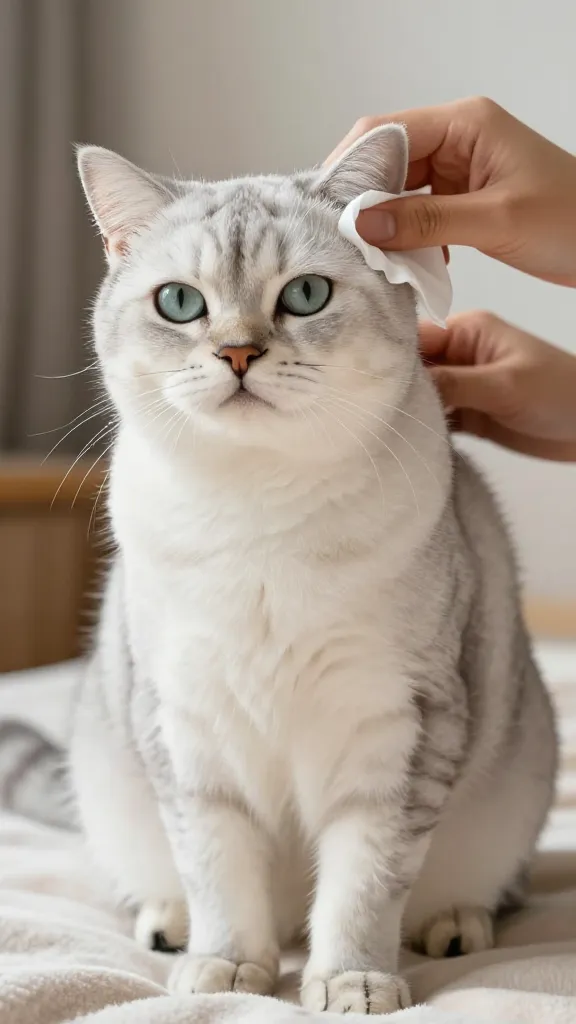
Bright, clear eyes and a clean coat are hidden health signals your cat drops every day. When you notice something off, you catch it early and save possible vet visits later.
Key Points:
- Eyes should be bright with no redness or discharge.
- Ears should smell neutral and be free of excess wax or debris.
- Coat should be shiny, clean, and free of bald patches.
Quick routine: Gently wipe the corner of each eye, inspect the inner ear flap, and run your hands along the back to feel for lumps or unusual warmth. If you spot crusty eyes, dark wax, or a foul odor, book a check-in with your vet—seriously, trust me on this.
Benefits: Early signs of infection or allergies show up here, and catching them early means fewer meds and faster cuddles.
2. Observe Behavior and Energy Levels

Behavior is your cat’s mood ring. A noticeable change—less appetite, hiding, or extra vocalizing—can signal stress, pain, or illness. Don’t ignore it; investigate with kindness.
What to Watch For:
- Normal activity patterns: play, nap, repeat.
- Eating and drinking habits—any sudden drop or spikes.
- Social preferences: who’s clingy vs. aloof this week.
Tips: Keep a rough one-week diary of behavior. Note favorite playtimes, appetite, litter box visits, and sleep duration. If you see a deviation lasting more than 24–48 hours, consider a vet visit. IMO, persistent changes are a red flag worth chasing.
Benefits: You’ll catch problems like dental pain, arthritis, or infections before they derail daily life.
3. Monitor Litter Box Health Without Being Weird
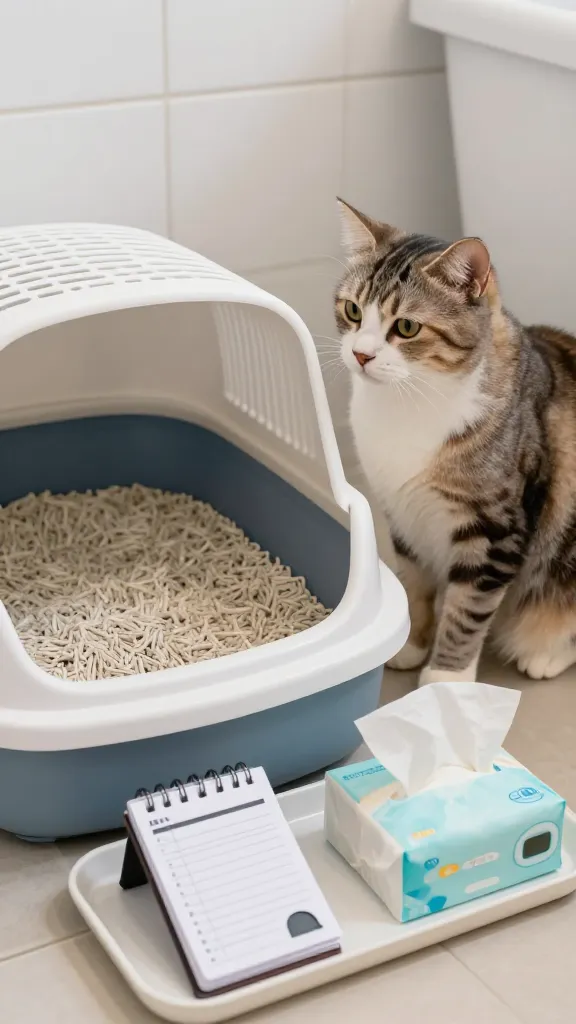
Litter box clues are surprisingly telltale. Normal patterns keep your cat comfy; deviations might point to urinary issues or GI upset. No drama, just facts.
Key Elements to Track:
- Urination frequency: multiple trips or straining?
- Consistency of stool: normal, soft, or extremely hard?
- Color and odor: strong changes deserve a closer look.
How to check: Clean the box regularly so you can spot changes, then observe after meals when digestion kicks in. If you notice blood, persistent straining, or dramatic changes in weight, call your vet ASAP. Seriously, urinary problems can escalate fast in cats.
Benefits: Minimal monthly checks save you from expensive ER visits and keep your cat comfortable and confident using the box.
4. Gums, Teeth, and Breath: The Mouth Health Check
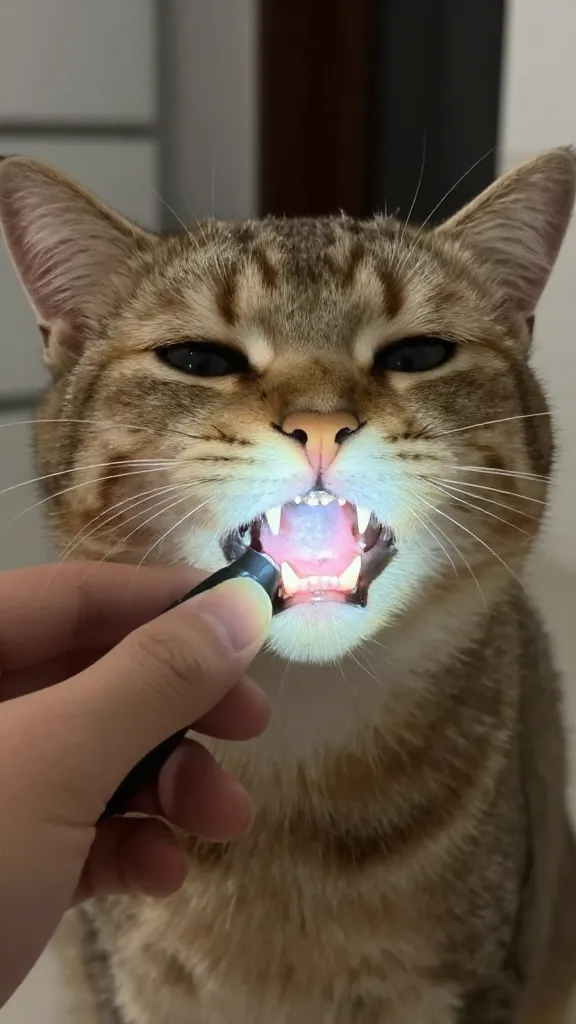
Cats can hide dental pain behind those adorable purrs. Regular oral checks help you stop small problems from becoming big, expensive issues.
What to Do:
- Gently lift the lips to inspect gums and teeth.
- Look for redness, swelling, tartar buildup, or loose teeth.
- Note bad breath—yes, it happens, but it shouldn’t linger.
Tips: Use a flashlight and be patient; many cats tolerate a quick peek if you’re calm. If you notice swelling, bleeding gums, or yellow-brown tartar, set up a dental check with your vet. FYI, dental health often affects overall well-being and appetite.
Benefits: Great dental health means fewer infections and better appetite, which keeps energy up for zoomies and naps alike.
5. Weight and Body Condition: The Quick Weigh-In
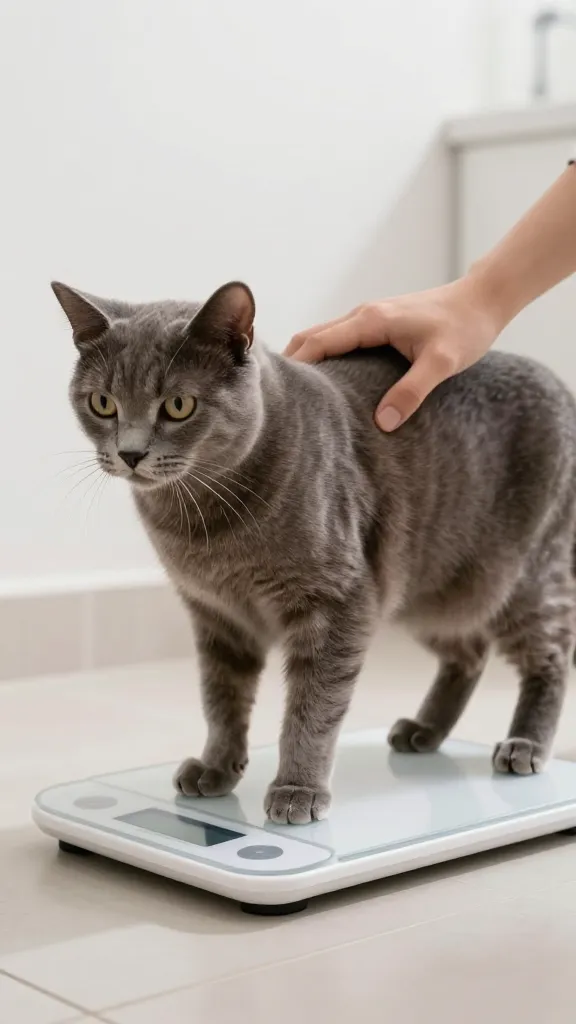
Weight is a silent health indicator. Too light or too heavy can sneak up on you, affecting mobility, heart health, and overall happiness.
Two Simple Methods:
- Digital or veterinary scale: weigh weekly and track a trend.
- Rib check: you should feel, not see, ribs with a light touch.
Quick routine: Weigh your cat at the same time weekly, using the same scale if possible. Compare to age and breed guidelines, but rely on your vet for exact targets. If you notice a sudden gain or loss, schedule a vet visit—weight changes can signal thyroid issues, diabetes, or kidney problems. Trust me, don’t ignore it.
Benefits: Stable weight helps your cat stay active, flexible, and less prone to health complications down the line.
6. Hydration Check: Water Intake Clues
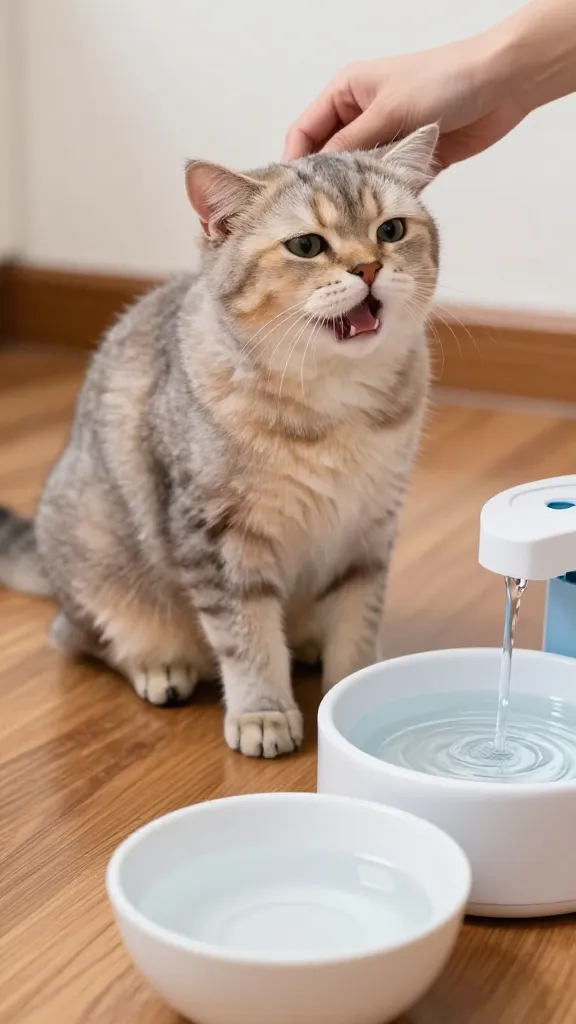
Water is life, even for felines who famously tolerate dehydration. Keeping an eye on hydration helps catch kidney issues and other serious conditions early.
Easy Hydration Cues:
- Skin elasticity: lift the scruff; it should snap back quickly.
- Gums: should be moist and pink; dry gums are a red flag.
- Water bowl habits: is your cat drinking regularly or avoiding water completely?
Tips: Offer fresh water in multiple bowls or a running-water fountain to entice drinking. If your cat isn’t drinking much for more than 24–48 hours, or if you notice dry mouth or lethargy, call your vet. FYI, dehydration can sneak up fast in hot weather or after activity.
Benefits: Consistent hydration protects kidney function, supports mobility, and keeps energy steady for daily adventures.
Ready to start? Grab a small notebook or your favorite note app, and turn these six checks into a weekly routine. Your cat will feel cared for, and you’ll gain confidence knowing you’re spotting issues early. Seriously, you’ve got this.
Conclusion: You now have a friendly, practical at-home health plan that strengthens your bond with your cat. If a concern pops up, don’t panic—call your vet and share your notes. You’re both on the same team, and better health starts with your steady, curious eyes.