5 Signs to Spot Cat Health Issues Early
Cats are sneaky when something’s off, but these five signs pop like alarm bells. Catch them early, and you’ll keep your feline sidekick thriving and smugly cute. FYI, you’ll thank yourself later.
1. Sudden changes in weight or appetite
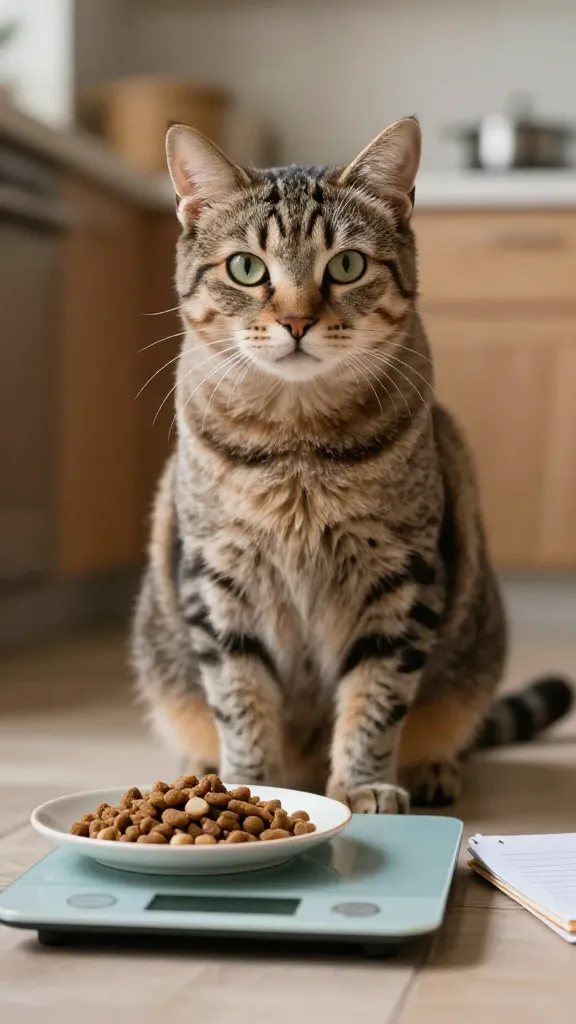
Big red flag when your cat starts losing weight or suddenly demolishes meals like it’s a vacuum. Changes in appetite can hide everything from dental pain to thyroid issues.
Quick checks
- Weigh your cat monthly on the same scale for consistency
- Keep a simple food diary for a week
- Note changes in feeding times or preferences
Two things to remember: small fluctuations are normal, but rapid shifts deserve a vet call. If your cat’s not eating at all for a day or two, that’s an emergency—don’t delay, trust me.
2. Lethargy or hiding more than usual
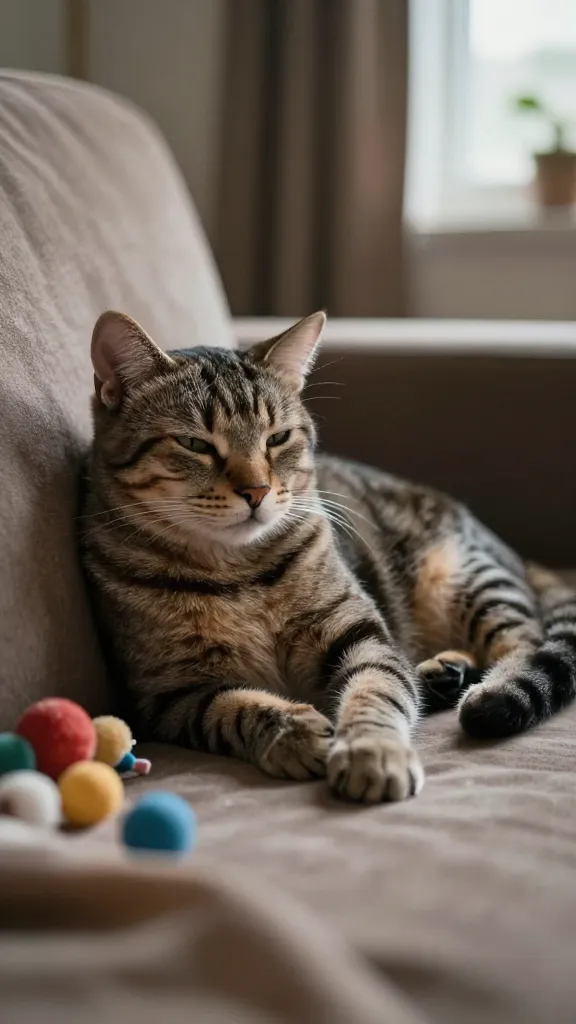
If your typically sprightly furball turns into a couch potato and hides in weird corners, something’s off. Cats mask discomfort beautifully, so silence might be screaming pain.
What to observe
- Reduced play or interaction with you
- Less grooming or a scruffy coat
- Staying out of sight longer than normal
A lethargic cat deserves a closer look. Short naps are fine, but if they’re sleeping 20 hours straight or refusing the usual zoomies, schedule a check-in with your vet. This is one of those moments where proactive care saves sleep and stress later.
3. Changes in litter box habits
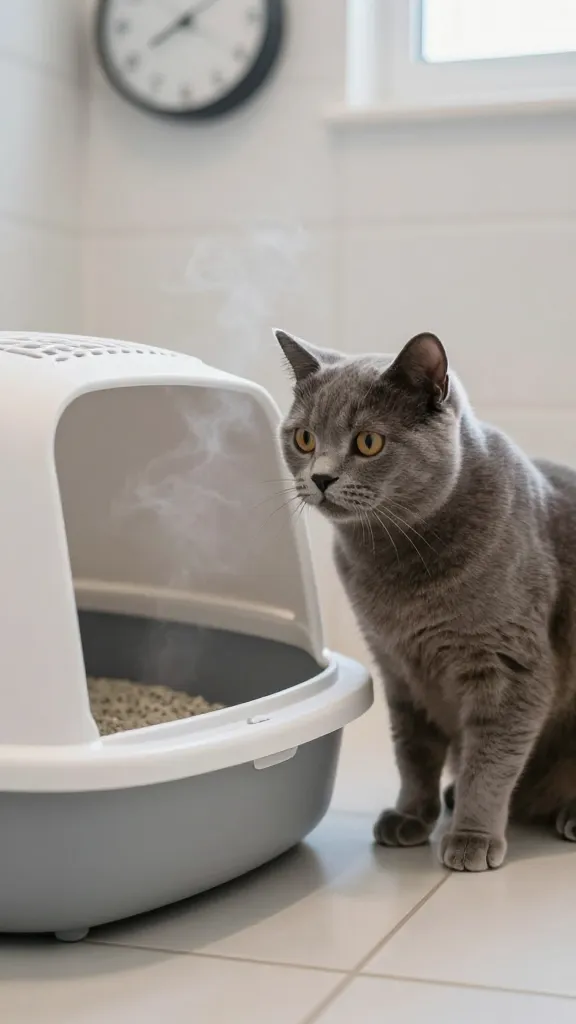
The litter box is basically a mood ring for cats. Any changes in frequency, volume, or appearance can signal issues from urinary tract infections to kidney problems.
What to monitor
- Increased urination or accidents outside the box
- Straining, blood, or foul odor in urine
- Constipation or hard stools
Keep the litter box clean and accessible. If you notice persistent changes for 24–48 hours, don’t wait—urinary issues can escalate quickly and require prompt veterinary care. Seriously, don’t skip this one.
4. Coat, skin, and grooming red flags
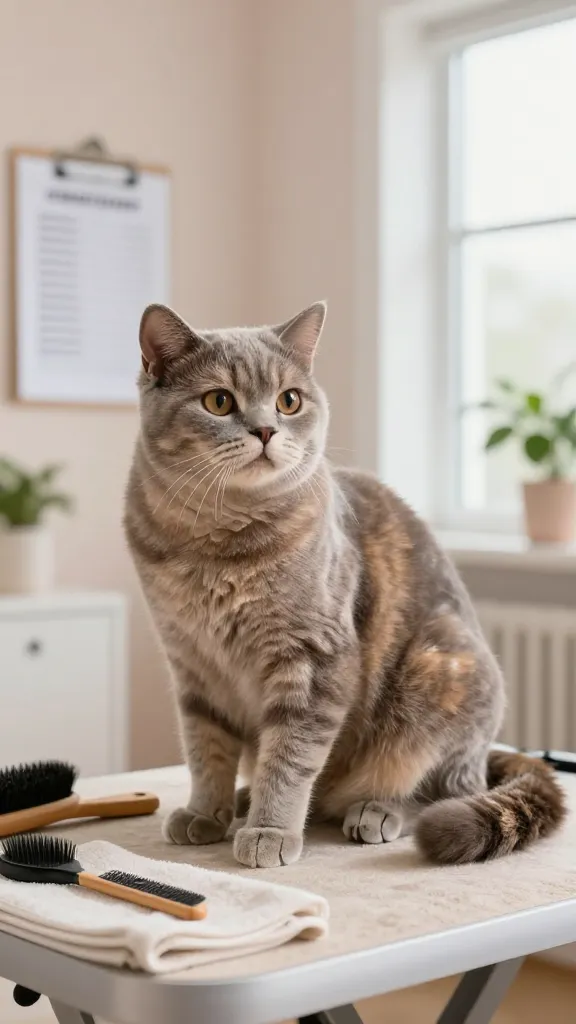
Dry, itchy skin or a greasy coat can hide internal problems or allergies. Regular grooming is a window into your cat’s health, and neglect here can mask bigger issues.
Spot the signs
- Persistent shedding or bald patches
- Excessive scratching, licking, or biting
- Dull coat, crusty ears, or flaky skin
Short-term fixes like a new brush or hypoallergenic shampoo help, but chronic skin problems often point to allergies, parasites, or endocrine issues. If grooming becomes a battle, or you notice skin changes lasting more than a week, call your vet. This is one area where prevention pays off.
5. Respiratory changes or unusual sounds
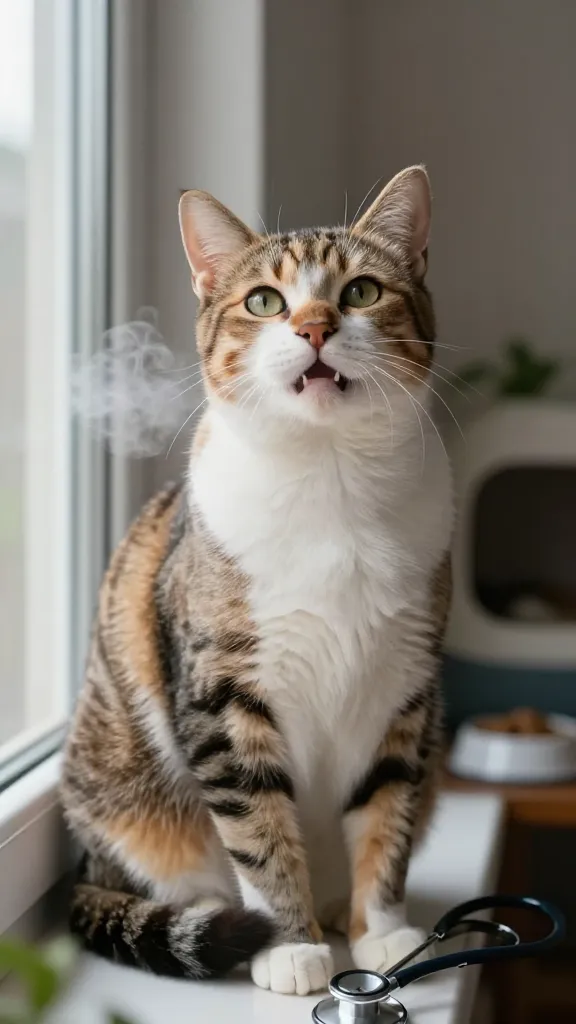
Coughing, wheezing, sneezing, or faster breathing than usual signals the respiratory system might be throwing hands up in the air. Cats don’t always show pain in obvious ways, so listen to those little gasps.
Key indicators
- Persistent coughing or wheezing
- Open-mouth breathing or panting after light activity
- Runny nose or eyes with discoloration
Respiratory issues can escalate quickly and become dangerous. If you notice these signs, especially if your cat is lethargic or not eating, seek veterinary help promptly. Trust me, early intervention is way less dramatic than emergency drama later.
Taking notes helps you stay on top of your cat’s health, so you can act fast when something’s off. Stay curious, stay proactive, and your whiskered pal will thank you with more purrs and adventures. You’ve got this!
Ready to use these tips? Start a simple daily health check routine and share what you notice with your vet. You’ll be amazed at how often early, tiny signals turn into big wins for your kitty.