8 Kitten Litter Box Training Tips for Beginners: Quick Wins
Whether you’re welcoming a fluffy furball or upgrading your routine, these tips turn litter box chaos into daily triumphs. Let’s cut the guesswork and get your tiny floof on the right track—fast.
1. Pick the Right Box Before Purrs Begin
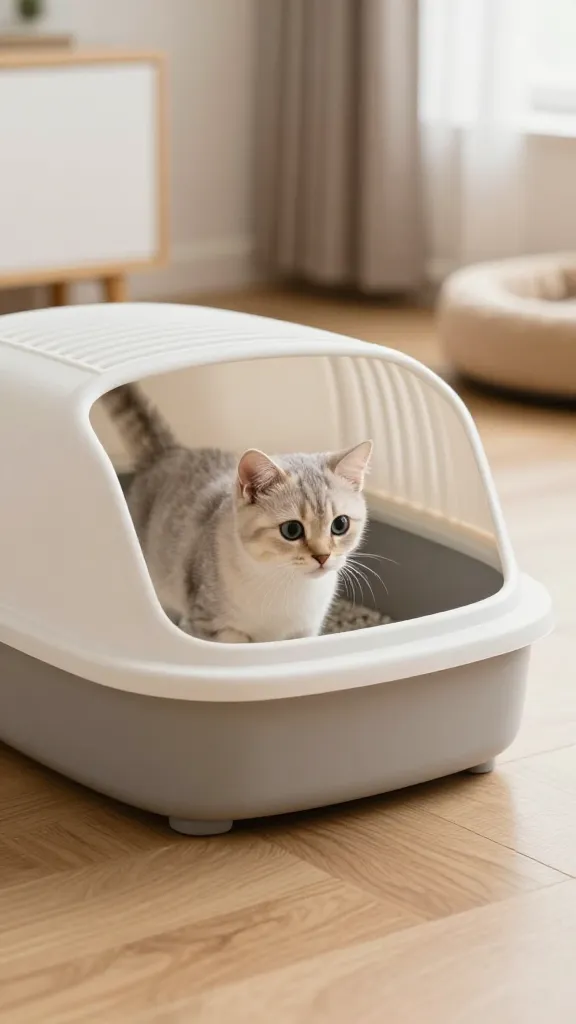
Choosing the right box sets the foundation for success. A good starter box makes things easy for both you and your kitten, not a claustrophobic nightmare.
Key Points
- Size matters: go for a box that your kitten can turn around in comfortably.
- Low entry: easy access for tiny paws, no need for a wrestling match.
- Covered vs. open: start with open to reduce scares, switch later if needed.
By picking wisely, you reduce mess and hesitation. FYI, a large enough box means fewer missed targets and more confident bathroom breaks.
2. Scoop Smart, Not Snarky
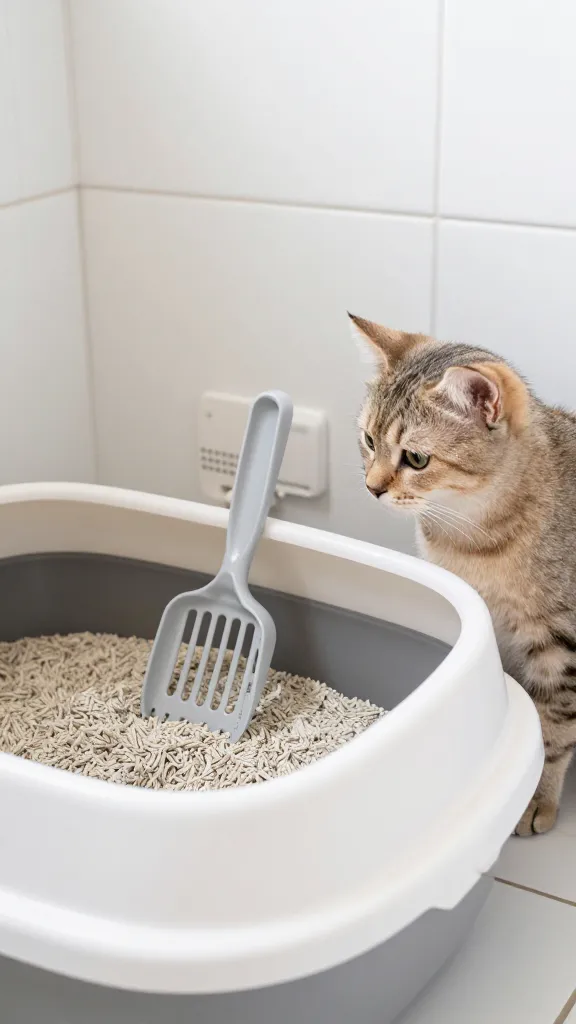
Cleaning routines matter. A consistent schedule makes litter box training feel normal, not punitive. You’ll thank yourself during the third daily scoop.
Tips
- Scoop daily to keep odors down and motivation up.
- Replace litter completely every 1–2 weeks depending on usage.
- Consider a high-quality clumping litter for easy removal.
Regular upkeep reduces accidents and keeps your kitten from avoiding the box out of smell or mess. Seriously, small daily wins compound into big behavioral wins.
3. Show, Don’t Force: The First Training Click
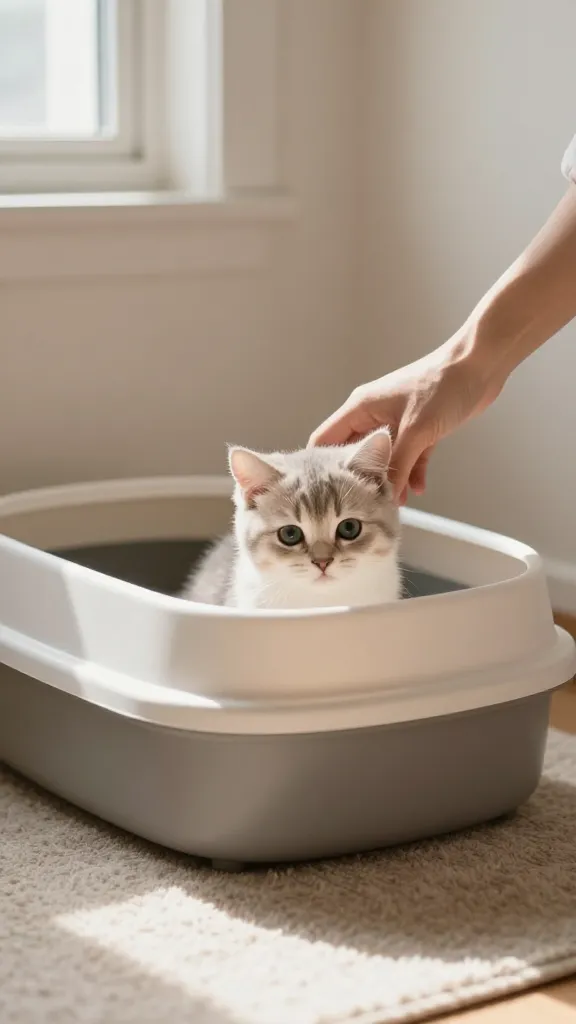
Introduce the box as a safe, normal space. Don’t trap your kitten there; instead, guide them with gentle encouragement and positive vibes.
How to Do It
- Place the box in a quiet, low-traffic area.
- Gently guide your kitten to the box after meals and naps.
- Use praise and a soft voice when they explore it.
Consistency creates trust. If your fluffball explores but hesitates, give them time and keep things calm. Trust me, patience pays off.
4. Litter Depth Dilemma: Not Too Little, Not Too Much
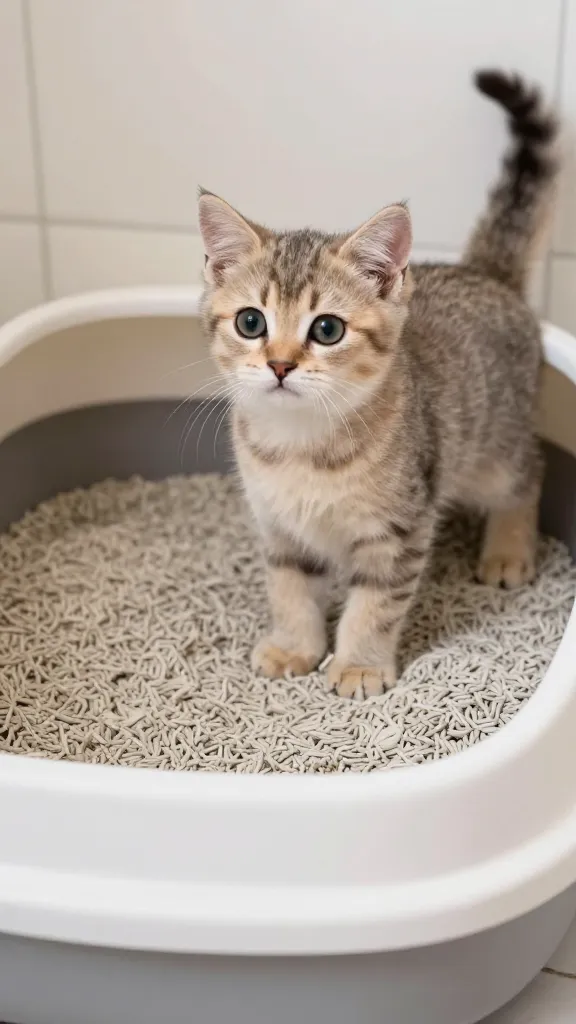
The right litter depth helps kittens learn what to do without feeling overwhelmed. Too deep can be a slippery trap; too shallow invites messes.
General Rule
- Aim for 1–2 inches of litter for kittens under 6 months.
- For adult cats, 2–3 inches works well, but adjust to preference.
This balance keeps paws comfy and paws-on learning efficient. When you get it right, you’ll see fewer digging sessions that end in drama.
5. Gentle Corrections Without Yelling: Redirection Rules
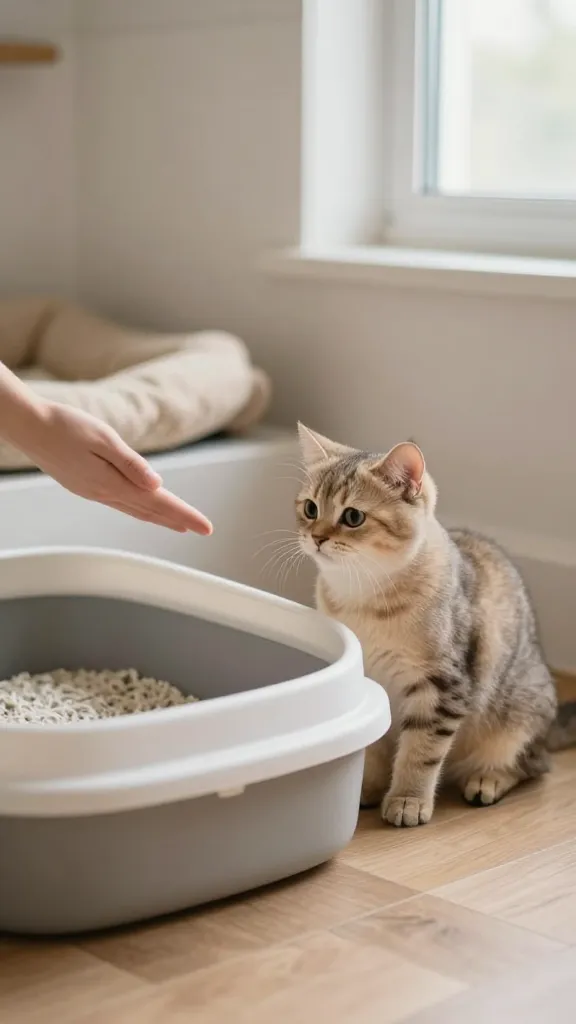
Kittens test boundaries with charm and chaos. Use gentle redirection to guide them toward the box without turning training into a battle.
Redirection Toolkit
- Observe patterns: after meals or playtime is prime litter box time.
- Offer a quick, calm prompt: a soft point toward the box can work wonders.
- Reward successes with a tiny treat or extra cuddle.
Positive reinforcement wins more battles than scolding. IMO, this approach keeps emotions in check for both of you.
6. Privacy vs. Proximity: Where Should It Live?
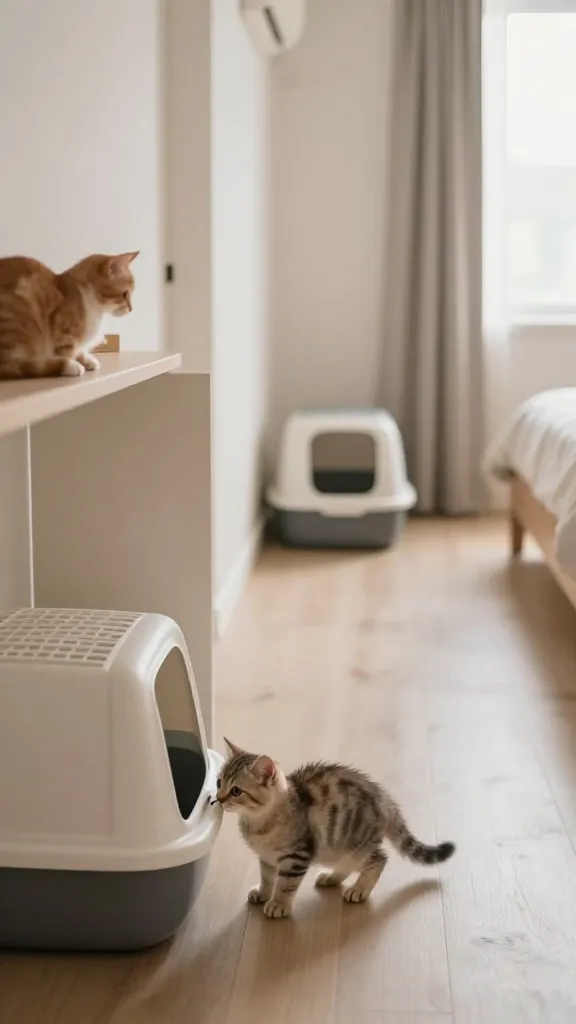
Kittens crave a space that feels safe but not isolating. The right placement can reduce resistance and speed up training.
Best Practices
- Place boxes on every floor to prevent long hallway sprints to the box.
- Avoid busy spots with loud noises or heavy foot traffic.
- Keep boxes away from the food and water area for clarity.
Smart placement minimizes accidents and makes litter box routines feel normal to a curious little explorer.
7. Health Checks: When Training Becomes A Symptom Solver
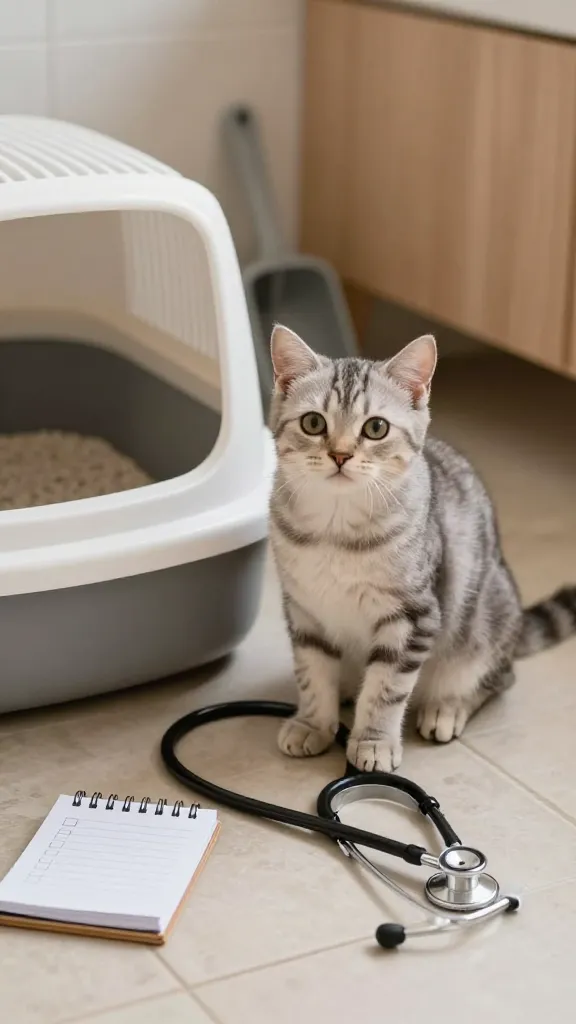
Kittens can be picky or easy to misinterpret. If accidents spike, it might signal a health or stress issue in disguise.
What to Watch For
- Changes in toilet location or frequency
- Straining, blood in urine, or unusual licking around the area
- Behavioral shifts like hiding or excessive meowing
If anything seems off, consult a vet. Early checks save you time, money, and a lot of laundry drama.
8. Make It a Habit: Consistency as Your Best Friend
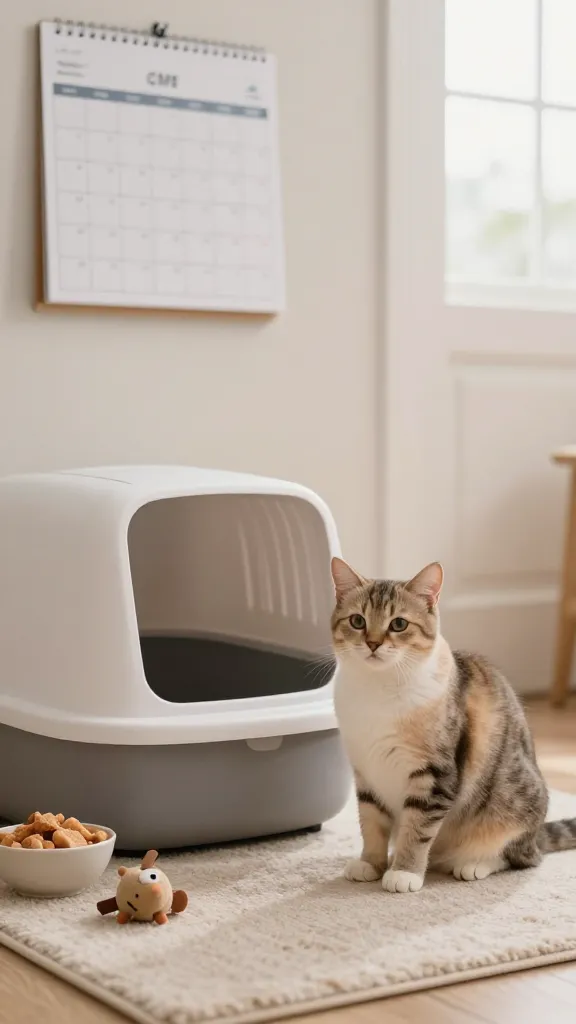
Consistency is the secret sauce. The more predictable the routine, the quicker your kitten becomes a litter box pro.
Consistency Wins
- Keep a regular schedule for feeding and potty times.
- Stick to the same litter box setup for at least two weeks before changing things up.
- Celebrate small wins with affection and a tiny treat.
When your routine feels reliable, your kitten learns to expect the box at specific times, reducing accidents and boosting confidence. Trust me, it’s worth the effort.
With these eight tips, you’re already one step closer to a clean, happy home and a confident kitten who knows exactly where to go. FYI, the payoff is calmer floors and more cuddles—two of the best outcomes there are.
Ready to dive in and start testing these ideas? Grab a box, some litter, and your favorite snack, and you’ll be amazed how fast your little furry friend clicks into confident litter box mode. You’ve got this!