7 Tips for Declawed Cat Care at Home
Declawed cats need a gentle, thoughtful routine to stay happy and comfy at home. These seven tips turn a tricky situation into a smooth, cat-friendly win. FYI, you’ll likely see calmer paws and fewer stressy moments in no time.
1. Create a Calm, Declaw-Friendly Home Terrain

Declawed cats rely on their environment to feel safe and in control. A calm setup helps reduce anxiety and scratch avoidance. Seriously, small tweaks make a big difference.
Key Elements:
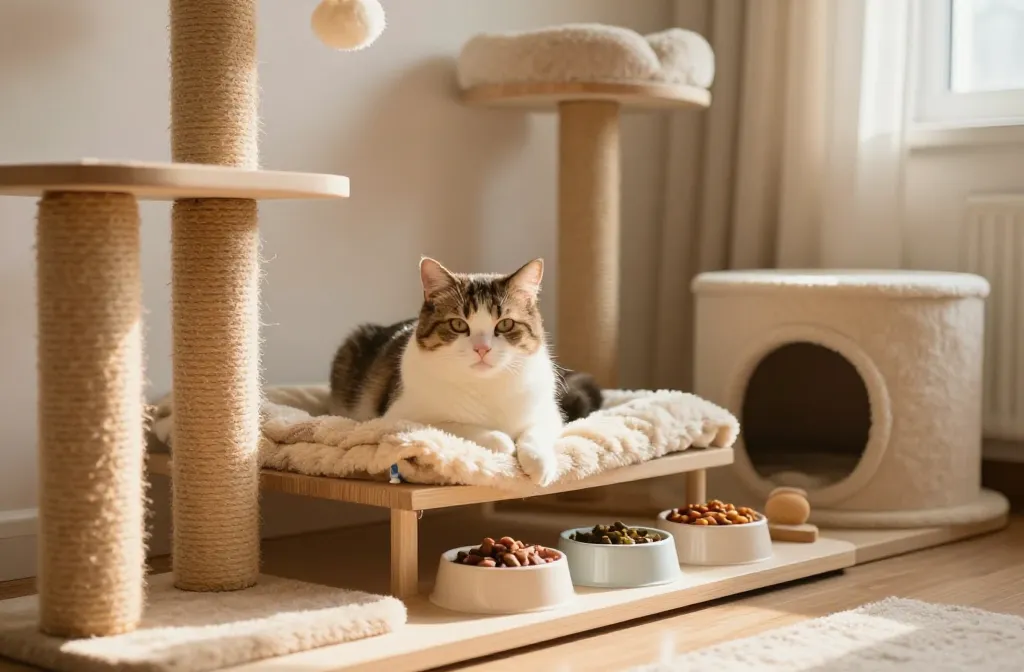
- Low-stress hiding spots like cozy cat caves or soft blankets
- Accessible food, water, and litter stations on the same level
- Ramps or low shelves for easy climbing without risk
Benefits: less stress, more confident exploration, and smoother daily routines. Use these setups during travel, new environment changes, or when guests visit.
2. Nail Care Alternatives and Safe Outlets
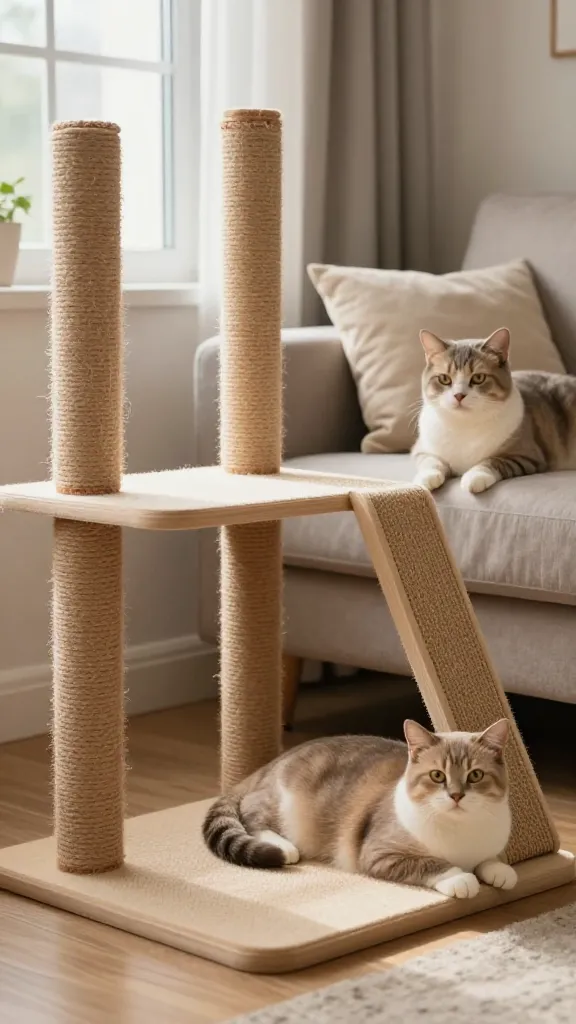
Since declawed cats can’t retract claws, finding safe outlets for their natural scratching urge is crucial. This keeps furniture intact and paws healthy. Trust me, a good plan works wonders.
What to Do:
- Provide several sturdy cat-appropriate scratching posts or boards
- Use sisal-wrapped posts for a satisfying, durable feel
- Place scratchers near favorite resting spots to encourage use
Notes: rotate textures and heights to maintain interest. If you notice persistent furniture scratching, try attractants like catnip or pheromone sprays to boost engagement.
3. Gentle Playtime That Builds Confidence
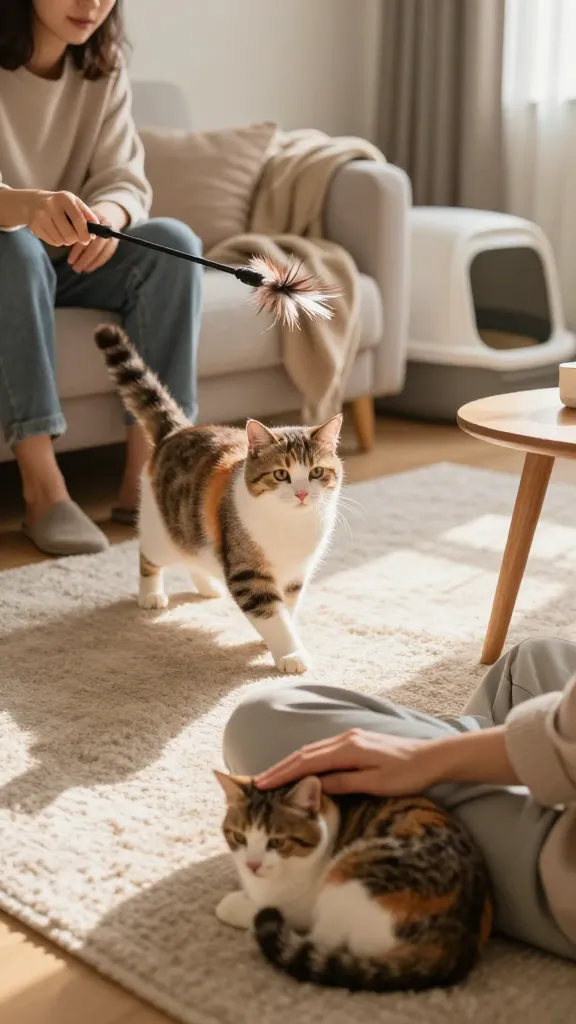
Engaging play is essential for physical health and mental happiness. A well-timed, gentle play session keeps a declawed cat busy and bonded to you. IMO, this is the secret sauce.
Playtime Tips:
- Short, frequent sessions (5–10 minutes, a few times daily)
- Use wand toys or feather teasers to mimic hunting without stressing claws
- End sessions with a relaxed cuddle or calm grooming
Benefits: improved muscle tone, reduced frustration, and better litter-box habits. If your cat opts for silent stalking, follow up with a soft toy chase to satisfy the instinct safely.
4. Litter Box Mastery for Comfort and Cleanliness
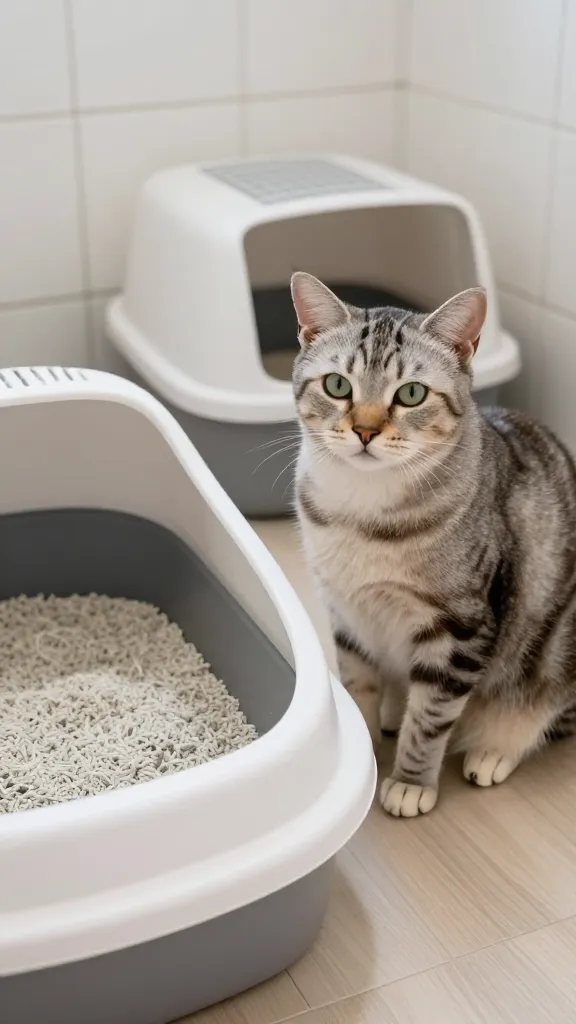
A clean, well-placed litter box is a declawed cat’s best friend. It minimizes accidents and keeps paws comfy. FYI, cleanliness equals contentment here.
Key Setup:
- One litter box per cat, plus an extra in a quiet spot
- Low-entry boxes to ease entry and exit
- Dust-free litter and daily scooping to reduce lingering odors
When to tweak: if you notice digging or avoidance, try a different litter texture or a larger box. Your cat will thank you with better hygiene and happier paws.
5. Grooming That Feels Like Spa Time
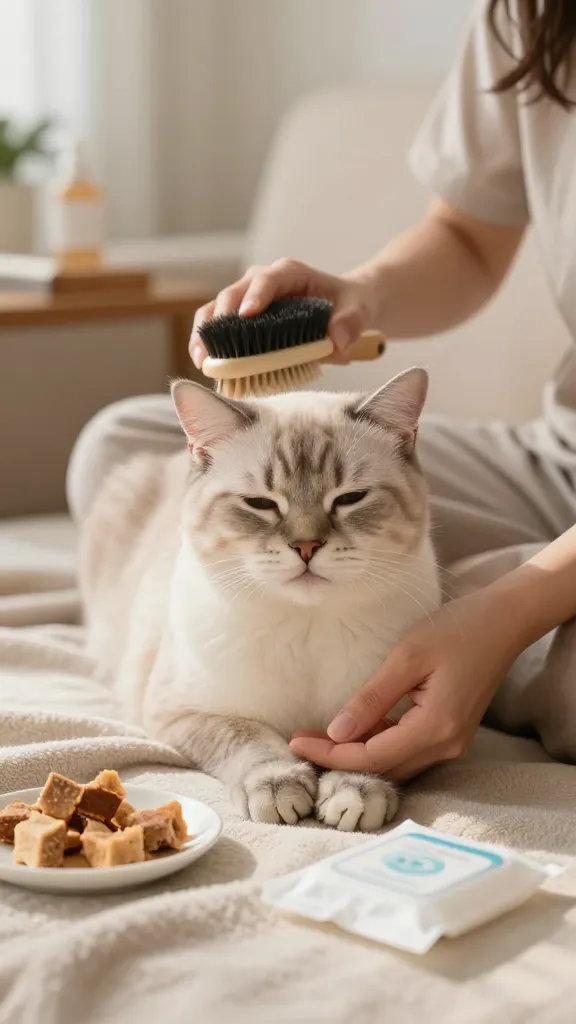
Declawed paws are more exposed, so gentle grooming protects skin, reduces hairballs, and strengthens trust. It’s not just practical—it’s bonding time.
Grooming Essentials:
- Soft-bristle brush for regular deshedding
- Grooming wipes for quick cleanups after meals or play
- Short, calm sessions; end on a positive note with treats or a cuddle
Tip: keep nails trimmed (if any remain) by a vet if you’re unsure. And yes, some cats hate grooming—keep sessions brief and positive.
6. Nutrition and Health: Support Your Cat’s Well-Being
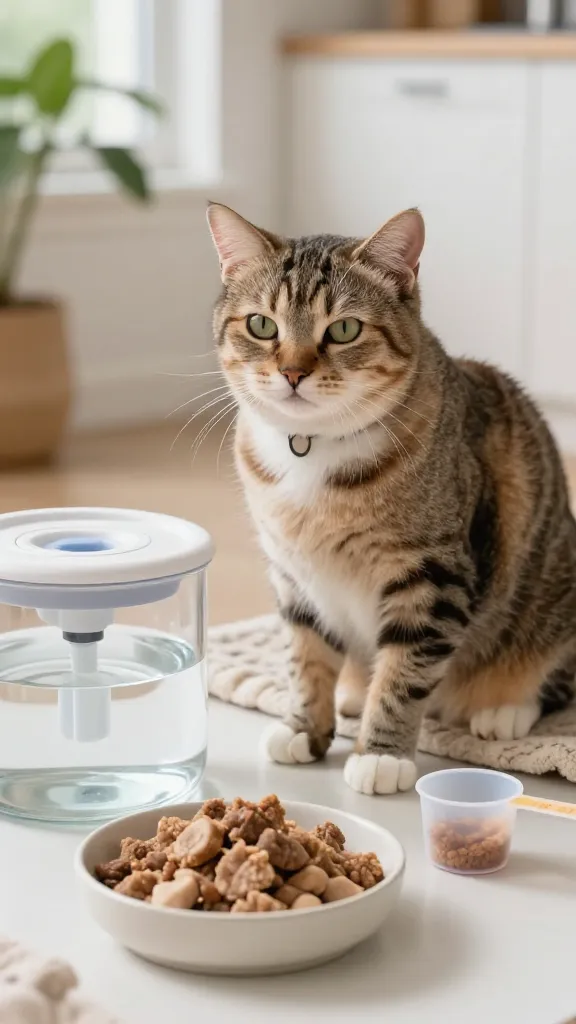
Healthy nutrition supports paw health, weight management, and overall mood. A happy body means a happier cat, plain and simple.
Smart Choices:
- Balanced, veterinarian-recommended diets tailored to age and activity
- High-quality protein, controlled calories, and hydration focus
- Regular vet check-ins to monitor joints, skin, and behavior
FYI, hydration is often overlooked. Consider adding moisture-rich foods or ensuring fresh water is always available to support urinary and overall health.
7. Behavior Cues: Reading Your Declawed Cat Like a Pro
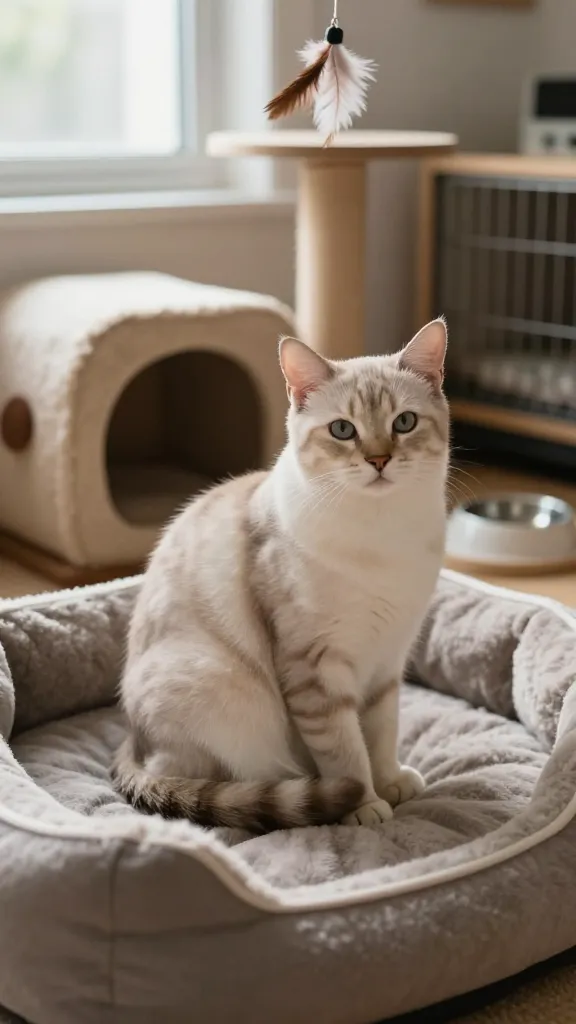
Understanding your cat’s signals helps you intervene early and keep peace at home. When you notice stress signs, you can pivot before things escalate.
Watch For:
- Subtle tail flicks, ear position changes, or averted gaze
- Reluctance to use a favorite spot or scratcher
- Over-grooming or hiding for long periods
What to do: offer a safe retreat, rework a play or feeding routine, and consult a vet or behaviorist if the signs persist. The goal is a responsive, calm home where your cat feels secure and cherished.
These seven tips blend practical care with a lighthearted approach, keeping your declawed cat safe, happy, and engaged. Seriously, small daily habits compound into big improvements over time.
Ready to try these ideas? Start with one or two tweaks this week, then layer in the rest as you see what clicks for your furry friend. You’ve got this—your cat will thank you with purrs and blissful naps.