5 Signs of Cat Respiratory Problems to Watch for
Cats hide problems like it’s a superpower, but you can spot trouble fast. These five signs are your frontline indicators that a purr might need a checkup. FYI, catching issues early makes a huge difference.
1. Persistent Sneezing or Nose Discharge That Won’t Quit
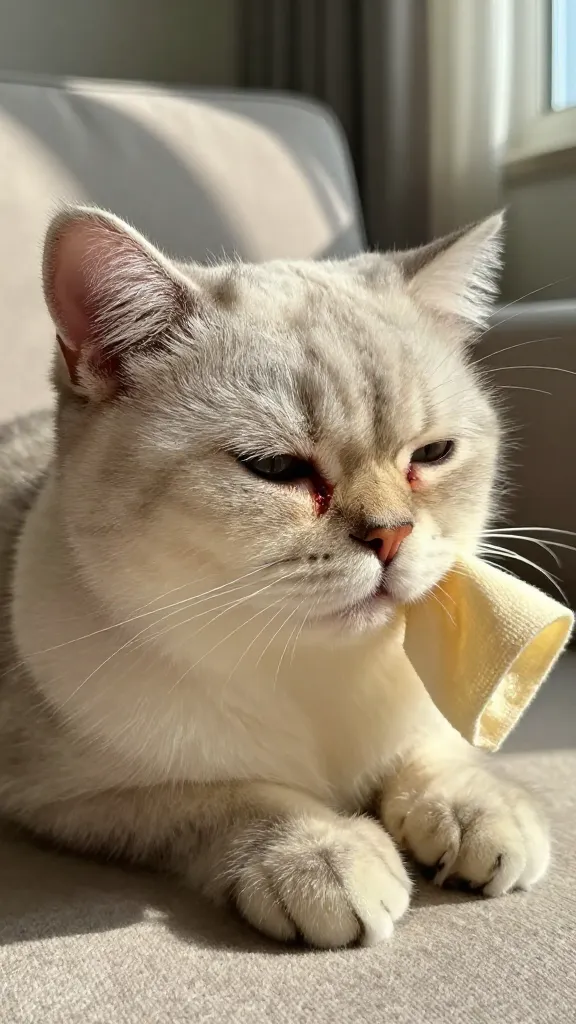
Sneezing is cute until it’s constant. If your cat sneezes frequently or has a persistent nasal discharge, there’s a reason to pay attention. This can signal infections, allergies, or nasal blockages that need a vet’s eye.
What to notice:
- Frequent sneezing bursts, more than once an hour on some days
- Discharge that’s colored (green/blue) or foul-smelling
- Discomfort when feeding or sneezing fits that interrupt naps
Hint: clean the nose gently with a warm damp cloth and monitor for breathing changes. If discharge lasts more than a week or is accompanied by lethargy, seek care. Trust me, you don’t want infections turning into bigger problems.
2. Labored Breathing or Rapid Breathing Even at Rest
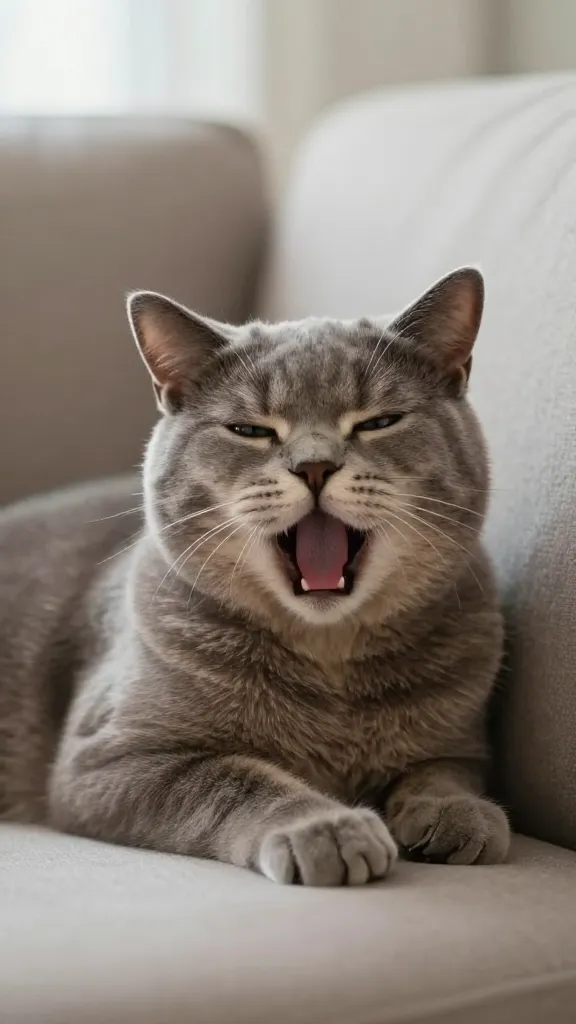
Breathing should be steady and quiet. When your cat struggles, wheezes, or breathes rapidly while lounging, that’s a red flag. This can point to respiratory infections, asthma, or fluid around the lungs.
Key signs to catch early:
- Open-mouth breathing or panting (uncommon in cats)
- Visible chest moving with every breath or nostril flaring
- Breathing faster than 30 breaths per minute when resting
What you should do: create a calm environment, avoid exercise, and contact a vet ASAP if the breathing remains labored beyond a few minutes. Seriously consider an urgent visit if you notice blue gums or collapse—these are emergencies.
3. Coughing or Gagging That Isn’t Related to Hairballs
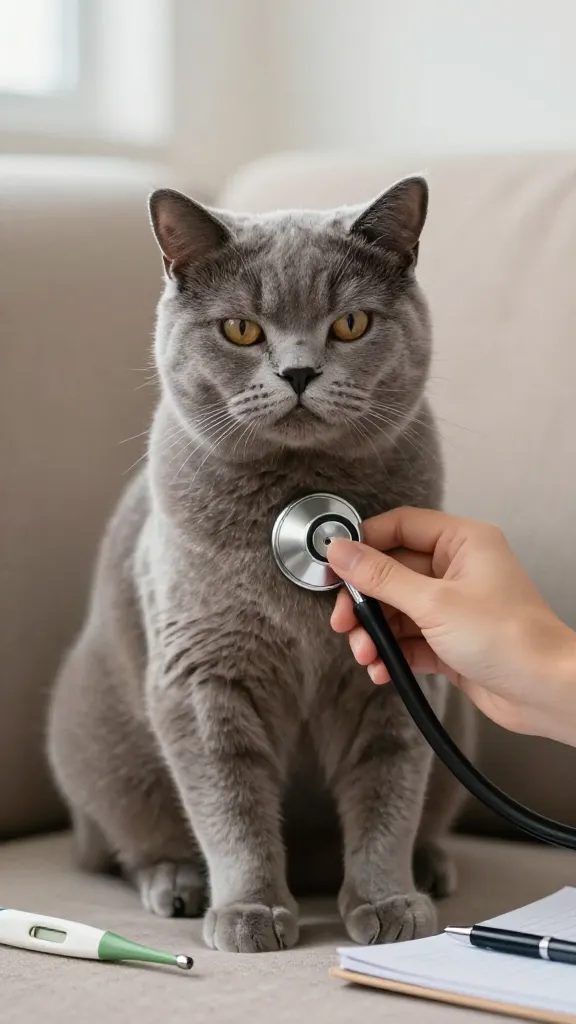
Coughing in cats isn’t as common as in dogs, but when it happens repeatedly, it deserves a look. A cough or gag could mean asthma, bronchitis, or a viral infection that needs treatment.
How to tell if it’s something serious:
- Frequent, dry, hacking coughs that appear out of nowhere
- Gagging fits after drinking or eating
- Wheezing sounds or crackles heard with stethoscope or when listening with a phone camera
Tip: keep a log of when the coughing happens, what your cat ate, and any accompanying symptoms like eye discharge or fever. If it lasts more than a few days, FYI, it’s time to visit a vet for chest auscultation and possibly X-rays.
4. Reduced Appetite, Drooling, or Swallowing Difficulties During Meals
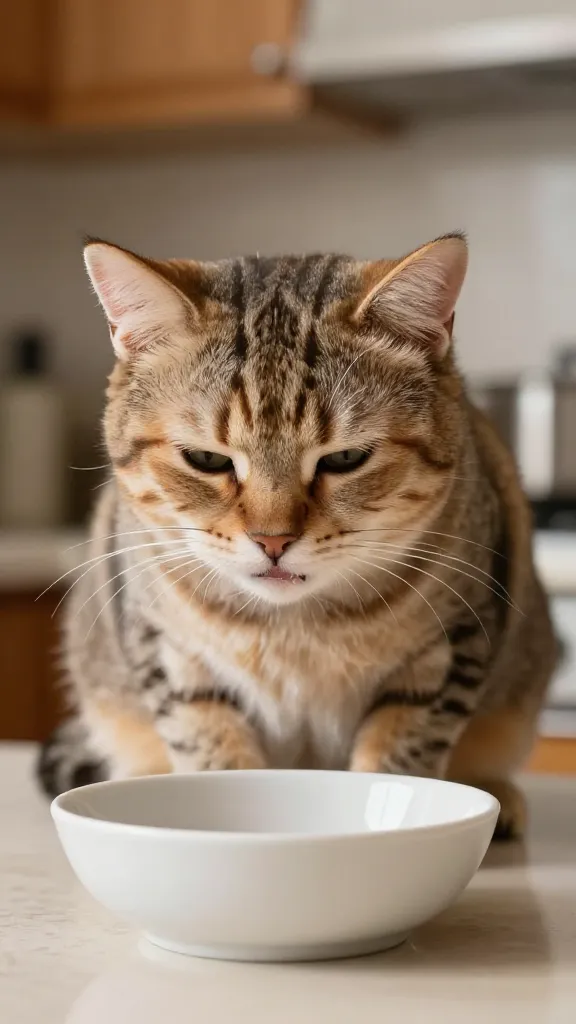
Respiratory problems often mess with a cat’s ability to eat and drink comfortably. If your feline friend suddenly shows less interest in food, drools excessively, or swallows with effort, something is off inside that throat or upper airway.
What to watch for:
- Skipping meals or pulling away from the bowl
- Drooling that isn’t tied to grooming or teeth
- Quivering lips, painful swallowing, or coughing during meals
Pro tip: offer softer foods or warm up wet meals to ease swallowing. But if the appetite loss lasts more than 24 hours or your cat shows dehydration signs (sunken eyes, dry gums), call your vet. IMO, early intervention saves a lot of misery later.
5. Lethargy, Fever, or Moody Behavior That Seems Off
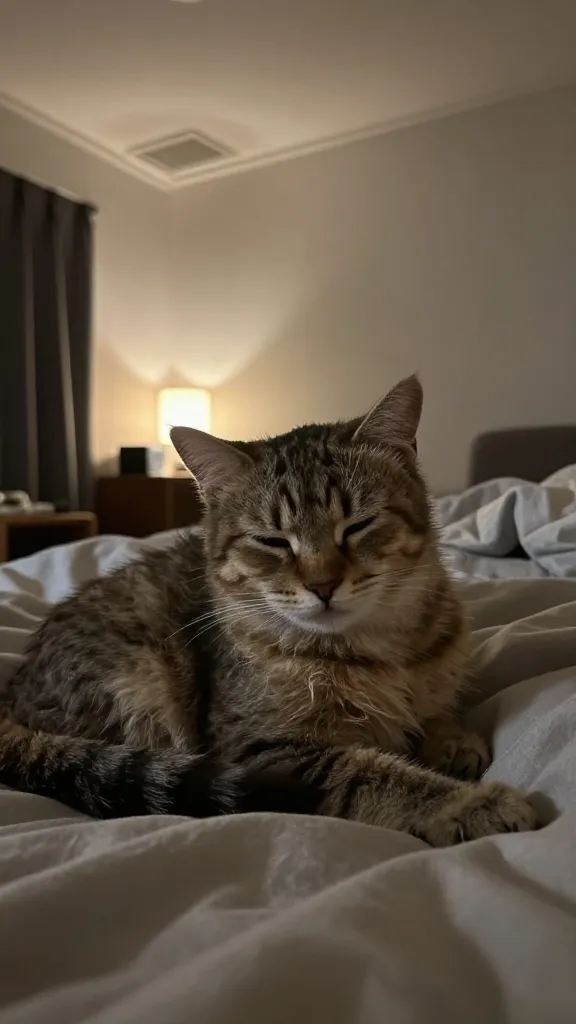
Kitties slow down for many reasons, but when lethargy pairs with fever or unusual irritability, respiratory problems might be the culprit. A miserable cat doesn’t nap; a miserable cat with fever and breathing issues needs attention fast.
Clues to look for:
- Not wanting to move, hiding more than usual
- Warm to the touch or feverish behavior
- Whiny, irritable mood or sensitivity to touch around the neck or chest
Why it matters: fevers and respiratory infections can spread or worsen quickly, especially in kittens or older cats. If symptoms persist beyond 24-48 hours or your cat stops drinking water, seek veterinary care promptly. Seriously, don’t wait until it becomes an emergency.
Each of these signs can nudge you toward a necessary vet visit, but they also come with home care options. If your cat is otherwise happy, playful, and eating, you might manage milder stuff at home with close monitoring. Always trust your gut—if something feels off, it probably is.
Want a quick plan for action? Start a simple checklist: note symptoms, timing, and any possible triggers; keep fresh water available; and schedule a vet appointment if any red flags persist beyond a day or two. FYI, early reporting means faster relief for your furry pal and less worry for you.
Now you’ve got five solid signs to watch for, plus a practical way to respond. Grab a comfy spot with your cat, and keep an eye on those subtle shifts—your vet will thank you, and so will your kitty. Trust me, being proactive feels amazing.