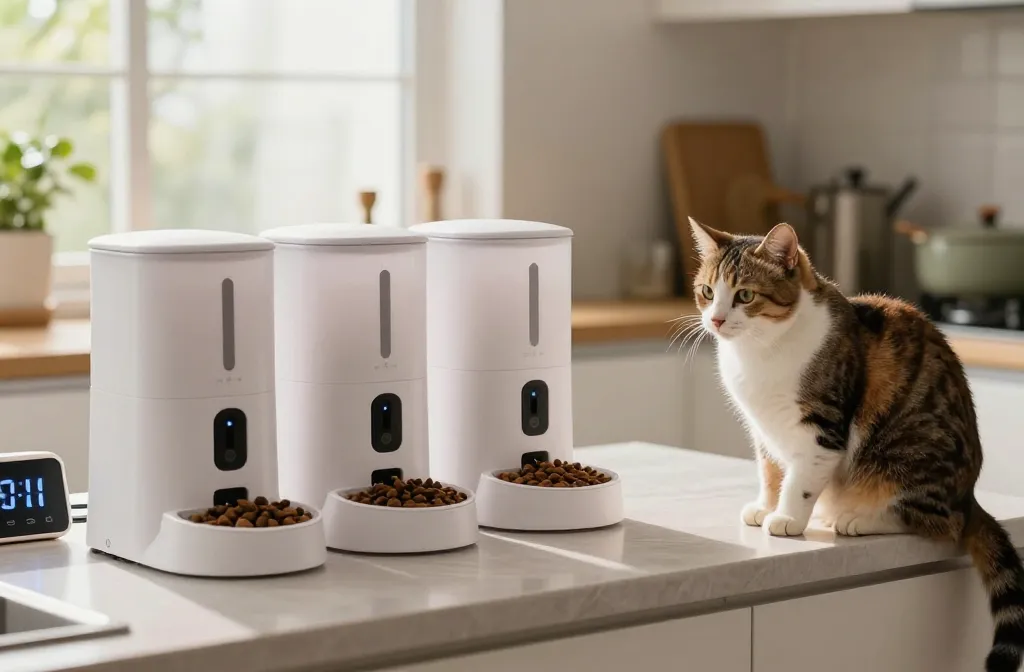
4 Adult Cat Feeding Schedule Ideas for Busy Owners That Actually Work
If you’re juggling work, life, and a purring chaos machine, getting a predictable feeding rhythm can feel like a superpower. These ideas keep your cat fed, happy, and not plotting a midnight mealtime revolt. FYI, consistency is the secret sauce.
1. The 2-Meal-Plus-Snack Rhythm
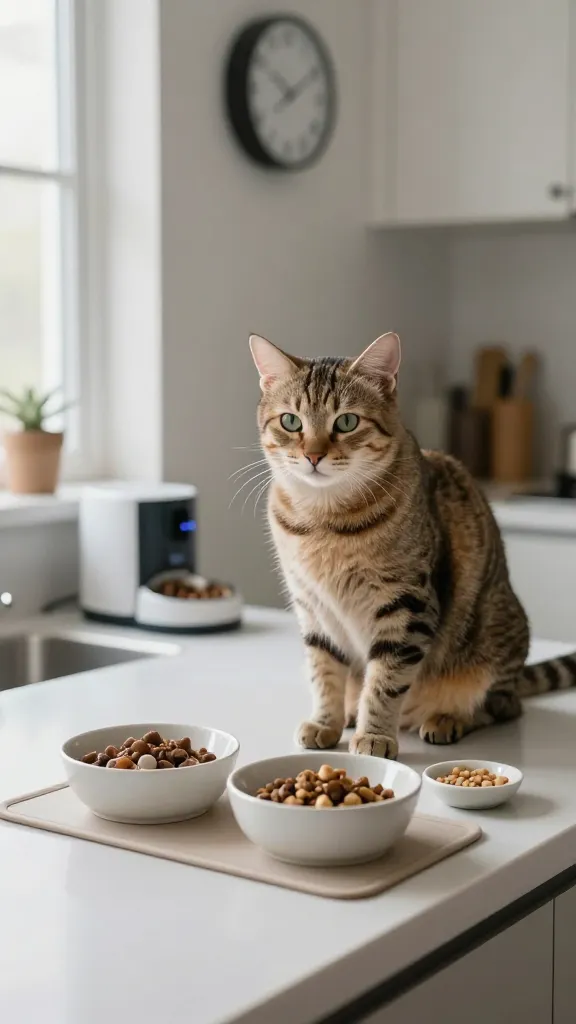
This approach pares feeding down to two solid meals plus a tiny evening snack. It’s practical for busy humans and aligns with most cats’ natural hunger rhythms. Trust me, your cat will love the predictability just as much as you love fewer alarm-clock meows.
Key Points:
- Two main meals at consistent times
- A small daily snack to bridge the gap
- Simple reminders or automation to stay on track
Why it works: cats thrive on routine, and this keeps their metabolism steady while reducing morning chaos. If you’re sprinting to meetings, you’ll still feel in control of mealtime. Seriously, set a timer or smart feeder to keep you honest.
Tips:
- Use a dry-food dispenser that can be scheduled
- Offer a tiny amount of wet food only if your cat tolerates it well
- Keep fresh water accessible at all times
When to use: perfect for daytime-heavy schedules or households with multiple pets where balancing meal times matters. Your cat gains rhythm; you gain fewer frantic dinner-hour negotiations.
2. Time-Block Feeds: Morning, Afternoon, and Night
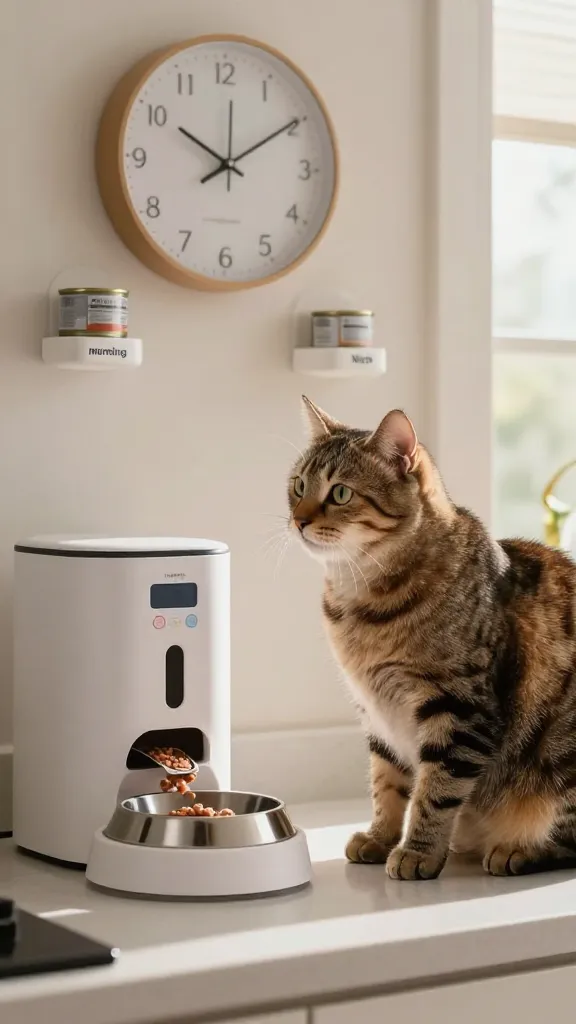
Time-blocking works like a boss. Block off three specific windows for feeding, and your day suddenly feels calmer. This method aligns with many cats’ natural awake cycles and prevents long gaps between meals.
What makes it awesome:
- Predictable cadence reduces begging and anxiety
- Simple to adapt if you work from home or on shifts
How to implement: pick equal or logically spaced windows (for example 7am, 1pm, 7pm). Use a smart feeder or a trusty timer to deliver meals if you’re away. FYI, your cat might wander to the feeder ahead of time and give you the “where’s my plate?” stare—embrace it as a love language.
Tips & Tricks:
- Label each meal with a quick name (Breakfast Blast, Lunch Leap, Dinner Delicacy) to build anticipation
- Offer a consistent portion size each time to prevent weight gain
- Add a tiny post-meal play session to help digestion
Benefits: steadier appetite, less guilt about leaving early meetings, and fewer midnight chases. When to roll this out: if you’re transitioning from free-feeding or if your schedule changes often—your cat will adapt faster than you think.
3. Smart-Feeder Shuffle for Tech-Savvy Owners
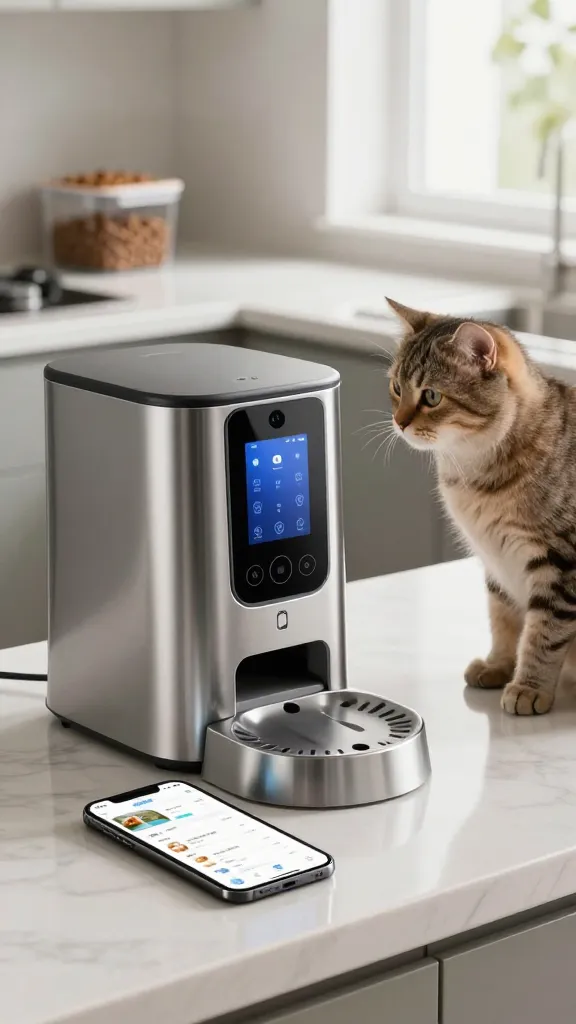
Tech can be your co-pilot here. A smart feeder or app can automate portions, track meals, and even push you gentle reminders. It’s like having a tiny, nonjudgmental assistant who never sleeps—except for refilling, of course.
Why this is a game changer:
- Accurate portion control and meal timing
- Remote monitoring means you can check in from anywhere
- Reduces the risk of overeating or underfeeding
How to start: choose a feeder with scheduling options, a camera if you want to watch, and easy cleanup. FYI, some devices also log your cat’s eating patterns, which can uncover allergies or preferences you never noticed. Seriously handy when you’re troubleshooting a picky appetite.
Practical setup:
- Program three servings per day with consistent portions
- Keep replacement batteries or a backup power plan
- Label times in your phone calendar and on the feeder itself
Bottom line: tech plus routine equals fewer surprises, more predictability, and a happier cat. Use this when you’re away for a full workday or traveling—your cat gets fed, you stay sane, and your feed history becomes a goldmine for future choices.
4. Flexible Yet Firm: The Weekend-Only Schedule
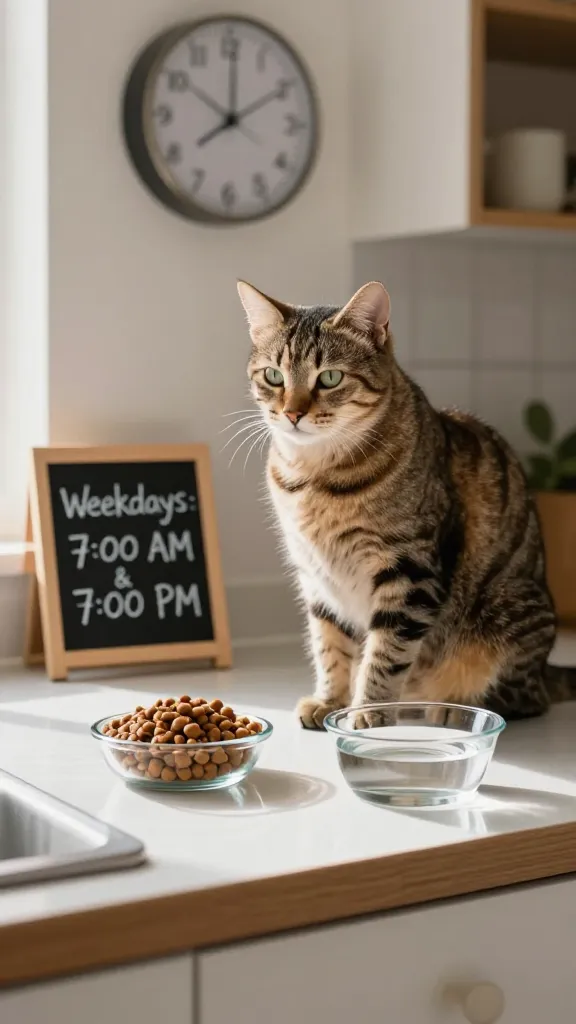
Weekends can be wildly different, and that’s okay. This plan locks in a strong routine during the busy weekdays and gives you a little leash to breathe on weekends. It’s almost like a normalcy anchor that still accommodates life’s irregularities.
Why it sticks:
- Reliable weekday meals with flexible weekend variations
- Reduces the guilt of occasional splurges or late nights
- Lends itself to social calendars and travel plans
Implementation: commit to exact feeding times from Monday to Friday, then give yourself a window on Saturday and Sunday (for example, 8am–9am, 5:30pm–6:30pm). This keeps consistency where it matters and lets you live a little on the days you’re off work. Trust me, your cat will still expect a consistent routine, even if the clock shifts slightly.
Key Considerations:
- Maintain portion sizes regardless of the day
- Keep a small buffer of dry food for those mornings you oversleep
- Plan a short play period after meals to support digestion
Benefits: you maintain structure during busy weeks, you reward yourself with lighter schedules on weekends, and your cat continues to feel secure. When to switch: if you notice weight changes or behavioral changes, tweak portions and timings accordingly.
So, which route fits your life best? If you crave simplicity with some high-tech help, go smart feeder. If you want rock-solid routine with minimal impulse feeding, the 2-meal-plus-snack plan is your jam. And if your schedule rotates like a carousel, weekend-flex with weekday discipline could be your perfect blend. IMO, starting with a clear, small change beats trying to overhaul everything at once.
Whichever you choose, you’ll likely see fewer wakeful nights from a hungry cat and fewer frantic texts to your coworker about “where’s the food?” You’ve got this—and your cat knows it, even if they pretend otherwise with a dramatic stretch and a bath of fur-dusted confidence.
Ready to try one or mix-and-match? Your future self will thank you for choosing calm over chaos at mealtime. Seriously, drop a comment with which plan you’re starting first and what tweaks you’ll make to fit your exact schedule.