6 Cat Food Feeding Chart Tips for Daily Meals
These feeding chart tips are simple, practical, and surprisingly effective. You’ll see happier whiskers, calmer mealtimes, and fewer plotting sessions around the bowl. Ready to tune your cat’s schedule like a pro?
1. Nail a Realistic Portion Size That Fits Your Kitty
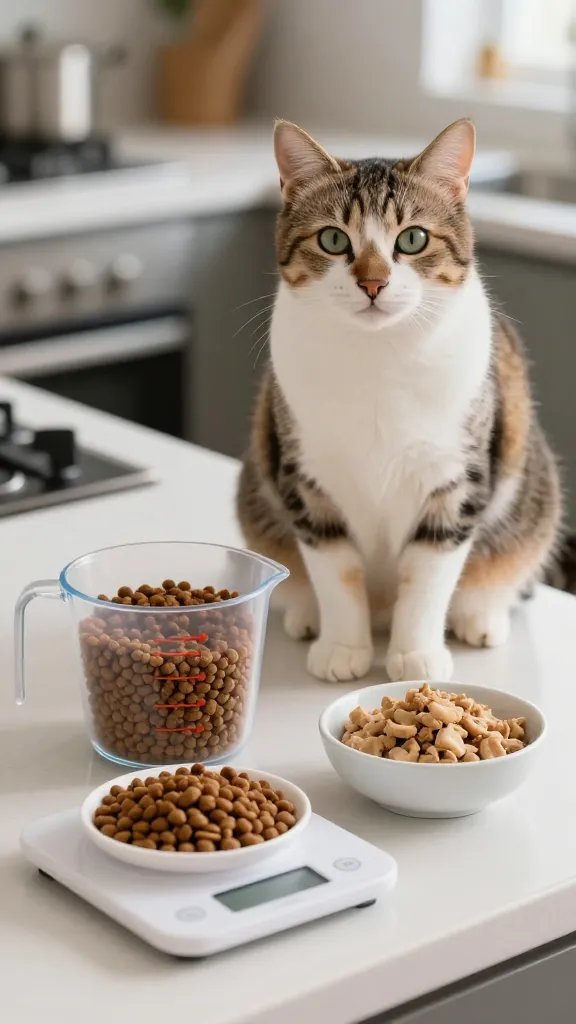
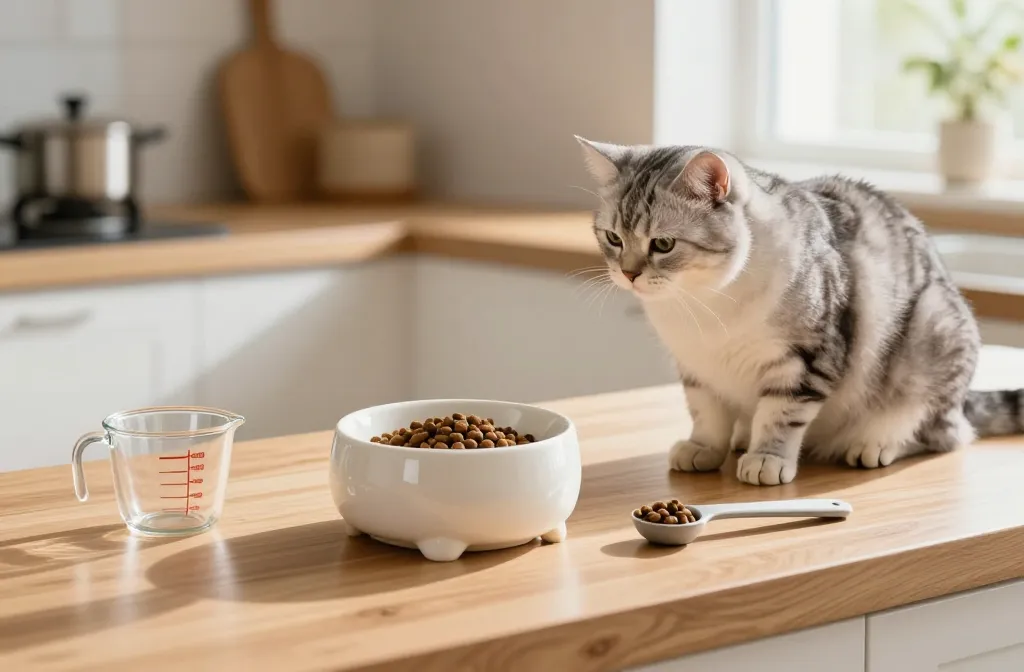
Portion control isn’t just for humans—cats need it too to stay healthy and energized. Start with the package guidelines, then tailor based on age, weight, and activity. No more guessing games at feeding time.
Key Points
- Use a measuring cup for accuracy
- Adjust gradually by 5–10% per week
- Keep dry and wet portions balanced if you rotate foods
It’s amazing how consistent portions reduce begging and tummy troubles. If your cat seems hungry after a meal, check the portion before offering seconds—they may just be bored or craving variety, not real hunger.
2. Set a Clear Feeding Schedule to Reduce Midnight Bites
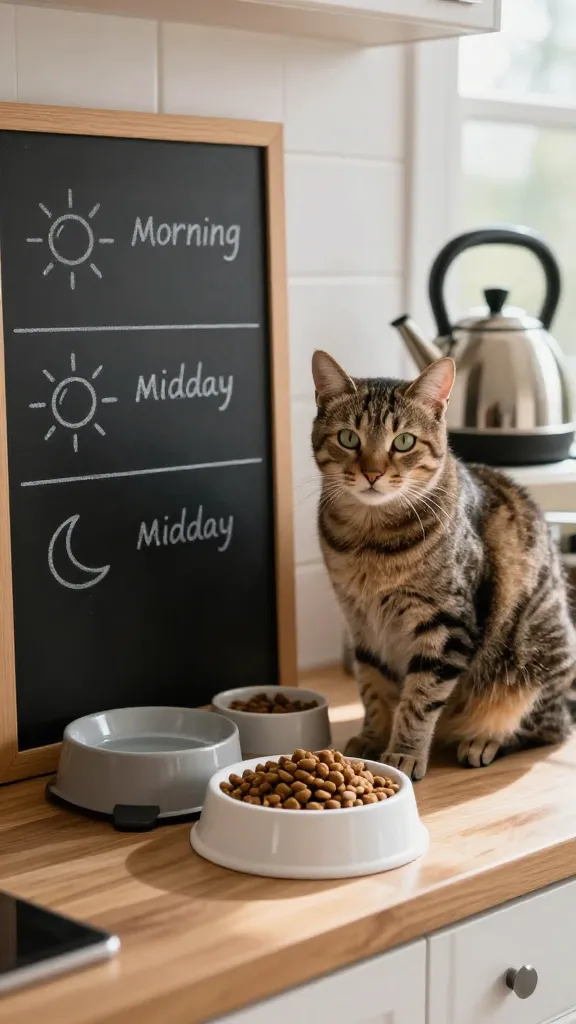
Cats thrive on routine, and a predictable schedule cuts down on midnight meowing. Plan two to three meals a day at roughly the same times, and a snack if needed. FYI, consistency beats willpower here.
Tips
- Morning, midday, and evening slots work for most households
- Attach mealtime to a simple cue (door opening, kettle whistling)
- Keep a small water bowl nearby to encourage hydration
With a steady rhythm, your cat learns exactly when to expect food, which reduces daily drama and makes your mornings less chaotic.
3. Mix Textures and Flavors to Prevent Picky Eater Scenarios
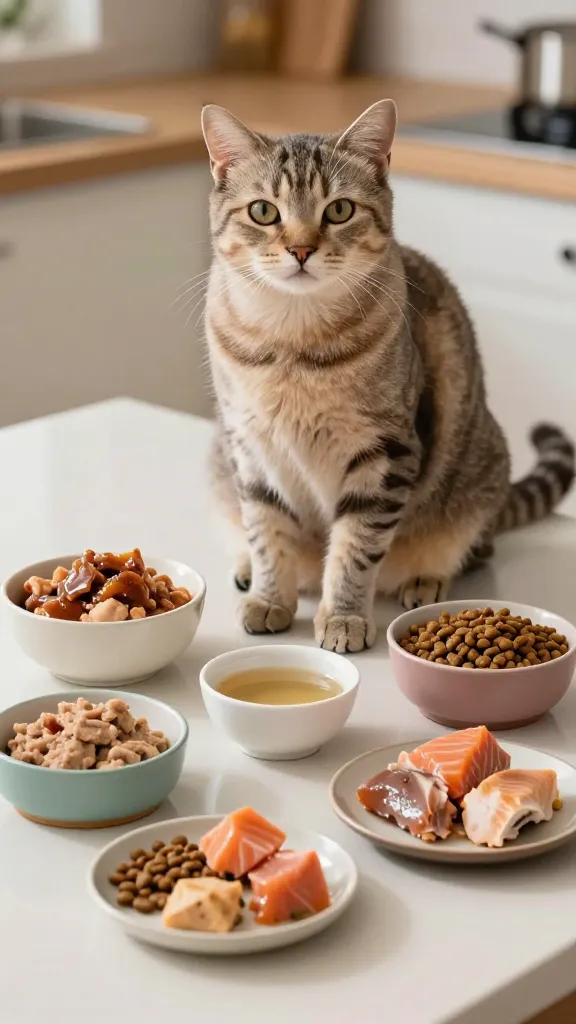
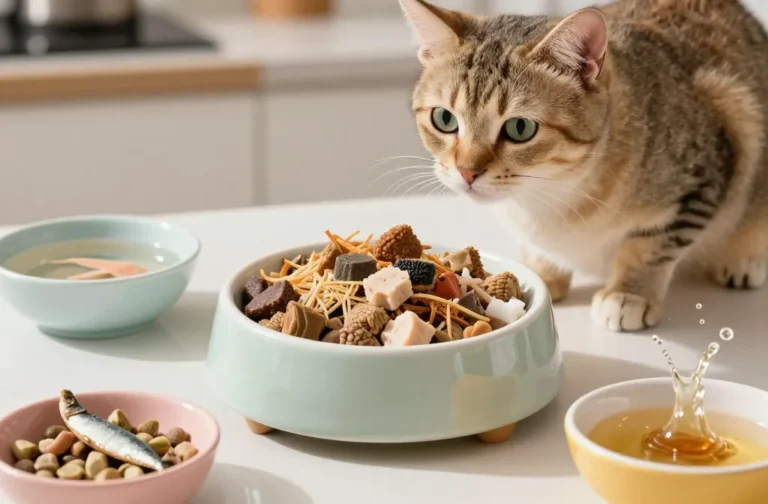
Variety keeps meals interesting without turning feeding time into a scavenger hunt. A thoughtful mix helps picky eaters stay engaged and gives you a simple way to test what your cat enjoys most.
What to Try
- Alternate wet and dry food in the same meal
- Add a splash of low-sodium broth or water to dry kibble
- Rotate protein sources (salmon, chicken, turkey) every few days
Mixing textures isn’t just fun—it can boost appetite for seniors or finicky cats. Trust me, your cat will thank you with those dramatic head nudges after each bite.
4. Track Hydration as Seriously as You Track Food
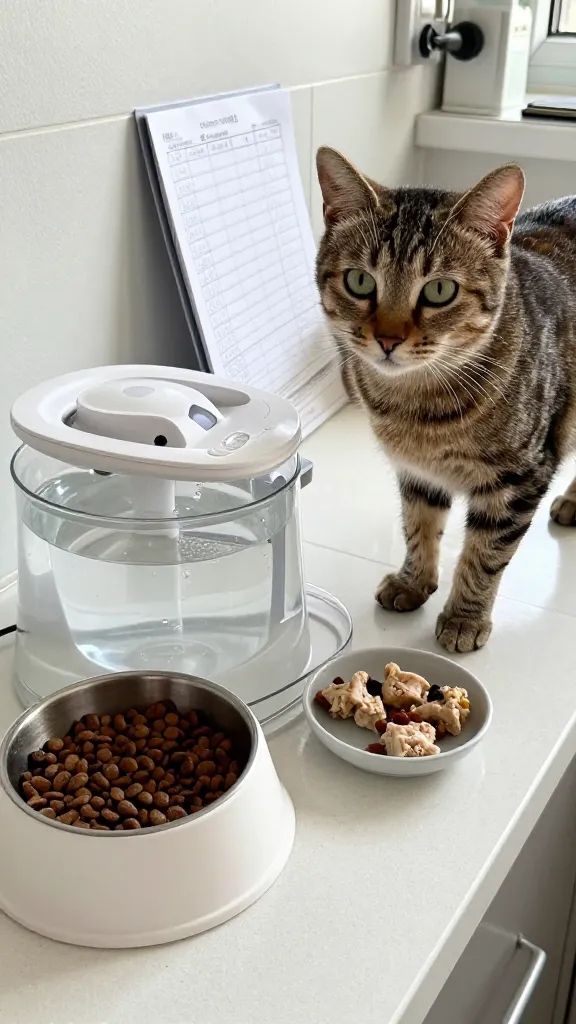
Hydration matters more than most people realize. A feeding chart that also notes water intake helps you spot issues early and keeps your cat feeling great.
Notes
- Offer fresh water daily and consider a cat fountain for pumps of motivation
- Observe urination patterns as part of your chart
- If your cat drinks very little, talk to a vet about water-rich foods or medical causes
Well-hydrated cats stall fewer urinary problems and have better energy. It’s not glamorous, but it’s essential—IMO a no-brainer for any responsible cat parent.
5. Use a Simple Chart That Works with Your Life, Not Against It
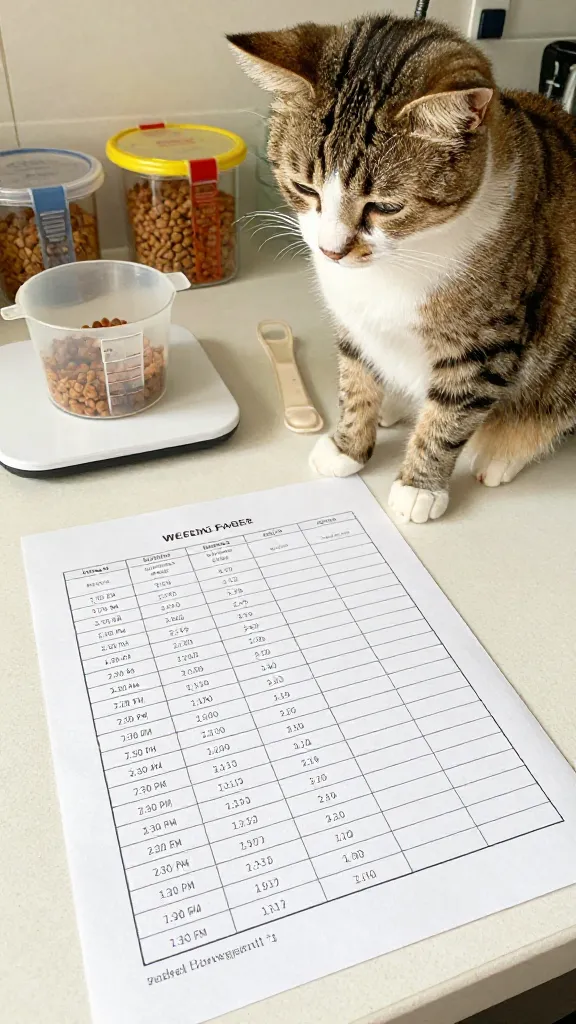
A chart should simplify, not complicate. Create a quick, visible plan that you can update weekly. This keeps you consistent and your cat calm, which is the real win here.
Suggested Chart Elements
- Meal times (e.g., 7:30 AM, 1:00 PM, 7:30 PM)
- Portion amounts in grams or ounces
- Food type for each meal (dry/wet/rotating protein)
- Hydration notes (water level or daily intake estimate)
Having a tangible chart means no more guessing games. It’s like grocery shopping for pets—clear list, quick checks, and fewer “where did I put the kibble?” moments.
6. Plan for Changes: Growth, Aging, and Special Diets with Confidence
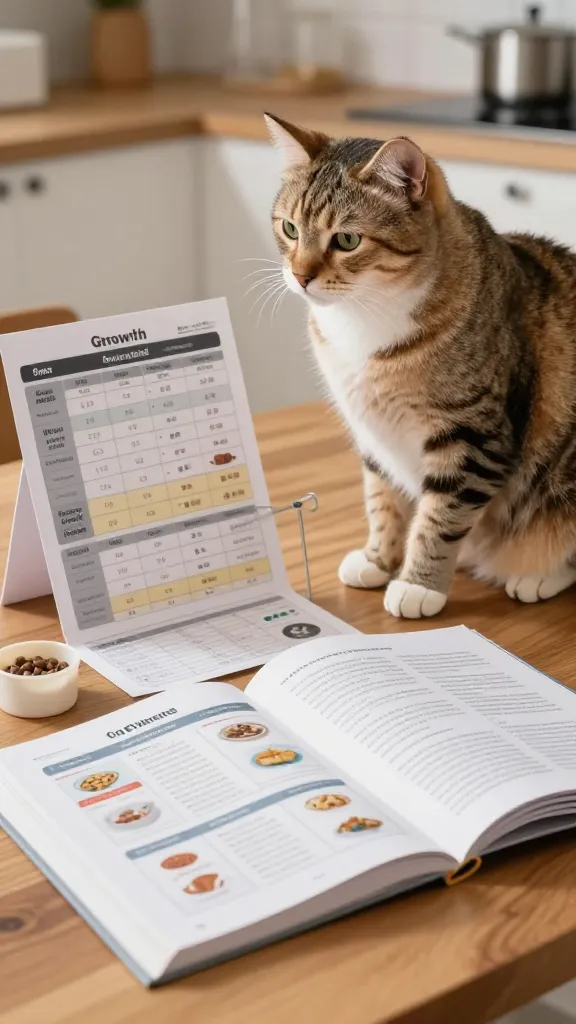
Cats aren’t static creatures. Growth spurts, aging, or medical needs (like grain-free diets or renal support) require tweaks to your chart. Stay flexible and consult your vet when big changes come.
How to Adapt
- Reassess portions every few months or after a weight change
- Note any digestive issues, chows, or energy shifts on the chart
- Introduce new foods gradually to avoid upset stomachs
Being proactive with adjustments means less stress for you and your cat when life throws curveballs. Seriously, small updates now save bigger headaches later.
Now that you have six practical, easy-to-implement tips, you’re ready to level up your cat’s daily meals. The feeding chart isn’t a prison; it’s a playlist that keeps your cat energized and your household peaceful. Trust me, the difference shows in happier whiskers and fewer begging sessions.
Ready to start? Grab a notebook or a simple spreadsheet, set your feeding times, and fill in portions and notes. You’ll be amazed at how quickly routine becomes second nature, and how much calmer mealtimes feel when everything runs like clockwork. You’ve got this!