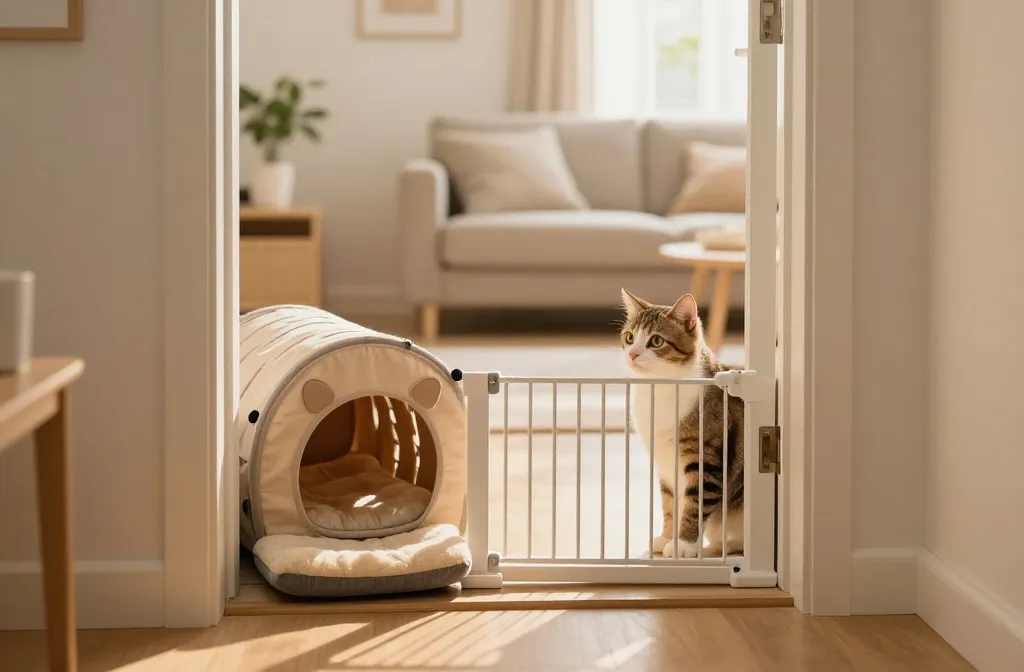
6 Tips on How to Keep Cat From Darting Out Door
These tips aren’t just cute ideas; they’re practical moves you can actually pull off tonight. If your feline Houdini keeps making a break for it, you’re about to win back your porch—and your sanity. Let’s dive in and keep kitties inside where they belong.
1. Create a Calm Exit Channel That Feels Inviting But Safe
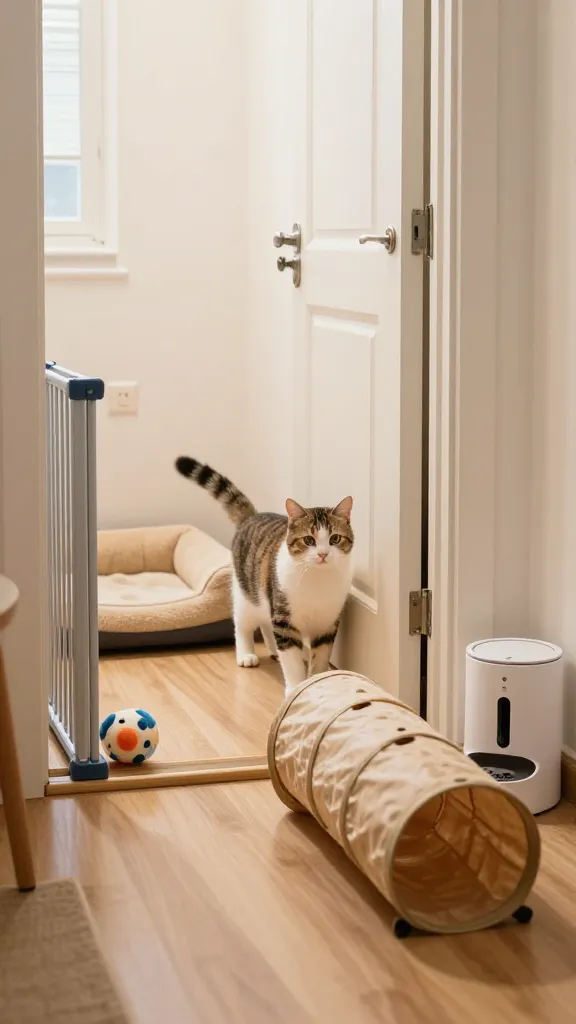
You want your cat to choose the safe path, not bolt for freedom. A calm exit channel gives them options and reduces the lure of the door. It’s like building a kitty-friendly GPS that rewards staying put.
Key Points
- Place a favorite toy or treat near a side doorway or pet gate to lure them away from the main door.
- Set up a small cat tunnel or a cozy bed a few feet away from the door to encourage a detour.
- Use a feeder or interactive toy to redirect energy during peak darting hours.
With a dedicated exit channel, you create a no-drama habit. FYI, consistency beats coercion here—reward the good behavior and the darting slows down.
2. Install a Reliable Barrier System That Looks Nice and Works Hard
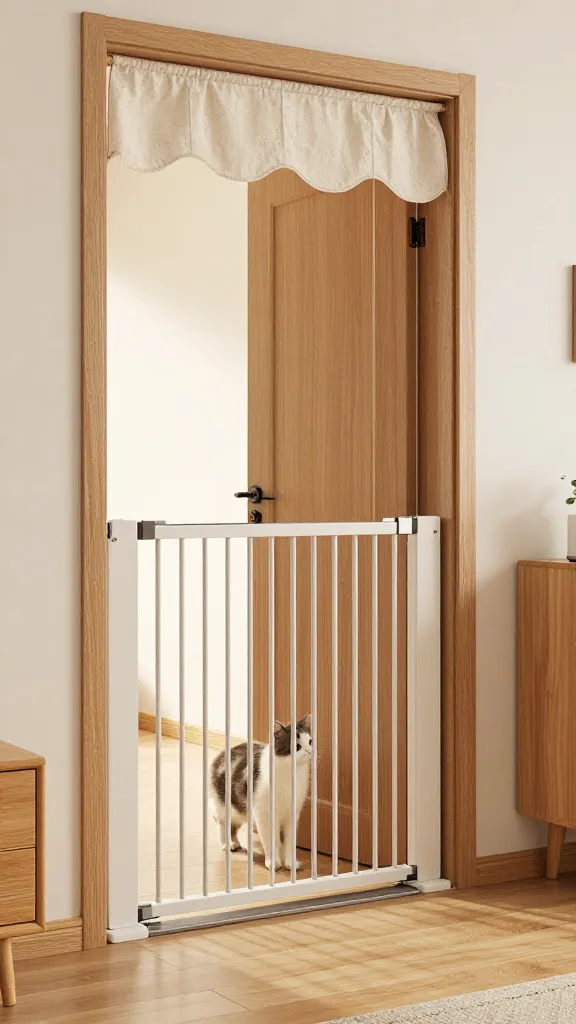
Think of barriers as fancy armor for your home. A good barrier keeps doors from swinging open accidentally and gives you time to react when your cat is near the threshold. It’s security that doesn’t scream ‘jail’ to your furry friend.
Barrier Ideas
- Pet gates at main doorways that allow airflow but block paws and noses.
- Door cornices or double doors in high-traffic areas to create a buffer zone.
- Temporary door blockers for guests who forget your cat’s boundary rules.
Benefits? Fewer close calls, less stress for you, and a friendlier transition when guests arrive. Use it when you’re juggling chores and a curious cat who thinks open doors are opportunities.
3. Use Texture and Sound to Train Your Cat That the Door Is Not a Playground
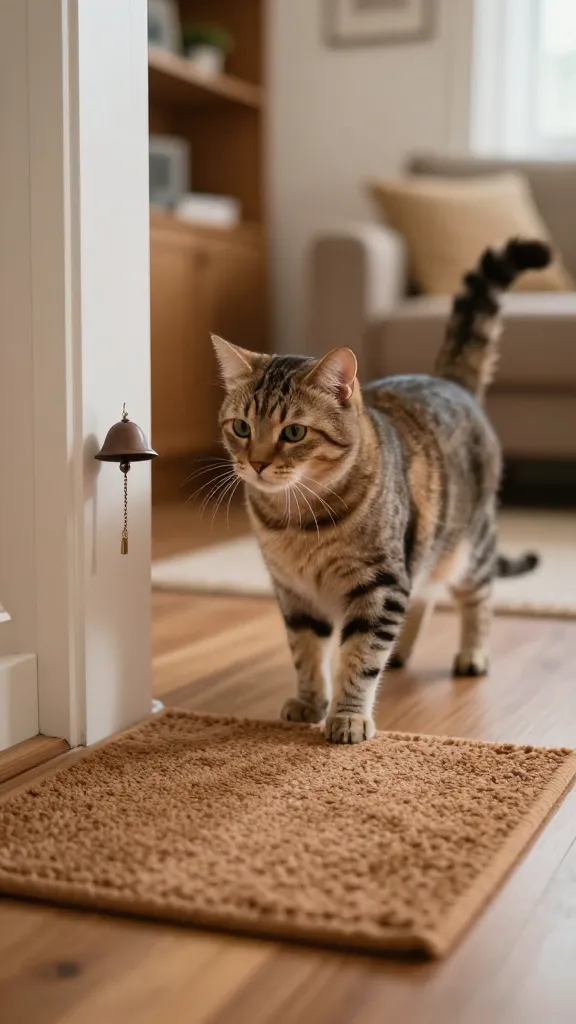
Texture and sound training is surprisingly effective. You’re basically teaching your cat, through cues, that the door isn’t a place for exploration. It’s practical, inexpensive, and surprisingly entertaining for you to implement.
Tips
- Place a textured runner or mat near the doorway to encourage footing that distracts from darting.
- Use a soft chime or bell on the door to give your cat a heads-up before anything opens.
- Give a quick click or verbal cue every time they ignore the door and stay put.
Consistency is key. The reward is calm, uninterrupted entrance and exit when you need it. Seriously, your cat will start treating the doorway like a boring room instead of a stage.
4. Enrich Indoor Space So They Don’t Need the Great Outdoors for Fun
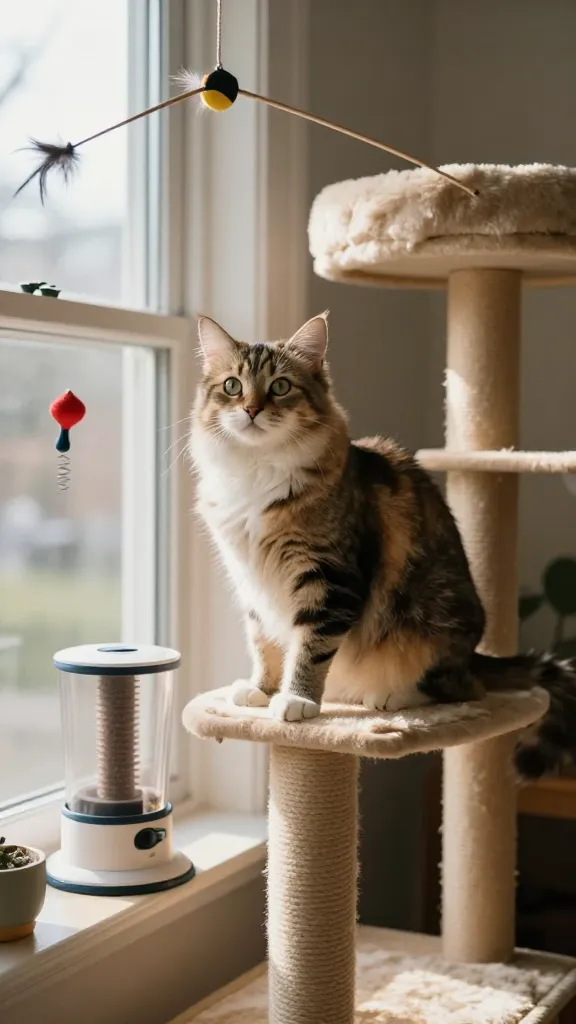
Bored cats are eager beavers for outdoor adventures. If you fill their day with indoor adventures, the door loses its pull. Think of enrichment as a daily binge-worthy experience for a curious mind.
Enrichment Ideas
- Rotating puzzle feeders to challenge their brains and occupy energy.
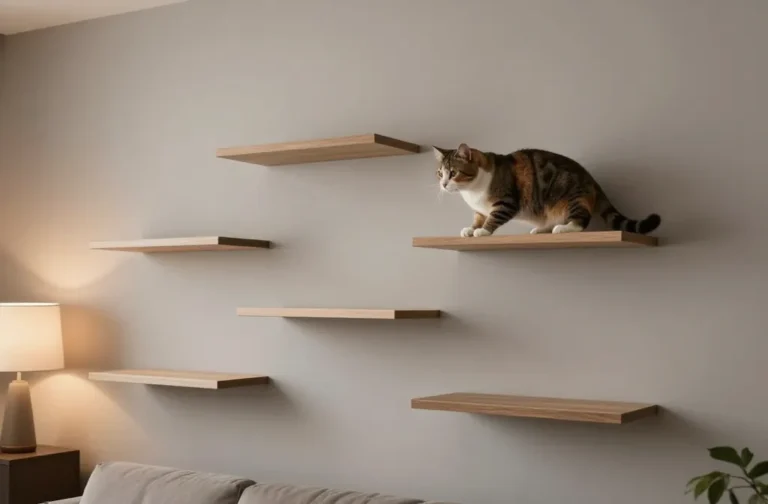
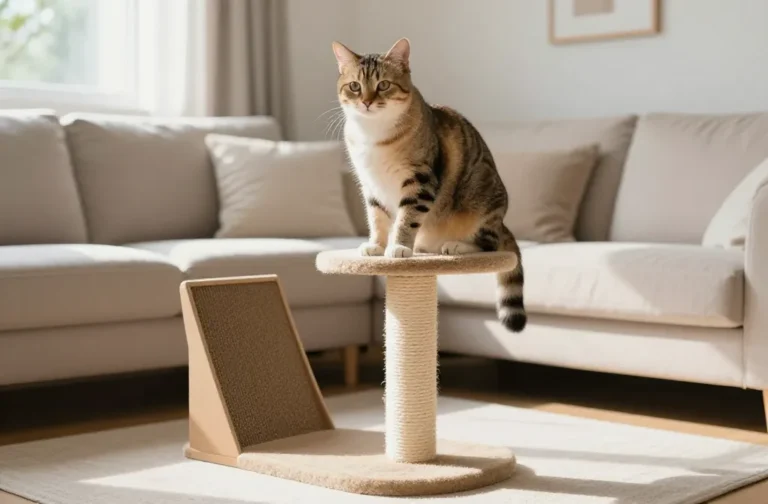
- Vertical space like cat trees, shelves, and window perches for prime bird-watching views.
- Interactive toys that mimic stalking and pouncing in short bursts.
End result: fewer door dashes, more purring, and a cat who’s too busy with indoor glory to care about the outdoors. Trust me, the payoff is major.
5. Build a Routine That Keeps Doors Quiet and Predictable
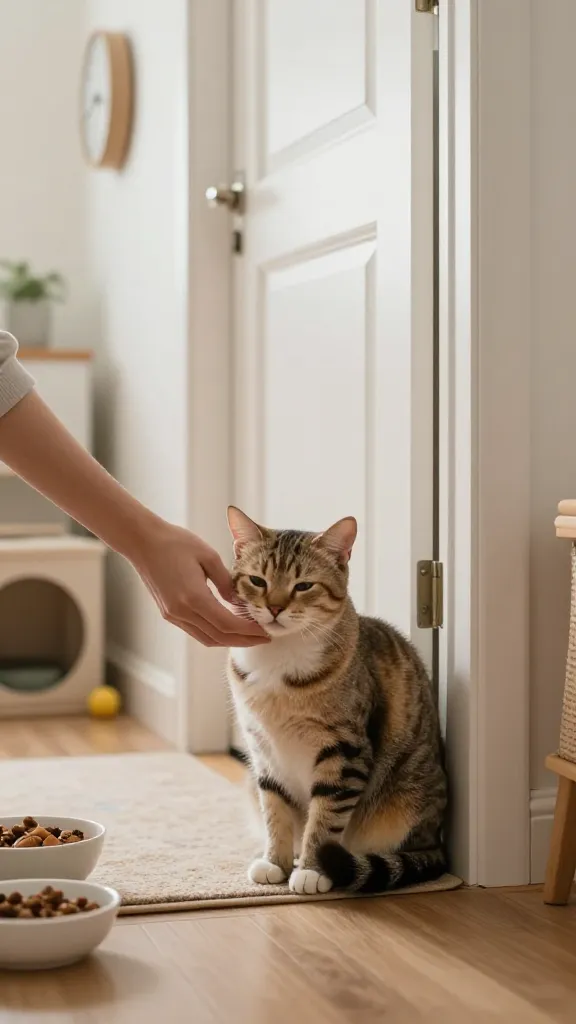
Cats love predictability almost as much as tuna. A routine minimizes surprises that tempt a dash. Your job is to keep the schedule gentle, consistent, and surprisingly doable.
Routine Elements
- Regular play sessions timed around peak darting hours (early morning, late evening).
- Feeding times aligned with doorway access so the energy is directed toward eating rather than sprinting.
- Pre-door rituals: a quick cuddle or calm voice cue before a door is opened.
A stable routine makes your cat feel secure, which dramatically reduces impulsive dashes. IMO, it’s the easiest win you can get without resorting to constant surveillance.
6. Teach Gentle Boundaries With Positive Reinforcement
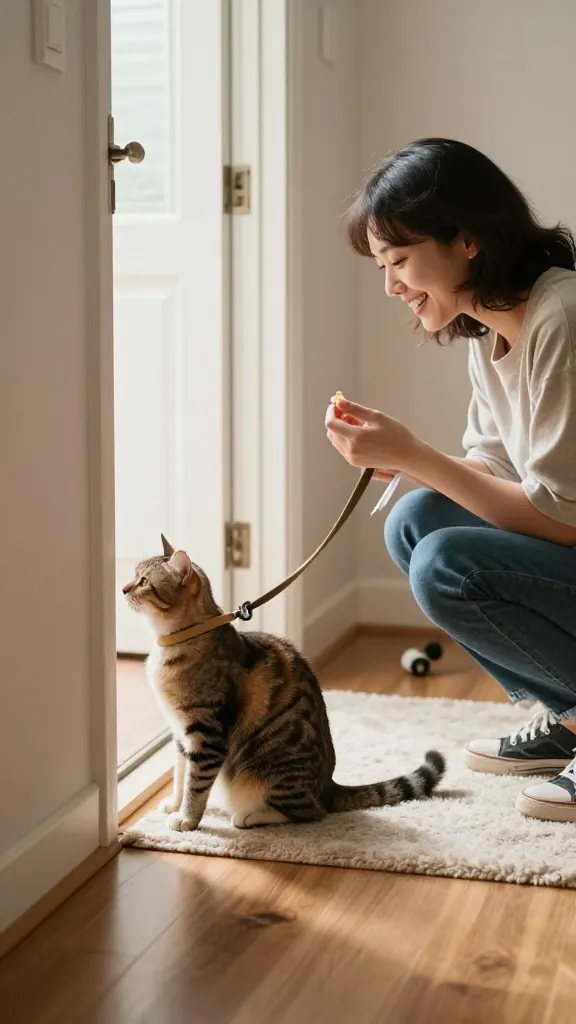
Positive reinforcement turns door safety into a game your cat loves to play. It’s humane, effective, and builds trust as you train together. You’ll be amazed at how quickly good behavior sticks when it’s accompanied by treats and praise.
How to Do It
- Reward calm behavior near the door with treats and gentle praise.
- Redirect with a toy when the cat approaches the threshold, then reward the detour.
- Use a consistent cue (“stay” or “no dash”) and a gentle leash guide when you must open a door.
Benefits? A better-behaved cat, less anxiety around doors, and fewer near-misses. FYI, patience pays off—your cat will learn fast when the communication is clear and kind.
With these six ideas, you’ll transform door-time into something calm, predictable, and safe for everyone. Start small, pick one or two strategies, and build from there. The payoff is a happier cat and a hallway that finally stays quiet.
Ready to give these a try? You’ll be surprised at how quickly your home feels calmer and your cat more confident. You’ve got this—seriously.