5 Best Ways to Potty Train a Puppy Quickly: Fast, Easy, Puppy-Proofed
Potty training doesn’t have to be a slog. These five playful, practical tricks turn chaos into consistency in record time. FYI, your puppy will thank you with fewer accidents and more snuggles.
1. Set a Crystal-Clear Routine That Feels Like Groundhog Day (In the Best Way)
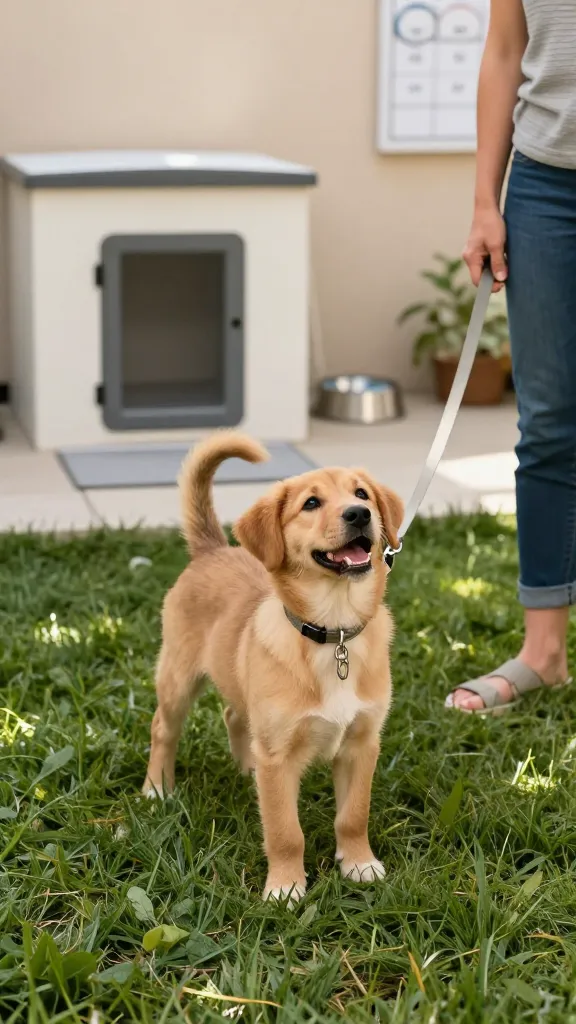
Routines create predictability, and predictability creates clean paws and dry floors. When your pup knows what to expect, accidents drop dramatically.
Why this works: consistent schedules minimize confusion and maximize success. You’ll both feel like a well-oiled team.
Key Points
- Take the puppy out first thing in the morning, after meals, after waking from naps, and before bedtime.
- Limit access to inside areas during house training bursts to reduce surprises.
- Use a calm, upbeat cue like “Potty time!” to build the association.
Tips: set a timer on your phone so you don’t drift into la-la land and forget the clock. Trust me, consistency is the secret sauce here.
Benefits: faster training, fewer messes, and a puppy who learns what “outside” means without wandering around aimlessly.
2. Embrace the Power of Controlled Confinement (A.k.a. Crate Magic)
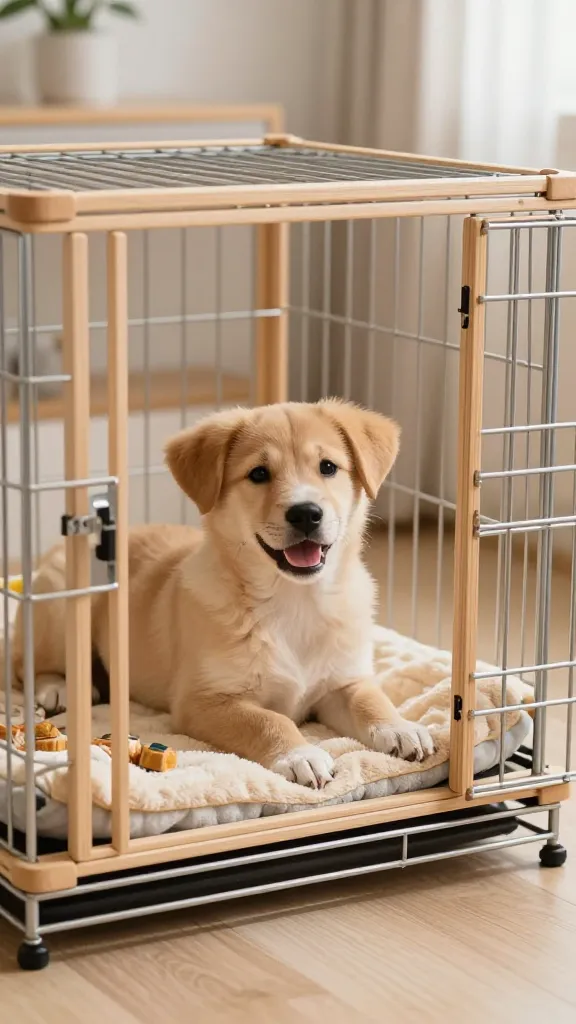
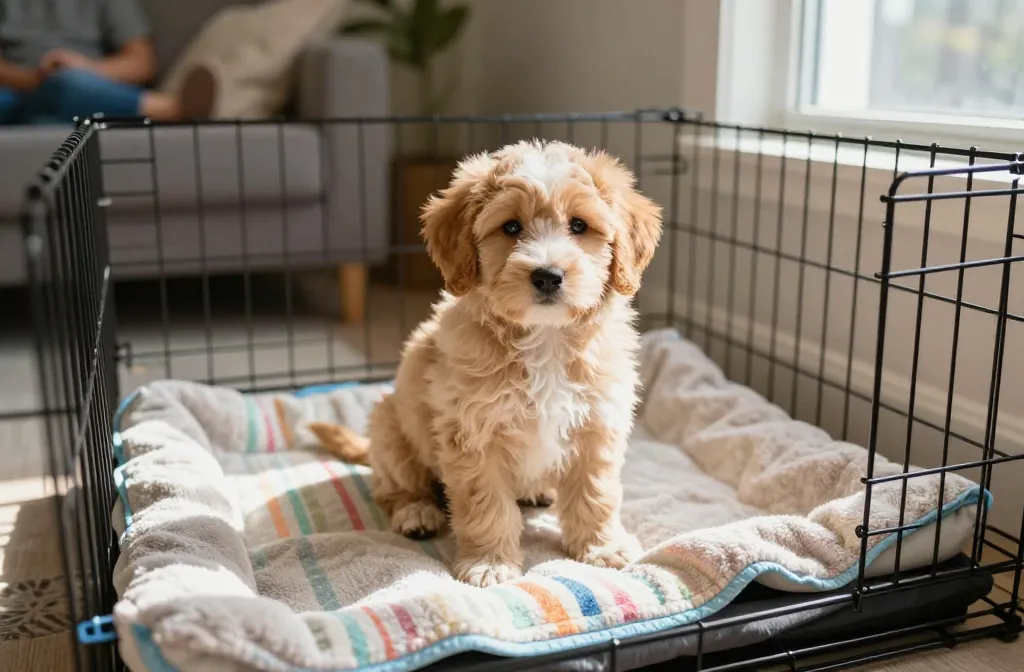
Crates aren’t cages; they’re safety nets that protect both your floors and your puppy’s dignity. A properly used crate speeds potty training big time.
Why this works: dogs typically won’t soil their sleeping area, so confinement creates natural bathroom discipline while they’re learning self-control.
Tips
- Choose a crate size that fits with a cozy bed and just enough space to stand, turn, and lie down.
- Make the crate inviting with tasty goodies and a soft blanket—never use it as punishment.
- Gradually increase time spent in the crate as they master signals and routines.
Note: don’t leave them crated for miles of time. Short, positive sessions win here, and your puppy will learn to hold it until outside time.
Benefits: reduces impulse piddles when you’re unavailable and creates a safe space for focused training sessions.
3. Create a Command-and-Cache System (Take the Guesswork Out of Where to Go)
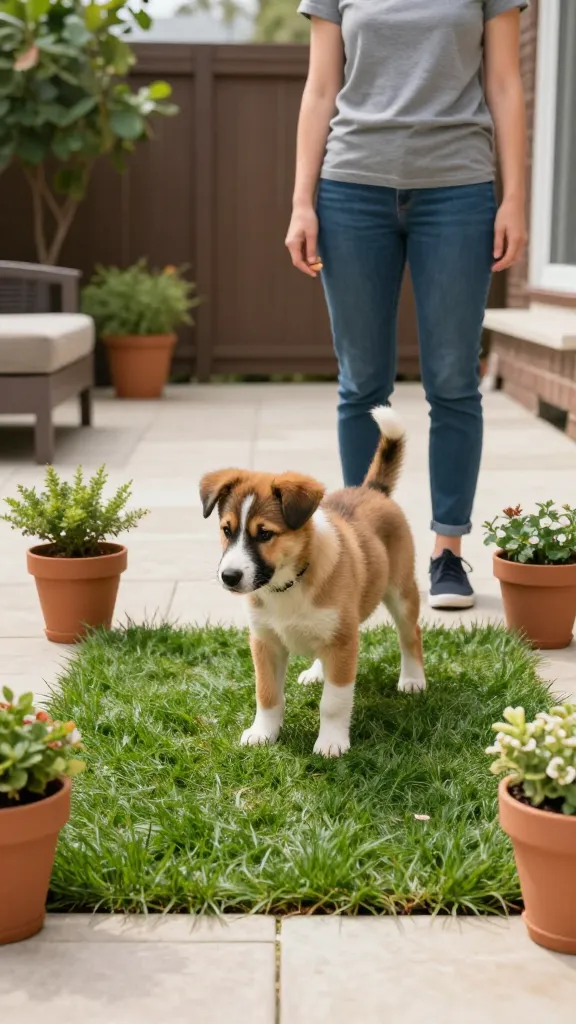
A simple, repeatable system makes accidents a rarity. When your pup starts showing signals, you’ll be on it in seconds.
Why this works: puppies learn fastest when you react quickly and consistently, turning potty moments into training milestones.
Key Points
- Watch for signs: sniffing, circling, squatting, or staring off into space are classic tells.
- Use a literal “potty spot” outside and reward immediately with a treat and praise.
- Keep a dedicated potty area outside, clean and inviting, so the association sticks.
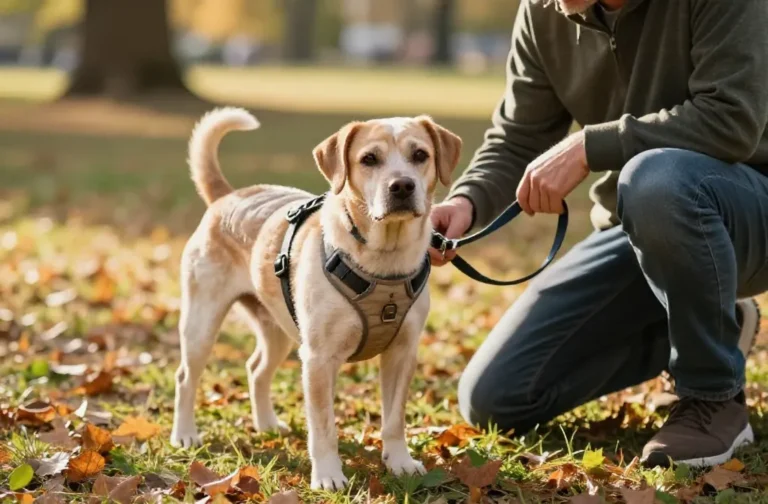
Pro move: have a dedicated leash by the door ready at all times. No searching for gear when you spot a need—boom, you’re out the door.
Benefits: quicker recognition, stronger communication between you and your pup, and fewer messy surprises.
4. Nail the Timing with Positive Reinforcement (The Golden Rule of Quick Potty Wins)
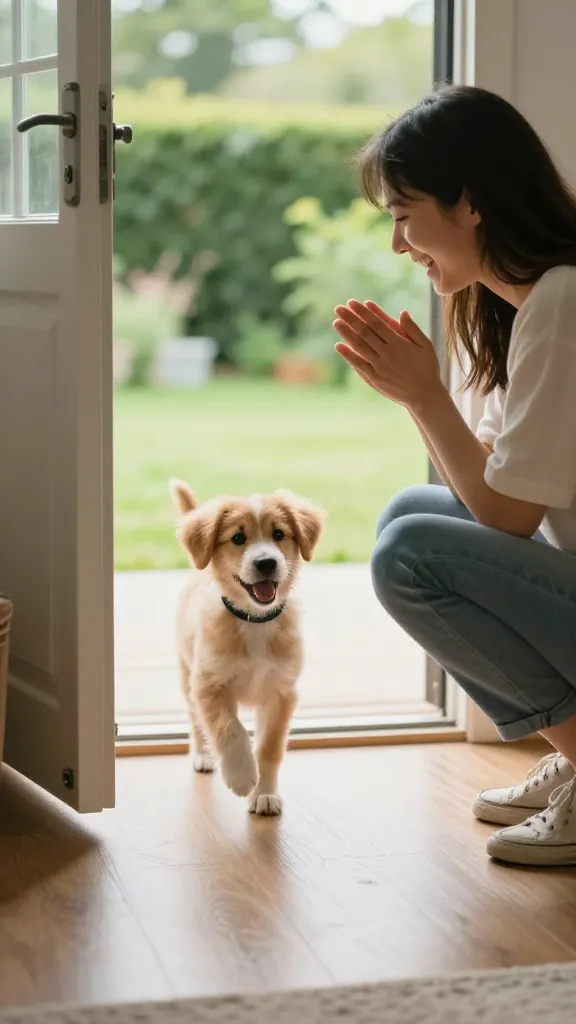
Praise and treats work wonders when delivered at the exact moment your pup finishes the job. Delayed praise spills the moment, and the lesson gets fuzzy.
Why this works: positive reinforcement creates a happy association with going outside, making your pup want to repeat it.
What to Do
- Immediately reward with a tasty treat and enthusiastic praise after they finish outside.
- Keep rewards small but meaningful so you don’t overfeed or create a craving for treats during playtime.
- Rotate rewards with verbal praise to cover both tactile and vocal reinforcement.
FYI: if you miss the exact moment, still reward as soon as you notice what happened. The sooner, the better, but never skip it entirely.
Benefits: sharper potty timing, clearer signals, and a puppy that knows the drill—and loves the drill.
5. Plan for Setbacks, Then Crush Them With Confidence (Yes, It Happens—and It’s Okay)
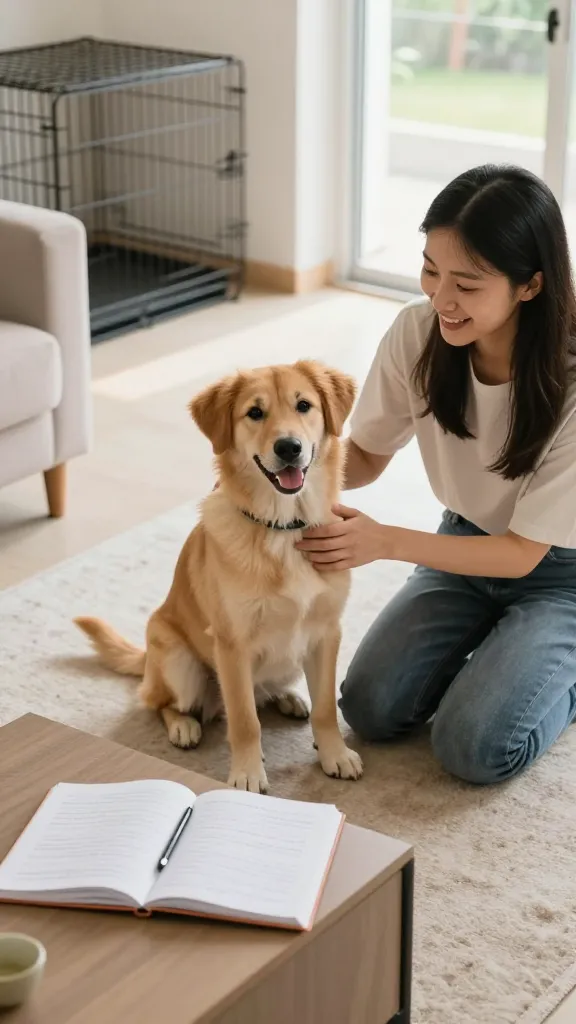
No puppy sails through potty training without a few oops moments. The trick is to handle them calmly, adjust, and move forward with momentum.
Why this works: a calm, consistent response teaches resilience and keeps the process from derailing.
Strategies
- Track accidents in a simple log: time, place, what you did right or wrong.
- Review your routine and cues—are you maximizing outdoor time after meals?
- Increase supervision and confinement until confidence returns to your pup.
Tip: don’t punish or shout. Redirect, clean up cleanly, and reinforce the right behavior when it happens again. Seriously, your dog isn’t trying to ruin your day—it’s learning.
Benefits: a robust plan resistant to hiccups, faster overall progress, and a happier household with fewer surprises.
Conclusion: You’ve got a toolkit now—routine, crate safety, a clear potty system, instant positive reinforcement, and a plan for the inevitable hiccups. Start implementing tonight, and you’ll see fewer accidents and more wagging tails in no time. You’ve got this, and your puppy does, too; trust me, the payoff is worth it.