5 Positive Reinforcement Dog Training Tips That Work: Quick Wins
You want training that sticks without turning your best friend into a stressed-out student. These five tips are practical, friendly, and proven to get results with a wagging tail. Let’s dive in and make training feel like a game, not a chore.
1. Nail the Timing: Reward Right When They Nail It
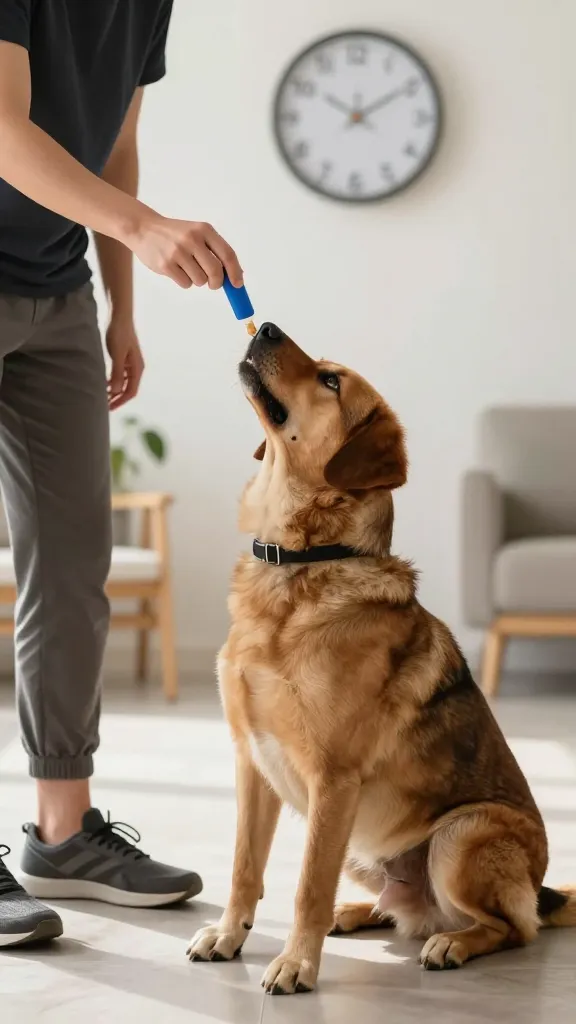
Timing is everything in dog training, and this tip makes it feel almost magical. When your pupper does the right thing, you reward instantly so they connect the action with the payoff.
Key Points
- Reward within 1–2 seconds of the behavior
- Keep your marker consistent (a clicker or a verbal “Yes!”)
- Gradually increase the delay as the behavior becomes reliable
FYI, consistency beats clever excuses. If you delay too long, your dog associates the reward with something else, like the floor or a squeaky toy. Trust me, practicing short, sharp timing sessions builds a rock-solid foundation.
When to use this: teaching sit, stay, or any cue where you want a precise response. The result is a quick, happy puppy who understands exactly what earns a treat.
2. Keep It Short, Fun, and X-Ray Focused
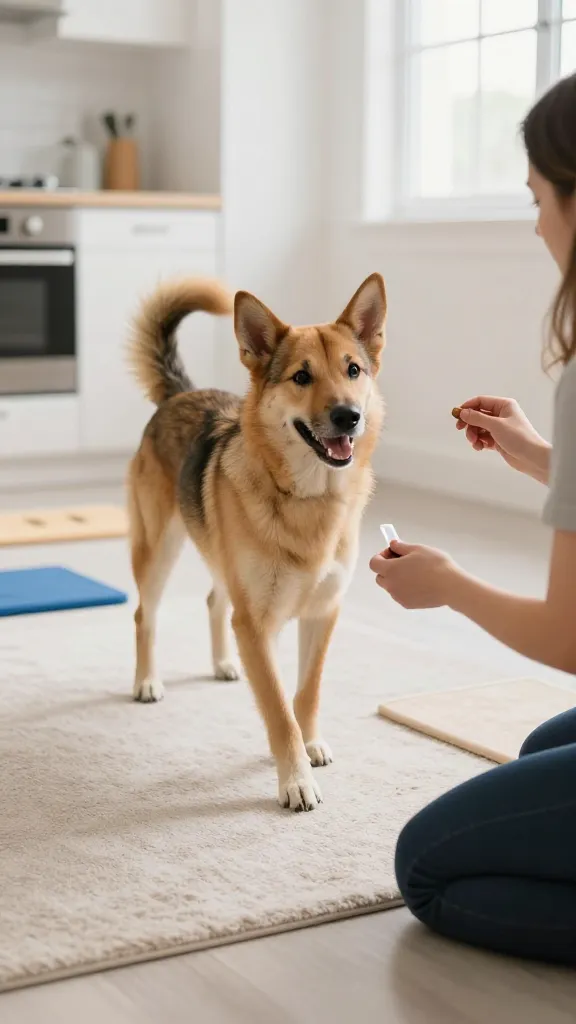
Dogs learn best with short bursts of high-energy focus. Long sessions drain attention faster than you can say “treat.” Aim for several 5–10 minute sessions spread through the day.
Quick Framework
- Set a clear goal for each mini-session
- End on a successful rep to avoid frustration
- Use a variety of simple locations to generalize the behavior
Seriously, your dog will thank you with enthusiastic wiggles and a wag that seems to say, “Let’s do that again!” Short sessions prevent boredom and keep training breezy rather than a grind. This approach works wonders for impulse control and response to cues in real-life settings.
Best use: laying the groundwork for reliable recall, heel work, or door manners without burning out both of you.
3. Reinforce Calm Confidence With Low-Value Rewards, Then Switch Up
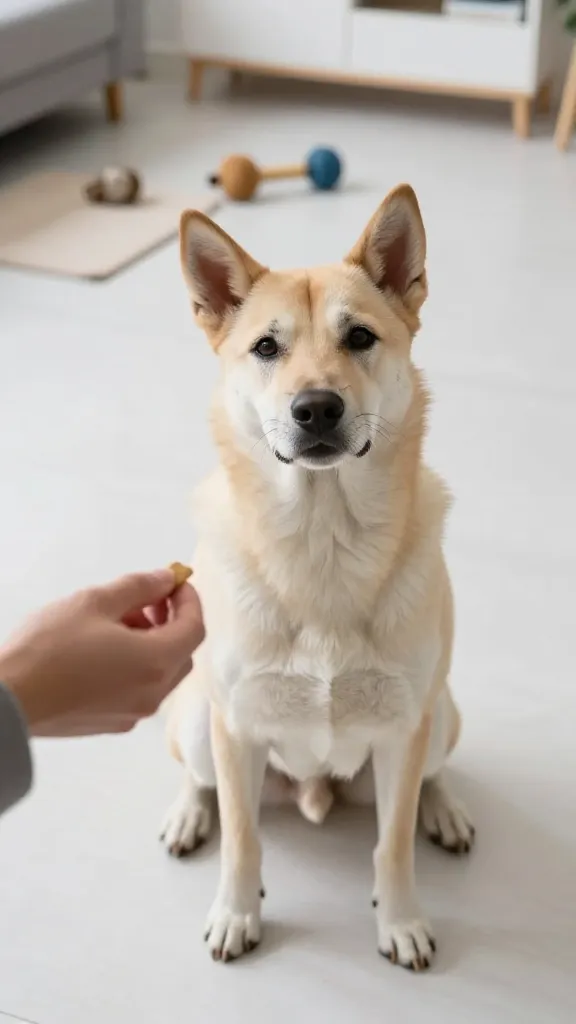
Not every moment deserves a gold-star reward. Sometimes you want your dog to choose calm, focused behavior over chaos. Start with what they love, then gradually shift to easier rewards to promote self-control.
Strategy Notes
- Begin with high-value rewards to establish the behavior
- Introduce low-value rewards to encourage consistency
- Fade treats over time as the behavior becomes automatic
Using a mix of rewards helps your dog stay motivated without becoming overly fixated on food. It also teaches self-control in busy environments—imagine walking past a bakery without losing your mind. Okay, maybe not bakery-level control, but you get the idea.
When to apply: during transitions, such as moving from playtime to quiet training, or when teaching stay near distractions.
4. Make Cues Clear, Consistent, and Kind
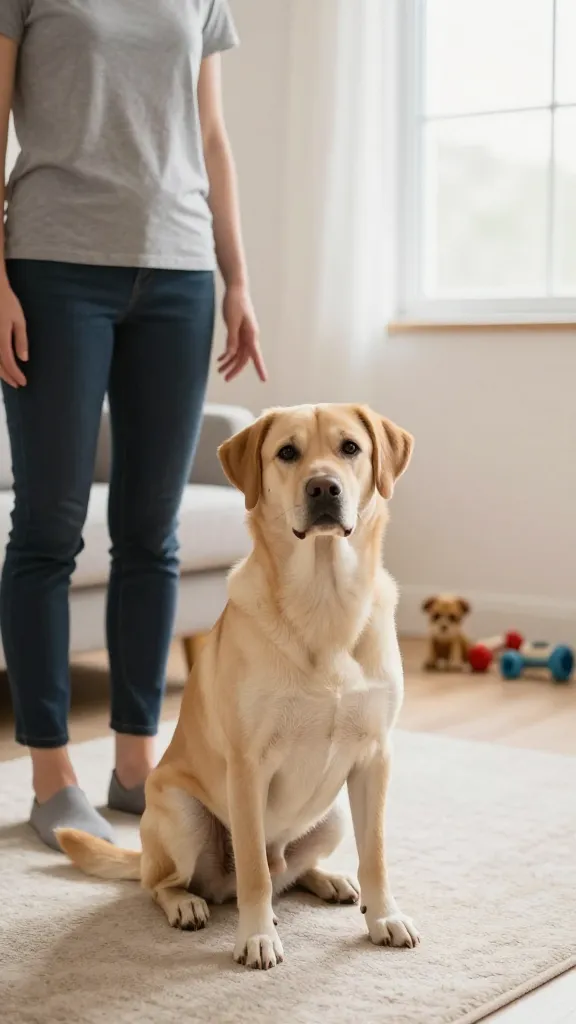
Consistency is the secret sauce. Your dog shouldn’t have to guess what you want. Clear cues plus a predictable routine create a masterclass in communication.
Tips for Clear Cues
- Use one cue per behavior (no floaty verbage like “brrr” during sit)
- Pair verbal cues with a distinct hand signal
- Maintain the same tone and body language every time
One common-sense move: never mix up cues in a single session. If your dog gets confused, they’ll tune out and you’ll both end up frustrated. IMO, a clean cue system pays off in the long run with fewer corrections and more “good dog” moments.
Application note: practice cue accuracy in different rooms and with mild distractions, then gradually add more temptation as your dog nails it.
5. Build a Positive Training Habit Bank: Ditch Punishment, Deposit Praise
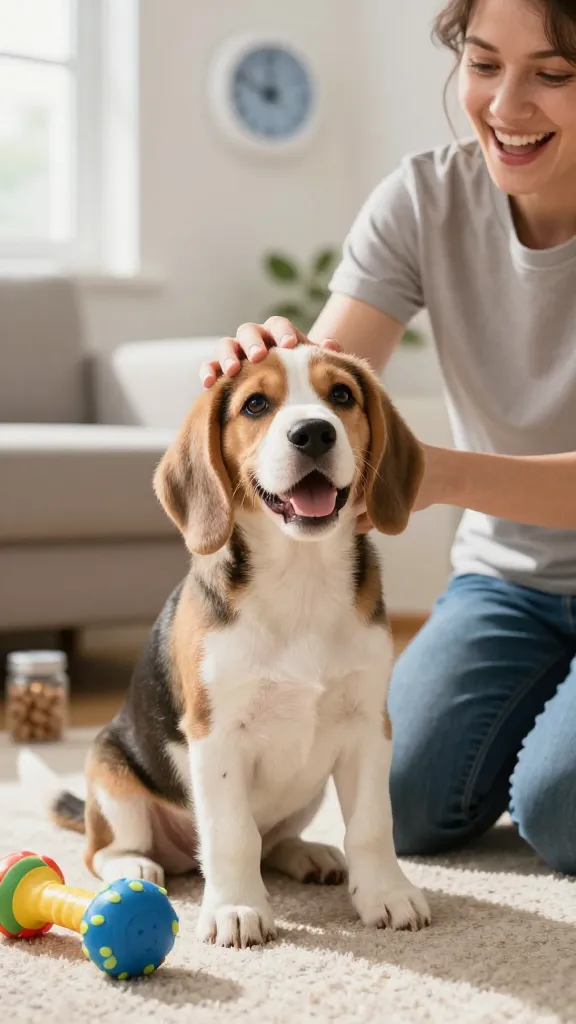
Punishment can derail learning and harm the bond you have with your dog. This tip centers on reinforcing desired behavior with praise, play, and rewards—creating a positive loop that your pup wants to repeat.
What to Include
- Smile, enthusiastic voice, and a quick pet during each correct response
- Short play sessions or a favorite toy as a post-training reward
- Regular, predictable training times to create a ritual
Trust me, positive reinforcement isn’t soft—it’s how you build durable learning. When your dog connects good behavior with fun and attention, you’ll see curiosity and motivation soar. FYI, you’ll likely notice more willingness to try new behaviors because they know the drill ends with something awesome.
Use-case: teaching new tricks, reinforcing polite leash manners, and strengthening recall in busy parks.
Bottom line: these five tips are practical, scalable, and friendly enough for beginners but powerful enough to keep up with your ambitious pup. Try weaving them into a cohesive routine, and you’ll watch training become something you both enjoy instead of endure. Seriously, your dog will love the consistency and the rewards, and you’ll love the results.
Ready to get started? Grab some tasty treats, set up a few short sessions, and pick a cue you want to perfect first. You’ve got this—go make your pup proud!