6 Tips for Training a German Shepherd Puppy That Actually Work
That Actually Do Work and Make You Both Smile
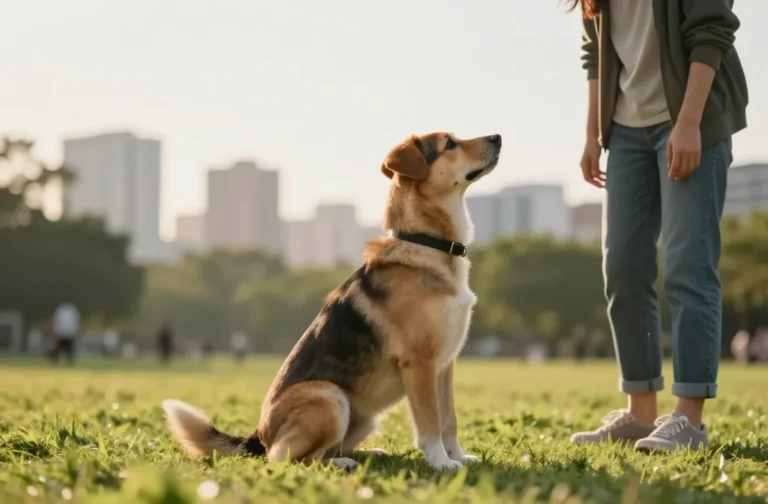
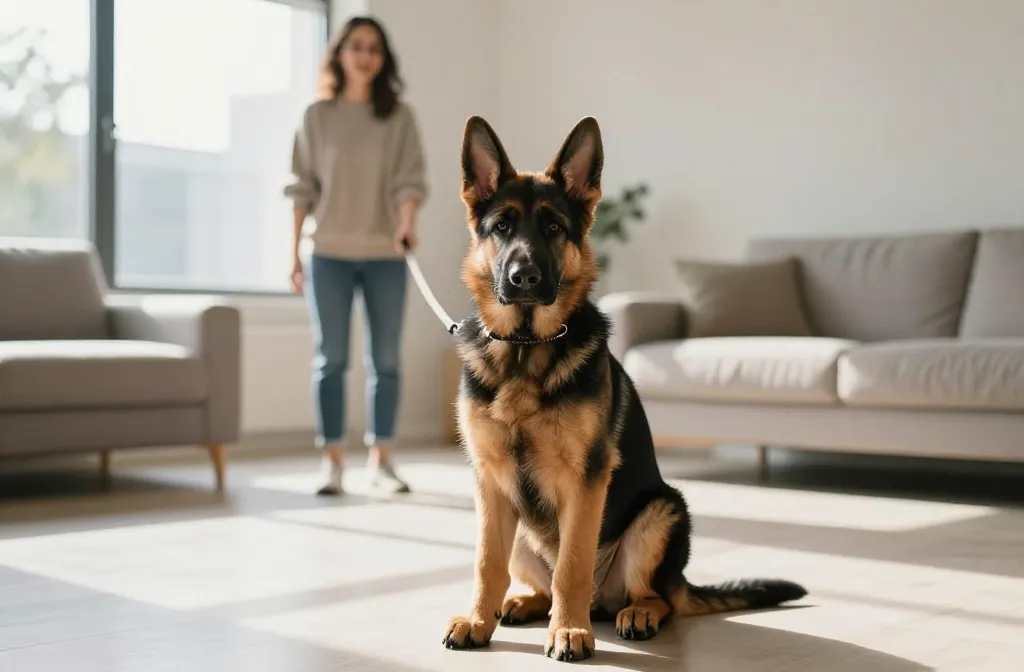
Training a German Shepherd puppy can feel like wrangling a tiny, furry whirlwind. These tips cut through the chaos with practical, friendly steps you can actually stick to. Let’s make puppy boot camp feel like playtime and win-win energy for both of you.
1. Set Clear Boundaries With Confident Leadership
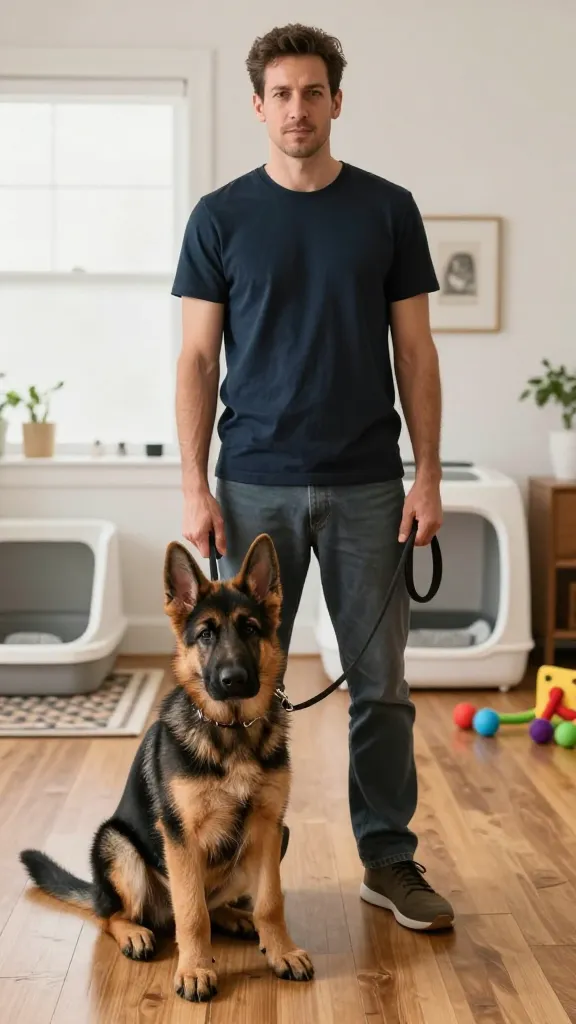
German Shepherds thrive when they know their role in the pack. Start strong, but keep it friendly and fair. Your puppy will respond to a calm, assertive routine far better than to random chaos.
Intro to leadership in practice:
- Consistent rules across rooms and people
- Regular daily schedule for meals, potty, and play
- Calm, purposeful leash walks that double as training sessions
Key takeaway: clear boundaries reduce anxiety and set up a cooperative partner for life. FYI, consistency is your best friend here.
2. Nail the Art of Potty Training Without Drama
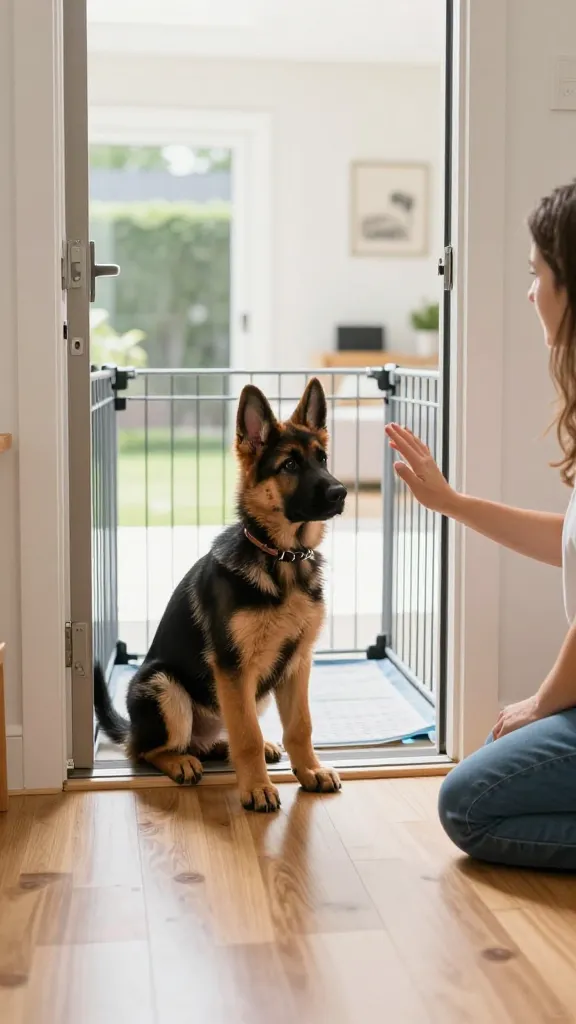
Potty training is the baseline for success. Do it with zero guesswork and plenty of praise. A clean puppy is a happy home, and you’ll thank yourself later when you’re not chasing puddles.
Practical steps to stay on top of it:
- Take your pup outside first thing in the morning, after meals, and before bed
- Use a consistent cue like “Go potty” and reward immediately
- Supervise indoors with a puppy playpen or gated area
Benefits: faster house-training, less stress, more confidence for both of you. Seriously, the payoff is real.
3. Make Crate Time a Positive, Relaxing Habit
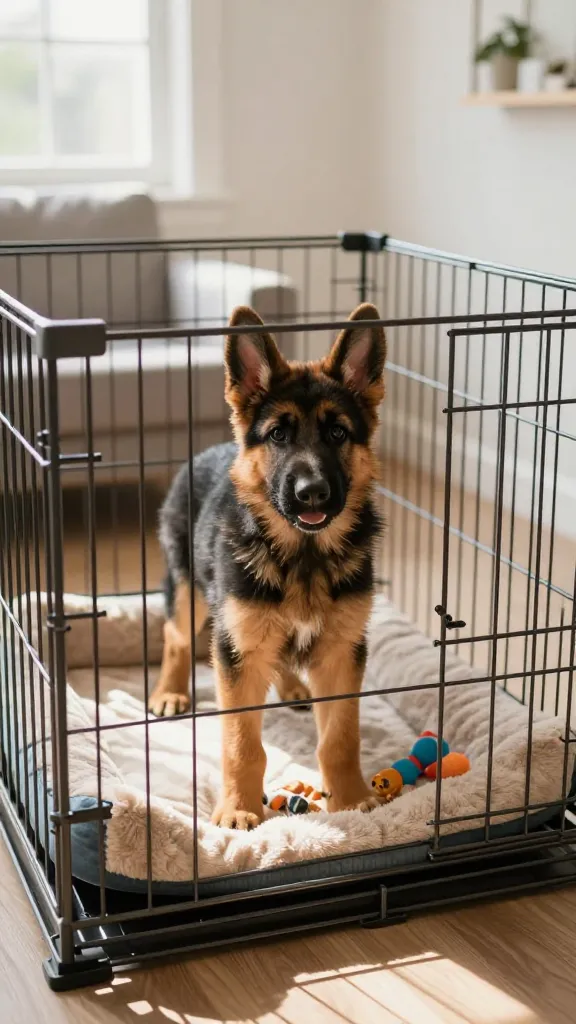
Crate training isn’t about punishment—it’s a safe, comfy retreat. A crate can speed house training, reduce anxiety, and give you both a quiet space after busy sessions.
How to do it right:
- Choose a crate size that allows the puppy to stand up and turn around
- Pair the crate with tasty treats and a favorite toy
- Keep crate sessions short and gradually increase duration
Note: never use the crate as punishment. When used well, it becomes the puppy’s cozy little vacation home.
4. Socialization That Feels Like Fun, Not Frustration
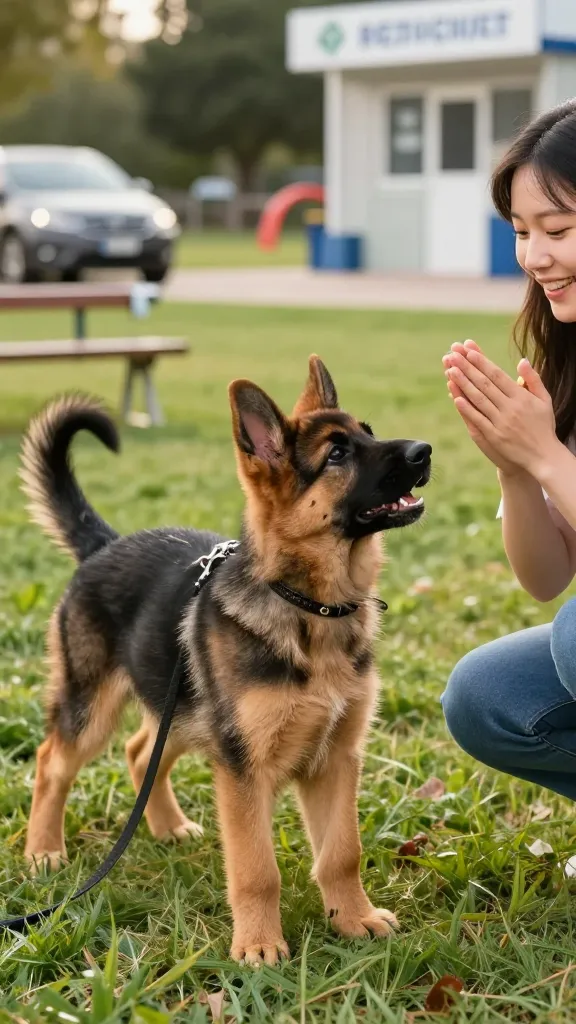
Socialization is more than belly rubs and cute photos. It builds a confident, well-behaved adult dog who isn’t terrified of new people or sounds. Do this in bite-sized, positive experiences.
Smart socialization approach:
- New people, places, and gentle, low-stress dogs in short sessions
- Keep introductions positive with treats and praise
- Rotate environments to build adaptability (car rides, parks, vet visits)
Outcome: a friendlier, braver dog that handles the world with curiosity instead of fear. Trust me, the long-term payoff is huge.
5. Teach Simple, Essential Commands That Stick
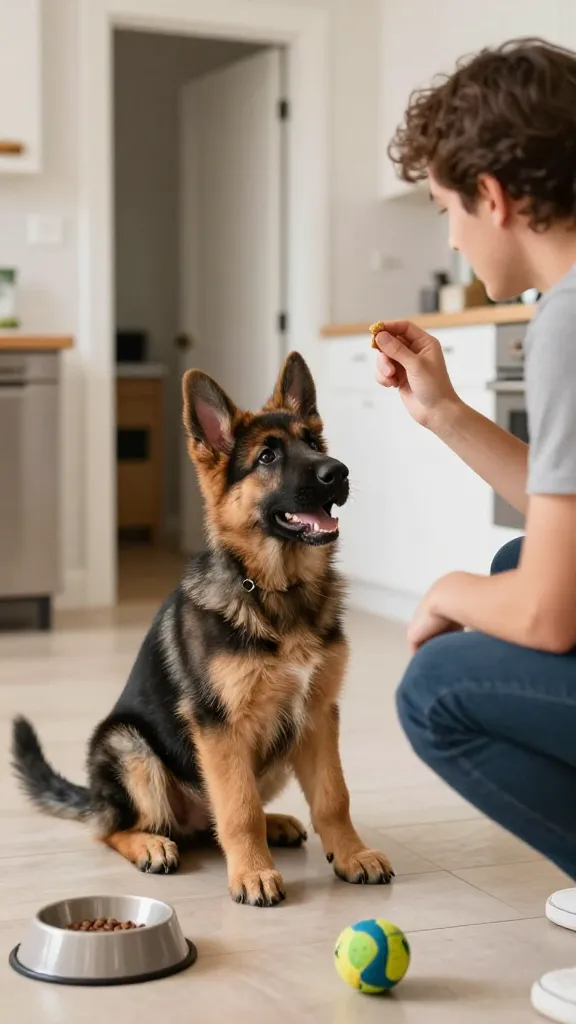
Basic commands aren’t just cute tricks; they’re safety and structure. Start with a handful of commands and practice in short, frequent bursts. Your puppy will pick them up fast with enthusiasm and the right rewards.
Core commands to start:
- Come: reward with a treat and enthusiastic voice
- Sit and Stay: build impulse control for doorways and distractions
- Leave It and Drop It: important for dangerous items and disliked distractions
Incorporate play to reinforce learning: a quick game of fetch can be a powerful training reset. FYI, consistency beats any fancy technique here.
6. Build a Balanced Exercise + Mental Stimulation Routine
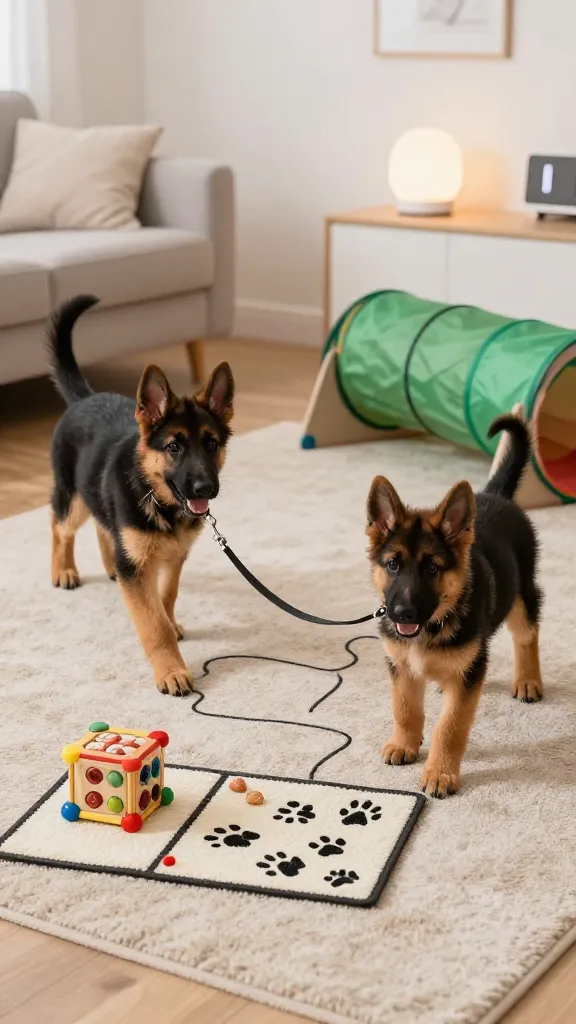
German Shepherds are highly intelligent and need both physical and mental challenges. A tired pup is a well-behaved pup, and that means fewer chewed sneakers and more smiles.
Package together:
- Daily exercise: brisk walks, short hikes, and safe fetch
- Brain games: puzzle toys, scent work, and clever obstacle courses
- Quiet time: a wind-down routine that signals “rest” after activity
End note: tailor the routine to your puppy’s energy and your schedule. When in doubt, shorter, more frequent sessions win over long, sporadic bursts. Seriously, consistency matters as much as variety.
By applying these six strategies, you’ll turn a whirlwind of puppy chaos into a structured, joyful partnership. You’ll see faster progress, fewer accidents, and a bond that grows stronger every day.
Ready to start? Grab a treat, a timer, and your best confidence—your German Shepherd puppy is counting on you, and you’ve got this.