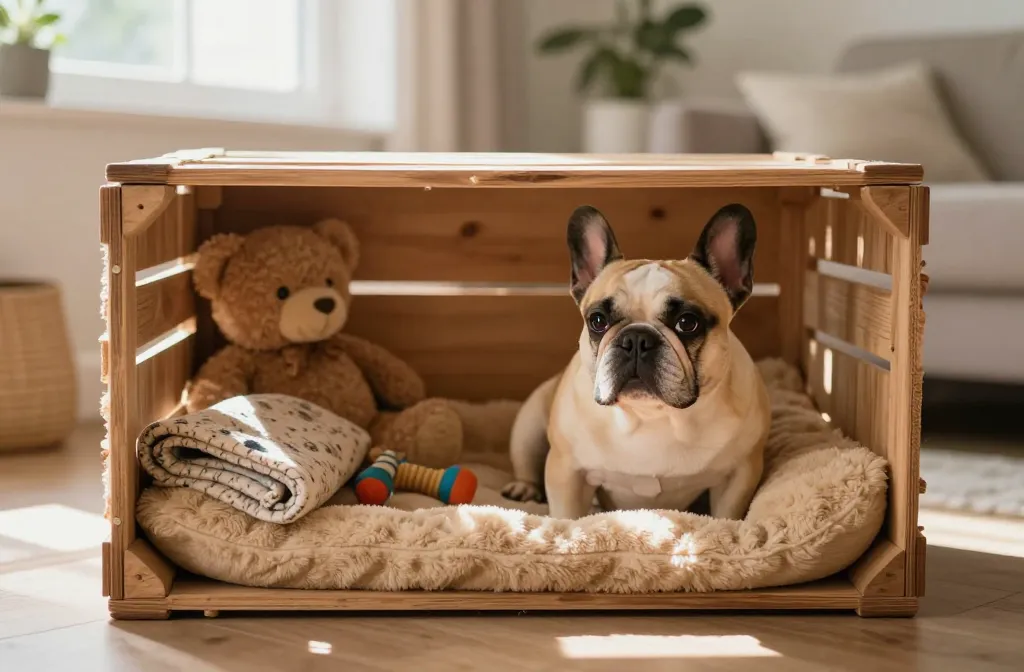
6 Crate Training French Bulldog Tips for Beginners
Crate training doesn’t have to feel like rocket science. These friendly, practical tips will have you and your Frenchie thriving in no time. Let’s dive into six steps that turn a crate into a cozy, beloved nook.
1. Start With Comfort: Make the Crate Feel Like a Safe Den
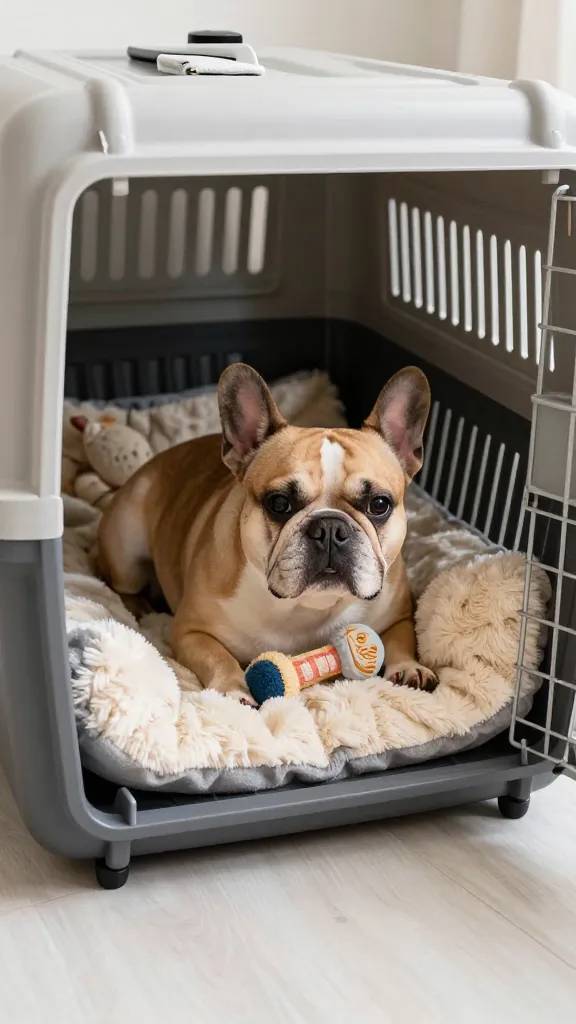
Your French Bulldog will respond best when the crate smells familiar and feels like a calm sanctuary. Start with soft bedding, a favorite chew toy, and a touch of your scent to signal safety. FYI, dogs read our energy as much as they read the room, so keep vibes positive.
Tips for Cozy Setup
- Line the base with a forgiving, washable mat or plush blanket
- Add a chew toy or a stuffed plush to cuddle with
- Place the crate in a low-traffic area but where you can supervise
By creating a warm, inviting space, you’ll reduce resistance and make crate time something your pup looks forward to. The goal is consistency: short, positive sessions that steadily grow longer.
2. Do Short, Positive First Sessions: Build Trust Quickly
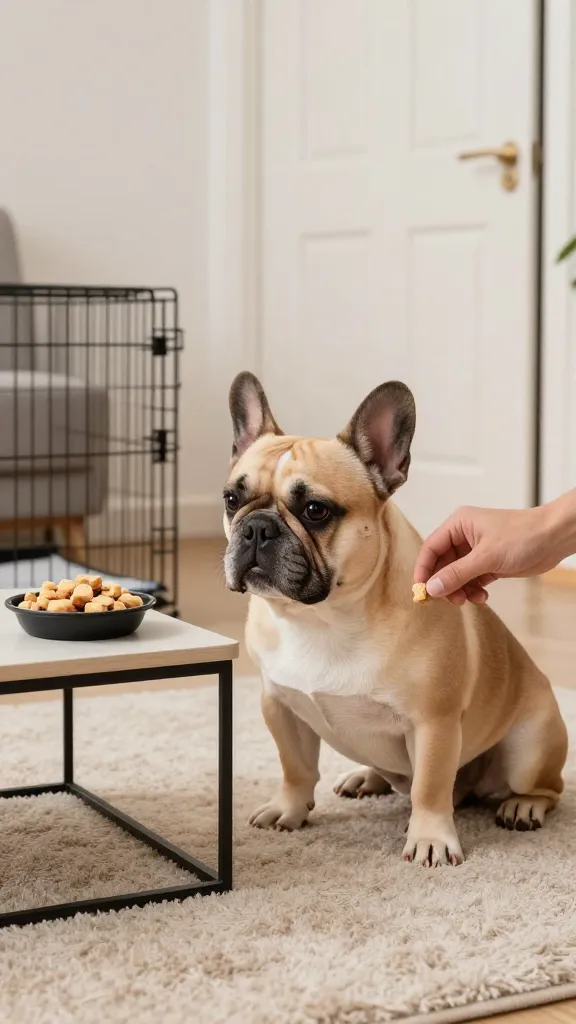
Patience pays off here. Start with 1–2 minute sessions, then gradually extend as your pup grows more comfortable. If you hear whines, don’t punish—wait for a calm moment, then reward with a treat and praise when they settle. Trust me, progress happens in baby steps.
Progress Plan
- Open door, toss in a treat, praise softly
- Close the door for a minute, then open and reward
- Repeat several times until your Frenchie sits quietly
Benefits show up fast: less anxiety, easier car rides, and a happier bedtime routine. Use this as your baseline and adjust based on your dog’s comfort level.
3. Create a Routine: Consistency Is Your Best Friend
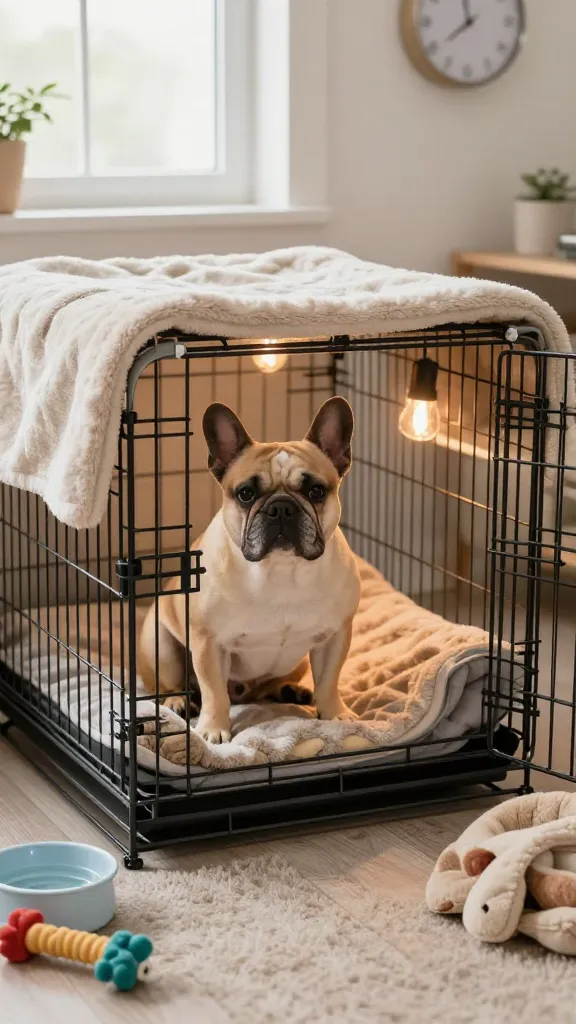
A predictable schedule helps your French Bulldog feel secure. Feedings, playtime, potty breaks, and crate sessions should happen around the same times daily. This reduces guesswork for your pup and reduces crate-related drama.
What to Include in Your Routine
- Morning potty break followed by a short crate session
- Midday play and a longer crate period if you’re out
- Evening wind-down routine with cuddles near the crate
Consistency shortens the transition period and helps your dog learn when crate time is coming. When your routine is predictable, your dog has fewer surprises and more confidence.
4. Use Positive Reinforcement: Make Crate Time Invite-Only
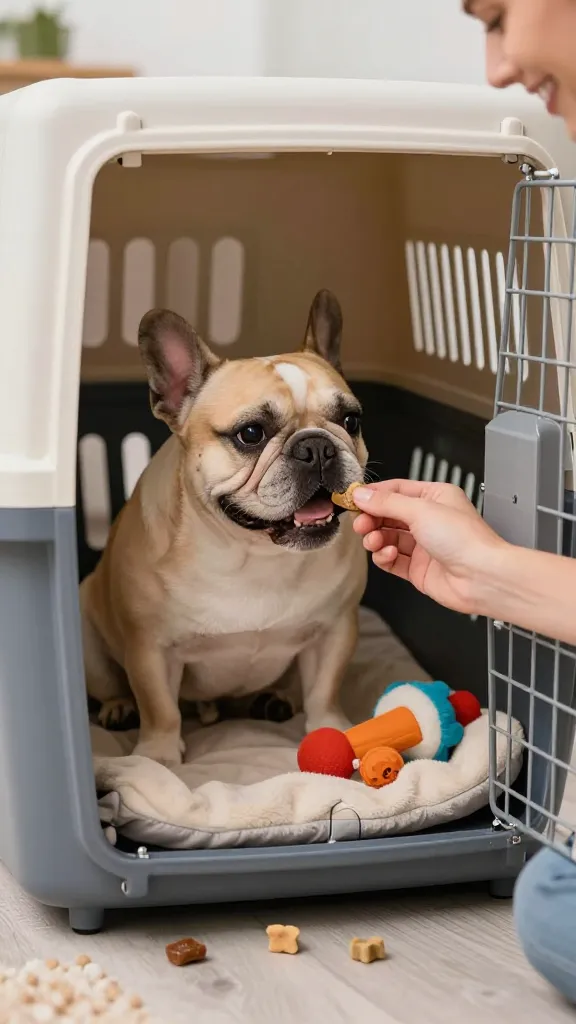
Positive reinforcement is the cheat code here. Treats, praise, and a calm voice teach your puppy that the crate is a good place. Avoid punishment or shouting—those vibes create fear and resistance, and that’s the opposite of what we want.
Reward Techniques
- Offer high-value treats only when the pup is calm inside the crate
- Pair the crate with a favorite puzzle toy that’s reserved for crate time
- Gradually increase the duration you reward, not the intensity of the correction
FYI, smiling and calm energy go a long way. If you’re anxious, your dog will mirror that and resist the crate even more.
5. Lighten the Mood With Smart Snacking and Toys
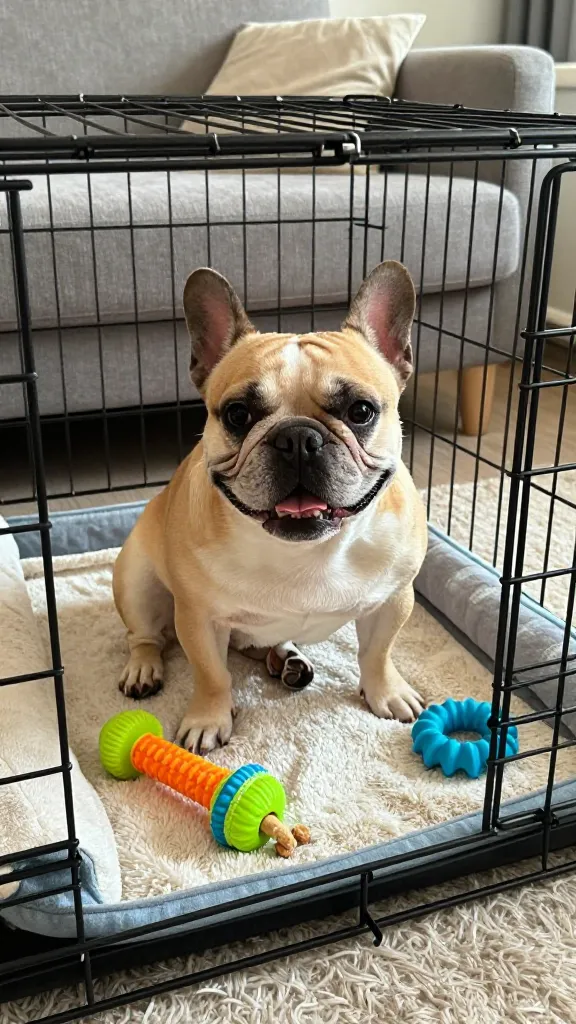
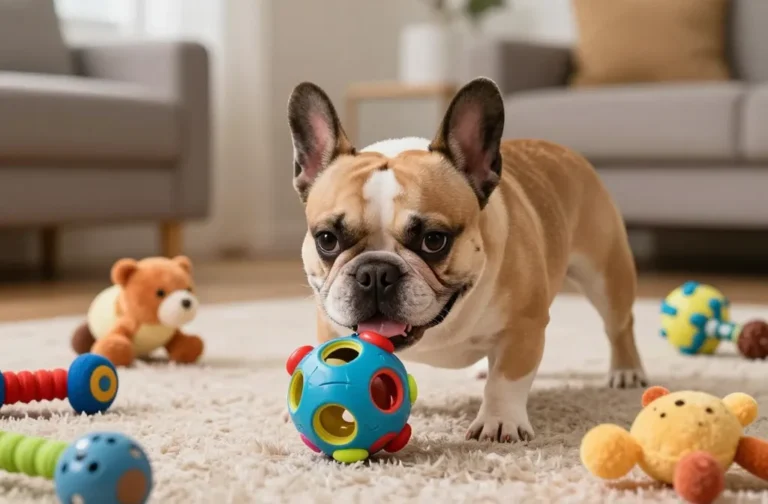
Crate time doesn’t have to be boring. A treat-dispensing toy or a stuffed chew can turn crate sessions into a mini-lesson in patience. The goal is to make the crate a place where rewards arrive naturally, not a punishment pit.
Smart Additions
- Treat-dispensing toy that slowly releases snacks
- A durable rubber chew for longer-lasting engagement
- A scent-station toy with your clothing or a familiar blanket
These items encourage independent time inside the crate and build confidence. Use them as you gradually extend crate sessions and observe what excites your pup the most.
6. Plan for Setbacks and Progress, Not Perfection
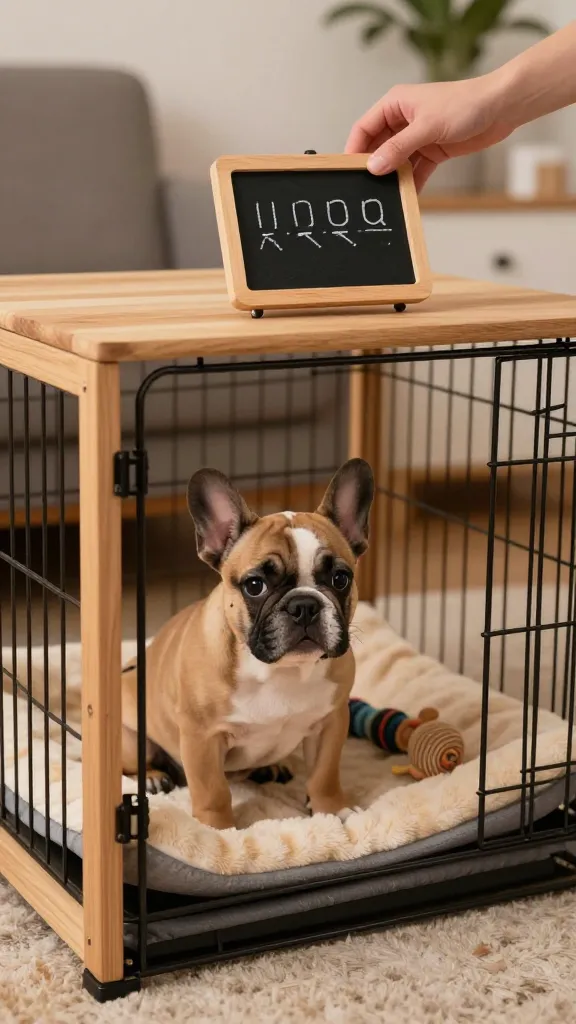
Crate training isn’t a straight line. You’ll hit hiccups—nervous, whiny, or temporarily resistant phases. Stay calm, adjust the length of sessions, and celebrate small wins. Seriously, progress is progress, even if it’s one extra minute this week.
What to Do When Setbacks Happen
- Cut back to shorter sessions for a few days
- Review your routine and ensure the crate still feels safe and inviting
- Keep a positive tone and avoid scolding during crate time
The persistence pays off: a well-crated pup means quieter nights, easier grooming, and a happier travel companion. Use setbacks as a chance to refine your approach rather than a signal to quit.
By following these six approachable steps, you’ll turn crate time into a positive, reliable routine your French Bulldog actually looks forward to. Trust me, the payoff is a calmer pup, happier evenings, and fewer crate-time headaches for you both.
Ready to start? Grab a comfy blanket, a pocket full of treats, and your best, most enthusiastic sigh of relief—you’ve got this, friend.