
6 Labrador Feeding Schedule Tips for Healthy Growth
Ready to optimize your lab’s growth without turning feeding time into a full-time project? These six tips cut through the noise and give you a clear, doable plan. FYI, consistency beats chaos every single time.
1. Set a Routine That Matches Growth Stages

Labradors grow fast, and a steady schedule keeps energy steady too. A predictable feeding rhythm helps with digestion and helps you spot issues early.
Key Points
- Young puppies often need three meals a day.
- Switch to two meals around 4–6 months, then maintain as an adult.
- Keep meal times consistent every day to support routine digestion.
Benefits: steadier energy, fewer stomach upsets, and easier weight management. Applications: tailor to your pup’s age and growth curve; adjust gradually as they mature.
2. Choose a Growth-Focused Diet Plan

Not all dog foods are created equal, especially when you’re chasing healthy growth. Pick a formula that supports steady weight gain, muscle development, and joint health.
Tips
- Look for high-quality protein and controlled fat content.
- Check life-stage formulas (puppy, large-breed puppy, adult).
- Consider a vet-recommended growth plan if your lab is underweight or overweight.
Why it matters: better nutrient balance = better growth. Apply this by reading labels and sticking to a consistent brand unless you’re advised otherwise.
3. Respect Portion Sizes with Calorie Awareness
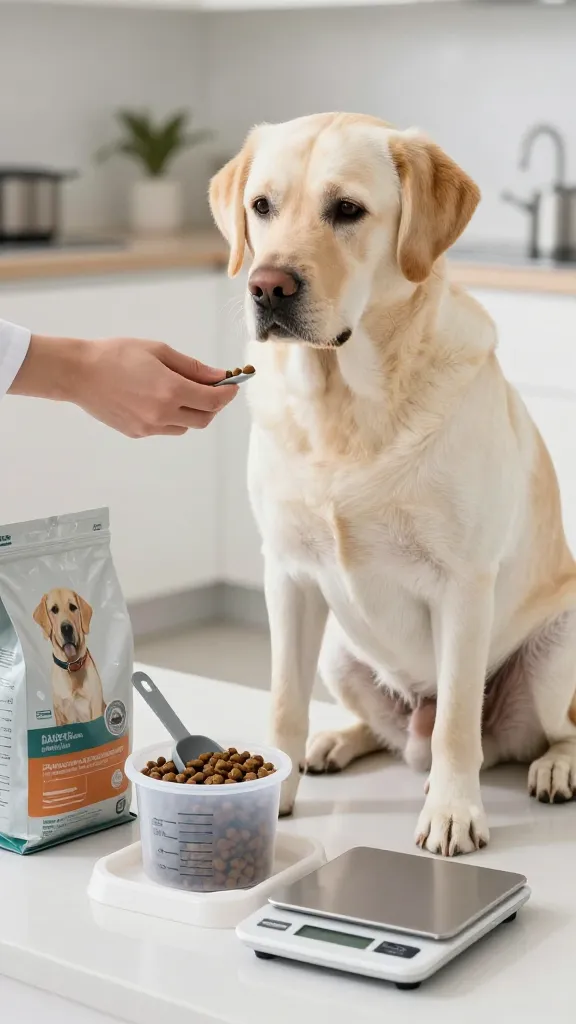
Portions aren’t one-size-fits-all, and labs tend to be food-motivated. Getting calories right supports healthy growth without overloading the joints or belly.
What to Do
- Follow the feeding chart on the dog food bag, then tailor by body condition.
- Use a measuring cup for every meal to avoid eyeballing disasters.
- Adjust after periodic weigh-ins with your vet or technician.
Bottom line: too many treats plus too much food = fluff and sore joints. FYI, small, frequent weigh-ins help you stay on track.
4. Timing Is Everything: Align Meals with Activity

Energy needs spike around workouts and play. Feeding timing around activity can improve digestion and keep your lab from feeling bloated or hypoactive.
Smart Scheduling
- Offer a meal 1–2 hours before intense exercise.
- Post-exercise meals should be moderate and easy to digest.
- Avoid feeding right after vigorous play to reduce the risk of bloat.
Bonus: a well-timed snack can help after long walks or training sessions. Trust me, your pup will thank you with a wag and a happy tail wag.
5. Smart Treats That Support Growth

Treats can help training and bonding, but they should support growth, not sabotage it. The right treats can fill nutritional gaps and keep training fun.
Guidelines
- Limit high-calorie treats and replace some with low-calorie options like veggies or training bites.
- Offer nutrient-dense options: lean protein morsels, small fruit pieces (where safe), or dental treats.
- Use treats strategically for training, not as a constant snack substitute.
Impact: better behavior, controlled weight, and more motivated training sessions. Applications: incorporate into daily routine, not the weekend splurge stash.
6. Monitor Growth with Regular Check-Ins

Growth tracking isn’t vanity—it’s a health check. Regular weight and body condition scoring helps you catch issues early and adapt as your lab matures.
Simple Monitoring Plan
- Weigh your lab monthly and track progress on a chart.
- Do a body condition score check a few times a month: you should see a defined waist and visible ribs with a light fat layer.
- Schedule veterinary weigh-ins at least quarterly during puppyhood and yearly later.
Benefits: proactive care, fewer surprises, and a healthier growth trajectory. When to adjust: if growth stalls, weight climbs too fast, or you notice digestion issues—tHese are signs to tweak portions or food type. Seriously, don’t ignore them.
Want a quick recap? Consistency in meals, a growth-friendly diet, mindful portions, activity-aligned timing, smarter treats, and regular growth checks all work together to support healthy Labrador growth. IMO, combining these creates a recipe you can actually stick with—no drama, just delicious, steady progress.
Ready to start? Your lab’s healthiest growth journey begins the moment you commit to these six steps. Trust me, the wagging tail payoff is totally worth it.