
7 Beagle Puppy Feeding Schedule Tips for Healthy Growth That Work
Beagle puppies grow fast, and their meals matter as much as playtime. These seven tips keep energy steady, digestion happy, and those adorable ears perked up. Let’s dive into a friendly, practical plan you can actually follow.
1. Set a Consistent Feeding Rhythm That Suits Growth

Consistency isn’t boring—it’s the secret weapon for a healthy beagle. A regular schedule helps with digestion, energy levels, and potty training.
Why it rocks: predictable meals mean fewer tummy rumbles at 3 a.m. and fewer “Is this a snack or dinner?” debates for you.
Key Points:
- Feed your puppy 3 meals per day until about 6 months old.
- Space meals roughly 6–8 hours apart.
- Adjust portions based on growth, activity, and vet guidance.
Stick to the plan and your puppy will thank you with steadier energy and happier mornings.
2. Choose High-Quality Puppy Food with Real Meat

Nutrition fueling growth is non-negotiable. Real meat, balanced fats, and puppy-friendly nutrients support muscle, brain, and coat health.
FYI: not all puppy foods are created equal. Do a quick read of the first five ingredients and pick something named meat or fish as the primary source.
Tips:
- Look for AAFCO statements confirming “complete and balanced” for puppies.
- Aim for 25–30% protein and adequate fat for energy (check package guidelines).
- Consider a formula tailored to beagle-sized or small-breed puppies.
Using solid nutrition now pays off in fewer picky-eating days and robust growth later.
3. Measure Portions Precisely (No Guesswork)
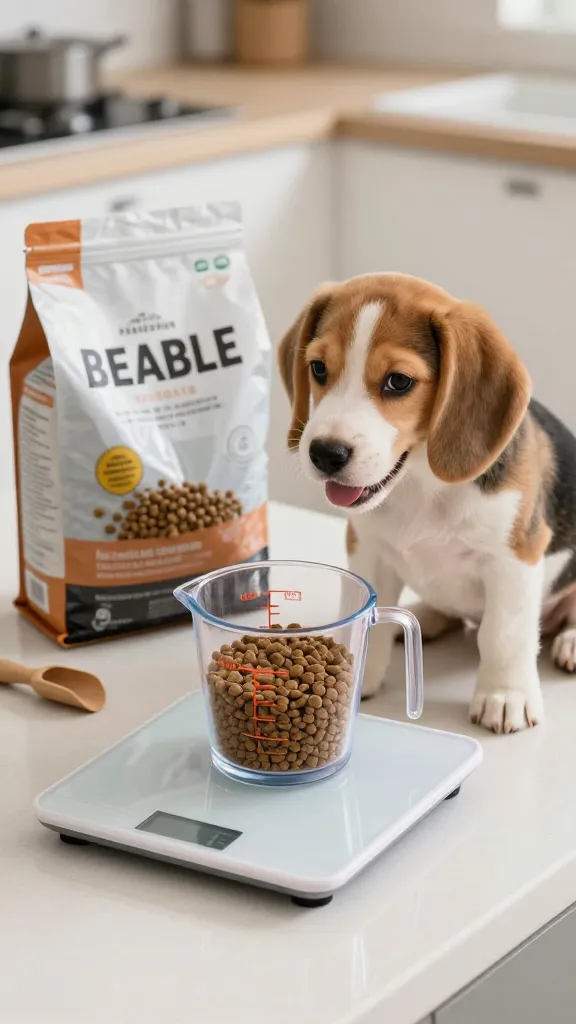
Beagles love to hustle for extra bites, but portion control prevents overfeeding and obesity. Accurate measuring is your best buddy here.
Serious tip: weigh food or use a consistent cup measurement. Tiny differences add up fast as puppies grow.
How to Do It:
- Follow the feeding guideline on the food bag as a starting point.
- Adjust in ¼ cup increments based on appetite and body condition.
- Record weekly changes to track progress.
Trust me, precise portions reduce waste and help maintain a healthy body score for long-term vitality.
4. Maintain Gentle Consistency During Growth Spurts

Growth spurts can flip energy needs on their head. Your puppy might seem hungrier one week and shy of appetite the next.
IMO, lean into calm routines and responsive feeding. Don’t overreact to every mood swing; small, steady adjustments beat big, dramatic changes.
What to Do:
- Monitor weight weekly; adjust portions if weight climbs faster than expected.
- Offer a small, nutrient-dense snack (like plain yogurt or a tiny veggie) if appetite dips—not a full meal.
- Avoid drastic changes in food type during spurts to protect digestion.
Balance keeps growth on track without stressing the gut or the wallet.
5. Schedule Meals Around Playtime for Peak Energy
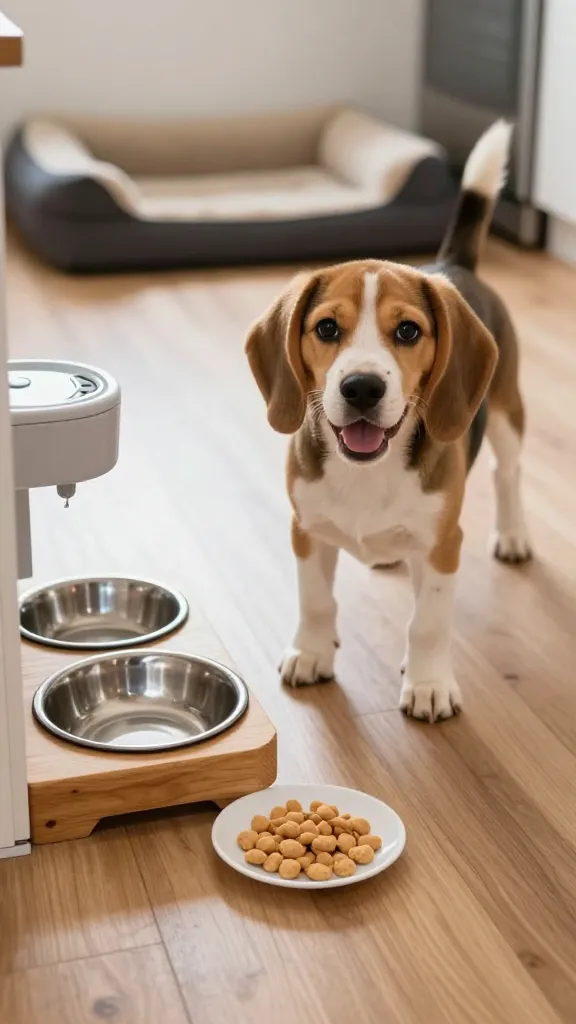
Puppies burn energy fast, and feeding around playtime can optimize digestion and mood. The timing trick is simple: avoid heavy meals right before intense play.
FYI: a light post-meal break helps prevent tummy upsets and reduces the chance of vomiting after a big romp.
Smart Timing:
- Feed 1–2 hours before high-energy sessions.
- Offer a small, easy-to-digest snack 20–30 minutes after play if needed.
- Keep water accessible, but not right at the bowl during vigorous play to avoid spills.
Well-timed meals translate to happier, more focused play sessions and better digestion.
6. Hydration Habits That Support Tiny Tums

Water is the unsung hero of puppy growth. Adequate hydration helps digestion, energy, and overall mood.
Seriously, don’t underestimate a fresh bowl and a few reflection moments by the water dish. It’s like a mini spa break for their gut.
Hydration Tips:
- Provide fresh water at all times; clean bowls daily.
- Offer water after meals to aid digestion and prevent constipation.
- Consider a shallow, non-tip bowl for younger puppies to prevent spills.
Keep hydration steady and your puppy will sail through growth phases with less fuss.
7. Regular Vet Checks and Gentle Supplements (Only If Needed)

Vet visits aren’t a chore; they’re your growth GPS. Regular check-ins ensure your beagle puppy stays on a healthy trajectory and catches red flags early.
Pro move: discuss any supplements only after consulting your veterinarian. Some beagles benefit from joint-friendly nutrients as they grow, but timing and dosage matter.
What to Ask About:
- Weight trajectory and ideal body condition score
- Age-appropriate vaccines and dental care reminders
- Safe supplements (e.g., omega-3 fatty acids, probiotics) and recommended dosages
Proactive care reduces surprises and keeps training and exploration fun for years to come.
Want a quick recap? Be consistent with meals, pick quality puppy food, measure portions, adapt during growth spurts, time meals around play, keep hydration front and center, and stay in touch with your vet. FYI, small daily habits compound into big, healthy outcomes.
Ready to put this into action? Your beagle puppy is counting on your steady, goofy love to grow into a confident, waggy companion. Trust me, these seven steps make feeding less chaotic and more rewarding.
Conclusion: You’ve got this. Start with a plan, tweak as you observe your pup, and celebrate each healthy milestone together. Your beagle will thank you with a wag and a smile.