7 Common Dog Behavior Problems and Training Tips
If your four-legged pal keeps testing boundaries or spacing out during potty runs, you’re not alone. These proven tips cut through the chaos and bring calm back to your daily routine. Let’s dive into seven practical, friend-approved strategies you can start today.
1. Excessive Barking: Quiet Time, Loud Results

Barking is communication, but when it never stops, it wears you down. This section gives you a clear, repeatable approach to dialing it down without turning your pup into a mute robot.
Key Points
- Identify triggers: doorbells, people passing, or boredom
- Use a consistent cue and reward quiet moments
- Provide alternatives like chew toys or puzzle feeders
Start by rewarding silence during predictable triggers, then gradually extend the quiet period. FYI, consistency is your best friend here. Trust me, your neighbors will thank you.
2. Jumping Up: Greet Like a Pro, Not a Stunt Show
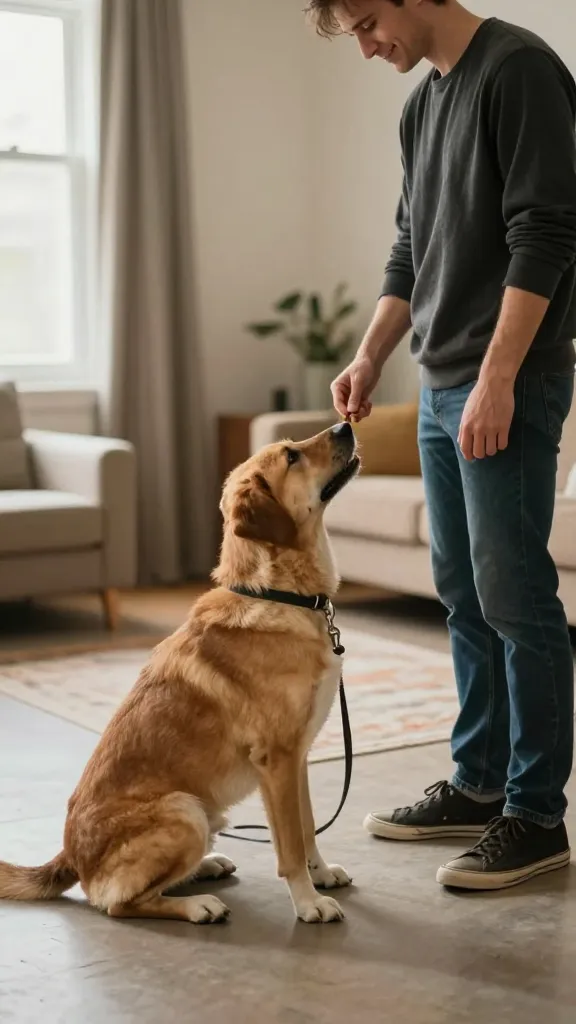
Jumping up at guests is cute as a puppy, not so much when your dog is full-grown and enthusiastic. These simple steps keep greetings friendly without the chaos.
Steps To Master
- Ask visitors to turn sideways and avoid eye contact until calm
- Reward four-on-the-floor with treats
- Practice controlled greetings on a leash indoors
What you’ll gain: a polite host and fewer nerves during doorbell moments. When you see your pup settle, celebrate with a treat shower. Seriously, small wins add up fast.
3. Chewing and Destructive Digging: Build Mindful Chewing Habits
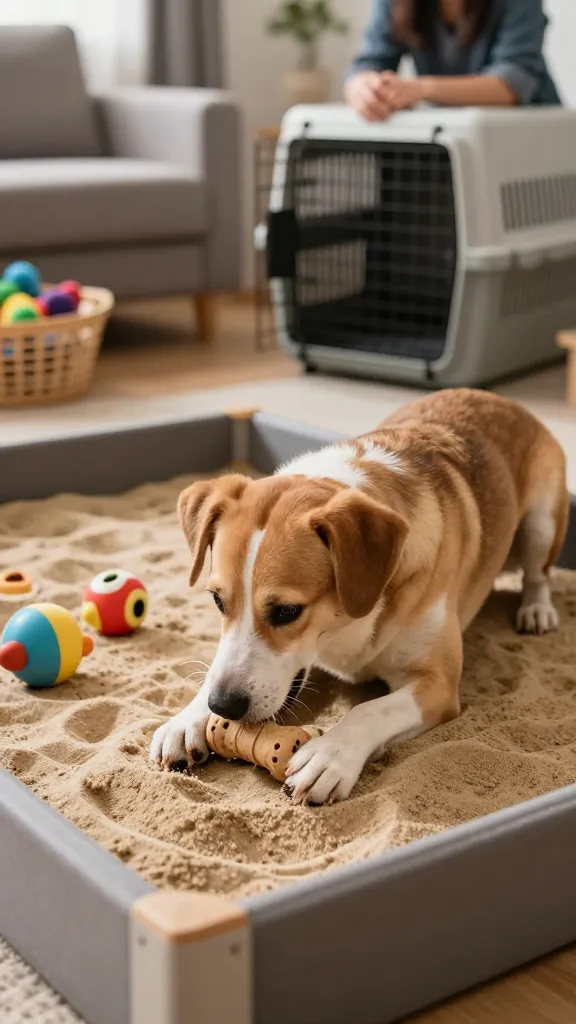
Chewing helps dogs relieve boredom and stress, but you don’t want your furniture to become a chew toy museum. Here’s how to channel that energy productively.
What To Do
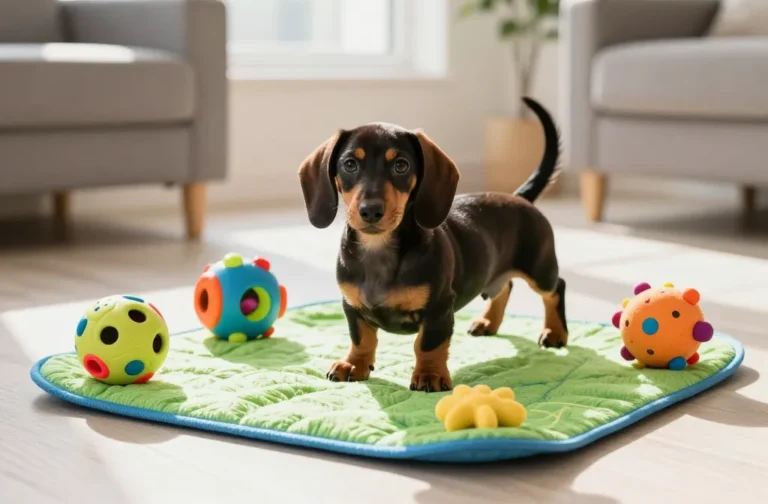
- Provide durable chews and food puzzles
- Rotate toys to keep things interesting
- Give supervised, safe outlets for digging (sandbox or designated area)
End with a quick note: you’ll reduce stress-related destruction and keep your belongings intact. Use crate time or calm sessions to reinforce good choices when you’re away.
4. Potty Training Struggles: Consistency Is Queen
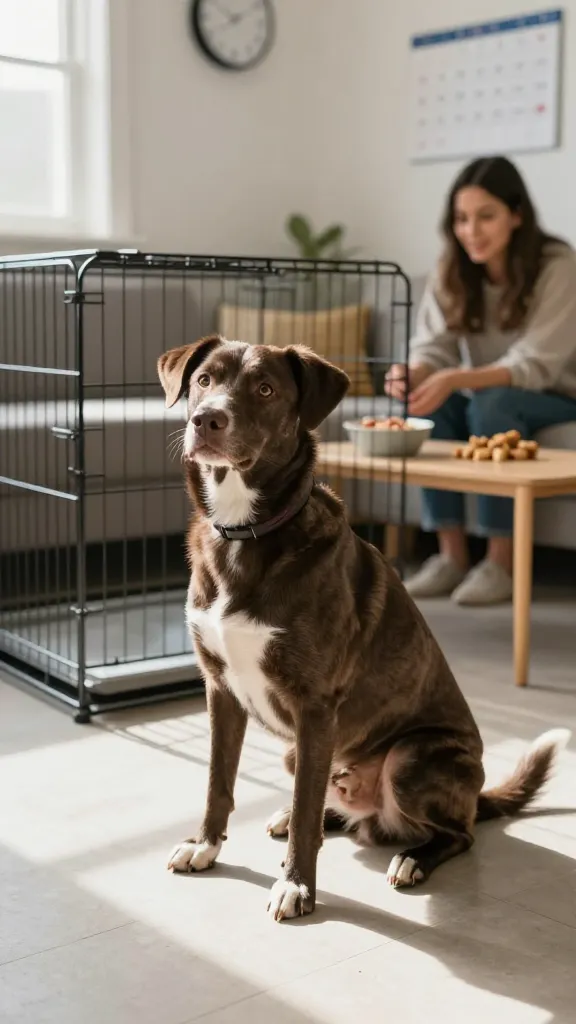
No one enjoys cleaning up after accidents, especially when you’re balancing work and life. A steady routine makes accidents rarer and faster to fix.
Best Practices
- Set a strict schedule for meals, play, and potty breaks
- Supervise closely and confine when unsupervised
- Celebrate every successful outing with treats and praise
Consistency brings confidence—both for you and your pup. This approach pays off with fewer messes and quicker house-training wins. IMO, you’ll be amazed at how fast progress happens.
5. Resource Guarding: Safe Sharing, Happy Sharing
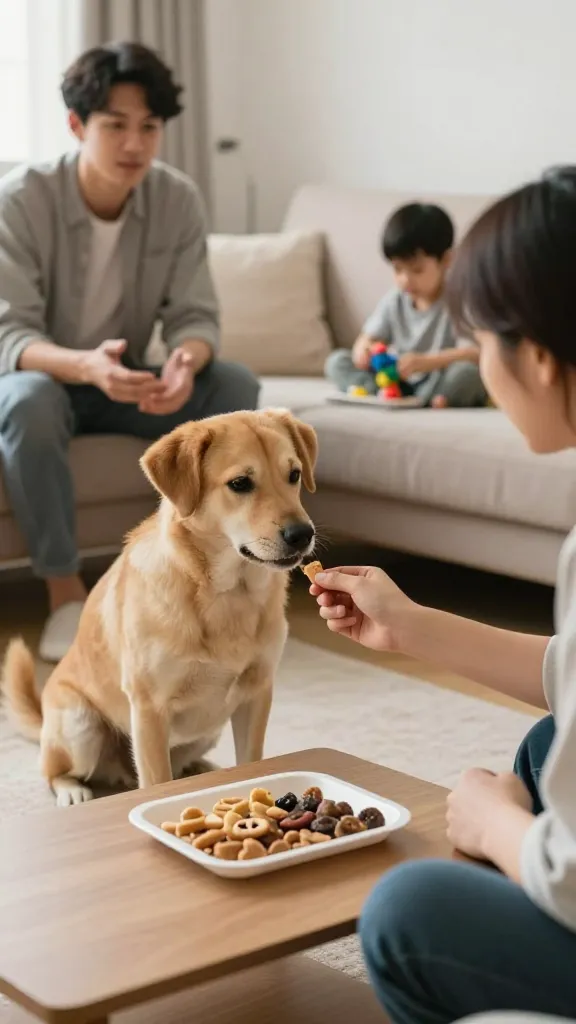
Guarding can feel tense, but with a calm, structured approach you can reduce fear and prevent incidents. Here’s how to keep everyone safe and relaxed.
Gentle Framework
- Trade up with a high-value treat to create positive associations
- Practice parallel games with distance and controlled distance rules
- Consult a pro if guarding escalates or involves family members
Benefits: less stress during meals and toy times, more trust between you and your dog. It’s all about setting up predictable, safe interactions.
6. Hyperactivity and Energy Spikes: Burn It Off Efficiently
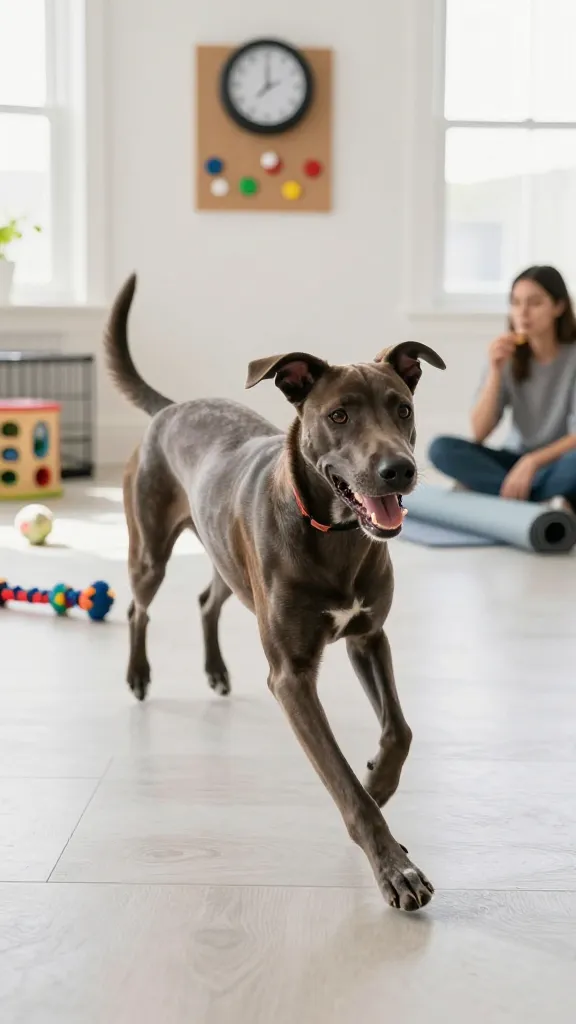
A dog with endless zoomies can wear you down. Smart activity planning channels energy into signals you can control—and your dog can thank you for it.
Energy-Release Plan
- Structured play sessions with clear start and stop cues
- Short, intense workouts (tug, fetch) followed by calm moments
- Mental stimulation with puzzle toys and scent work
Bonus: a tired dog is a well-behaved dog. FYI, mix in quiet time after exercise to help your pup settle down and sleep better at night.
7. Separation Anxiety: Build Confidence, Not Gaps
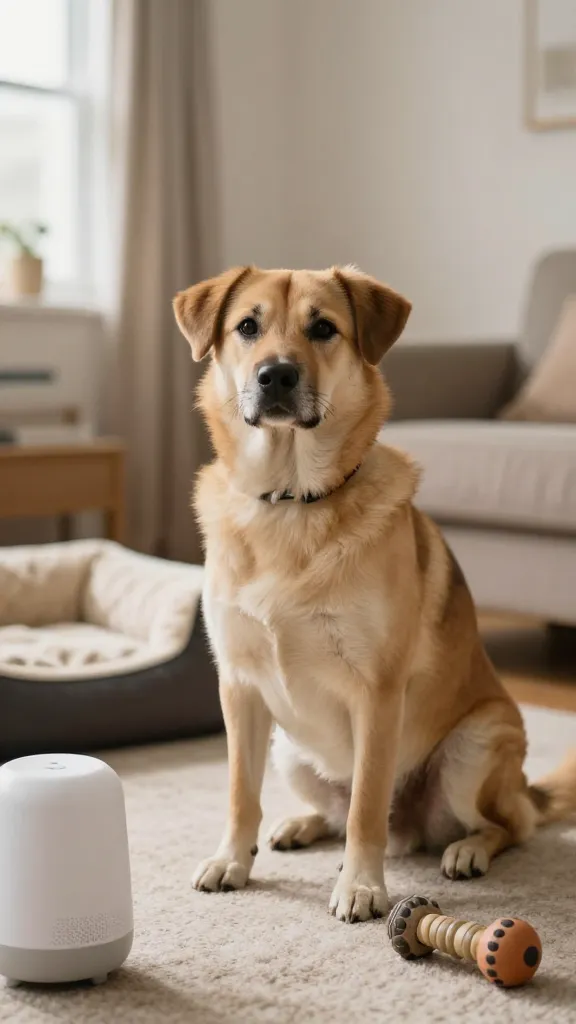
Leaving your dog alone can trigger distress, but gradual exposure and a little planning go a long way. You’ll both survive, and possibly even thrive apart.
Practical Plan
- Practice short departures and gradually extend them
- Create a safe, cozy space with familiar items
- Use background noise or a treat-dispensing toy to distract
Positive changes here show up as calmer mornings, fewer destructive episodes, and a happier dog when you return. Trust me, small daily wins compound into big confidence boosts over time.
Want a quick, friendly recap? Here’s the lowdown: be consistent, reward calm behavior, and give your dog outlets for energy and curiosity. FYI, progress might be gradual, but it’s absolutely doable with patience and a sense of humor.
Conclusion: You’ve got this. With these seven practical strategies, you’ll calm the chaos, deepen your bond, and enjoy more peaceful days with your pup. Ready to start implementing one tip today? Let’s go and have fun with it!