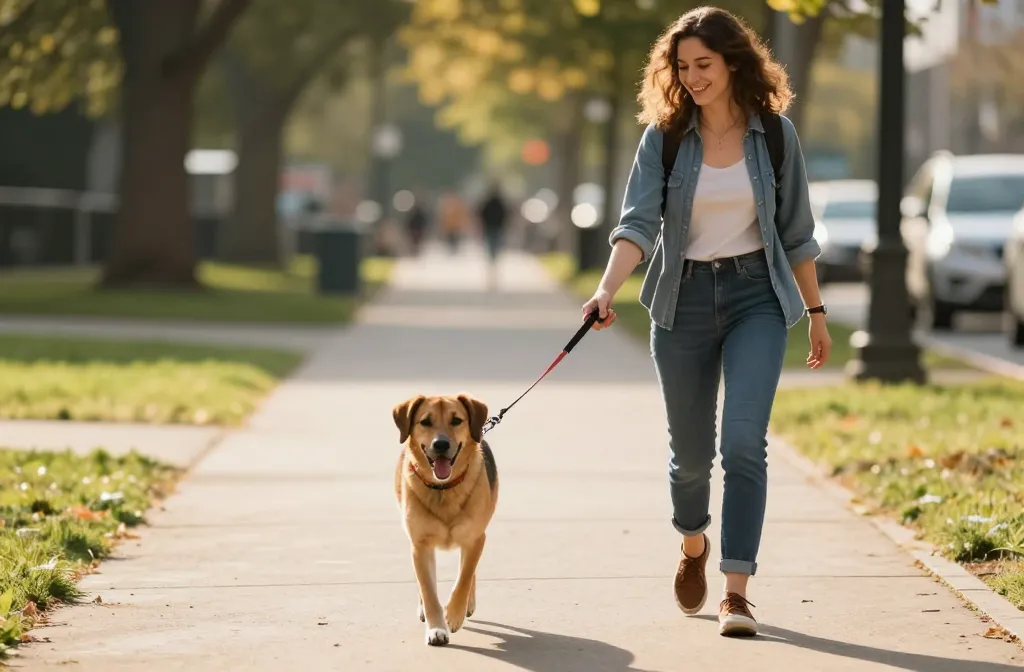
5 Dog Walking Training Tips for Better Walks That Actually Work
These tips are game-changers for calmer, happier walks. Real, practical stuff you can try this weekend. FYI, your dog will thank you with wagging tails and fewer pothole-induced zoomies.
1. Set Clear Cues Before You Step Out
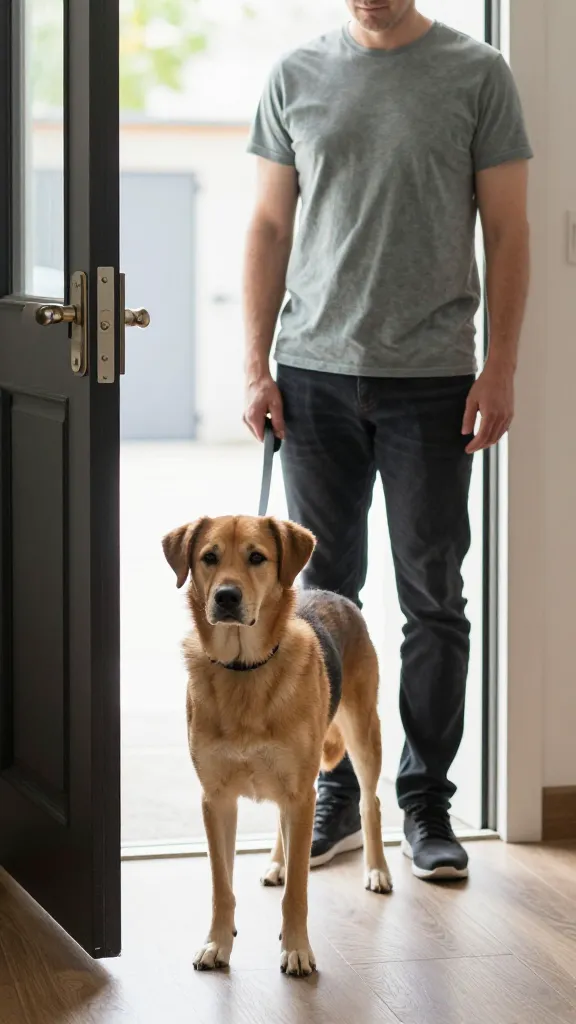
Clear signals before you even hit the sidewalk make the whole walk smoother. Your dog knows what’s coming, and you avoid chaotic moments at every curb.
Key ideas to try:
- Choose a simple cue (like “Let’s go” or “Walk on”).
- Practice indoors for 5–10 minutes before every outside session.
- Consistency is king—use the same words every time.
When you establish a predictable routine, your dog relaxes and follows your lead more readily. Try it and watch the tension melt away at doors and crosswalks.
2. Nail the Heel Without Turning it Into a Heel-Farm
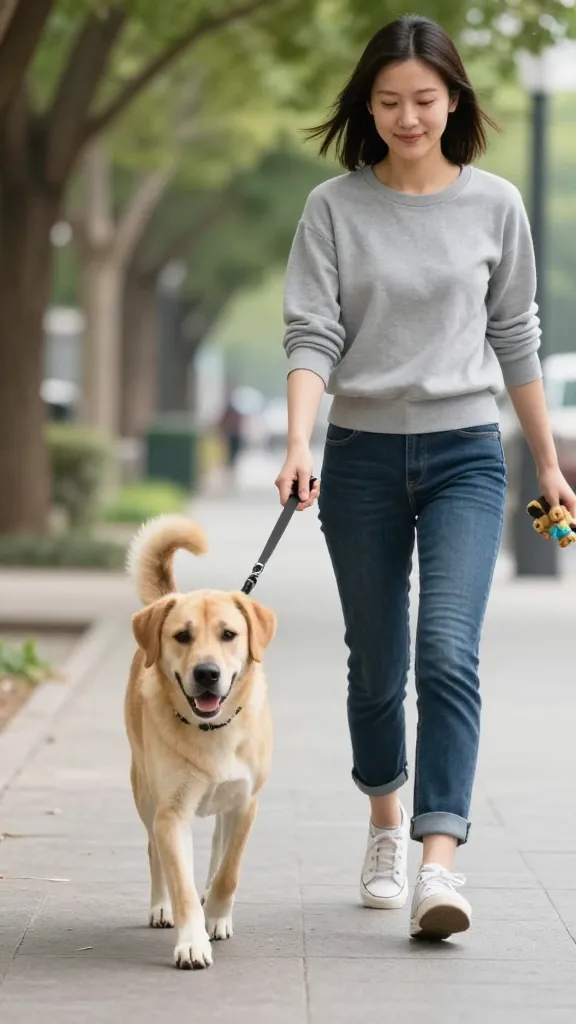
Heel means “stay by my side,” not “glued to my ankle.” The goal is polite proximity, not a leash-strap fashion show. Seriously, keep it practical and fun.
How to make it happen:
- Reward proximity with tasty treats or favorite toys.
- Use short, alternating rewards for staying near you vs. wandering ahead.
- Move in gentle, predictable rhythms so your dog can anticipate turns and pauses.
Benefits? Fewer pulls, better control, and walks that feel like a team sport. Use when you’re approaching busy streets or crowded parks where focus drops quickly.
3. Master Loose-Leash Walking with Mini-Drills
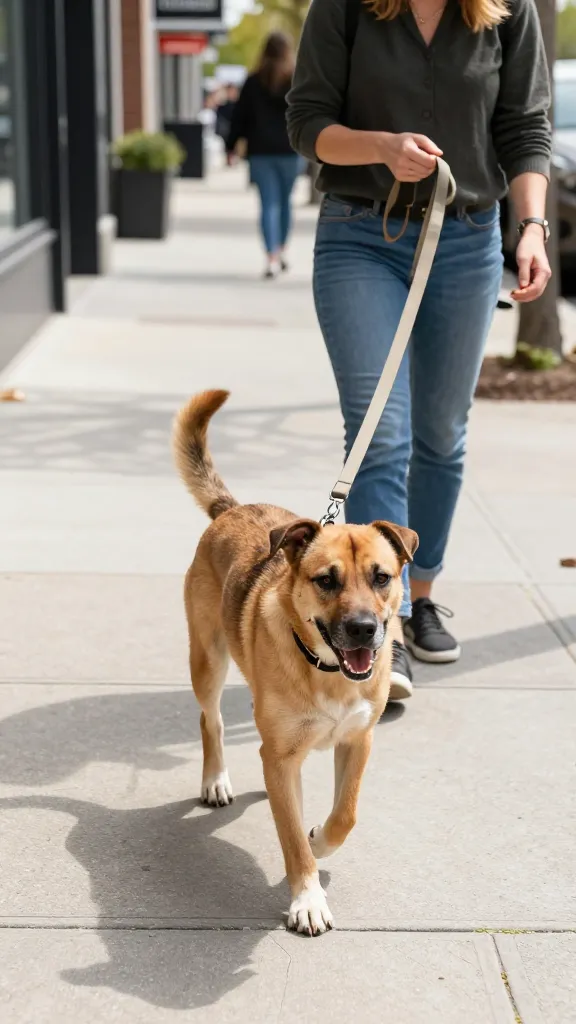
Loose-leash walking is the cornerstone of enjoyable strolls. If your leash is a saw, this drill is the antidote. Let’s keep it simple and effective.
Try this fast routine:
- Every 10–15 seconds, switch directions or pause for a quick reward break.
- Use a designated “check-in” tug—gentle and calm—to remind your dog you’re in charge.
- Practice short sessions daily, not marathon sessions that burn out enthusiasm.
End result: fewer tugs, more smiles. This works beautifully on sidewalks with pedestrians or in park areas with a lot of scent distractions.
4. Turn Distractions into Training Wins
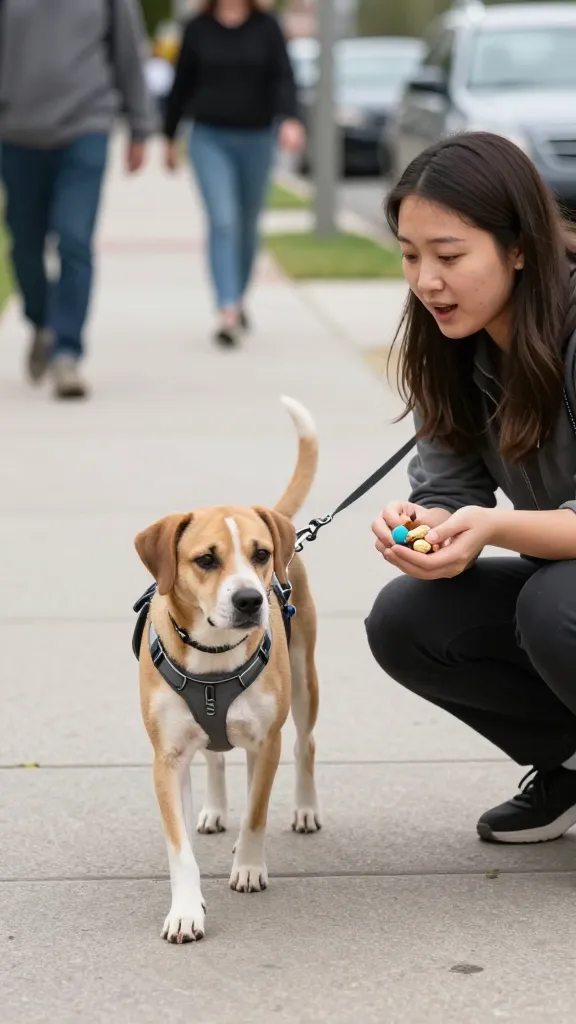
Dogs love sniffing, and sniffing is not the enemy—distractions are. The trick is to redirect without turning walks into a battle of wills.
Practical steps:
- Identify a few high-value rewards your dog loves (treats, squeaky toy, or a favorite phrase).
- Use alternation: reward for looking at you, then for walking a few steps without pulling.
- Gradually increase distance from the distraction before rewarding.
FYI, you’ll see big gains when you practice near busy avenues or doggy meetups. Your dog learns that paying attention pays off, even among smells and noise.
5. End-Of-Walk Rituals That Cement Good Habits
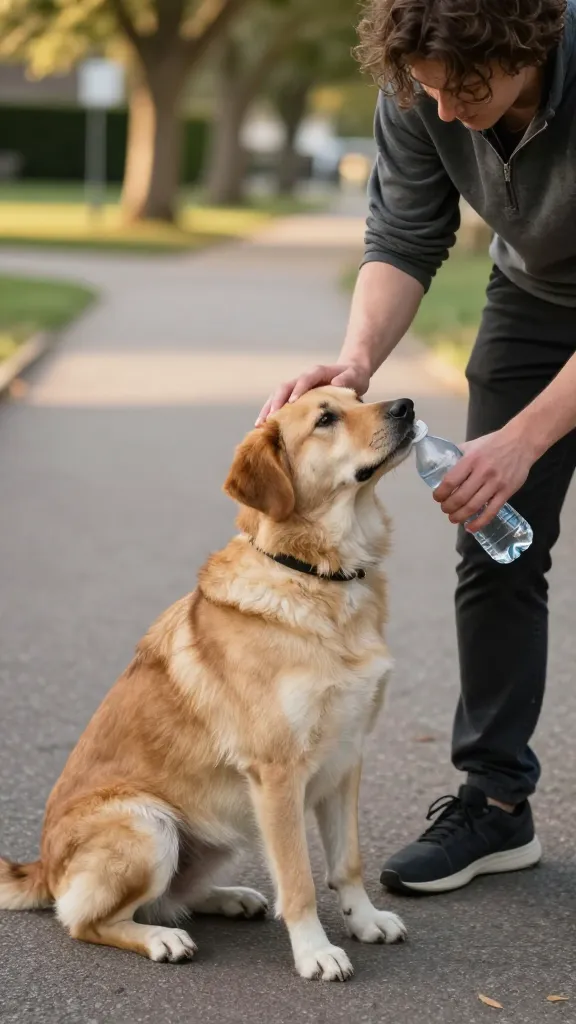
What you do at the end of the walk matters just as much as the start. A predictable finish reinforces calm, well-mannered behavior for the next outing.
Ritual ideas:
- Cool-down sniff-free, then a quick tuck-in stop where you reinforce “home” cues.
- Finish with a quick recap of cues learned today—reward a calm demeanor.
- Keep a short post-walk routine: water, a quick belly rub, and a moment to reflect on progress.
Benefits include a smoother transition back into daily life and less post-walk jitteriness. This approach makes walks feel like well-earned victories instead of chores.
Want more? Practicing these ideas consistently will unlock calmer nerves, happier tails, and fewer dramatic sprint starts. IMO, the best part is how friendly and doable they are—no fancy gear required, just steady practice and a good sense of humor.
Conclusion: You’ve got this. Grab a leash, pick a tip, and start today. Your dog will thank you with more eager strolls and fewer drama-filled moments.