5 Dog Body Language Signs Every Owner Should Know
Ever wished your dog could pull back the curtain on what they’re thinking? These five signs unlock a world of understanding in under a minute. You’ll stop guessing and start bonding, FYI.
1. Tail Talk: What Wagging Really Means
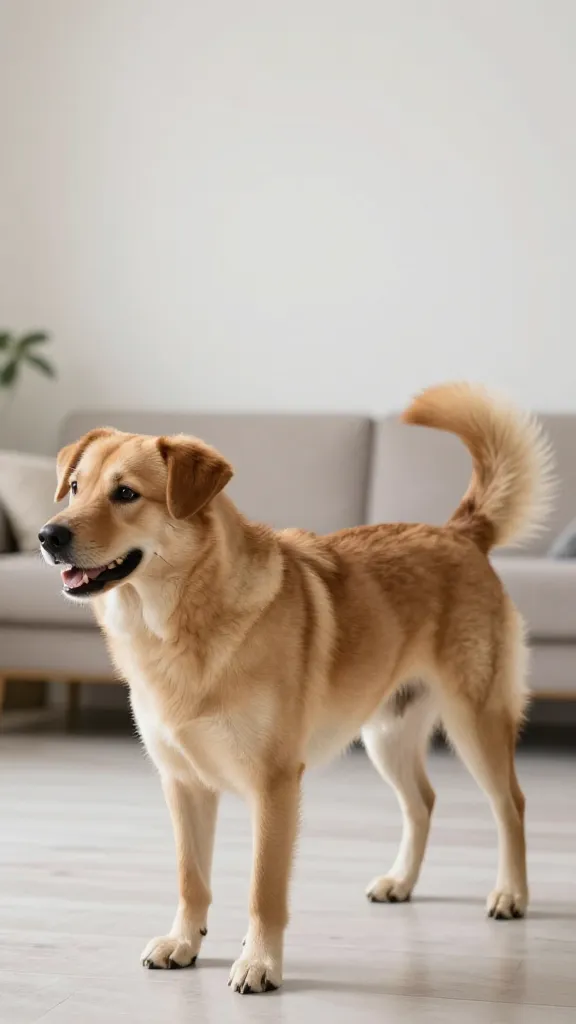
From a casual wag to a full-throttle tail splash, the tail is basically a GPS for your dog’s mood. Reading it correctly saves you from misreading a bark that’s not about you.
Key Signals to Watch:
- Slow, relaxed wag with loose body = happy and engaged
- High, stiff wag with a rigid body = alert or guarding
- Wagging in short bursts with a tucked belly = anxious or uncertain
When you spot these, respond with calm energy and a gentle approach. It’s amazing how simply acknowledging their mood calms the room—trust me, your pup feels heard.
2. Ears as News Anchors: Listening Without Words
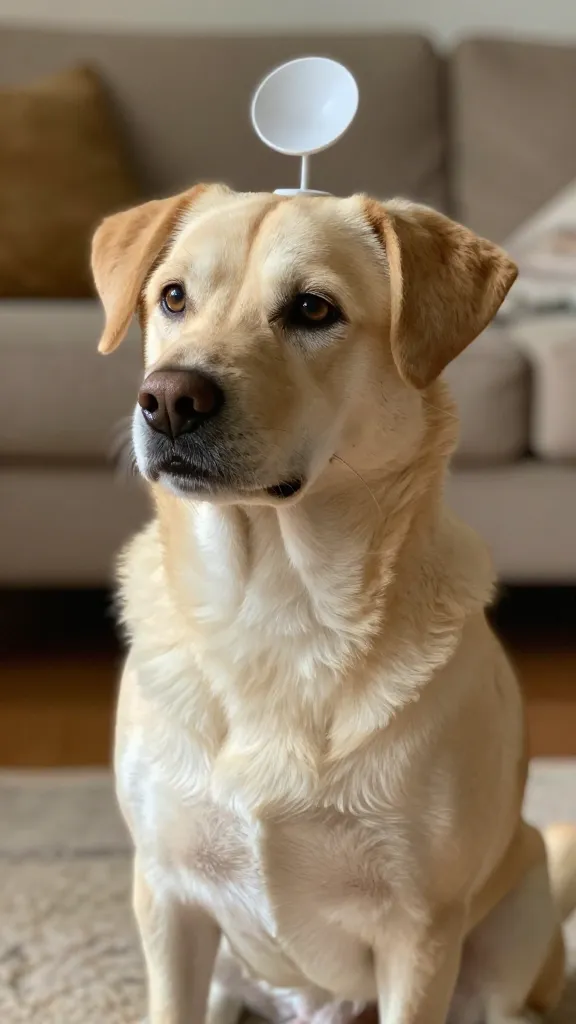
Ears can be the most underrated mood cue on a sleepy afternoon. Perked like a satellite dish or flat as a pancake, they tell you where your dog’s attention is and how they’re feeling about it.
What to Look For:
- Forward, alert ears with soft eyes = curious and engaged
- Flattened ears against the head = fear or submission
- One ear up, one down = mixed signals, check the body for context
Use this as your confidence booster—if their ears say they’re wary, slow your pace and offer space. It helps a ton when you meet them where they are.
3. The Eye Conversation: What Gaze and Blink Say About Boundaries
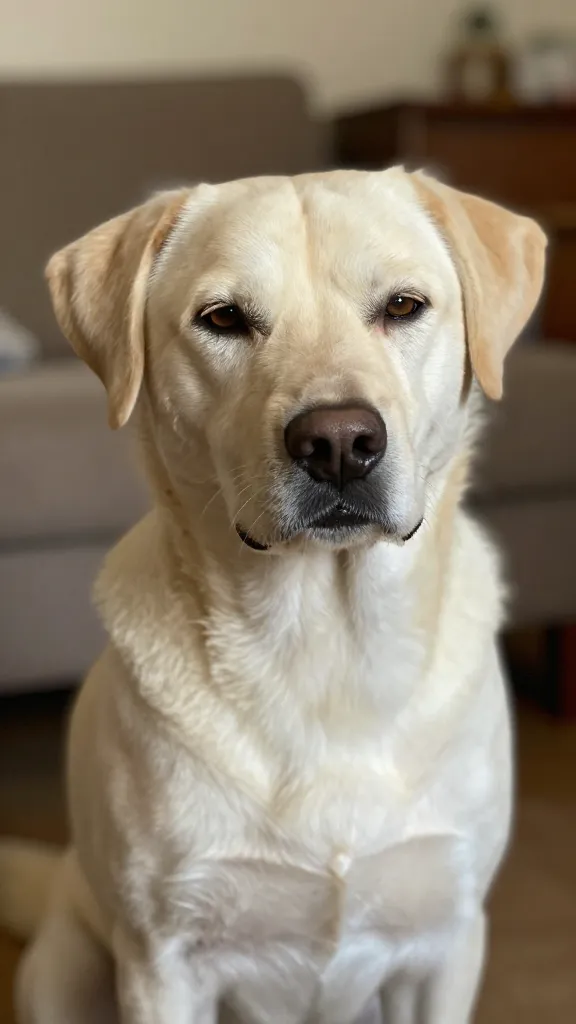
Your dog’s eyes reveal more than you might think. Eye contact can be a bonding moment, or a boundary signal begging for space. Decode the gaze, and you’ll know exactly when to lean in or back off.
Two Clear Clues:
- Soft, relaxed eyes with a gentle blink = comfortable and trusting
- Staring, hard gaze, or wide-eyed zoom = potential stress or challenge
When a boundary is in play, slow blink back and give them a break. It reinforces trust without turning a moment into a drama. Seriously, a little patience goes a long way.
4. Posture Pays: How the Body Carries Mood
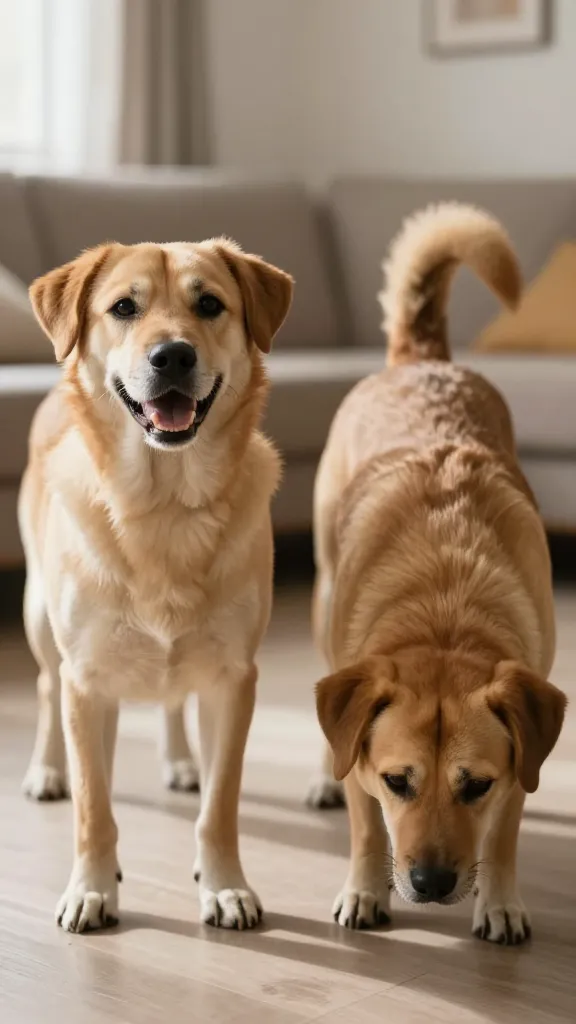
The whole body speaks—tail, stance, even how they position their paws. A relaxed, open posture invites cuddles; a tucked tail or crouched stance signals retreat. Reading the body is like reading a tiny, furry instruction manual for joy or caution.
Key Posture Facts:
- Open chest, loose shoulders, weight evenly distributed = at ease
- Hunched shoulders, lowered head = seeking safety or submission
- Muscle tensing with a stiff stance = readiness to react
Use this to set up safer, calmer interactions. If their body tightens, back off a step, give a treat, and invite them to come closer on their terms. It’s practical and humane, IMO.
5. Mouth Magic: Lips, Teeth, and the Subtleties of Expression
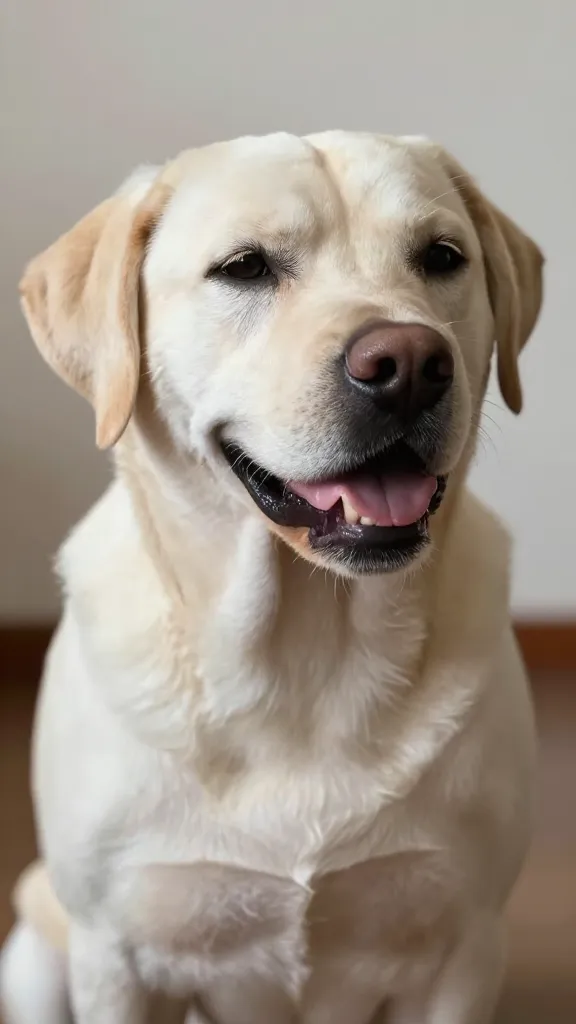
The mouth is the snack-size translator of complex feelings. A relaxed mouth is peaceful, but a pucker or wrinkled nose can hint at discomfort or irritation. Don’t ignore the tiny mouth tells you could miss otherwise.
Practical Cues:
- Calm mouth, soft lips = content and approachable
- Snapped lips, curled or bared teeth = warning sign; step back
- Open mouth with panting and a relaxed jaw = cooling down or mildly excited
When you notice tension around the mouth, offer a calm environment and optional space. Small pauses and a quick, tasty distraction can reframe the moment beautifully.
FACT: five simple signs can transform your everyday walks into smoother, safer, and more joyful experiences. Each cue is a tiny doorway into your dog’s inner world, and learning them makes your bond stronger than ever. Trust me, you’ll be amazed at how much less guesswork there is when you start watching closely.
Ready to put this into action? Start by choosing one sign to track this week. Keep a little notebook, or just jot it down in your notes app. You’ll see patterns, and those patterns become your superpower as a dog parent.
Conclusion: you’ve got this. With these five signs in your toolkit, you’ll respond with confidence, minimize stress for your pup, and enjoy more cuddles, longer adventures, and fewer awkward moments. Now go try them—your dog is waiting to tell you something amazing.