4 Harness Training Cat Tips for Easy Walks
If your cat pulls like a mini-tornado on leash, you’re not alone. These four harness training tips ditch the drama and turn wald-o-wanders into smooth, stroll-ready adventures. FYI, your cat might even start enjoying the outdoors—yes, seriously.
1. Start with the Right Gear and a Slow Reveal

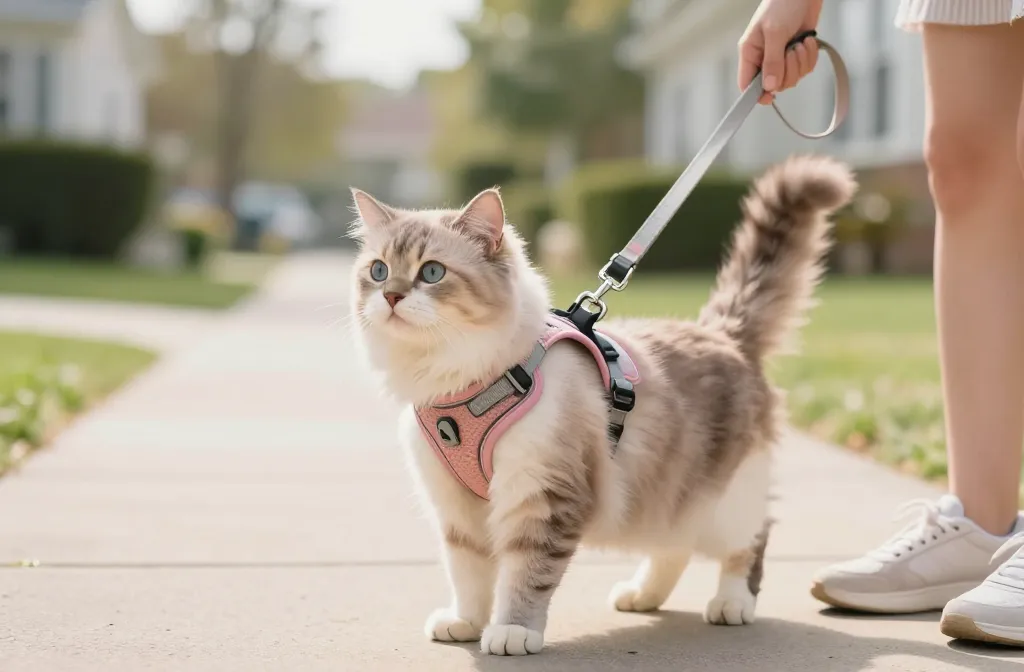
Choosing the perfect harness and giving your cat a gentle introduction sets the tone for calm walks. You don’t want to scare your feline into a dramatic escape act, so start small and keep it positive.
Key Elements:
- Lightweight, escape-proof harness with adjustable straps
- Soft, breathable materials to avoid chafing
- Leash that’s comfortable to hold and doesn’t yank
Let your kitty sniff, inspect, and wear the harness for short indoor sessions first. Reward with treats and a reassuring voice. If your cat squawks at the first clip, pause and retry later. Patience = progress, not punishment.
When you finally venture outside, keep sessions brief and positive. End on a high note with a favorite snack and a quick cuddle. Trust me, a calm first exposure pays off in a big way later.
2. Master the Safety Start: The Gentle Leash Walk

The goal is a relaxed, two-way conversation between you and your cat. A gentle leash walk teaches boundaries without turning your companion into a speed demon.
Key Points:
- Keep harness snug but not restrictive to prevent escapes
- Use short, controlled steps to guide your cat
- Let your cat set the pace and direction when possible
Start in a quiet area with few distractions. If your cat freezes, stay calm and offer encouragement. If there’s a lure or treat, use it to lure your cat forward rather than pulling. Pulling is the fastest way to lose trust, and trust is what keeps these walks happening.
FYI, you’ll likely see a mix of sniffing, pausing, and sudden sprints—that’s all normal. The trick is to keep sessions short, upbeat, and end on a success. The best part? Those short walks become your cat’s daily dose of enrichment and exercise.
3. Build Desensitization: Slow Exposure to Outdoor Stimuli
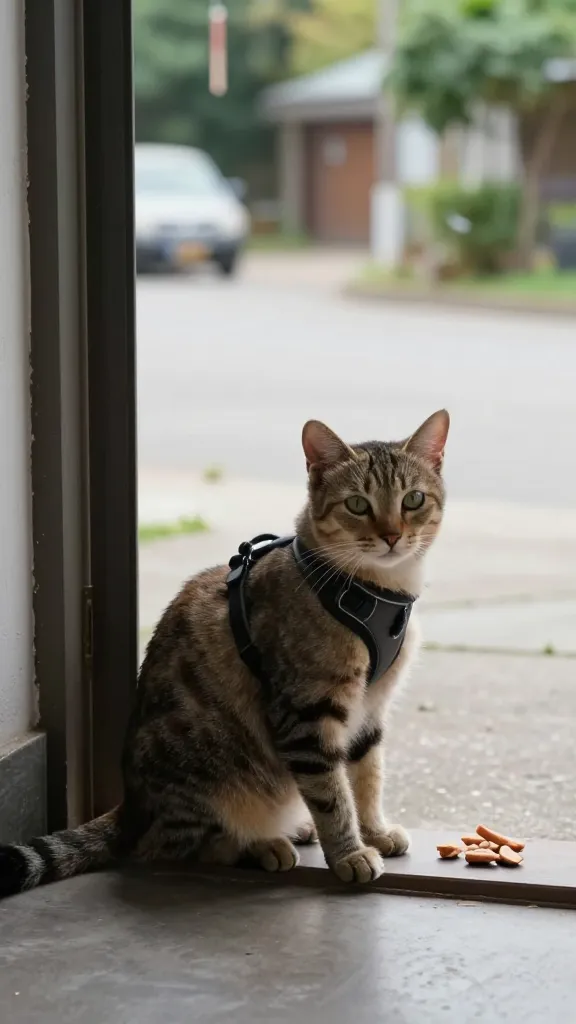
Outdoor noises, birds, buses, and wind chimes can turn a stroll into a chaos circus. Desensitization helps your cat tolerate the world outside without losing their chill.
Practical Steps:
- Begin near a closed door or window with the harness on
- Gradually move to a quiet yard, then a calm street
- Use high-value treats to reinforce calm reactions
Avoid rushing into parks or busy sidewalks too soon. Incremental exposure helps your cat build confidence and reduces arousal. If your cat shows signs of distress (flattened ears, growling, tail flicking), shorten the session and try again later. The goal isn’t a marathon; it’s steady, predictable progress.
Once your cat tolerates gentle background noise, you’ll notice longer, more curious explorations. That enrichment payoff is huge—less indoor boredom and more brain-boosting stimulation for your whiskered friend.
4. Create a Routine That Feels Like Playtime
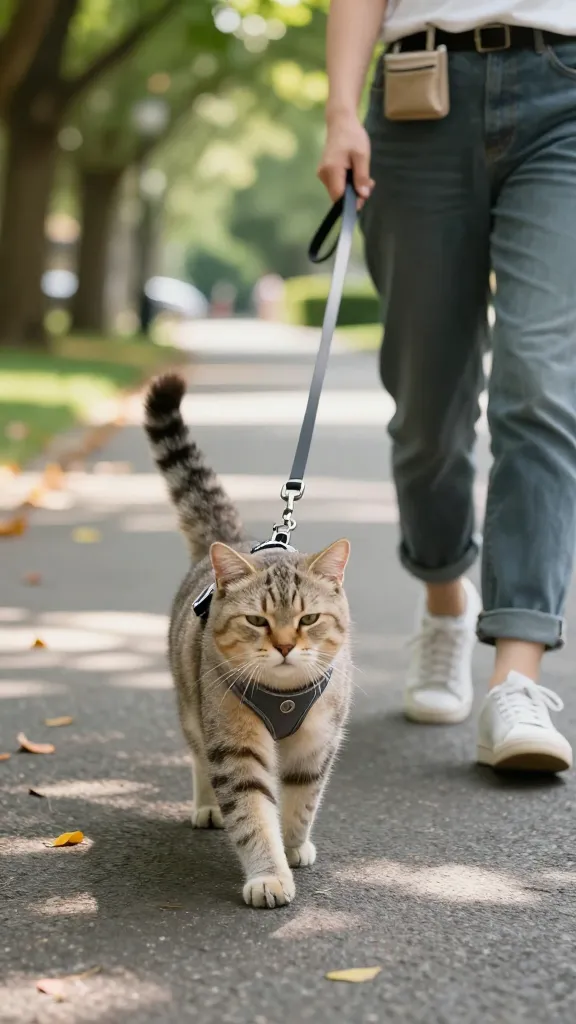
Routines make training feel effortless. When walks are predictable and fun, your cat looks forward to them rather than viewing them as a chore.
Smart Additions:
- Short daily walks at the same time each day
- Rotate routes to keep things interesting
- End with a favorite treat or a quick cuddle session
Consistency beats chaos. Keep sessions short but frequent, and vary the route to keep curiosity alive. If you’re worried about your cat’s energy, plan a pre-walk play session to burn off excess excitement. FYI, a tired cat is a more cooperative cat.
Benefits of a steady routine include easier training, less fear, and a happier bond between you and your cat. When your cat trusts the leash and your leadership, you’ll both enjoy those peaceful strolls together.
Ready to take these four tips for a spin? Grab a comfy harness, a handful of treats, and a calm, upbeat vibe. Your cat will thank you with purrs, head nudges, and a new favorite pastime: easy, enjoyable walks with you by their side.