5 Signs to Help You Recognize Cat Pain and Quick Relief
Cats don’t come with a snooze button, but they do whisper clues when they’re hurting. These five signs help you spot pain fast, so you can jump on relief before a bigger issue shows up. FYI, you’ll feel like a superhero caretaker after you read this.
1. Sudden Hiding or Retreating: The Classic Boundary Sweep
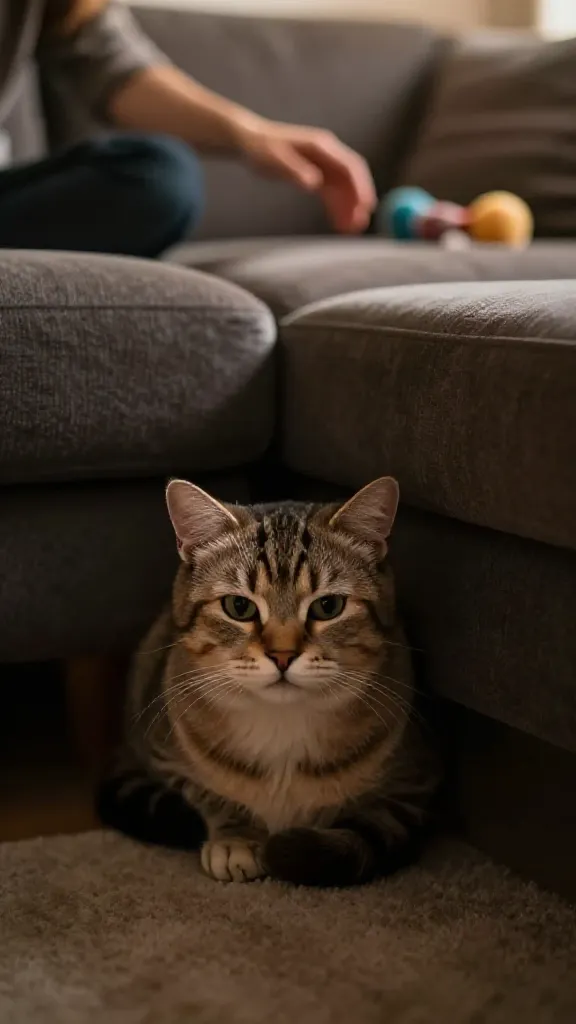
Cats are masters of subtlety, and pain often makes them retreat. If your usually chatty floof suddenly vanishes during play or avoids favorite spots, there’s likely a reason behind that curtain call.
Why this matters: when an animal hides, it’s not being dramatic—it’s protecting itself from what hurts. Recognize this early and you can catch issues before they escalate.
Key Indicators:
- Less interaction with you or other pets
- Seeking dark corners or quiet sleeping spots
- Refusal to move or jump to familiar perches
Tip: Give them a safe, cozy space and check in with gentle talk. If hiding lasts more than 24 hours or is accompanied by other signs, call your vet. Trust me, a quick check-in can save a lot of worry later.
2. Altered Grooming Habits: When Clean Goes Missed
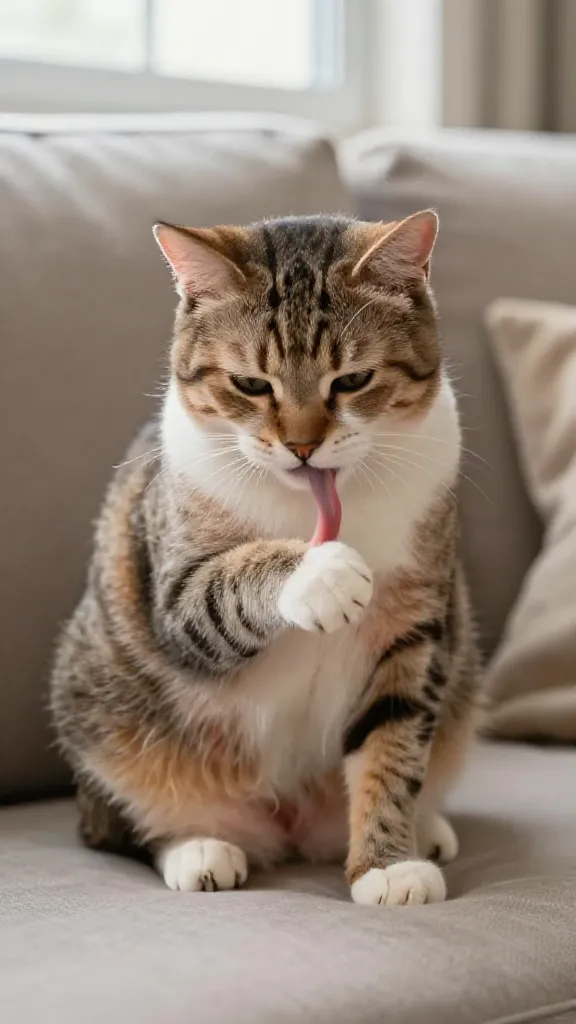
Cats are meticulous about grooming, so a sudden change can signal pain or discomfort. If your kitty suddenly stops brushing, licks a spot obsessively, or chews fur in patches, there’s a red flag waving.
Why this matters: grooming is linked to comfort and mobility. When pain hits, grooming routines crumble like a bad hair day.
What to Look For:
- Unusual over-licking around joints or abdomen
- Rough, patchy fur or exposed skin from overgrooming
- Visible stiffness or reluctance to stretch
Pro tip: Schedule a quick vet check if you notice persistent grooming changes. A simple exam can reveal arthritis, dental pain, or skin issues that need treatment. IMO, early care keeps grooming normal and less dramatic.
3. Food and Drinking Shifts: Appetite Signals Pain Knows
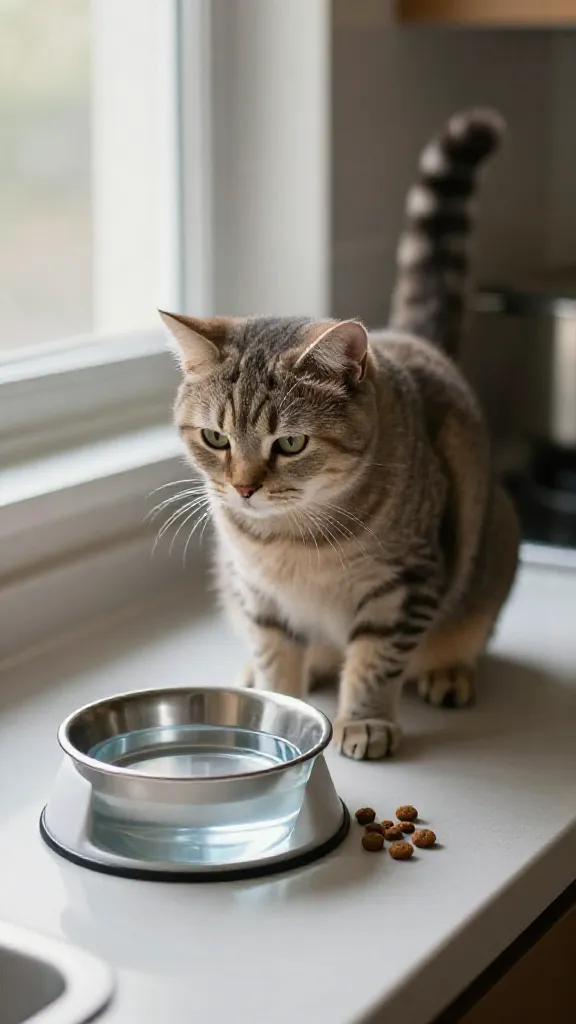
Weight and appetite are the blunt tools of cat health. Pain can make a cat skip meals, binge at odd hours, or drink more/less than usual. If your cat’s eating or drinking pattern shifts, it’s a clue worth chasing.
Why this matters: nutrition fuels healing and comfort. When appetite dips or spikes without a reason, something’s unsettled.
Observations to Track:
- Sudden meal skipping or begging for extra meals
- Staying away from water bowls or gulping new volumes
- Weight change over a short period
Tips: Keep a simple log for a week—note times, amounts, and any signs of discomfort after eating. If changes persist for more than a day or two, seek veterinary input. Seriously, it’s better to catch sneaky issues early.
4. Mobility Changes: Pain Might Be Slipping Into Motion
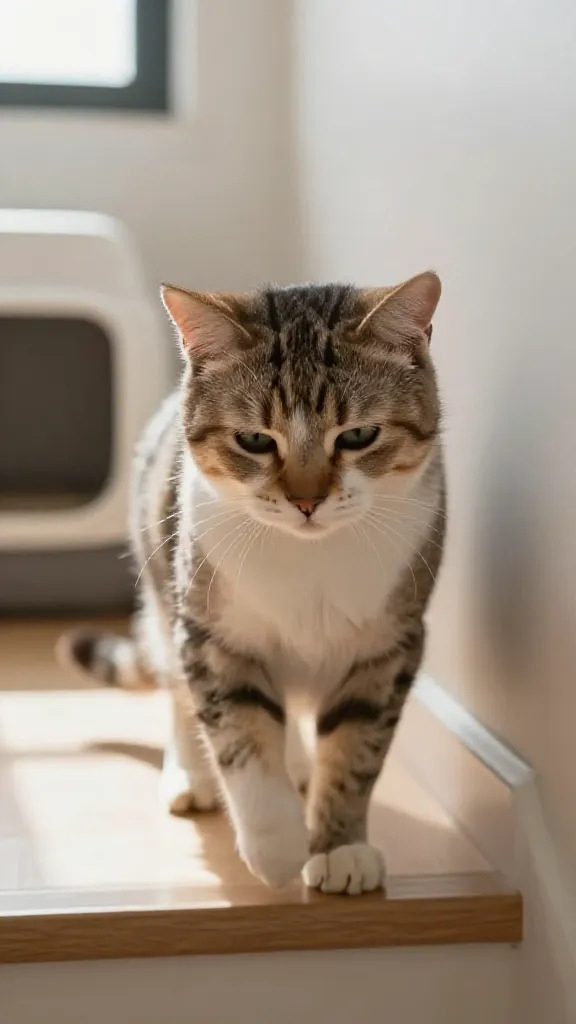
Cats are notoriously graceful, so any stumble, limp, or reluctance to jump screams trouble. Pain often manifests as hesitation to move, especially in hips, back, or paws.
Why this matters: mobility is a direct line to quality of life. A small limp can become a big problem if ignored.
Common Clues:
- Change in gait or posture when standing
- Avoiding stairs, litter box exits, or sunny spots
- Whimpering or vocalizing when touched along the back or paws
What to do: start with a gentle, non-stressful assessment—watch from a distance, then offer warm surfaces and low, easy-access spots. If the limp sticks or pain signs persist, book a vet appointment. Trust me, early mobility care pays off later.
5. Vocalization and Behavioral Shifts: Pain Has a Way with the Loud Notes
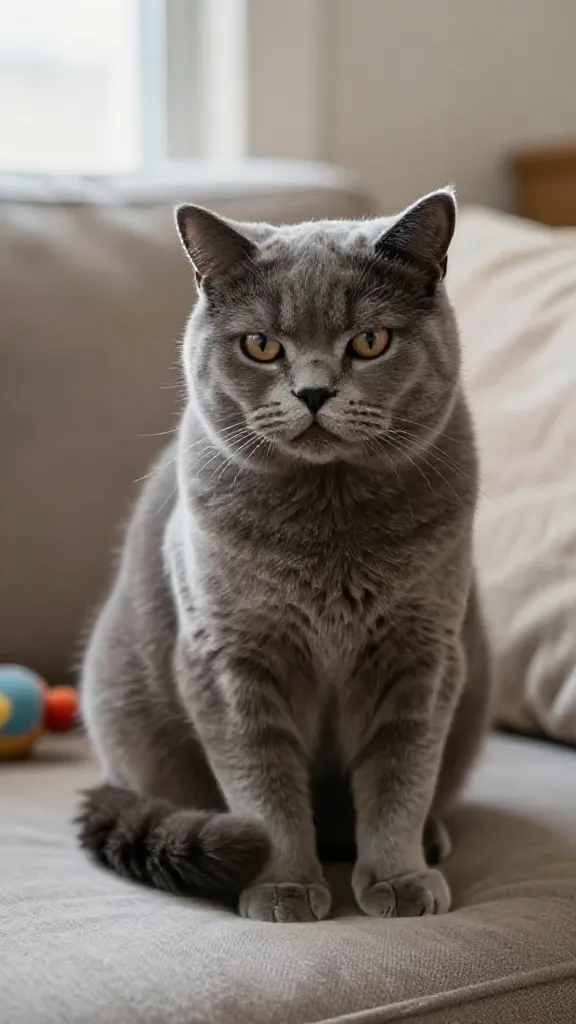
Think of pain as a mood—cats don’t scream like humans, but they do vocalize, hiss, or become irritable when hurting. If your cuddly roommate becomes unusually grumpy, clingy, or vocal for no clear reason, pain might be the culprit.
Why this matters: behavior changes are often the first and most telltale sign that something’s off. Don’t chalk it up to “just being moody.”
Behavioral Signals to Note:
- Increased agitation or snapping when picked up
- Uncharacteristic lethargy or restlessness at odd hours
- New avoidance behaviors like fleeing when you approach certain body areas
How to respond: give space, use soft language, and avoid forcing petting on sensitive spots. If the mood swings last more than a day or two, or you see a combo of other signs, schedule a vet check. IMO, combined signs are the strongest warning flag.
Each sign above is a piece of the puzzle. By paying attention to hiding, grooming, appetite, mobility, and behavior, you’ll spot pain early and help your cat feel better faster. FYI, you don’t need a vet degree to notice the patterns—just a little daily care and curiosity.
When in doubt, schedule a check-in with your veterinarian. A quick consult can rule out serious issues like dental pain, urinary problems, or hidden injuries. Seriously, a few minutes now can save weeks of discomfort for your feline friend.
By staying tuned to these five signs, you’ll be a step ahead in giving your cat longer, happier, more comfortable days. You’ve got this, and your kitty will thank you with purrs and nose bumps.
Ready to put these into practice? Grab a notebook, track a week of behavior, and see what your cat is trying to tell you. You’ll be surprised how often simple tweaks—soft bedding, easy-access litter, or a new scratching post—make a big difference. Let’s do this together!